Plentify and Balwin Validate South African Microgrid VPP, Peak Energy Consumption Down 47%
en.Wedoany.com Reported - Virtual power plants (VPPs) have been tested and validated in South Africa, and their large-scale deployment could help reduce the need for new transmission and distribution infrastructure while ensuring grid stability and reliability.
Nic van Doesburgh, a climate, policy, and energy analyst at climate and energy strategy consultancy Meridian Economics, noted that such plants can delay some grid capital expenditure by providing energy services locally, thereby alleviating grid congestion. He outlined the situation during a webinar titled "Exploring VPP Solutions for South Africa's Energy Future," hosted by energy consultancy EE Business Intelligence on July 8. A VPP is a service platform that provides flexibility to the grid by coordinating distributed energy resources, energy storage, and flexible demand sources. Services offered by the platform include demand response, flexible demand shifting, energy export to the grid, and fast frequency response to maintain system stability. Van Doesburgh added that Meridian Economics is working with Integrate to Zero, a global VPP non-profit, to develop a South African VPP roadmap, expected to be released by the end of this year.
Svein Jørgen Sønning, Chief Commercial and Technology Officer at Norwegian power flexibility technology company NODES, stated that in Europe, all power system operators are now mandated to establish flexible solutions or markets for these services. Europe is exploring ways to address the increasing variability of renewable energy while tackling grid congestion to deploy more generation capacity, involving both transmission and distribution networks. The mandate for flexible systems aims to reduce the estimated €584 billion investment required for European grids, primarily distribution networks, by 2030. This investment scale necessitates finding technologies, tools, and processes that enable distribution system operators to access flexibility as an alternative to grid infrastructure investment. Sønning indicated that using VPPs or flexibility solutions could significantly reduce the required investment in European grids to about half of current estimates. He noted that NODES' practice began in 2016 when a substation was overloaded during specific winter periods; the utility contacted customers, particularly those with commercial and industrial assets, and through collaboration, additional investment was deferred.
Jon Kornik, CEO of smart energy solutions company Plentify, explained that the company has validated the effectiveness of VPPs in South Africa and is now focused on demonstrating how to scale them nationwide. Plentify uses Internet of Things (IoT) robots to communicate with internet-connected water heaters and solar inverters via application programming interfaces. The company collaborated with Balwin, a residential property developer listed on the Johannesburg Stock Exchange, to validate the effectiveness of a microgrid VPP. Kornik mentioned that Balwin has significant solar photovoltaic capacity, which generates power during the day but not during periods when residents need electricity most or when electricity prices are highest. By deploying IoT thermal robots on water heaters to create a wireless mesh network, the company was able to shift and aggregate demand when solar power was available. Results showed that better utilization of solar power, with residents still having hot water, made installing more solar capacity more feasible. The project's implementation demonstrated a win-win for utilities and customers and proved the effectiveness of residential microgrids. Project data showed that Balwin reduced peak energy consumption by 47%, maximum demand by 36%, costs per water heater by approximately R1,800 annually, with an internal rate of return of about 67% over the project lifecycle. Residents also saw annual electricity bill reductions of R1,200 while still having hot water. Kornik believes the technology is viable, the customer experience is solid, and the economics hold at the multi-family housing level.
Plentify also participated in a smart water heater project in Cape Town, aiming to demonstrate that the effect can be scaled to the national grid level. An independent verification and measurement company measured and validated the project's impact. The project deployed 500 thermal robots in and around Cape Town over three years. Results showed that, if properly coordinated, peak-hour electricity consumption could be reduced by 80% without affecting residents' hot water supply. Kornik added that backup capacity was reserved to power water heating when needed, as tests showed that shutting off all water heating during peak hours left 15% of residents without hot water when needed. The goal was to add value, not penalize participating residents. The project aimed to shift as much load as possible to solar-powered water heating and match the load curve with the solar generation curve. Plentify achieved this goal and doubled the solar capacity consumed by water heaters. This demonstrates that peak-hour load reduction in buildings is compatible with solar load. The smart water heater project successfully reduced maximum demand by about 60% over eight months by coordinating water heaters to ensure their total demand did not exceed a specific limit, significantly flattening the demand curve of connected water heaters. Kornik believes this is highly valuable for infrastructure development when determining the load that needs to be transmitted through infrastructure. The project was completed in 2023, during a period of peak load shedding; the coordination of water heater loads meant no rebound spikes occurred, allowing maximum demand to be reduced, and such water heater VPPs could be used to respond to grid emergencies and disruptive load spikes. The project improved utility efficiency by 18% to 27%, and residents' monthly electricity bills were reduced by R300. Kornik stated that results show that deploying such VPP and microgrid systems could double the throughput of existing distribution infrastructure and double installed solar capacity, as water heater demand supports the economics.
Plentify is launching its next project: a smart solar project in partnership with the eThekwini Municipality in KwaZulu-Natal Province, which will involve approximately 280 households and businesses in the Durban area. The project will involve multiple devices, including water heaters, solar photovoltaics, and battery energy storage systems, aiming to demonstrate the effectiveness of microgrid and VPP systems for households and utilities, as well as the potential of such VPPs to provide services and reduce peak-hour load. If the region adopts a time-of-use tariff structure, the project aims to utilize more solar power, thereby reducing grid demand, meaning peak hours that are loss-making for utilities can be shifted to times of abundant solar power. Multiple devices will amplify the VPP's impact, as more diverse demand can be coordinated, increasing the value of such systems for households and utilities.
Additionally, inverter and energy system manufacturer Deye Technology has announced Plentify as its VPP partner in South Africa. The two parties will aggregate and coordinate approximately 2.7 GWh of Deye batteries deployed in South Africa. Kornik noted that this is twice the capacity of state-owned power utility Eskom's battery energy storage system project, which is expected to cost R11 billion and take four years. The partnership aims to reward prosumers (users who both consume electricity and export surplus power to the grid) for using their home assets and demonstrate that VPPs can bring significant benefits to the energy system and prosumers. Prosumers' energy resilience will not decline; they will receive substantial fees and can offset costs through time-of-use tariffs to lower bills. Kornik pointed out that at utility scale or as network nodes, such systems can provide ultra-fast and flexible demand response services; if systems can be deployed at the low-voltage level, ancillary grid services can be used for stored rotational power. He stated that the era of residential VPPs has arrived; they have been proven scalable, and single-device microgrids can work and be expanded across the grid. Based on millions of water heaters and hundreds of thousands of solar installations, such solutions represent South Africa's largest untapped flexible resource. The barrier lies in policy, which is needed to enable monetization. For example, Eskom's demand response program could be expanded from water heaters only to include batteries, activate virtual rotation across low-voltage networks, and aggregate demand response, allowing such companies to participate in South Africa's wholesale electricity market. Kornik welcomes partners to build large-scale residential VPPs to drive policy change.
Related Products


Off-Grid Fuel Cell Supercharging Station (180kW Configuration)
Shanghai REFIRE Group Limited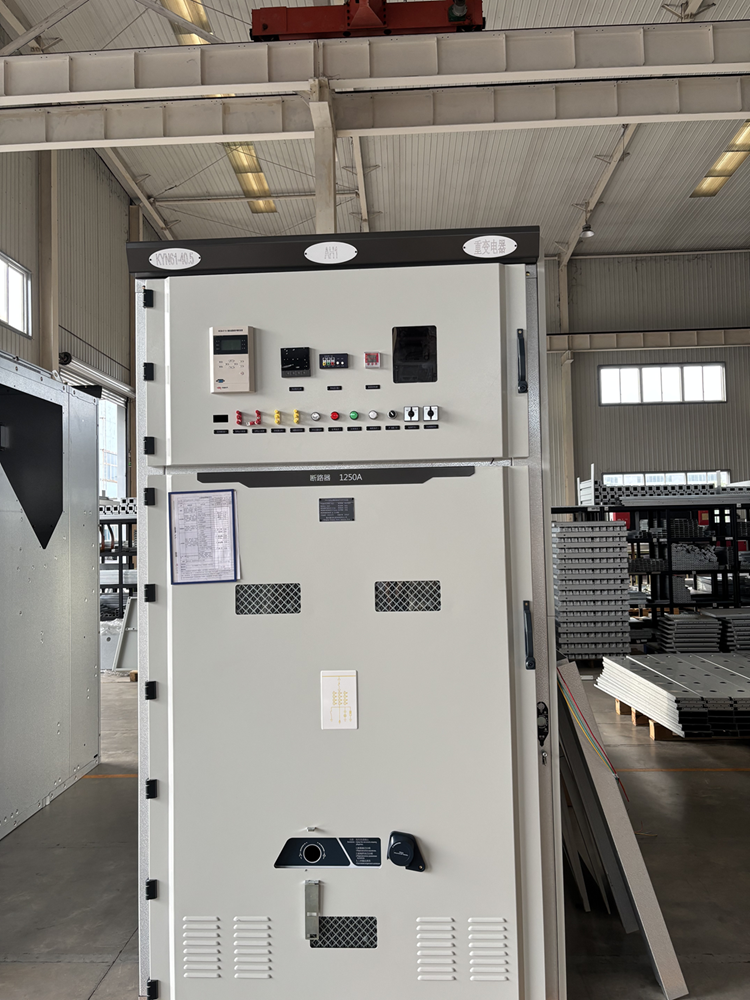
KYN61-40.5 Indoor AC Metal-clad Removable Switchgear
Chongqing Transformer Co., Ltd.
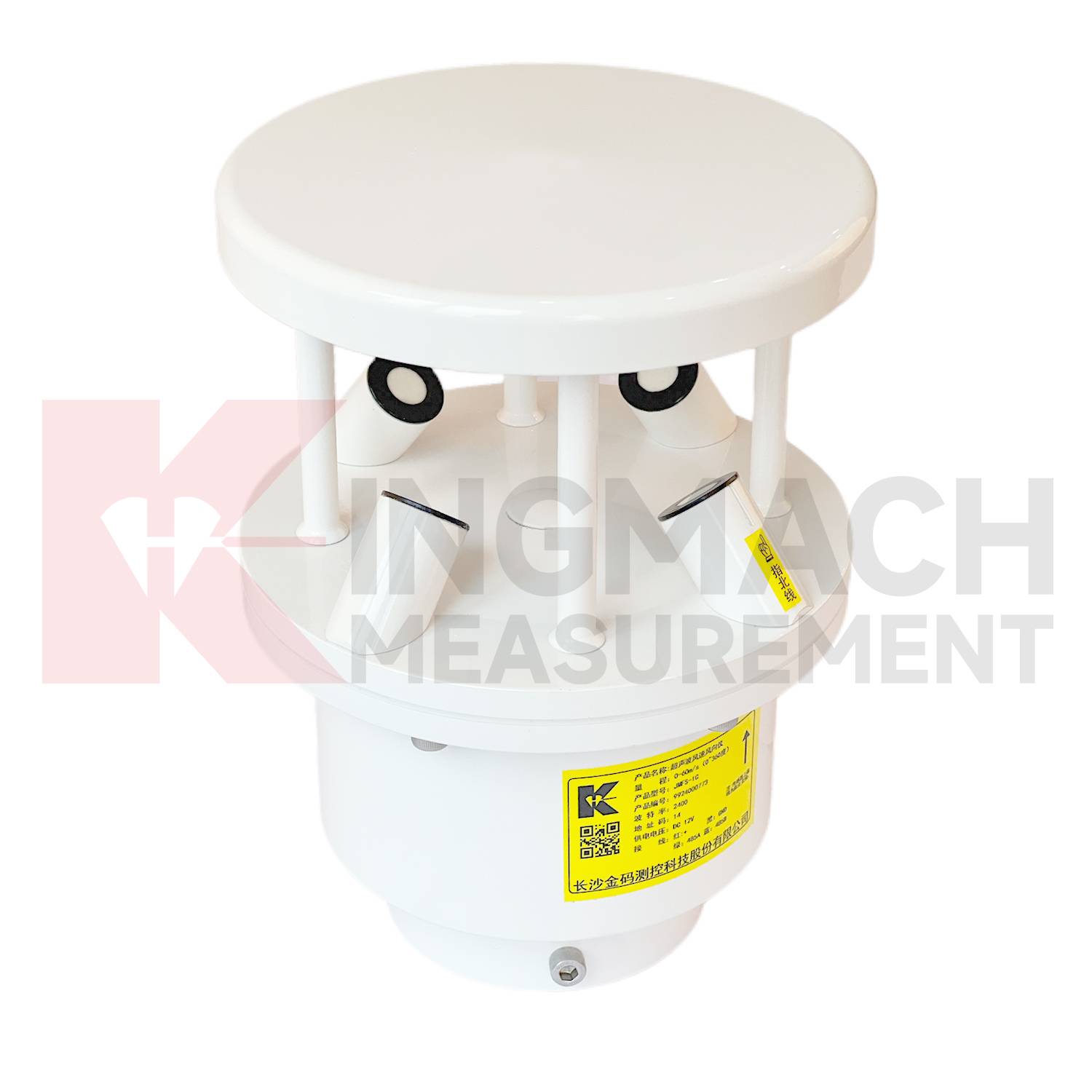
Ultrasonic Wind Speed and Direction Instrument
Kingmach Measurement & Monitoring Technology Co., Ltd.
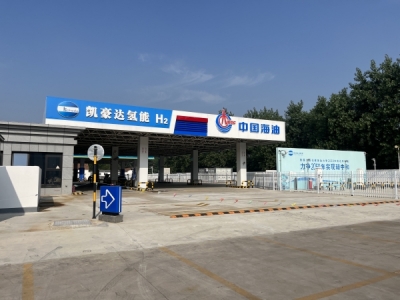
Hydrogen production and hydrogenation charging refueling gas integrated energy station
Shenzhen Kohodo Hydrogen Energy Co., Ltd.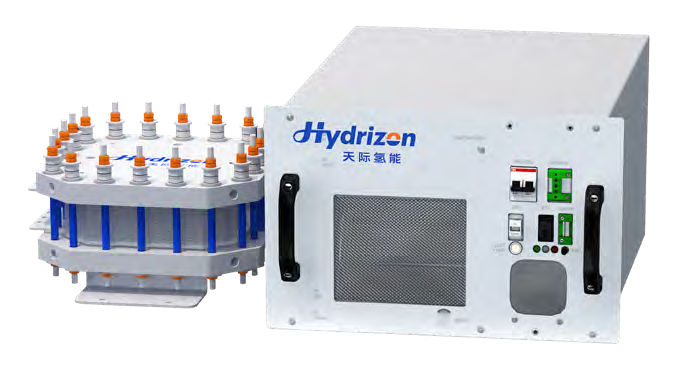
HI-Pro Green Hydrogen High-efficiency Production System-HI-PRO-AEM
Hydrizon Technology (Beijing) Co., Ltd.