Tianjin University in China Achieves Minute-Level Preparation of Platinum Group Catalysts with 90% Energy Reduction
en.Wedoany.com Reported - A team led by Professor Hu Wenbin from Tianjin University has proposed a "transient assembly" strategy and developed a millisecond-scale periodic thermal pulse technology, enabling the ultrafast synthesis and precise control of platinum group metal core-shell structure catalysts, opening a new path for atomic-level precision preparation of such materials.
Platinum group catalysts are core materials supporting modern energy, chemical, and environmental industries. Efficiently constructing core-shell structures of platinum group and non-precious metals is a technical direction that balances high catalytic activity with low precious metal usage. Traditional synthesis methods rely on the gradual transformation of multiple thermodynamic equilibrium states under prolonged high temperatures, suffering from issues such as long process cycles, high energy consumption, and low precision.
To address this bottleneck, Tianjin University and its collaborative team proposed a non-equilibrium "transient assembly" strategy, utilizing periodic thermal pulse technology to achieve millisecond-level precise energy supply, driving nanocrystals to complete core-shell structure assembly during non-equilibrium high-energy transient evolution, while simultaneously controlling the atomic layer thickness of the platinum shell.
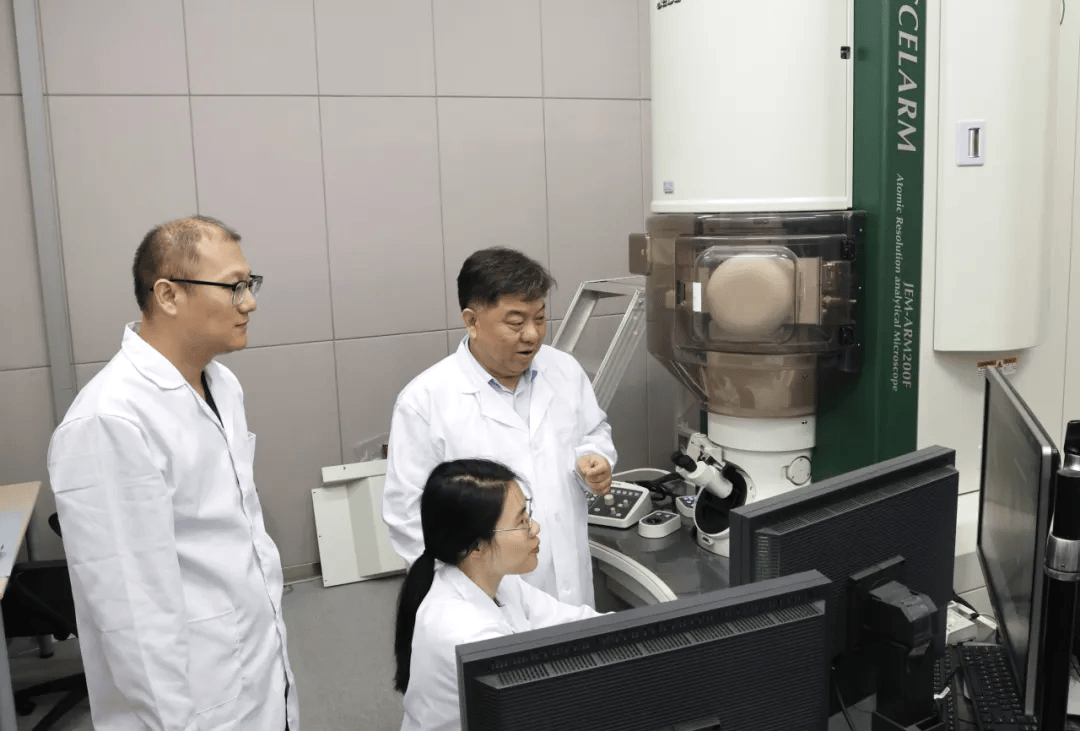
The fundamental innovation in the synthesis mechanism has led to a leapfrog breakthrough in manufacturing processes. Traditional processes requiring hours of multi-equipment preparation can now be completed within minutes. The compression of synthesis time and precise concentration of energy have reduced the energy consumption required for synthesizing unit mass of catalyst by 90%.
The catalyst synthesized using the new process achieves a rated power of 15.2 kilowatts per gram of platinum in hydrogen fuel cells, along with excellent durability.
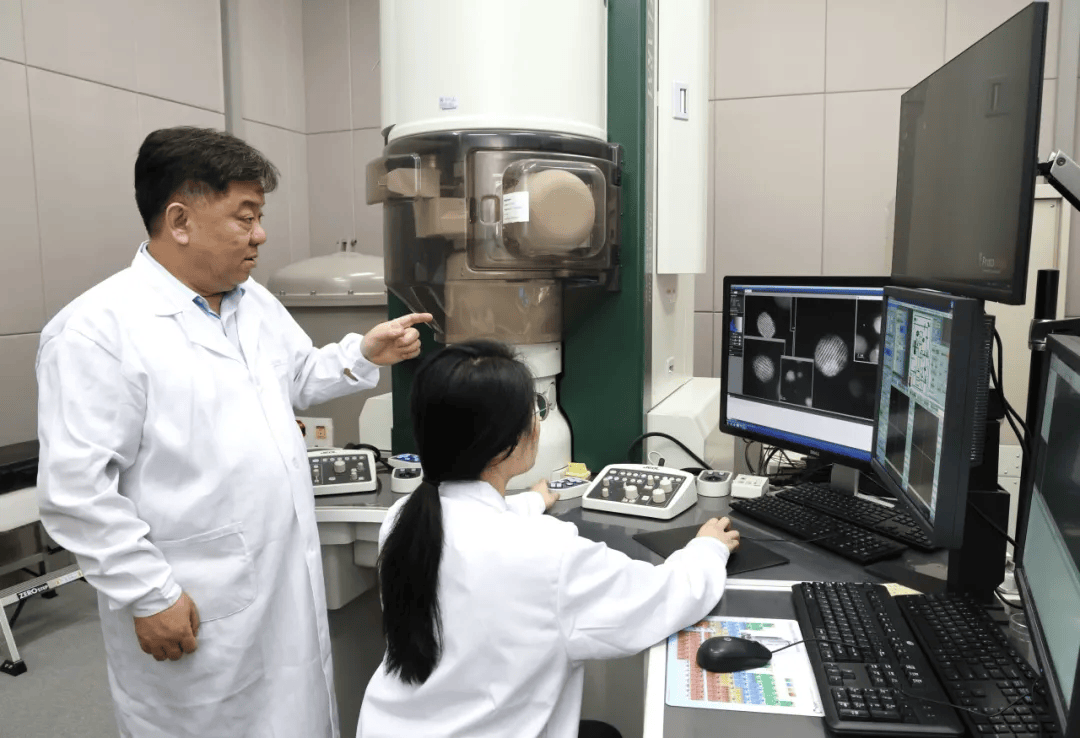
Hu Wenbin stated that this technology provides a new approach for the precise and efficient synthesis of fine-structured precious metal catalysts, and is expected to be expanded into fields such as high-end chemicals, environmental catalysis, and fine chemical synthesis that rely on high-performance platinum group catalysts.
Related Products
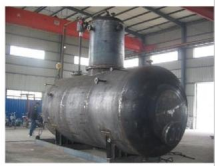

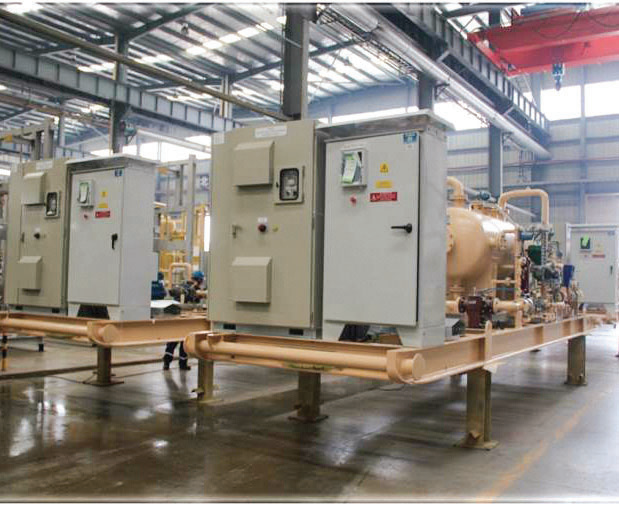
Steel Plates for Chemical Pressure Equipment
Gansu JISCO Group Hongxing Iron and Steel Co., Ltd.

Industrial and Commercial Point-Type Gas Detector
Jinan Benan Technology Development Co., Ltd.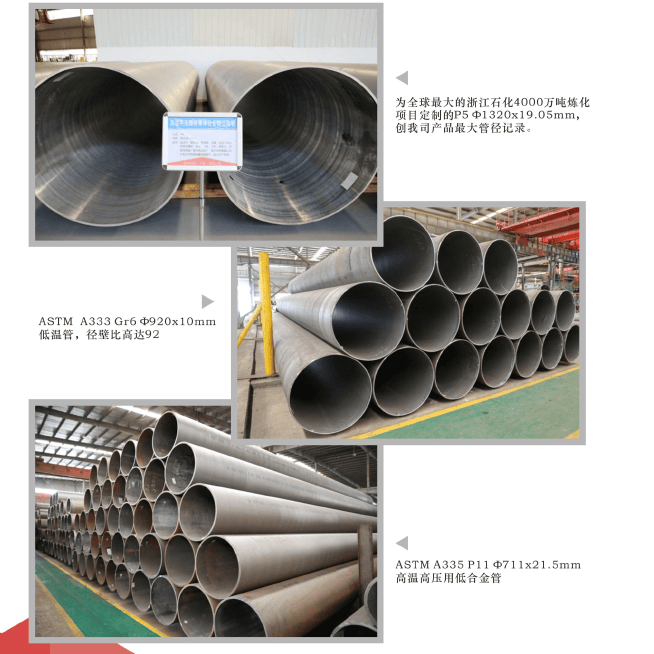


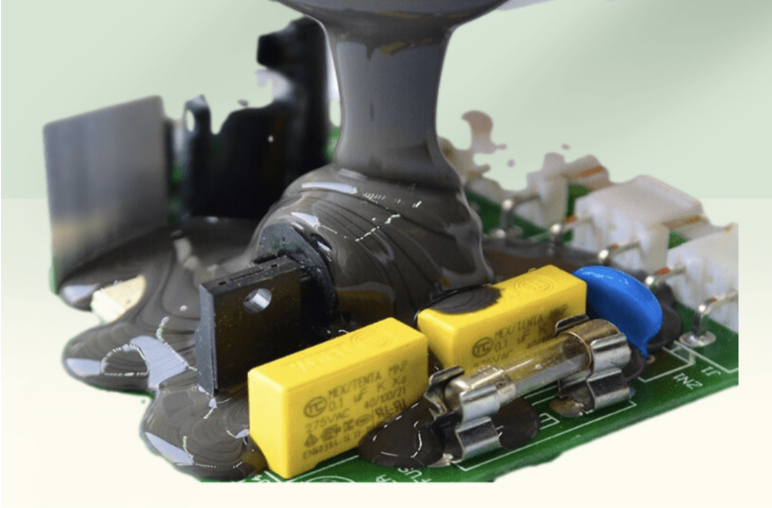
High Thermal Conductivity Encapsulating Resin
Nantong BESALL Sealing Technology Company.,Limited
Quick-Change Single-Seat Control Valve / Quick-Change High-Pressure Single-Seat Control Valve
Beijing Consen Automation Technology Co., Ltd.