en.Wedoany.com Reported - Juan Carlos Ortiz, President of the Peruvian Institute of Mining Engineers (IIMP), proposed that by implementing administrative reforms for the parallel approval of mining project permits, the approval time could be reduced from seven years to approximately three years, thereby enhancing Peru's competitiveness as a destination for mining investment.
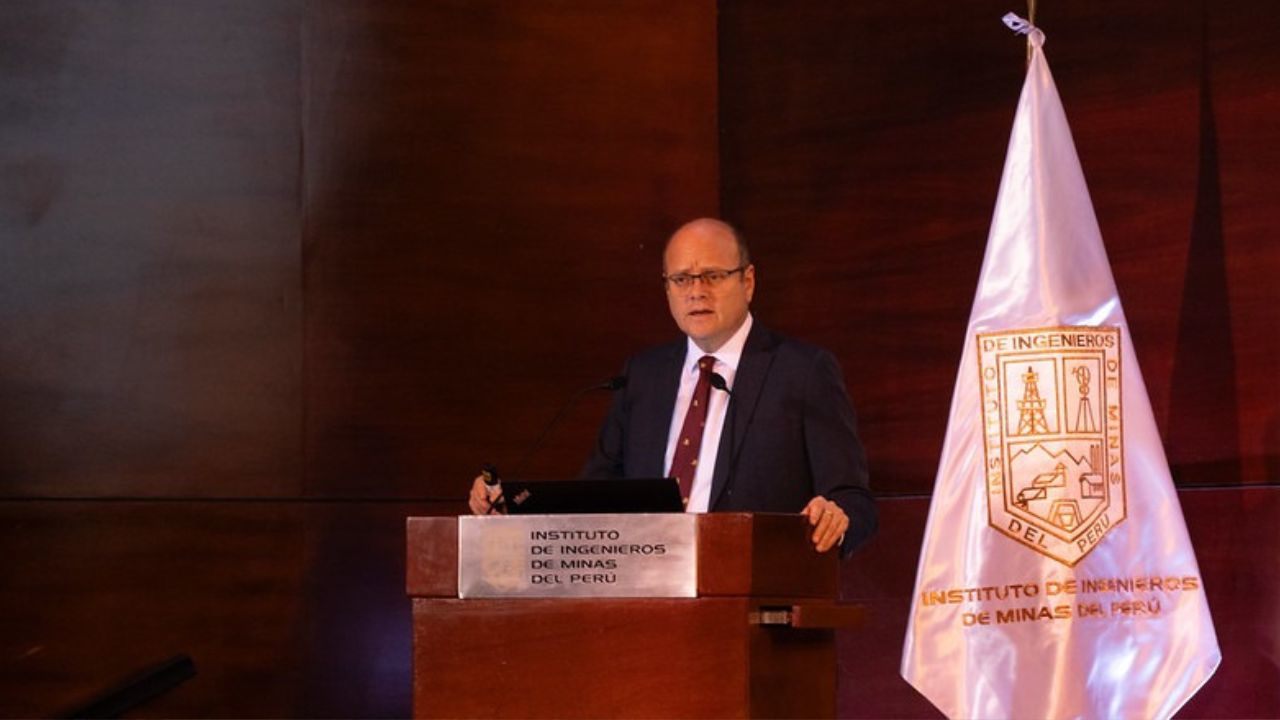
In his closing remarks at the "WMC 2026: Strategic Conclusions for Peru's Mining Agenda" event, Ortiz stated that one of the main tasks for the next government is to review the administrative procedures currently delaying the development of new mining projects. He noted the hope that the new government will have a pro-business image and reassess the current situation that has led to a decline in national competitiveness.
Ortiz explained that the current evaluation model uses a sequential process, where companies must obtain one permit before initiating the next, with the entire process potentially spanning several years. He also warned that comments raised in the later stages of approval could force companies to restart procedures that were completed five years ago.
He proposed restoring the parallel evaluation model, where multiple national agencies review the same dossier simultaneously—a model already adopted by mining jurisdictions such as Brazil, Canada, Chile, and Australia. Ortiz believes this mechanism could "easily halve" the approval time, bringing Peru closer to international standards for mining project permitting.
As part of the reform, Ortiz proposed integrating a true digital single window, allowing all participating evaluation agencies to access the same dossier, submit comments simultaneously, and jointly track the responses and modifications submitted by companies. He stated that this platform would enable everyone to view the dossier at the same time, understand the issues, who is responding, who is evaluating, and leave a traceable record of the entire process. He added that this model helps obtain all certifications simultaneously without reducing technical rigor or environmental and social standards.
Ortiz emphasized that implementing these improvements does not require a comprehensive overhaul of mining legislation, but rather a review of current administrative procedures that force one agency to wait for another's approval before starting its evaluation. He believes there is room within the state to introduce changes through administrative decisions, requiring few regulatory modifications, with the key being the political will to review these issues.