Canada's Atlas Salt Project Receives 150 Million Yuan in Permits, Enters Construction Phase
en.Wedoany.com Reported - Atlas Salt's Atlantic Salt Project, located on the west coast of Newfoundland, Canada, has officially transitioned from the pre-development stage to the construction phase funded by a feasibility study. The project aims to supply de-icing road salt to the northeastern United States, eastern Canada, and the Atlantic provinces, markets considered to have a significant supply deficit. In a recent interview, CEO Nolan Peterson discussed the on-site progress since construction began, the permitting relationship with local governments, and the key technical issues affecting project advancement.
The company announced the start of construction in February, marking a shift in spending from pre-development capital to capital included in the feasibility study. Peterson stated that this is a critical distinction in allocating funds to permanent works. Working capital raised in the fall enabled construction activities to continue from March to June, and a recently completed financing further supports planned work, with some tasks originally scheduled after the financing being moved forward to the summer construction season.
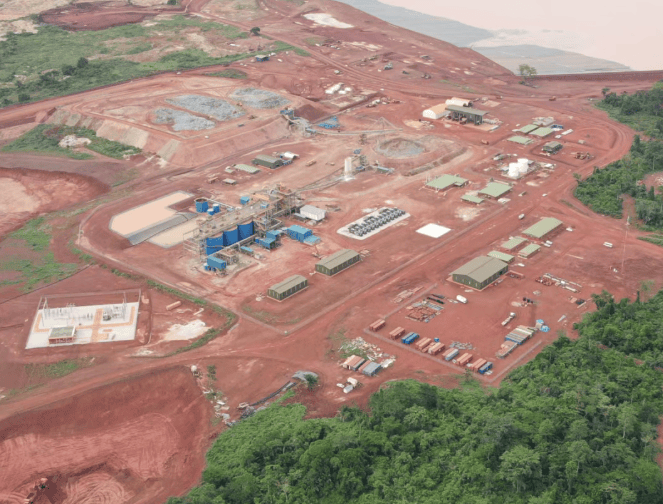
Initial work has primarily focused on site clearing, with the cleared timber distributed to local communities for firewood. The company has also begun stripping and stockpiling topsoil, which is valuable for both near-term use and long-term site reclamation. Foundation preparation is currently underway, including excavation to bedrock, terracing, and installation of water retention ditches, while platforms for permanent roads, power infrastructure, and future buildings are being planned. The next major milestone is excavating a box cut to provide access to underground drifts, a task expected to take several more months. Peterson emphasized that all initial work is permanent infrastructure, funded by capital allocated from the feasibility study.
On the technical front, early geotechnical drilling results indicate ground conditions are better than expected. Peterson noted that the site conditions are drier and groundwater conditions are more favorable than initial assumptions. He pointed out that every 5% improvement in the project could save significant time and capital. However, these are still preliminary observations, and final conclusions will be confirmed after drift development is completed. The project involves a 1.5-kilometer-long drift, where ground stability and water saturation will be continuously tested.
In terms of permits, Atlas Salt has obtained a complete provincial early works permit package, covering over 150 million yuan in capital activities under the environmental assessment. Previously, each discrete activity, such as individual road sections, required item-by-item approval from the town, but the local government has requested a single streamlined process consistent with the provincial permit. Peterson described this as a change that reduces administrative burden and a sign of local support. Once environmental assessment conditions are met, discretion in the permitting phase is relatively limited, and a standing committee continuously coordinates work between the town government and the company's team.
Currently, execution is managed by two in-house engineers: Robert Booth, who has 30 years of construction experience and has worked at Vale, Hudbay, and Newmont, and Project Director Andrew Smith. The on-site team is steadily growing, including safety, contract, and administrative personnel. Hatch serves as the integrated project delivery partner, responsible for detailed engineering design. Peterson described the current hiring pace as a deliberate phased approach, aimed at building organizational readiness before significant capital deployment. Detailed engineering design will support the subsequent capital permits required for drift development, while translating feasibility study estimates into contractor work plans is the next step in verifying the cost and schedule for steady-state production of 4 million tonnes per year.
From a market perspective, road salt demand in the northeastern United States, eastern Canada, and the Atlantic provinces is linked to the severity of winter weather and existing supply infrastructure, much of which relies on imports or distant domestic sources. Atlas Salt's location in Newfoundland facilitates direct service to these markets. Given the implications for road safety, local governments generally have low tolerance for de-icing salt shortages, supporting stable demand independent of commodity cycles. Summarizing the project's purpose, Peterson stated that the project aims to supply de-icing road salt to markets with a significant supply deficit.
Atlas Salt has transitioned from the pre-development stage to the construction phase funded by a feasibility study. With recent financing support, the Atlantic Salt Project is progressing with site clearing, earthworks, and geotechnical testing. Early ground conditions appear better than assumed, and the company has obtained bundled permits from both provincial and municipal levels, covering over 150 million yuan in initial capital. Subsequent key value drivers include confirming ground stability through box cut and drift development, translating feasibility study estimates into contractor work plans, and ongoing coordination of permits as the project advances toward its target of 4 million tonnes per year.
Related Products

Quick-Change Single-Seat Control Valve / Quick-Change High-Pressure Single-Seat Control Valve
Beijing Consen Automation Technology Co., Ltd.
Yunnan Phosphorus Chemical Group Co., Ltd. 2 Million t/a Phosphorus Ore Mining and Beneficiation Project
China Bluestar Lehigh Engineering Corporation
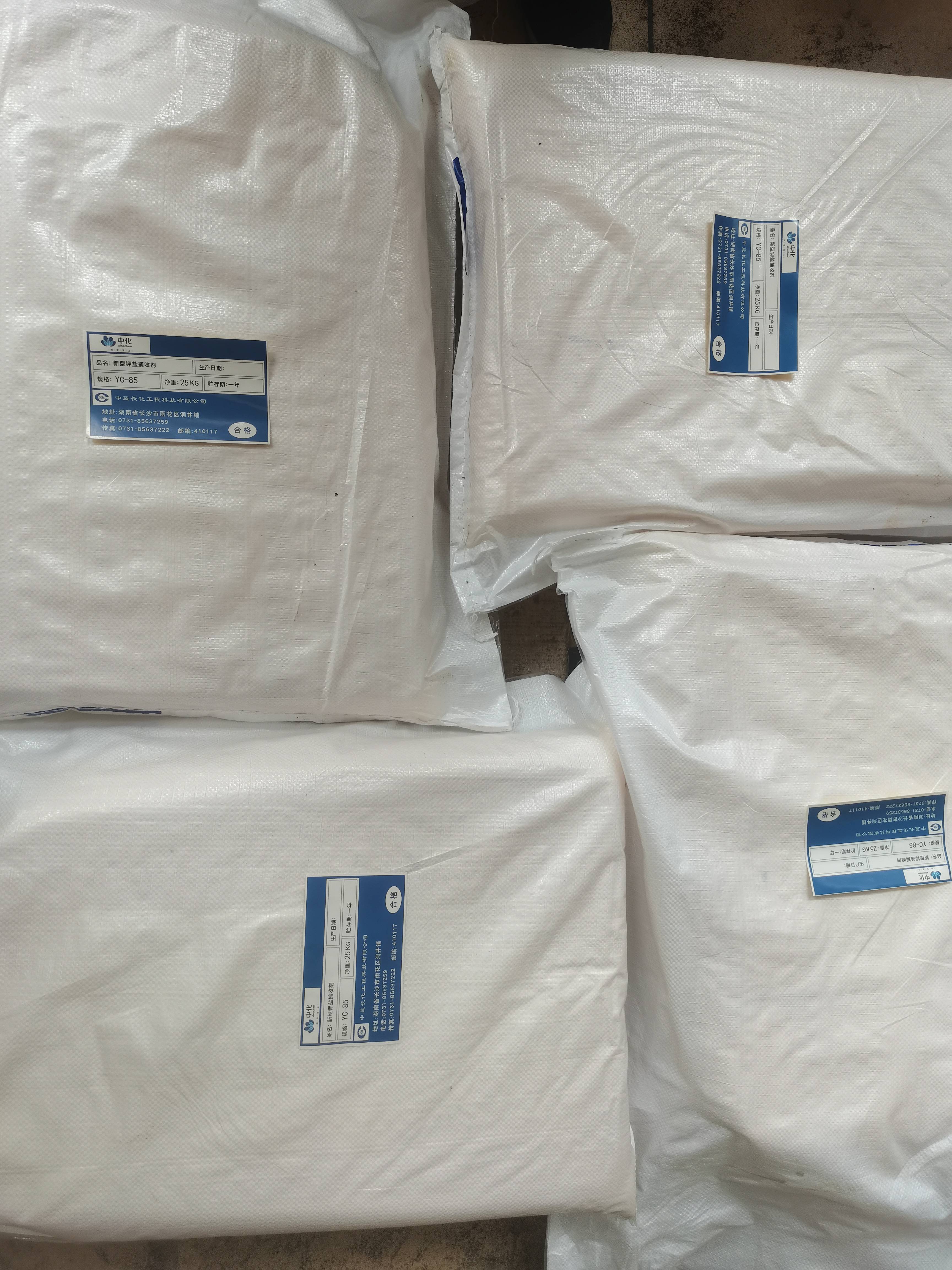
New Environmentally Friendly Green Potassium Salt Collector
Chonfar Engineering and Technology Co., Ltd.
Industrial and Commercial Point-Type Gas Detector
Jinan Benan Technology Development Co., Ltd.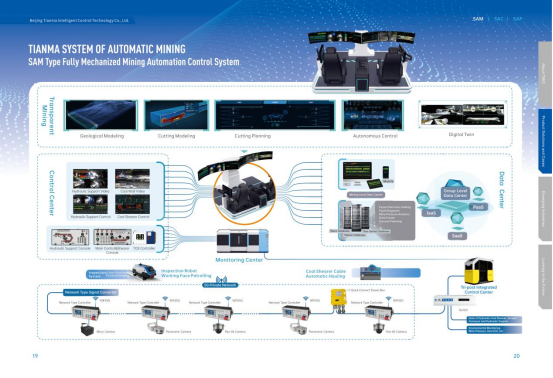
Comprehensive Mining Automation Control System
Beijing Tianma Intelligent Control Technology Co., Ltd.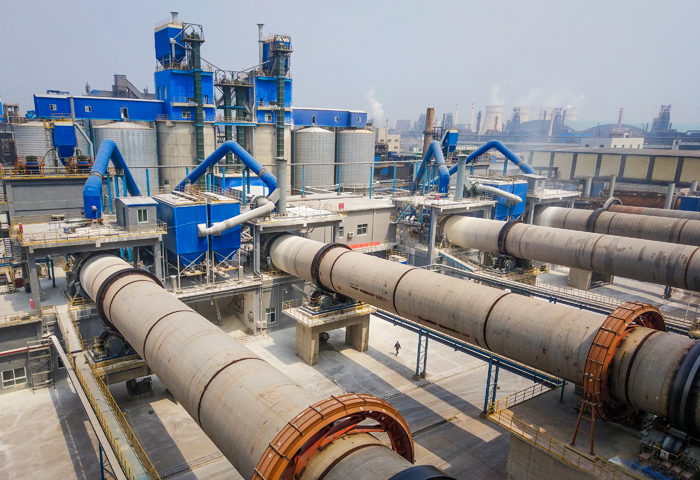
CITIC Heavy Industries Metallurgical Equipment Steel Smelting Engineering Equipment
CITIC Heavy Industries Co., Ltd.