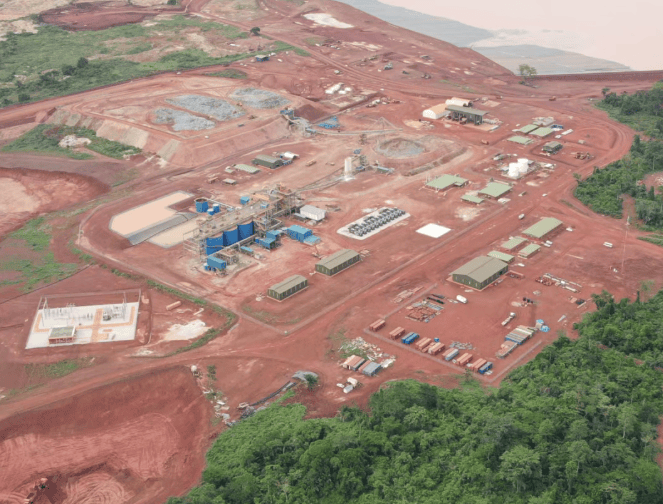
Zimbabwe's First-Quarter Chromium Output Plunges 61% Year-on-Year
en.Wedoany.com Reported - In the first quarter of 2026, Zimbabwe's chromium production plummeted 61% year-on-year to 178,425 metric tons, primarily due to the depletion of easily accessible alluvial chromium resources, forcing producers to shift to higher-cost hard rock mining. This data, released by Zimbabwe's Ministry of Mines and Mining Development, indicates that the country's chromium industry is facing structural challenges.
According to the latest data from the Ministry of Mines and Mining Development, chromium was one of the minerals with the largest production declines among the country's major minerals during the January to March period. During the reporting period, chromium output fell from 465,638 metric tons in the previous comparable period to 178,425 metric tons, a decline of 61%. Sheldon Lucas, Chairman of the Zimbabwe Chromium Miners Association, pointed out that the output contraction reflects the depletion of alluvial chromium deposits, which previously contributed the vast majority of the country's chromium production. He stated that alluvial chromium, which had previously accounted for most of the output, is now exhausted and will require a long time to be replenished through sedimentation.
Alluvial chromium has long been the backbone of Zimbabwe's chromium industry, especially for artisanal and small-scale miners. Unlike lumpy chromium produced from hard rock deposits, alluvial chromium exists in loose surface sediments and can be extracted using relatively simple, low-cost mining methods, allowing numerous small-scale miners to enter the industry with limited capital and equipment. However, as near-surface deposits gradually deplete, miners are increasingly turning to extracting lumpy chromium from hard rock deposits. This shift requires drilling, blasting, crushing, and a higher degree of mechanization, significantly raising production costs, which many small-scale miners find difficult to bear.
Lucas stated that under current market conditions, the economics of hard rock mining are becoming increasingly unsustainable. The cost of extracting lumpy chromium does not match the price, and due to the ore export ban, miners are vulnerable to predatory pricing by Chinese companies that own smelters. Zimbabwe bans the export of raw chromium ore to promote local beneficiation and encourage investment in domestic smelting. While this policy supports value-added processing, miners argue that the limited number of smelters reduces competition for ore, resulting in fewer buyers and weaker bargaining power for producers, even as the cost of mining lumpy chromium continues to rise.
Lucas suggested that increasing processing options for miners could help restore market balance, proposing the establishment of a state-owned smelter to toll-process chromium for miners. Under a toll-processing arrangement, miners pay a processing fee while retaining ownership of their chromium, allowing them to sell the processed product rather than raw ore at prices set by smelter operators. The Ministry of Mines stated that addressing the output contraction through targeted investments in mining infrastructure, energy supply, and operational efficiency is crucial for sustaining mining sector growth in the medium term. The latest production data indicates that Zimbabwe's chromium industry is entering a new phase, where maintaining output will increasingly depend on miners' ability to transition from easily mined alluvial deposits to capital-intensive hard rock operations, while securing prices that justify the higher extraction costs.
Related Products
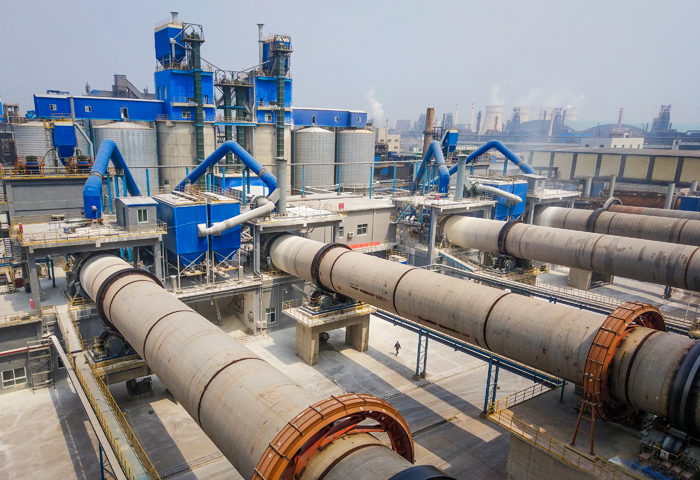

CITIC Heavy Industries Metallurgical Equipment Steel Smelting Engineering Equipment
CITIC Heavy Industries Co., Ltd.
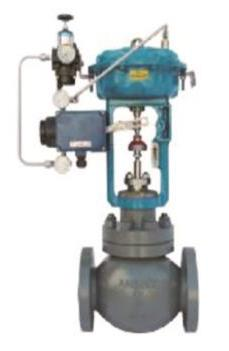
Quick-Change Single-Seat Control Valve / Quick-Change High-Pressure Single-Seat Control Valve
Beijing Consen Automation Technology Co., Ltd.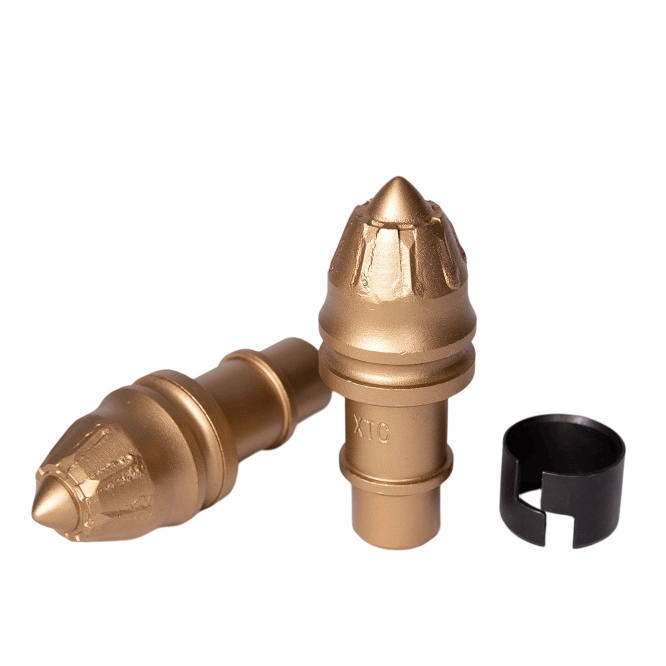
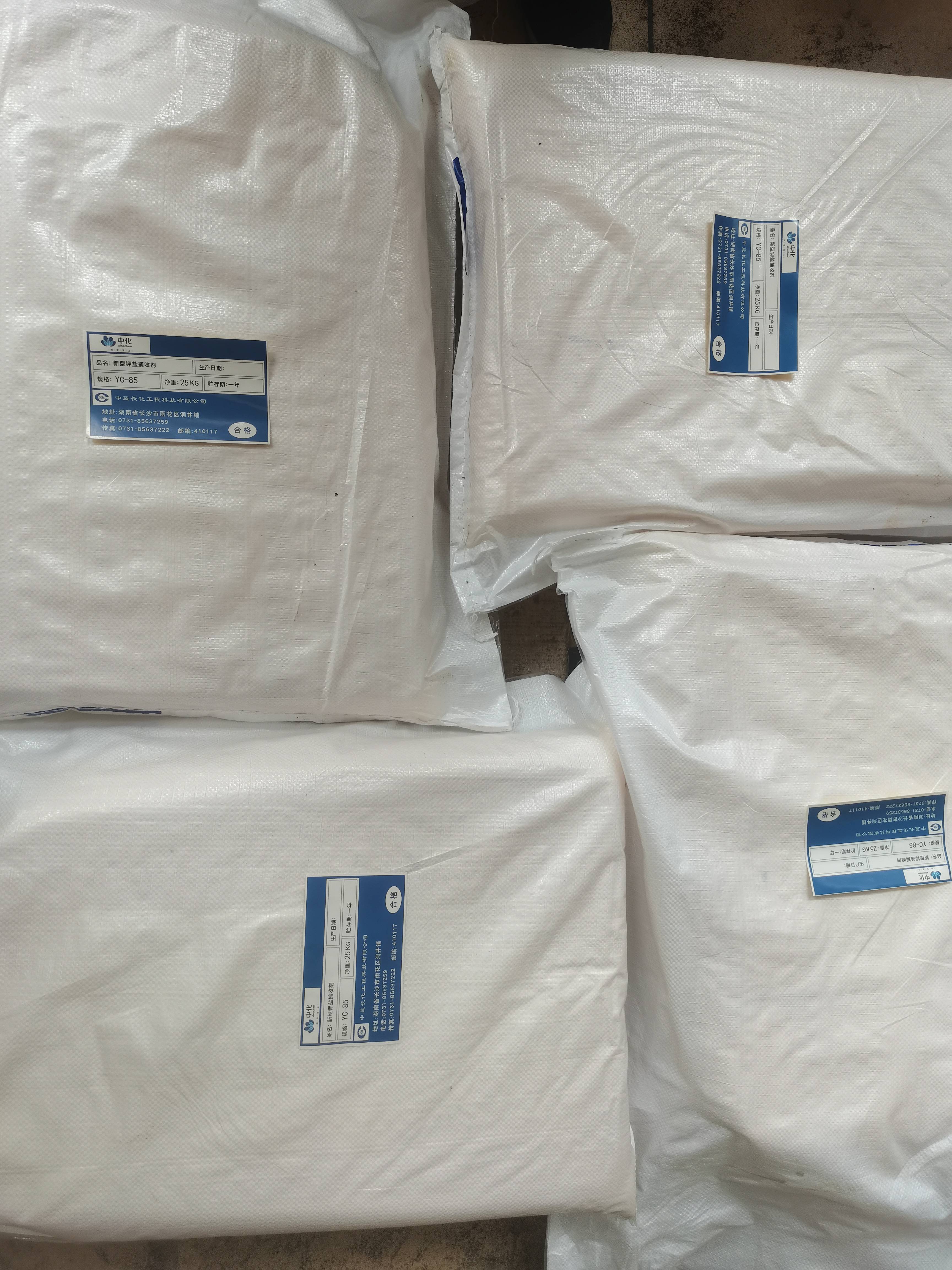
New Environmentally Friendly Green Potassium Salt Collector
Chonfar Engineering and Technology Co., Ltd.
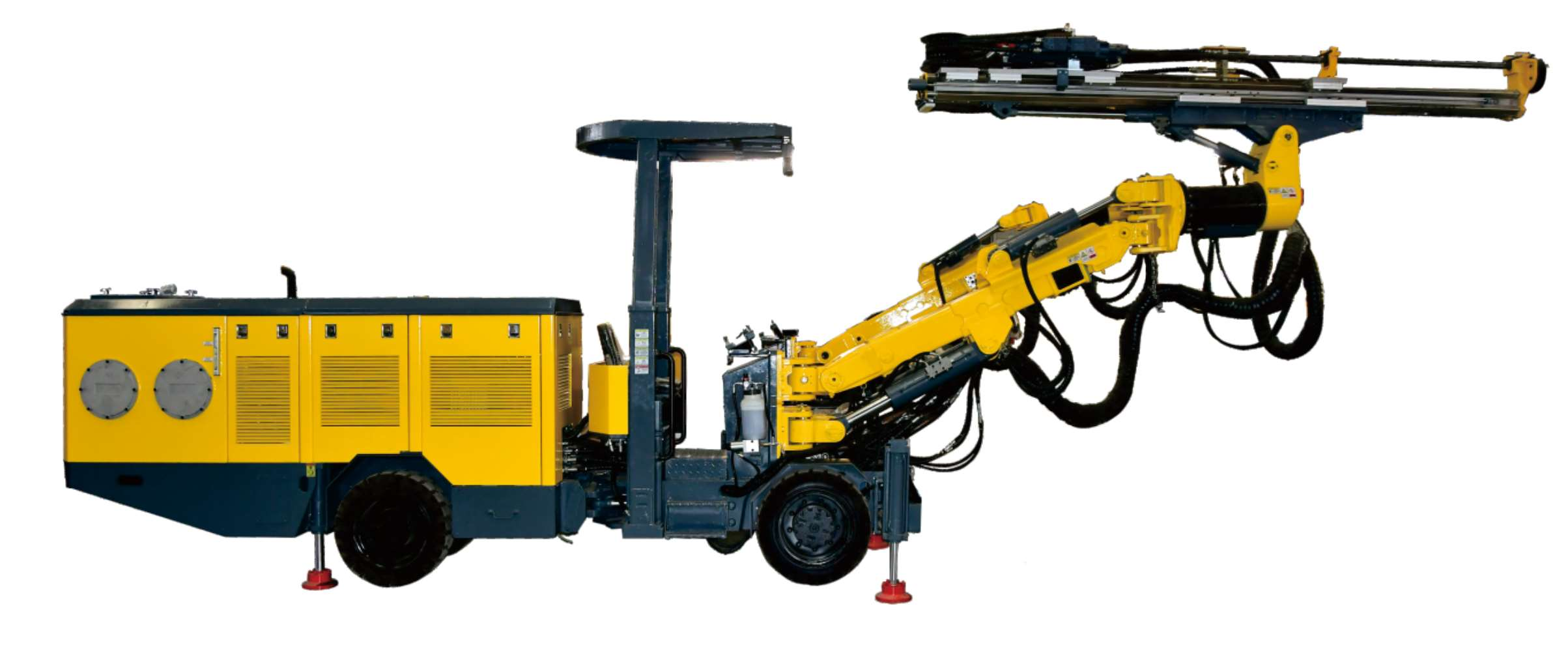
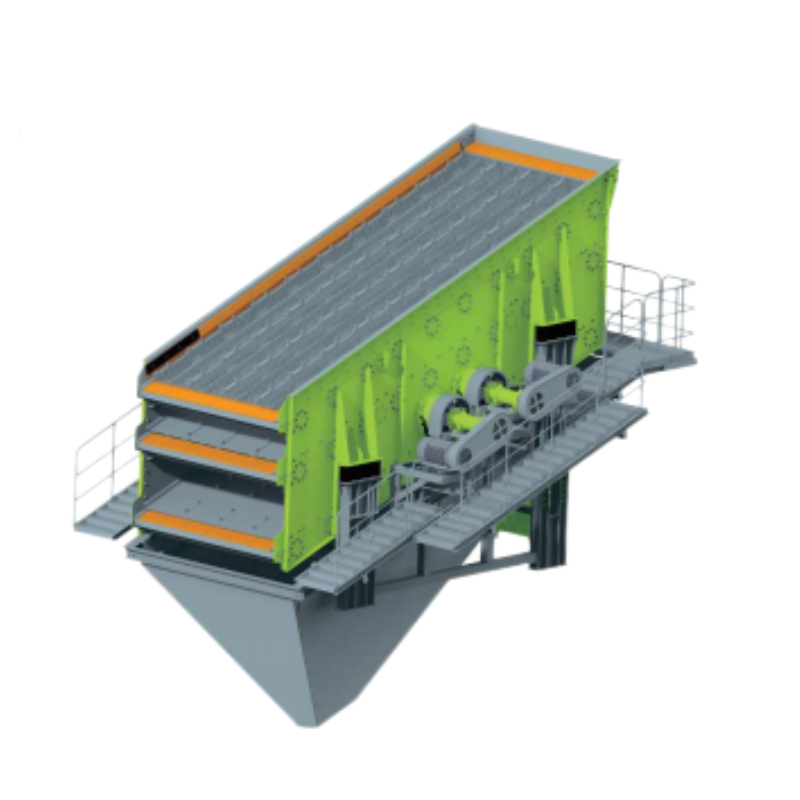
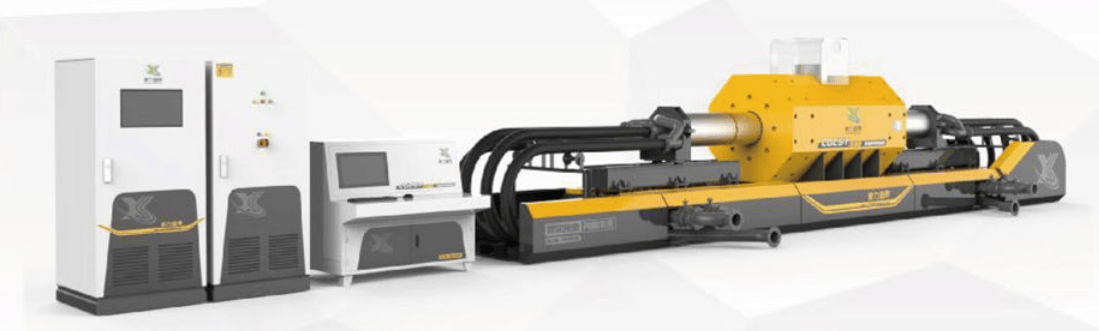
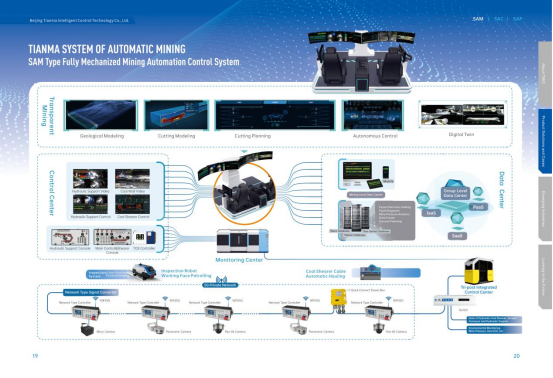
Comprehensive Mining Automation Control System
Beijing Tianma Intelligent Control Technology Co., Ltd.