Global Copper Supply Tightens, Prices May Rise with Fluctuations
en.Wedoany.com Reported - Copper prices have recently shown a volatile upward trend. Earlier, the market heavily bet on the Federal Reserve raising interest rates this year, driving the US dollar index to strengthen continuously, which suppressed copper prices. The main contract of Shanghai copper once fell to around 100,000 yuan per ton. Copper's own fundamentals remain resilient, with the tight supply of ore unchanged. Although downstream is in the traditional off-season, the willingness to replenish inventories at low prices is strong, limiting the downside for copper prices. Last week, Fed Chairman Walsh's speech leaned dovish, and the US non-farm payroll data for May fell short of expectations. The market lowered the probability of a Fed rate hike, the US dollar index declined, macro pressure eased, boosting copper prices to rebound with fluctuations.
On the supply side, the growth rate of refined copper production will converge with that of raw materials, with the tight raw material situation continuously transmitting to the smelting end. In the first half of the year, Chinese smelters benefited from high profits from sulfuric acid, with substantial profitability, and refined copper production grew by 6% year-on-year. However, this trend will shift in the second half. Raw material supply continues to tighten. As of July 3, processing fees for blister copper in the southern and northern regions fell to 900 yuan/ton and 800 yuan/ton, respectively, hitting historical lows. Due to China's tax invoice issues and the narrowing price spread between refined copper and scrap copper, the supply of invoiced recycled copper in China remains persistently tight, constraining the production of blister copper from scrap, and the tight supply of cold materials continues. The tight supply of copper concentrate has intensified. As of July 3, the spot index for imported copper concentrate in China dropped to -128 USD/ton. Data from the International Copper Study Group (ICSG) shows that from January to April, global copper mine supply fell by 1.2% year-on-year. Due to lower-than-expected production releases from the Kamoa mine, Grasberg mine, and the second phase of the Mirador mine, as well as a 100,000-ton reduction in Chilean copper mine output, the global copper mine increment in 2026 may be revised down to 260,000 tons. On the smelting side, following intensive commissioning of overseas smelting projects last year, China added 300,000 tons of new blister copper capacity in July. The increase in copper mine supply cannot match the pace of smelting capacity expansion, maintaining a seller's market for copper concentrate. Smelter profits are gradually shrinking. Based on current spot treatment charges (TC) for copper concentrate, the total smelting revenue from spot copper concentrate has fallen to zero. Based on the 2026 annual long-term contract TC, the smelting profit from long-term contract copper concentrate still exceeds 5,000 yuan/ton. Last week, Chilean miner Antofagasta completed mid-2026 long-term contract negotiations for copper concentrate with China's core copper smelters, abandoning the traditional fixed processing fee pricing model for the first time. They adopted a "backup pricing agreement" linked to the spot market index with a minimum guaranteed price. This change in the long-term contract pricing model directly compresses smelter profits. Overall, affected by raw material shortages and shrinking production profits, Chinese smelters' production enthusiasm is expected to decline, with a turning point in refined copper production looming.
On the demand side, the current period is the traditional seasonal off-season, with overall low operating rates for copper processing enterprises. In June, the average operating rate of Chinese copper processing enterprises was 62.97%, down 0.37 percentage points month-on-month and 0.11 percentage points year-on-year. By category, the operating rate for electrolytic copper rod enterprises was 68.71%, up 1.16 percentage points month-on-month and 1.42 percentage points year-on-year; for copper tube enterprises, it was 68.89%, down 3.37 percentage points month-on-month and 4.76 percentage points year-on-year; for brass rod enterprises, it was 46.09%, down 3.18 percentage points month-on-month and 0.06 percentage points year-on-year; for copper strip enterprises, it was 74.97%, down 1.58 percentage points month-on-month and up 7.53 percentage points year-on-year; for copper foil enterprises, it was 91.48%, up 1.17 percentage points month-on-month and 16.7 percentage points year-on-year. From the detailed data, the copper foil industry performed strongly, with high prosperity in the AI and lithium battery industries continuing to drive demand growth. The copper tube industry performed weakly, dragging down the overall operating rate of copper processing. Recently, high temperatures in Europe have prompted Chinese air conditioner manufacturers to rush replenishment, bringing new demand to the upstream copper tube sector. Overall, the previously weak copper tube industry is seeing marginal improvements, and off-season demand may exceed expectations.
On the inventory side, China's off-season destocking continues, confirming downstream demand support. Recently, China's social copper inventory fell back below 200,000 tons, showing a slight destocking trend. Lower copper prices continue to stimulate downstream purchasing at low levels. Since May 11, the LME market has been destocking, with Asia destocking 39,450 tons, North America 26,425 tons, and Europe 15,225 tons. In Asia, benefiting from the opening of China's import window for copper, LME inventories continue to flow to China. In North America, driven by the high price spread between COMEX copper and LME copper, LME inventories continue to shift to COMEX. Currently, COMEX inventories have climbed to 606,000 tons, and with the US copper tariff ruling still pending, the trend of global copper supplies moving to COMEX will continue. At present, global total copper inventories are at a high level, with COMEX accounting for 52%. This portion of inventory is difficult to return to non-US regions, creating a pattern of "high total inventories, structural shortages in non-US regions" in the global copper market. Overall, the fundamental support for the copper market is strong. On the supply side, a turning point in refined copper production is looming, the inversion of copper concentrate processing fees is worsening, blister copper processing fees have fallen to historical lows, and the tight raw material situation is intensifying. Coupled with changes in the long-term contract pricing model for copper concentrate compressing smelting profits, smelters' production enthusiasm may continue to decline. On the demand side, the off-season is not weak. In June, the operating rate of copper foil enterprises hit a record high, with strong demand from the AI and lithium battery sectors. The previously weak copper tube sector saw marginal improvements in July, with European high temperatures driving a surge in Chinese air conditioner export demand. Currently, global total copper inventories exceed 1.1 million tons, but 52% is locked in the COMEX market, with low inventories in non-US regions. Against the backdrop of weakening supply and resilient demand, regional low inventories provide strong support for copper prices. Additionally, expectations of a Fed rate hike have cooled, the US dollar index is declining, and macro pressure has eased. Copper prices are likely to continue their volatile upward trend going forward.
Related Products


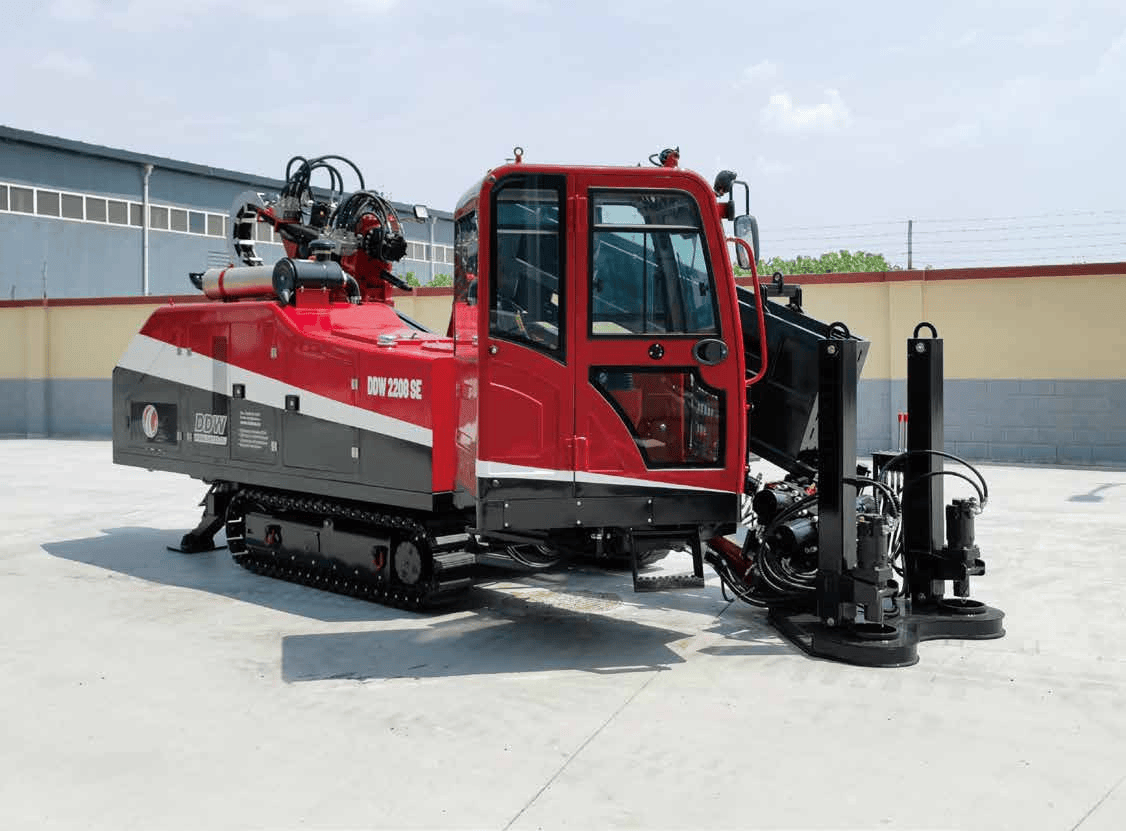
DDW22/08SE-HORIZONTAL DIRECTIONAL DRILL
DW/TXS Construction Equipment (Beijing) Co., Ltd.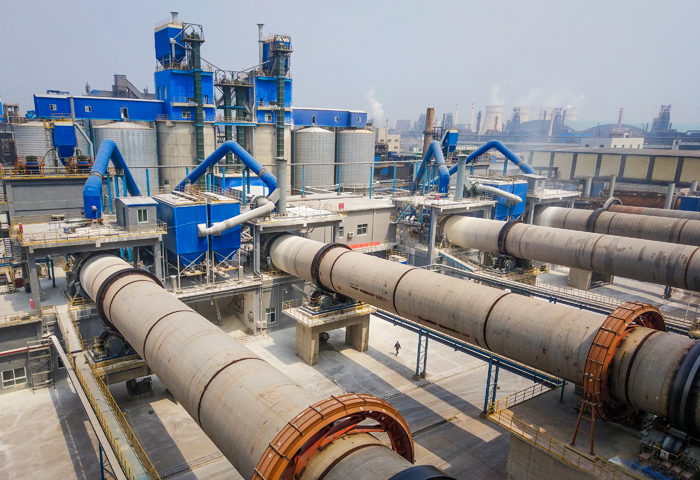
CITIC Heavy Industries Metallurgical Equipment Steel Smelting Engineering Equipment
CITIC Heavy Industries Co., Ltd.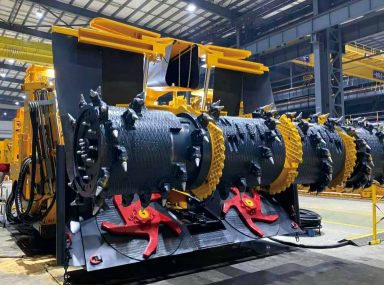
Integrated Excavation and Anchoring Machine (EJM Series)
China Railway Construction Heavy Industry Corporation Limited
Linyi Steel Investment Special Steel 2.7 Million Tons per Year High-quality Special Steel Project
Capital Engineering & Research Incorporation Limited

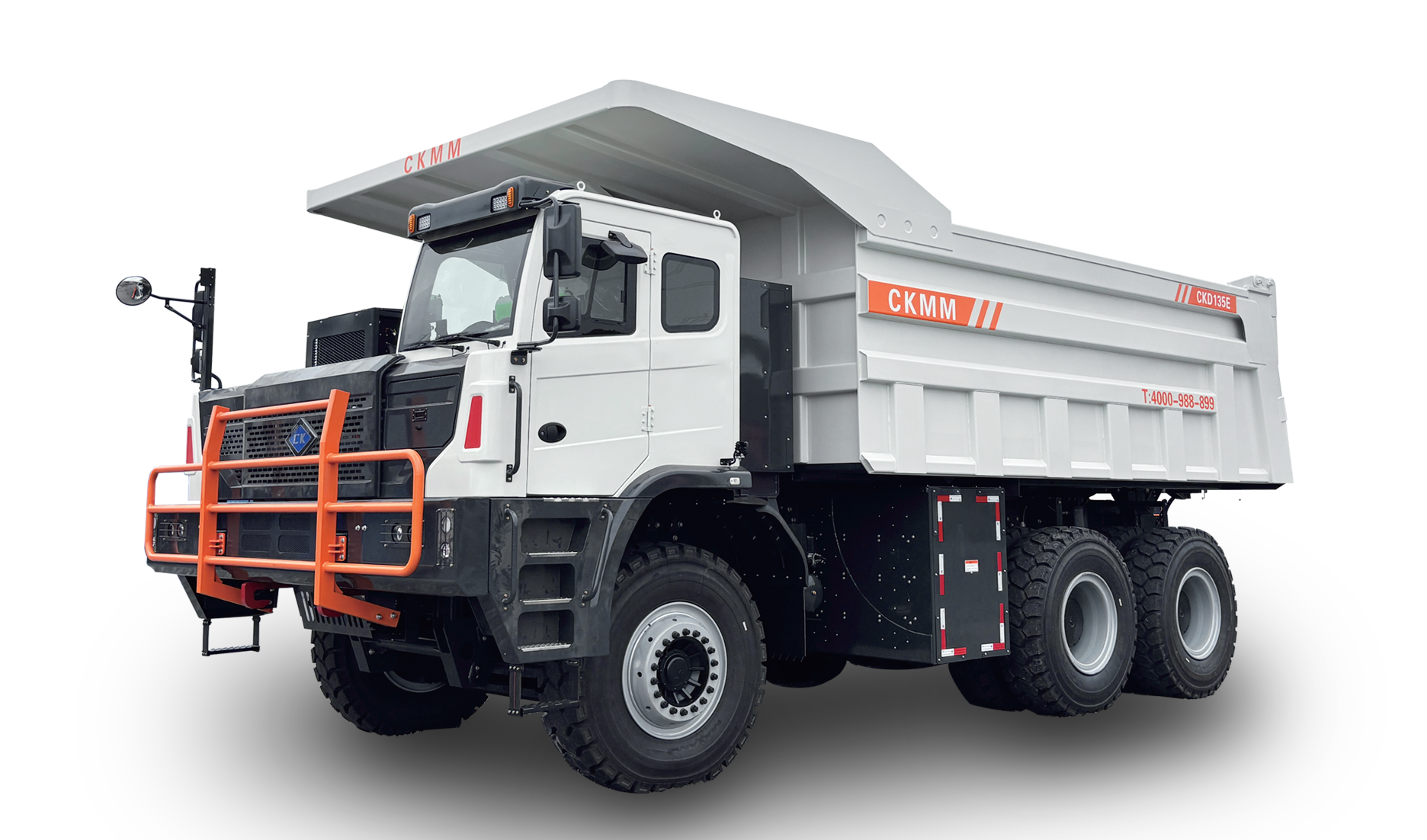
CKD135E Pure Electric Wide-body Dump Truck
Jiangsu Changkuang Engineering Machinery Co. Ltd.
Quick-Change Single-Seat Control Valve / Quick-Change High-Pressure Single-Seat Control Valve
Beijing Consen Automation Technology Co., Ltd.