South Dakota's Riparian Buffer Initiative Covers 379 Miles of Shoreline
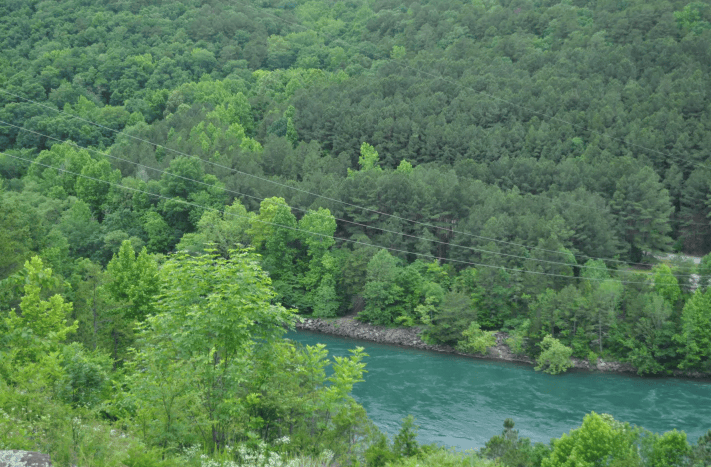
en.Wedoany.com Reported - South Dakota's riparian buffer initiative has covered 379 miles of shoreline across the state, with 130 buffer projects implemented and more landowners waiting to join. The program pays landowners to plant vegetation along streams, aiming to reduce erosion, filter pollutants, and improve wildlife habitat.
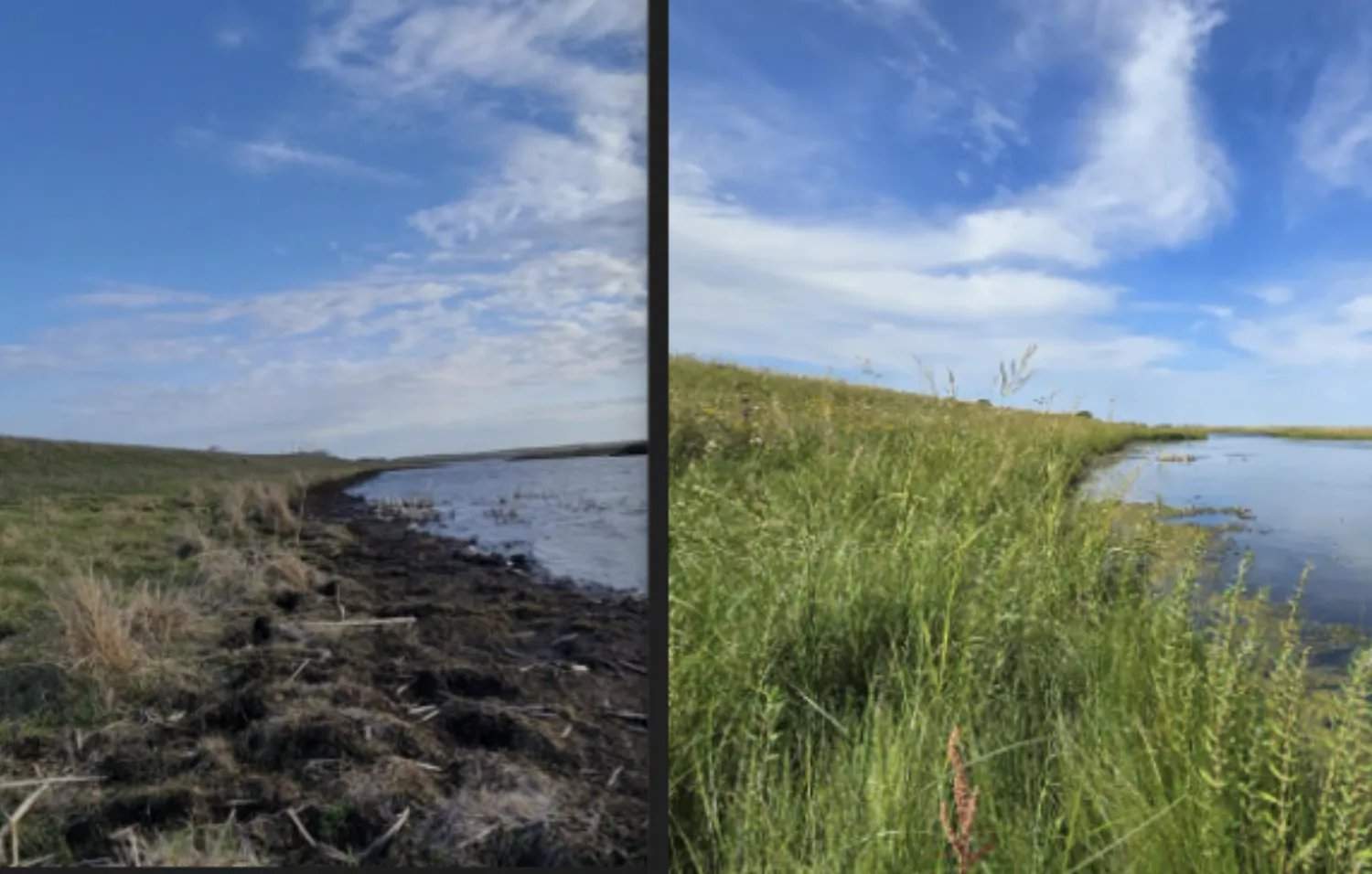
The program is managed by the Department of Agriculture and Natural Resources. Dan Nelson, a private land habitat biologist with the department, explained that the program pays landowners to establish grass buffers along eligible waterways, allowing continued agricultural use. However, landowners cannot allow cattle into enrolled parcels from May 1 to September 30, and cannot mow or bale hay from May 1 to August 1.
Currently, 130 projects are located along 118 streams, primarily in the Big Sioux River watershed, as well as 19 lakes, covering a total enrolled area of 3,984 acres. Buffer contracts last 10 years, with a minimum buffer width of 50 feet. Nelson said that while annual enrollment data is not provided, interest is strong, with "many projects" awaiting approval.
The legislature created the Riparian Buffer Initiative in 2021 as a voluntary effort to reduce agricultural runoff into rivers and streams, particularly the Big Sioux River flowing through Sioux Falls. The program initially had few participants, with only 35 projects by the end of 2024. Enrollment accelerated after the state increased payment amounts. Currently, the state pays 250% of the average annual rental rate for one acre of farmland in the county, with the entire 10-year payment made upfront, covering most of the costs of establishing the buffer.
At a meeting on Friday, Nelson presented an erosion case. The case showed that a piece of land that had returned to row crop production after joining a conservation program suffered severe erosion, with water forming a gully about 25 feet deep, carrying soil downstream.
In terms of mitigating goose damage, another project used buffers to separate farmland from waterways. During the summer molting season, Canada geese gather near waterways, and the buffers make it harder for the birds to access farmland for foraging. The Canada goose problem in eastern South Dakota is worsening, with wildlife officials receiving 358 assistance requests this year and installing 409 temporary electric fences to protect crops. Tom Kirschenmann, the department's wildlife director, said the work costs more than $300,000 annually.
Related Products

Mineral-insulated Compact Busway (Fire-resistant Busduct)
Zhuhai Guangle Electric Busway Co., Ltd.
IGBT Hydrogen Production Power Supply - High Power Air Cooling
Beijing Zhengzhuo Engineering Technology Co., Ltd.


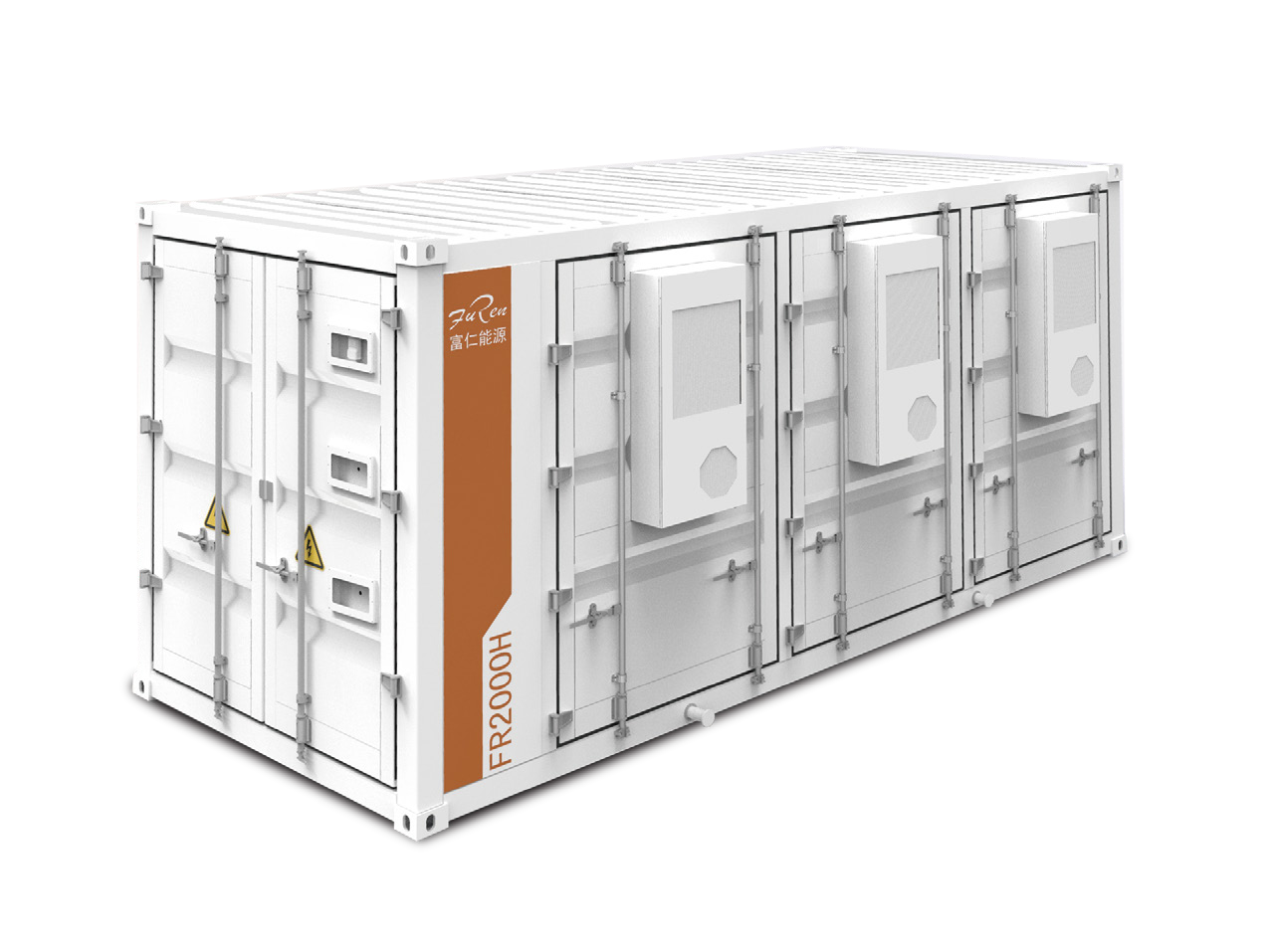
FR2000H 2.15MWh (Air-cooled) 20-foot Containerized Energy Storage System
Jiangyin Furen High-tech Co., Ltd.
KYN28-12/24 Indoor High-Voltage Metal-Clad Removable Switchgear
Shenzhen Zhaoyang Hui Technology Co., Ltd.