India Advances Graphite Exploration in Arunachal Pradesh, Aiming for Battery-Grade Supply
en.Wedoany.com Reported - India is advancing graphite exploration plans in the northeastern state of Arunachal Pradesh, where young villagers are mobilizing to persuade elders that mining projects could bring jobs to the region. The state holds over a third of India's graphite reserves and is also a territory disputed with China. The Indian government is striving to position the country as a major producer of battery-grade graphite to meet the demand from large-scale deployment of electric vehicles and power storage.
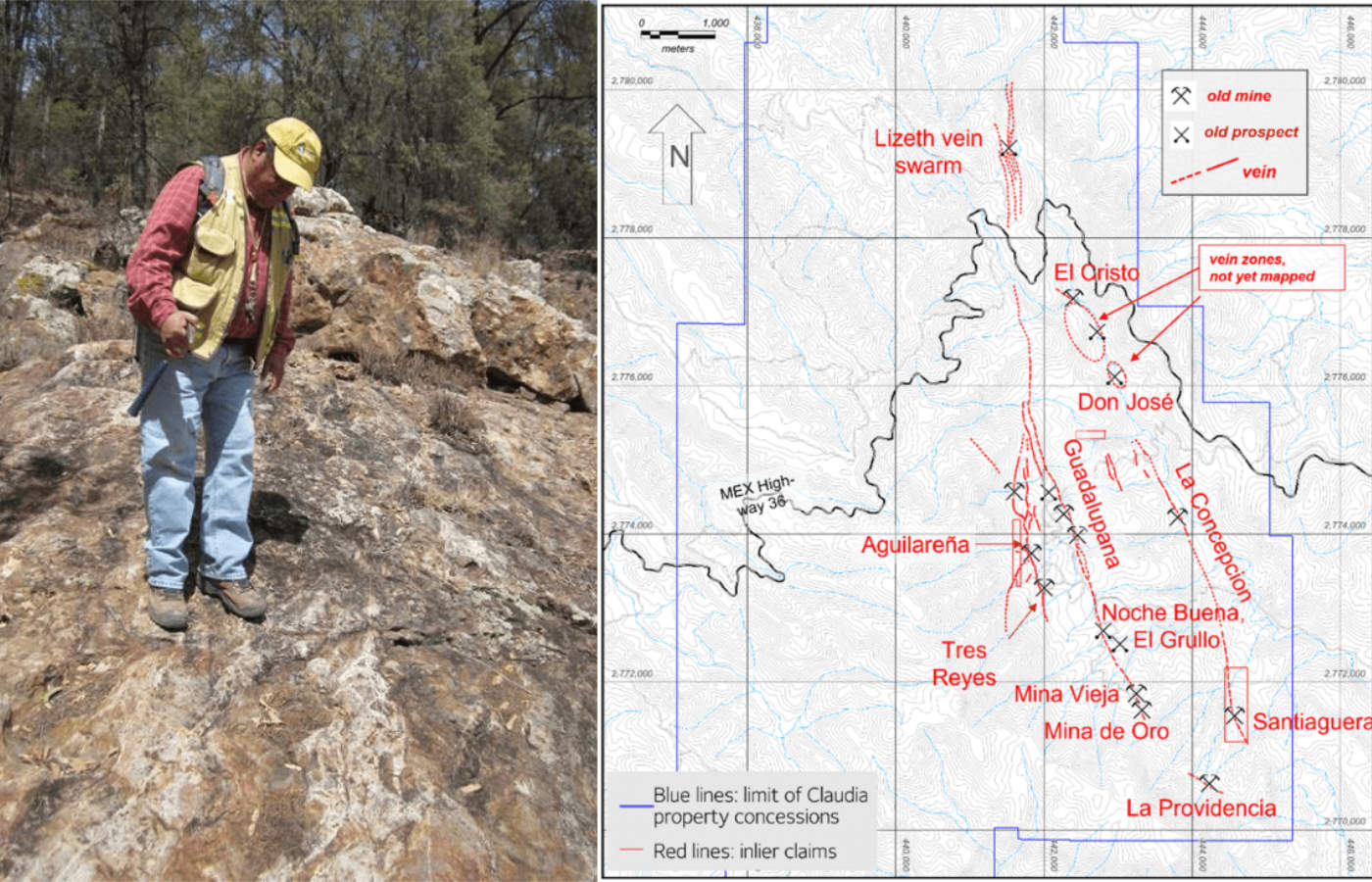
Gollo Doni, a farmer and secretary of the local youth association, said young people in the village migrate to cities for work, and having employment closer to home is a better option. Doni and several members in their 20s have held multiple meetings with representatives of Oil India Limited (OIL), a state-owned enterprise exploring graphite and vanadium reserves in the region.
According to data from the International Energy Agency, an average electric vehicle contains about 60 kilograms of graphite anode material. Currently, the graphite supply chain is heavily dominated by China, which produces about 80% of the world's natural graphite and controls over 90% of global refining capacity. As Western countries seek to reduce dependence on China, India's graphite reserves and other minerals critical to the clean energy transition have drawn the attention of various governments. Germany signed a critical minerals partnership agreement in January.
India's plans to boost critical mineral output still face obstacles. India has set a target for 30% of new car sales to be electric by 2030. According to S&P Global Mobility, driven by growth in two- and three-wheelers, demand for lithium batteries for electric vehicles in India is expected to surge nearly 35-fold between 2023 and 2035. Although domestic EV battery manufacturing is expanding, the industry remains in its early stages, and India relies heavily on imports from China, South Korea, and Japan.
India aims to initiate graphite processing to convert its mineral reserves into higher-value battery-grade supply. Kaira Rakheja, a South Asia energy analyst at the Institute for Energy Economics and Financial Analysis (IEEFA), said exploration is already underway, and the next step should be to begin discussions on developing processing facilities, including support from foreign partners.
India's graphite reserves are primarily low-grade, making processing for battery anodes more complex. Aditya Ramji, director of the Global South Clean Transportation Centre at the University of California, Davis, noted that India is not a major player in the market and has already missed opportunities. Tana Tage, director of the Centre for the Earth Sciences and Himalayan Studies, a local partner of OIL holding a 10% stake in the Phop project, said that while exploration is ongoing at several sites in Arunachal Pradesh and some locations in eastern and southern India, production will take at least two years to begin.
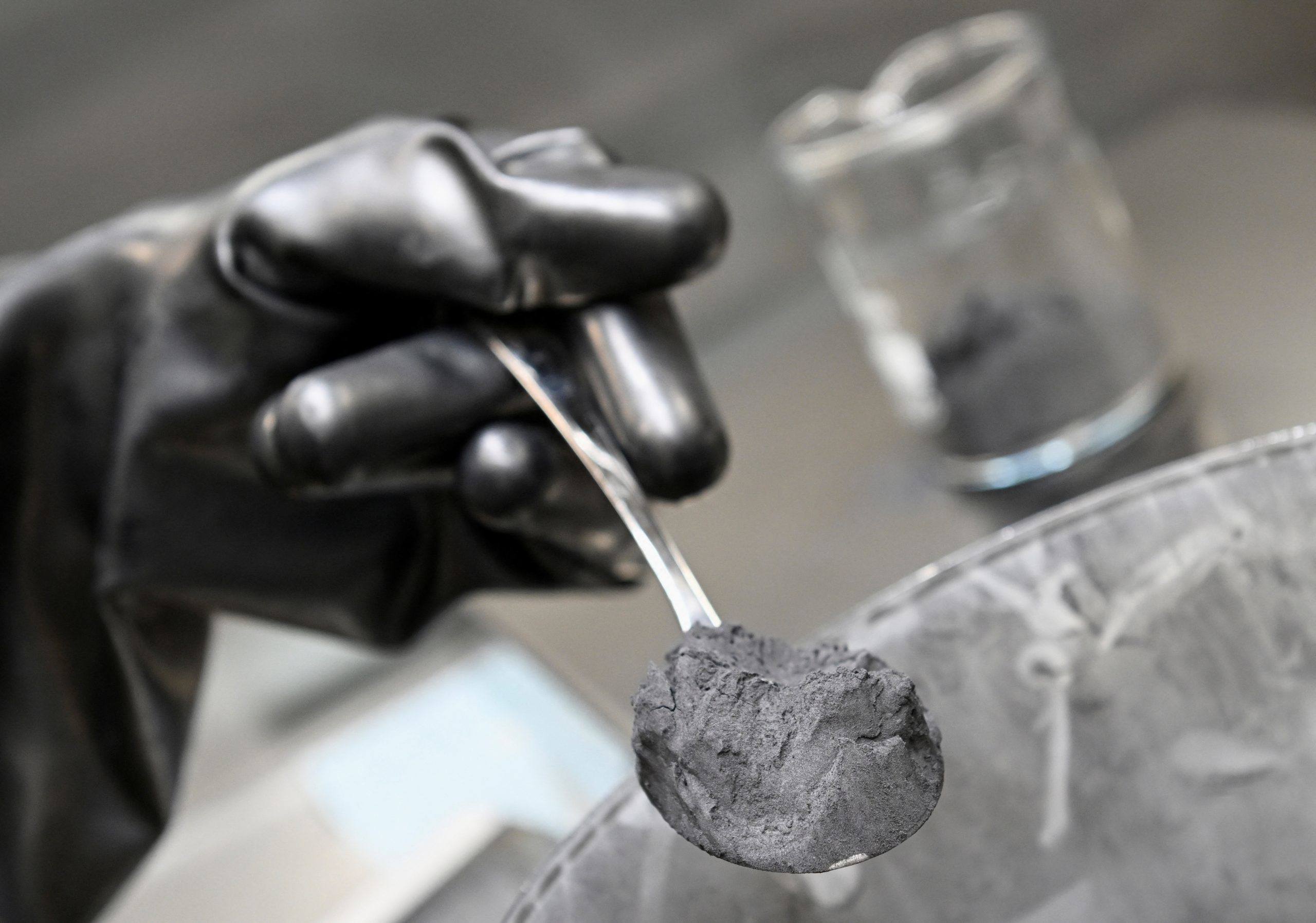
Despite the challenges, industry experts say India could benefit from efforts to find sources of battery graphite outside China. Rishabh Jain, a researcher at the New Delhi-based think tank Council on Energy, Environment and Water, stated that India cannot beat China in graphite but can still carve out a space for itself in trade, as all parties seek diversified channels.
The Indian government hopes a bilateral memorandum of understanding signed with Germany will help. In addition to committing to cooperation in critical mineral exploration, the statement envisions exchanging know-how to add value through processing and recycling, promoting investment, and enhancing supply chain resilience in both countries. A German government spokesperson on energy strategy said India and Germany will work together to strengthen supply chains in the critical minerals sector and encourage companies to establish links in knowledge sharing, offtake agreements, and investment. Rakheja noted that Germany is already supporting several domestic projects focused on converting graphite into battery anode materials, and this experience could potentially be shared with India.
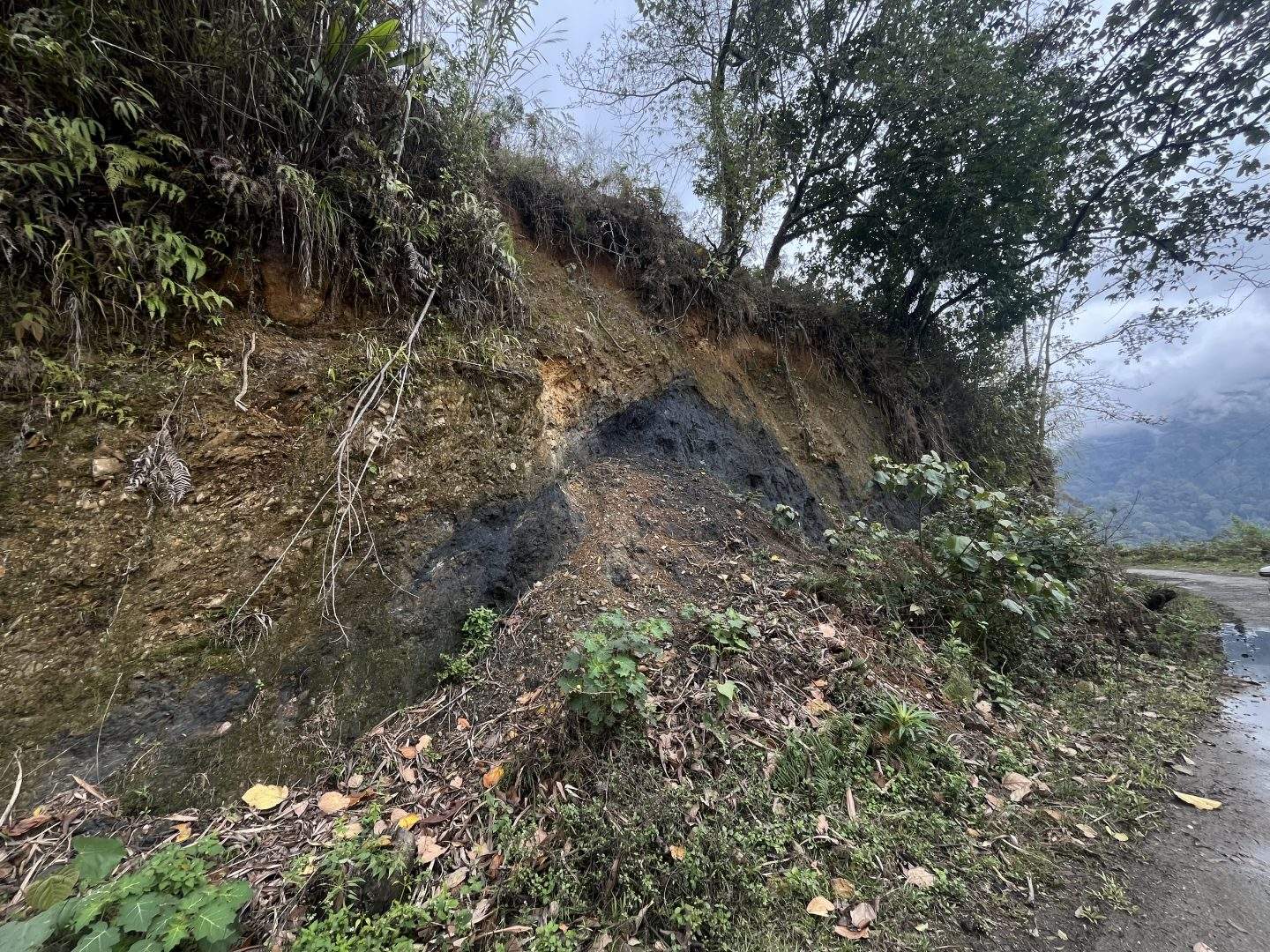
Svenja Schöneich, a senior advisor at the non-governmental organization Germanwatch, said the memorandum of understanding is "a good start" but lacks sufficient detail on how to add value to India's critical mineral resources. She pointed out that the partner document should address local value creation and consider that it is not truly possible to bypass processing through China.
India has also implemented several policy measures to secure critical mineral supplies, such as signing preferential trade agreements. Last year, India's graphite was granted zero-tariff access to the United States, while U.S. tariffs on Chinese graphite imports climbed to 160%. The Indian government's national budget announced in February included a series of fiscal measures aimed at kickstarting a domestic mineral processing program, with specific details expected in the coming months. These measures include tariff exemptions on critical mineral inputs, increased tax deductions for exploration, and an allocation of $1.87 billion to build domestic battery manufacturing capacity. Jain said progress on new mining projects is crucial.
The Arunachal Pradesh government has called for simplified environmental permitting processes for graphite projects, construction of new infrastructure, and reforms to avoid legal disputes. Doni, the local youth association secretary, said that while residents have not opposed OIL's initial exploration permits, larger issues may arise in the future. Tage stated that if the project proceeds, up to 3,000 people could eventually be displaced, raising questions about whether economic benefits will outweigh social and environmental costs.
Related Products
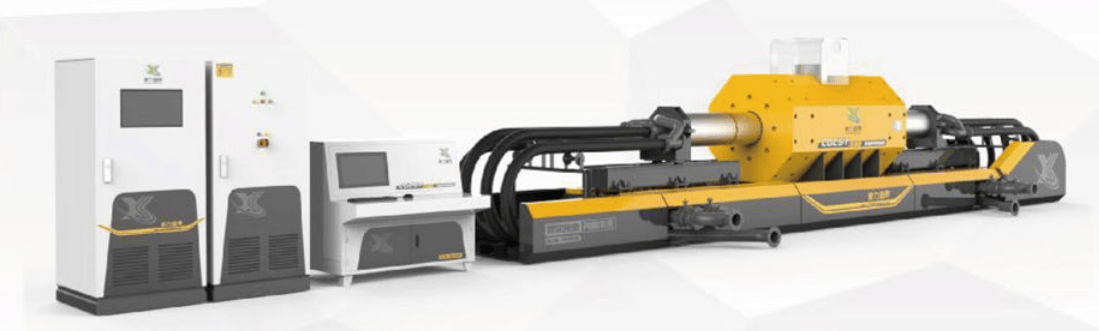

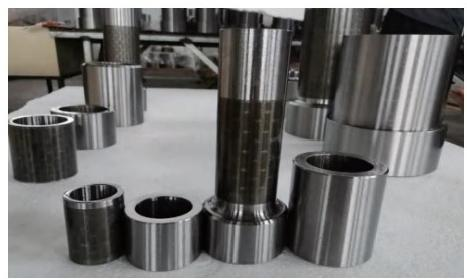
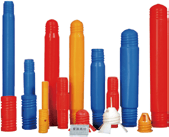
High-temperature Equal Wall Thickness High-power Screw Drilling Tool
Orient Energy & Technologies Co., Ltd.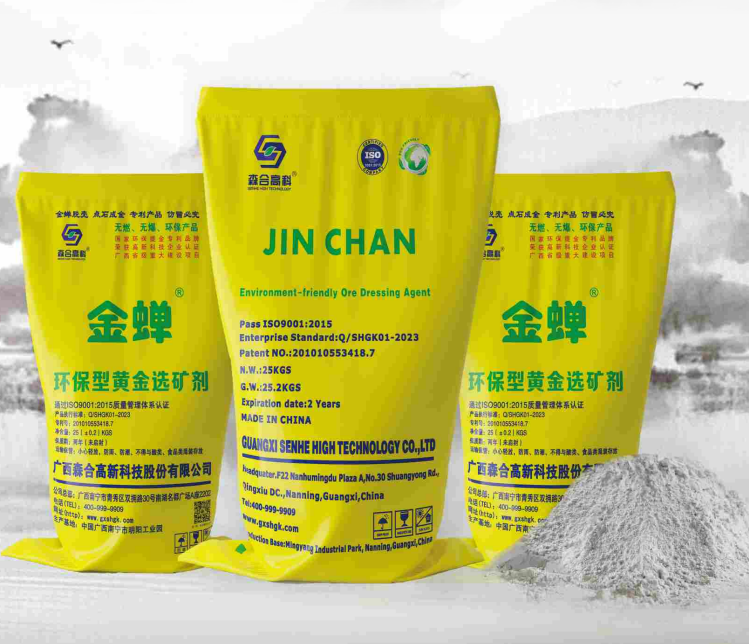

Comprehensive Mining Automation Control System
Beijing Tianma Intelligent Control Technology Co., Ltd.
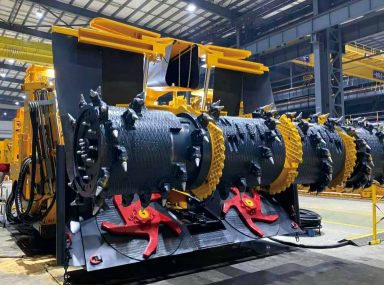
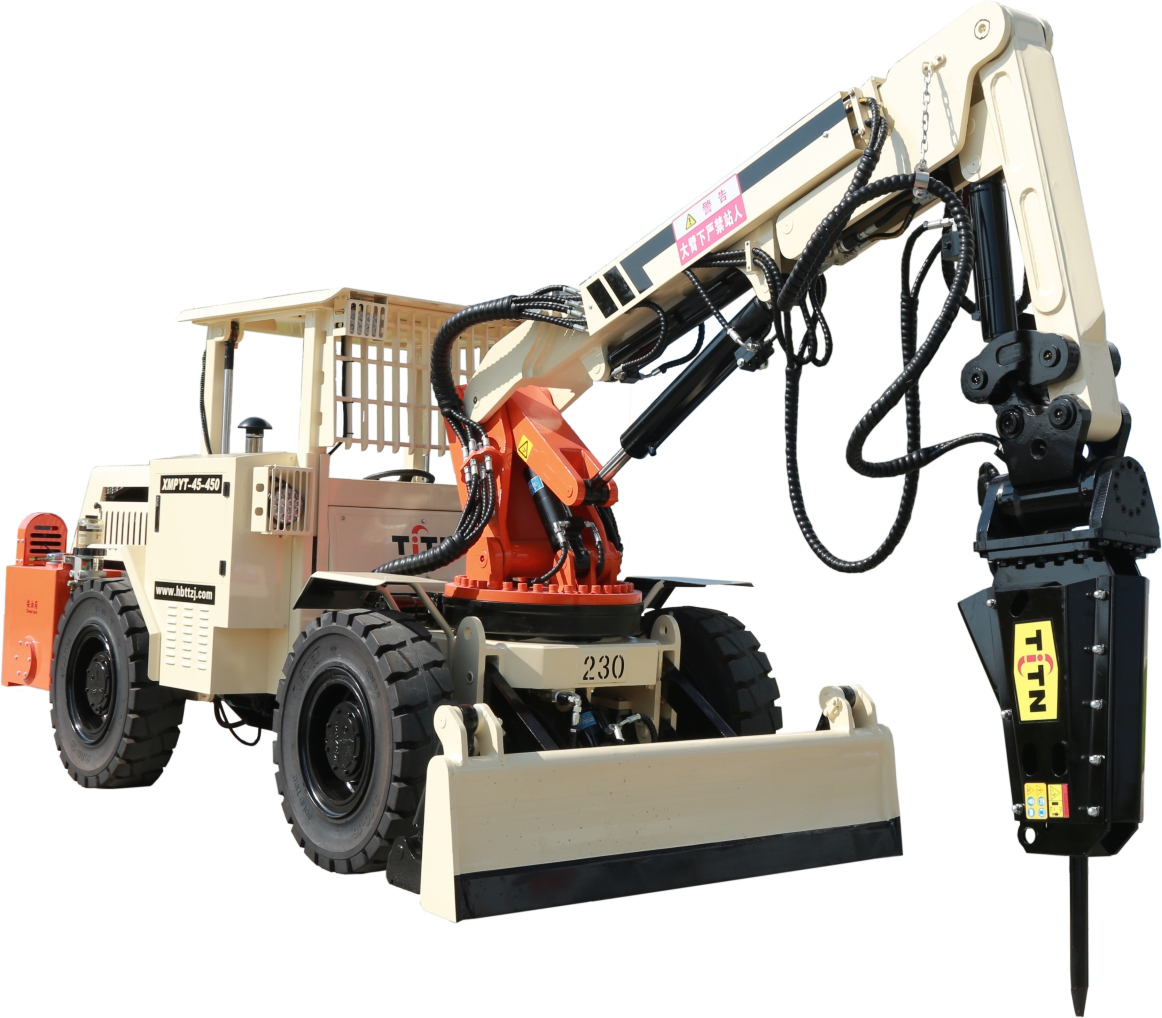
Integrated Excavation and Anchoring Machine (EJM Series)
China Railway Construction Heavy Industry Corporation Limited
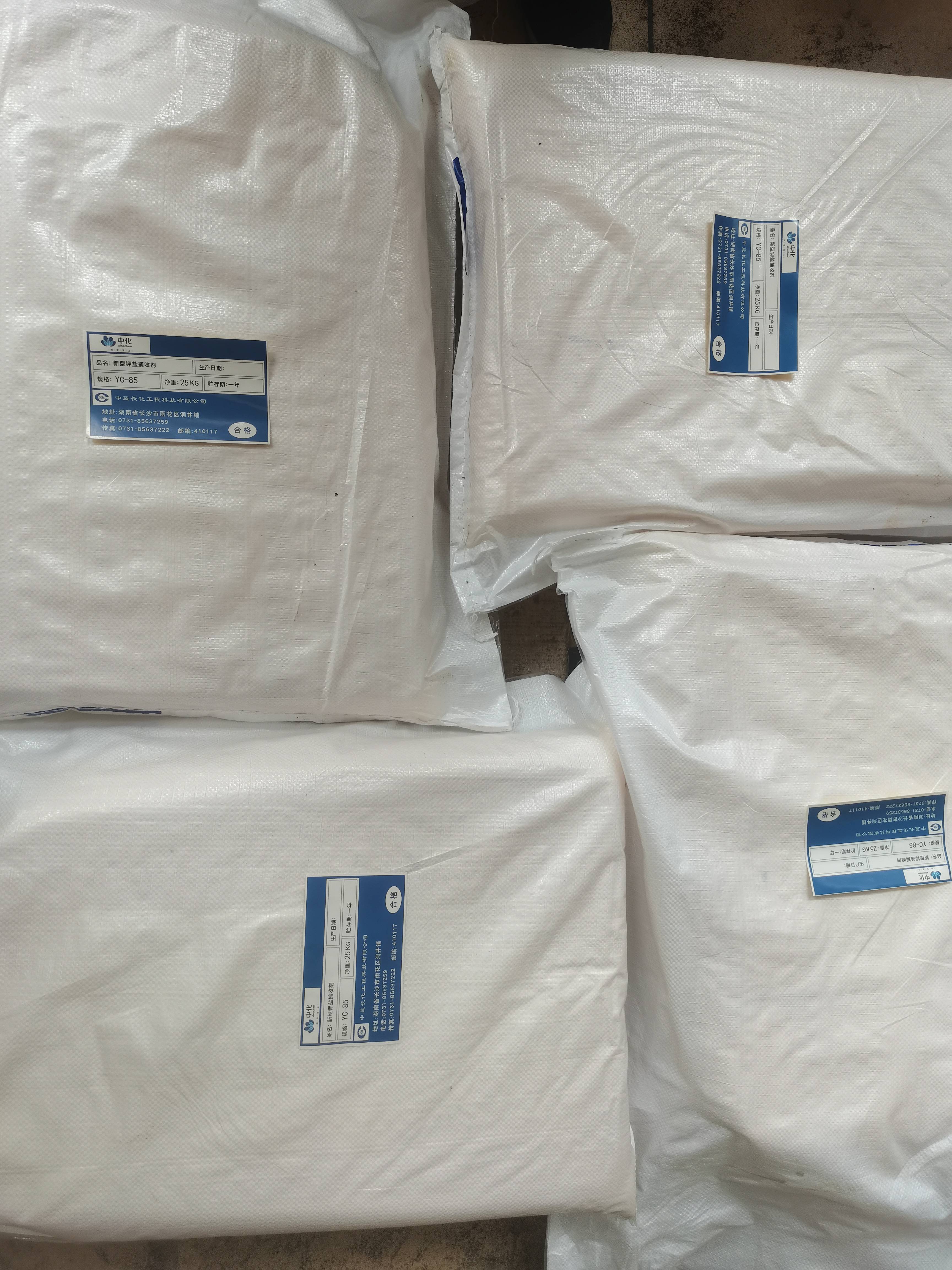
New Environmentally Friendly Green Potassium Salt Collector
Chonfar Engineering and Technology Co., Ltd.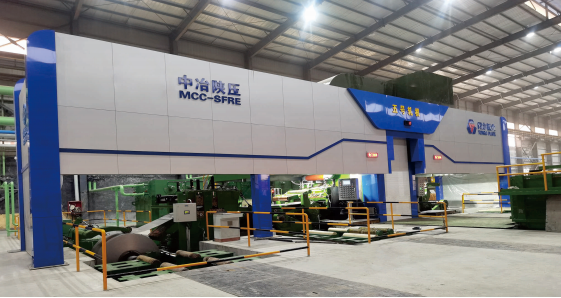
1050-1750mm Steel Strip Single-stand Reversible Cold Rolling Production Line
MCC-SFRE HEAVY INDUSTRY EQUIPMENT CO., LTD.