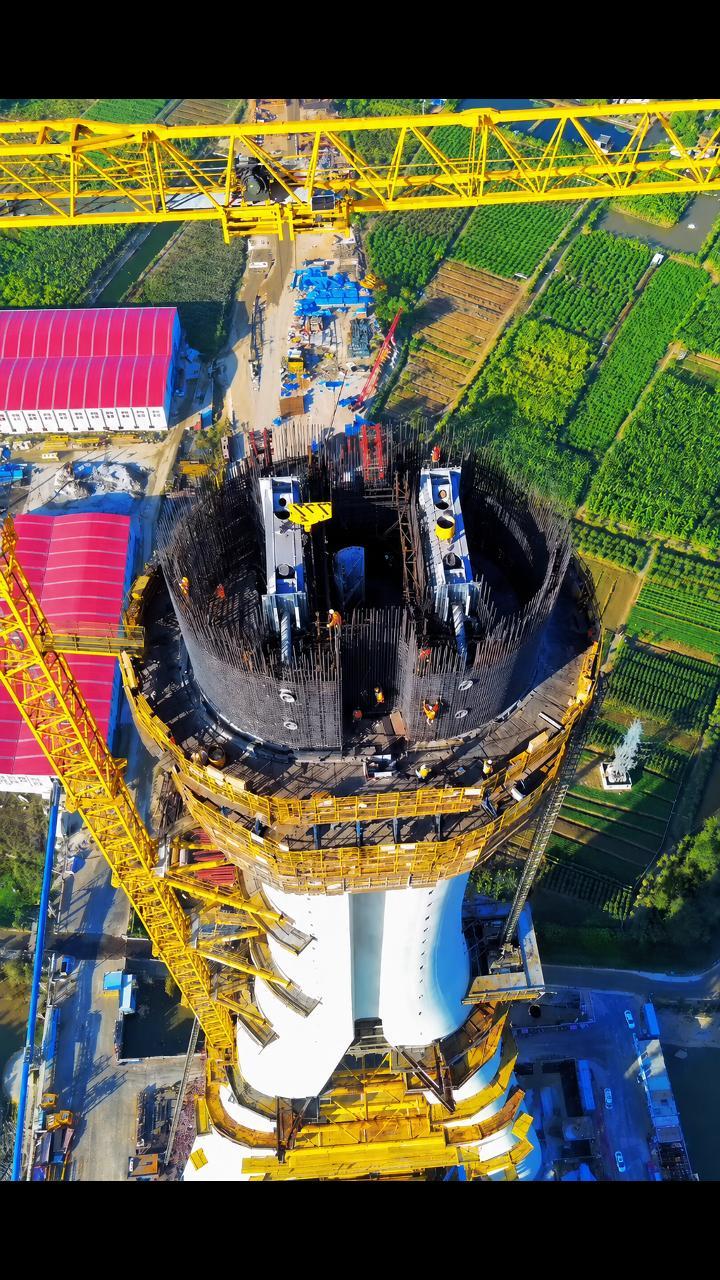
AKD Research expects Pakistan cement sector profit to rise 21% in 4QFY26
en.Wedoany.com Reported - Pakistan-based AKD Research analyst Usama Rauf released a forecast report on July 10, 2026, predicting that the profitability of Pakistan's cement industry in the fourth quarter of fiscal year 2026 (4QFY26, i.e., April to June 2026) will increase by 21% year-on-year, with industry profits expected to reach 26.4 billion Pakistani rupees (approximately $95 million), up from 21.8 billion rupees in the same period last year.
The Pakistani cement industry is one of the key pillars of the national economy, primarily serving domestic infrastructure construction, residential development, and export markets. Listed companies in the sector include major players such as Lucky Cement, Fauji Cement, and DG Khan Cement. According to data from the All Pakistan Cement Manufacturers Association (APCMA), cement dispatches in Pakistan reached 3.89 million tons in April 2026, up 11% year-on-year. In the third quarter of fiscal year 2026 (3QFY26), listed cement companies in Pakistan posted profits of 36.2 billion rupees, a 7% increase year-on-year.
AKD Research expects the fourth-quarter profit growth to be driven by the following factors: a year-on-year increase of approximately 9% in domestic cement dispatches; lower international coal prices reducing energy costs and improving industry gross margins; continued interest rate cuts by the State Bank of Pakistan lowering corporate financing costs; and a relatively stable Pakistani rupee against the U.S. dollar, benefiting imported coal procurement. According to Arif Habib analysis, the total profit of the cement industry for fiscal year 2026 is estimated at around 168 billion rupees, with a further 22% increase to 205 billion rupees in fiscal year 2027.
Pakistan's cement industry is benefiting from the advancement of the second phase of the China-Pakistan Economic Corridor (CPEC) projects, a recovery in domestic housing construction demand, and improved fiscal conditions. Meanwhile, export market expansion is providing additional growth momentum for the sector. However, the industry still faces potential risks such as domestic electricity price volatility, intensified regional competition, and macroeconomic uncertainties. With the onset of an interest rate reduction cycle and the continued progress of infrastructure projects, Pakistan's cement industry is expected to maintain its growth trajectory in fiscal years 2026-2027.
Related Products

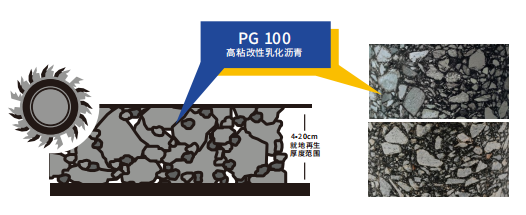
High-toughness in-Situ Cold Recycling Technology for Original Structural Layers
Central Fortune Creation Technology Group Co., Ltd.
West China Xiamen Hospital of Sichuan University
Wuhan Huakang Century Clean Technology Co., Ltd.
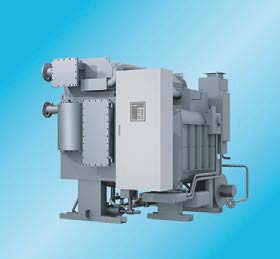
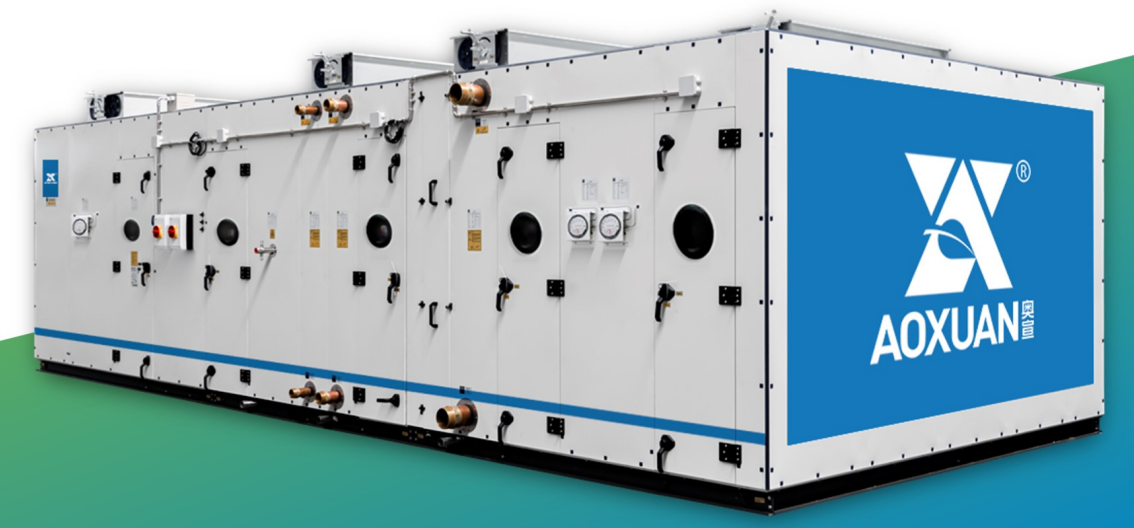
Aoxuan Intelligent Precision Air Conditioning Unit
SHANGHAI AOXUAN PURIFICATION TECHNOLOGY CO., LTD.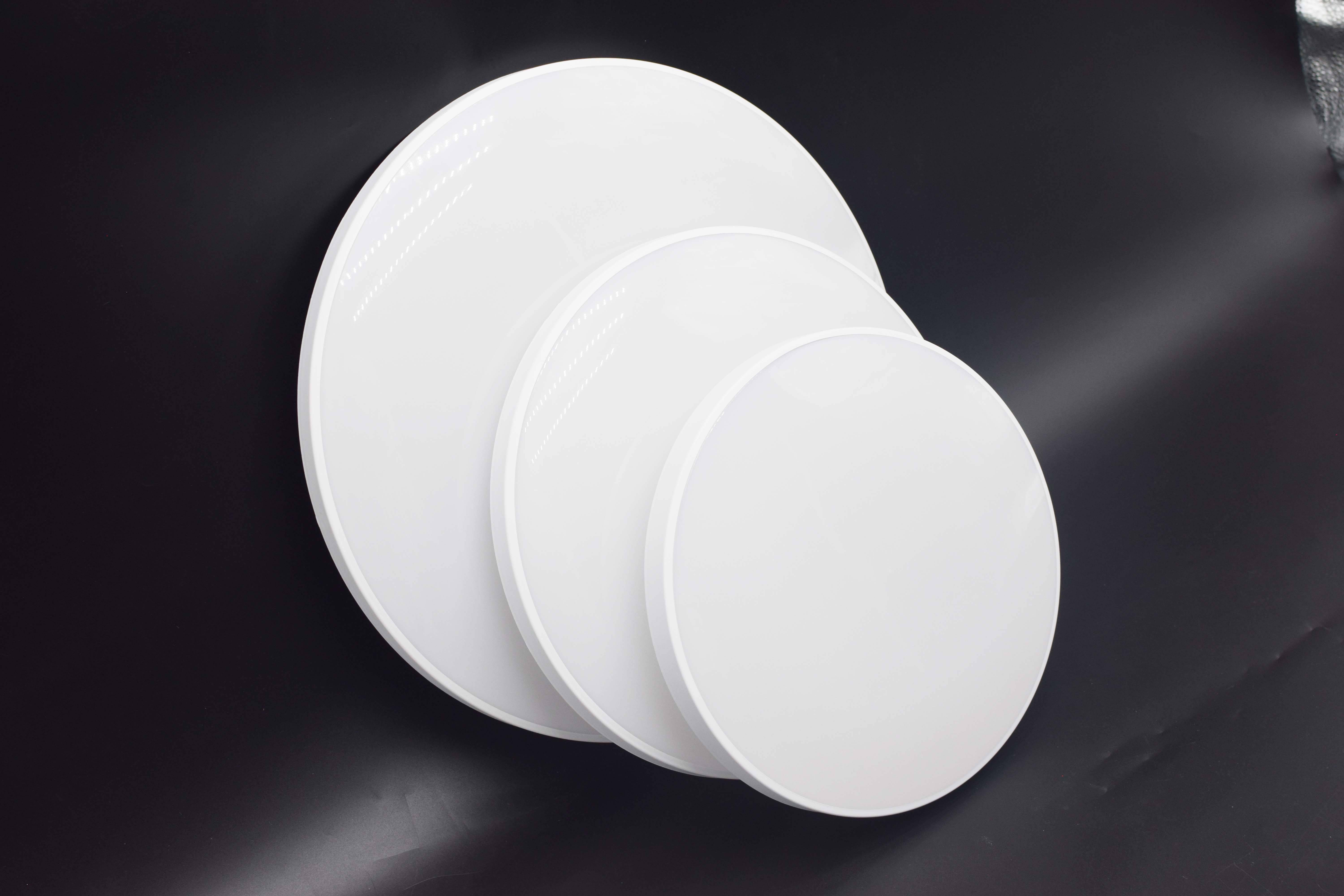
Ceiling light | led Ceiling Light | LED Indoor light | LED Ceiling lighting
Queendom Group Technology Co., Ltd.