Russia to Transition to Electronic Mode for Construction Permits and Registrations from September 2026
en.Wedoany.com Reported - According to Federal Law No. 304-FZ, starting September 1, 2026, Russia will shift the legal confirmation method for construction permits, permits for commissioning capital construction facilities, and notifications for individual housing construction (ИЖС) from paper registry extracts to electronic records in the registry of the State Information System for Urban Development Activities (ГИСОГД) of the constituent entities of the Russian Federation. This means that the Federal Service for State Registration, Cadastre and Cartography (Росреестр), banks, regulatory authorities, and other participants in construction activities will in the future verify the authenticity of permits by querying the registry electronically, with paper documents serving only as a reflection of the registry records.
Currently, the supporting regulatory framework is still being developed. The Ministry of Construction of Russia (Минстрой) has sent model legal documents to the regions and is amending Government Resolution No. 279 and expanding Order No. 433/pr to clarify the details of registry maintenance procedures and information exchange formats. For the regions, this is not merely a system update but a transition to a new model of working with legally significant data, involving changes at multiple levels, including state and municipal service processes, coordination of urban development decisions, information protection, and integration of state information systems. Regions are currently evaluating their ГИСОГД upgrade options and vendor proposals.
Before signing contracts for system upgrades, regions need to focus on nine key aspects. First, the system must be capable of handling real public service scenarios, including complex situations such as rejections, error corrections, and non-standard objects. Second, the new solution should integrate well with the existing ГИСОГД to avoid creating a separate information system that leads to duplicate maintenance of the same objects. Third, it is essential to ensure the protection of legally significant data, achieving record immutability, integrity control, access rights differentiation, personal data protection, and compliance with information security requirements. Fourth, the solution should cover the full lifecycle of public services, including receiving applications through the Unified State Services Portal (ЕПГУ), data exchange via the Interagency Electronic Interaction System (СМЭВ), automatic retrieval of information from other state systems, communicating status to applicants, and coordinating and signing results. Fifth, compatibility with existing ГИСОГД functions must be ensured, such as integration with the Unified State Register of Real Estate (ЕГРН), automatic data filling, analytical tools, data display, and the continued operation of other system components for public services. Sixth, a transition plan that does not disrupt operations should be planned to ensure the continuity of permit issuance. Seventh, contractors must provide ongoing support for regulatory changes, including timely software updates. Eighth, the contractor's team must have familiarity with ГИСОГД characteristics, experience with pilot solutions, and extensive experience in automating urban development activities. Finally, it is necessary to assess the infrastructure required for the system upgrade, including additional server resources and whether they are included in the project cost calculation.
The core issue for many problems is whether the new software solution will become part of the existing ГИСОГД or exist independently. The most time-consuming part of the transition is integrating the new model into already operational information systems. Cheap solutions worth about 5 million rubles typically represent an independent "island" that can quickly implement registry maintenance but cannot solve core issues such as integration with state and municipal service processes, and they duplicate existing functions, increasing the workload for personnel.
Since records in the registry have legal significance, regions are responsible for storing legally significant data, which requires the system to have an appropriate level of information security, including record immutability control, backups, access rights differentiation, and compliance with personal data security storage requirements. Differences in project costs stem from the varying scope of implemented functions, from merely implementing basic registry functions to fully upgrading existing systems and integrating new processes, requiring vastly different investments. Additionally, server resource requirements need to be assessed separately, depending on the region's load and characteristics, such as whether backups, database clusters, and access controls are needed.
The transition to the registry model is not a one-time event. The supporting regulatory framework is continuously evolving, with amendments to Resolution No. 279 being prepared, Order No. 433/pr being expanded, and regions developing their own legal documents based on model documents from the Ministry of Construction (Минстрой). Currently, there are four mandatory registries: the construction permit registry, the facility commissioning permit registry, the individual housing construction plan notification registry, and the individual housing construction completion notification registry. In the future, the registry model may be extended to other types of urban development decisions. Therefore, clients must choose not only a software product but also a team with the capability for continuous development. According to data from the April 2026 ГИСОГД meeting, in 2025, over 800,000 results of state and municipal services in the field of urban development were generated in digital form based on the system. System upgrades have already begun in some regions, providing practical experience for others.
Related Products


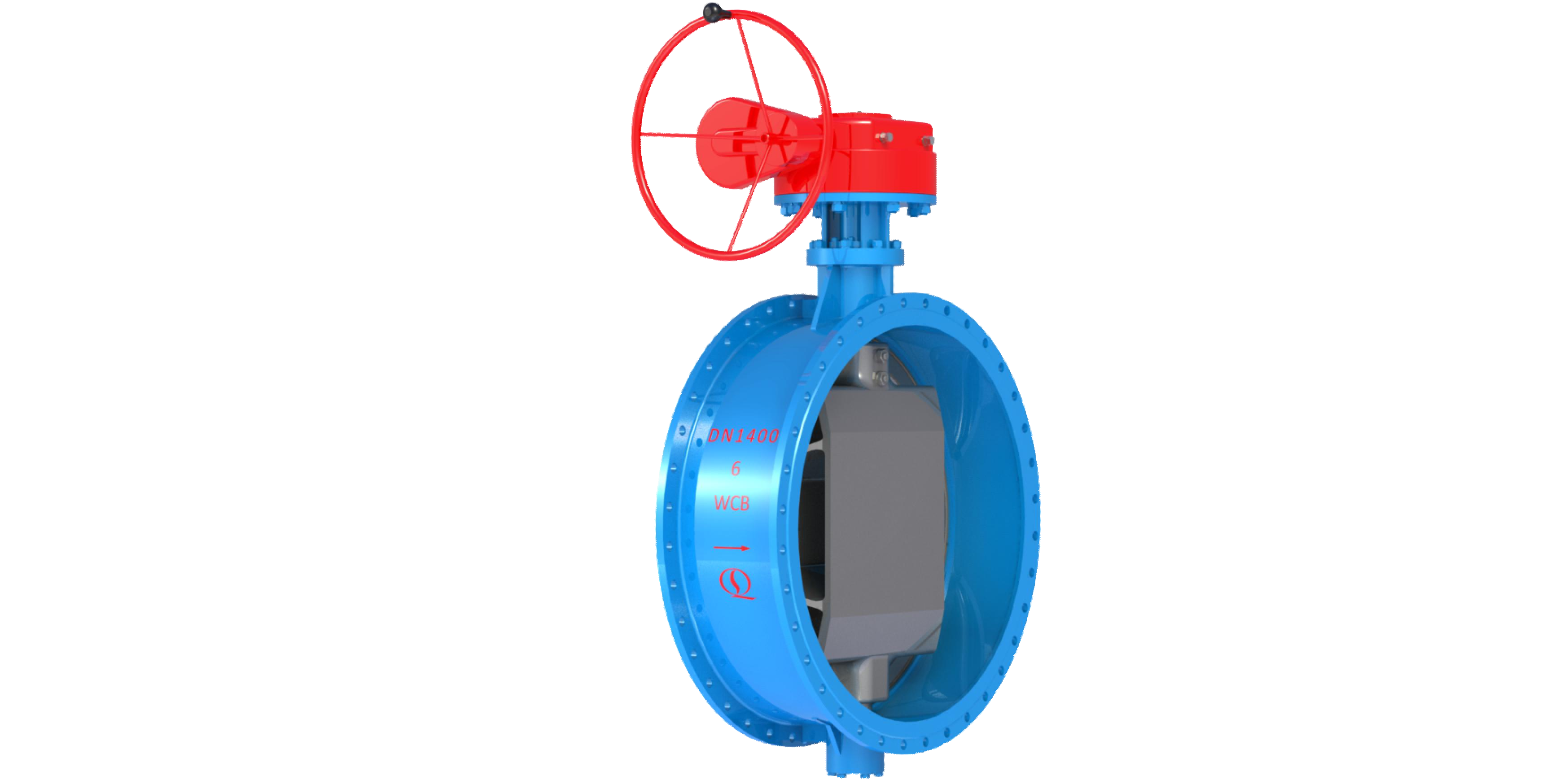
Bidirectional Metal Hard Sealed Seawater Butterfly Valve
Henan Quanshun Flow Control Science & Technology Co., Ltd.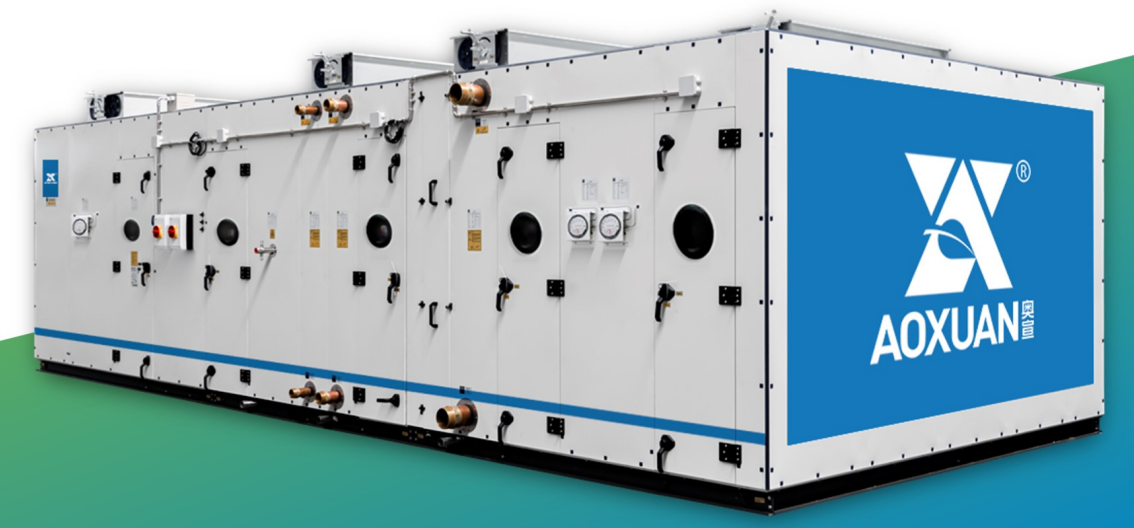
Aoxuan Intelligent Precision Air Conditioning Unit
SHANGHAI AOXUAN PURIFICATION TECHNOLOGY CO., LTD.

Ceiling light | led Ceiling Light | LED Indoor light | LED Ceiling lighting
Queendom Group Technology Co., Ltd.
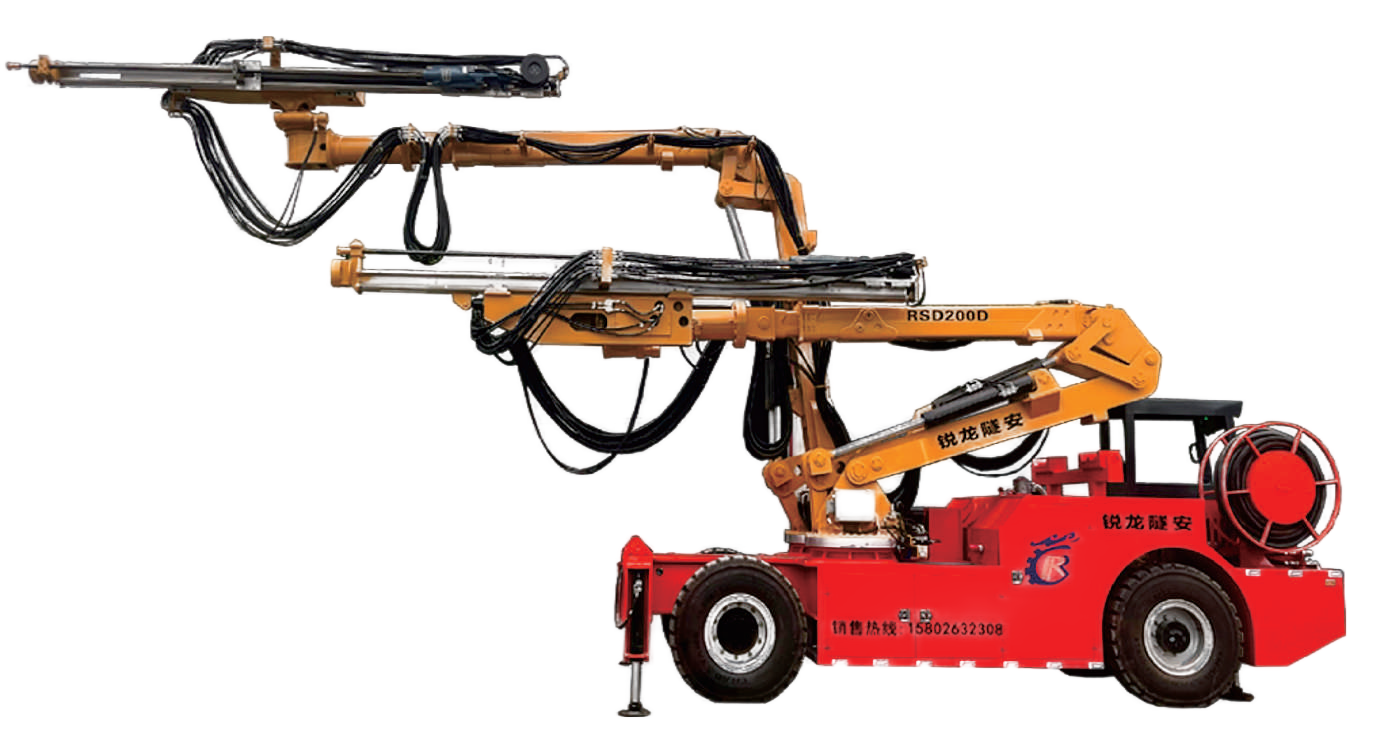
Dual-curved Arm Rock Drilling Trolley RSD200D
Chengdu Ruilong Machinery Manufacturing Co., Ltd.
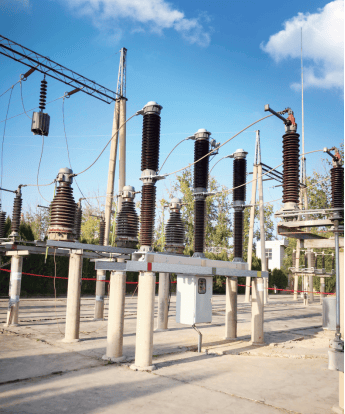
145kV Porcelain Column Type Sulfur Hexafluoride Circuit Breaker
TBEA ZONFA Shanghai High Voltage Switchgear Co., Ltd.
ERW Welded Pipe (Black Pipe and Hot-dip Galvanized Steel Pipe)
Handan Zhengda Steel Pipe Co., Ltd.