Spray Cooling System in Yuncheng, Shanxi, China Can Reduce Temperature by 5 to 8 Degrees Celsius
en.Wedoany.com Reported - A residential community in Yuncheng, Shanxi Province, China, has transformed its rooftop into a spray cooling system. By releasing tiny water droplets through hundreds of high-pressure sprayers, the system can lower the ambient temperature by 5 to 8 degrees Celsius during hot periods.
This solution gained attention after Chinese Foreign Ministry spokesperson Mao Ning posted photos of the mist-shrouded buildings on social media. The high-pressure sprayers break water into extremely fine droplets, which rapidly evaporate upon contact with air, absorbing heat from the surrounding environment.
According to the project manager, the system can reduce the ambient temperature by 5 to 8 degrees Celsius, with cooling effects near the ground reaching up to 12 degrees Celsius. Each activation lasts about ten minutes, aiming to enhance comfort in the community's gardens, courtyards, and other public areas.
The technology is based on the principle of evaporative cooling, which absorbs ambient thermal energy as water transitions from liquid to vapor. This principle has already been applied in agricultural greenhouses, open-air terraces, parks, and air conditioning equipment. The cooling effect of evaporation is influenced by atmospheric conditions, performing better in hot, dry environments, while in humid areas, evaporation efficiency decreases and the spray may increase a feeling of mugginess.
The operation of this system comes with environmental costs. According to Portuguese media outlet Tempo.pt, each use may consume tens of tons of water, along with investments in power supply for the high-pressure system, maintenance, water treatment, and nozzle replacement. These limitations are particularly pronounced against the backdrop of increasing drought and water stress. The project aims to address the urban heat island effect, where concrete, asphalt, and building facades absorb solar energy during the day and release it slowly at night, causing urban temperatures to be several degrees Celsius higher than nearby rural areas. Green roofs, vegetated facades, light-colored pavements, reflective materials, and increased greenery have been used to mitigate this phenomenon, with spray systems serving as a supplementary measure.
Tempo.pt notes that in Portugal, this technology holds greater potential in inland and southern regions, where summers tend to be hotter and drier, but water scarcity will be a major obstacle to its application. Such systems are primarily used to cool outdoor spaces rather than replace air conditioning in buildings. The Yuncheng project demonstrates the potential of engineering solutions in helping cities cope with high temperatures, while also highlighting the balance between cooling the environment and conserving water resources.
Related Products

145kV Porcelain Column Type Sulfur Hexafluoride Circuit Breaker
TBEA ZONFA Shanghai High Voltage Switchgear Co., Ltd.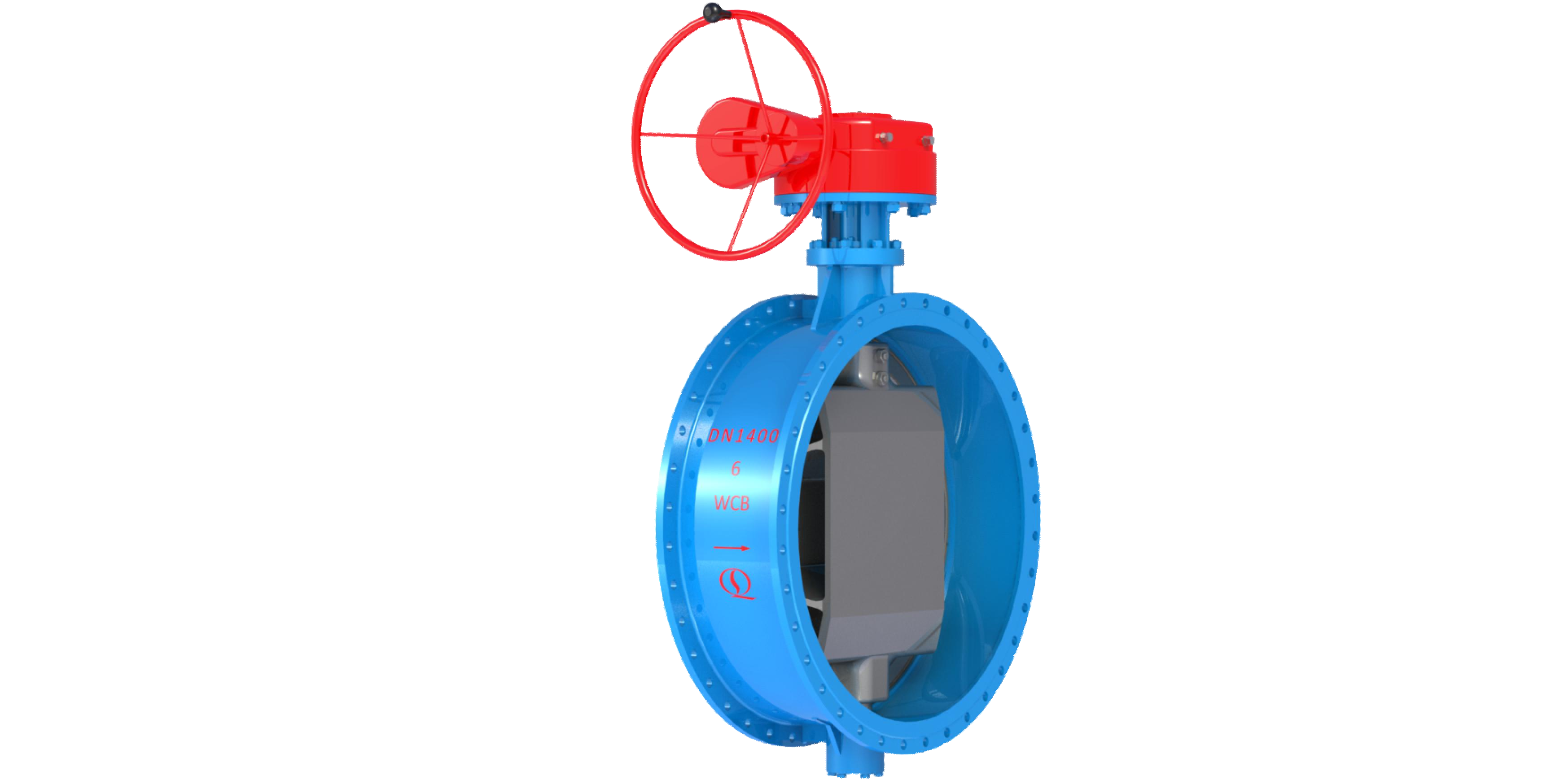
Bidirectional Metal Hard Sealed Seawater Butterfly Valve
Henan Quanshun Flow Control Science & Technology Co., Ltd.
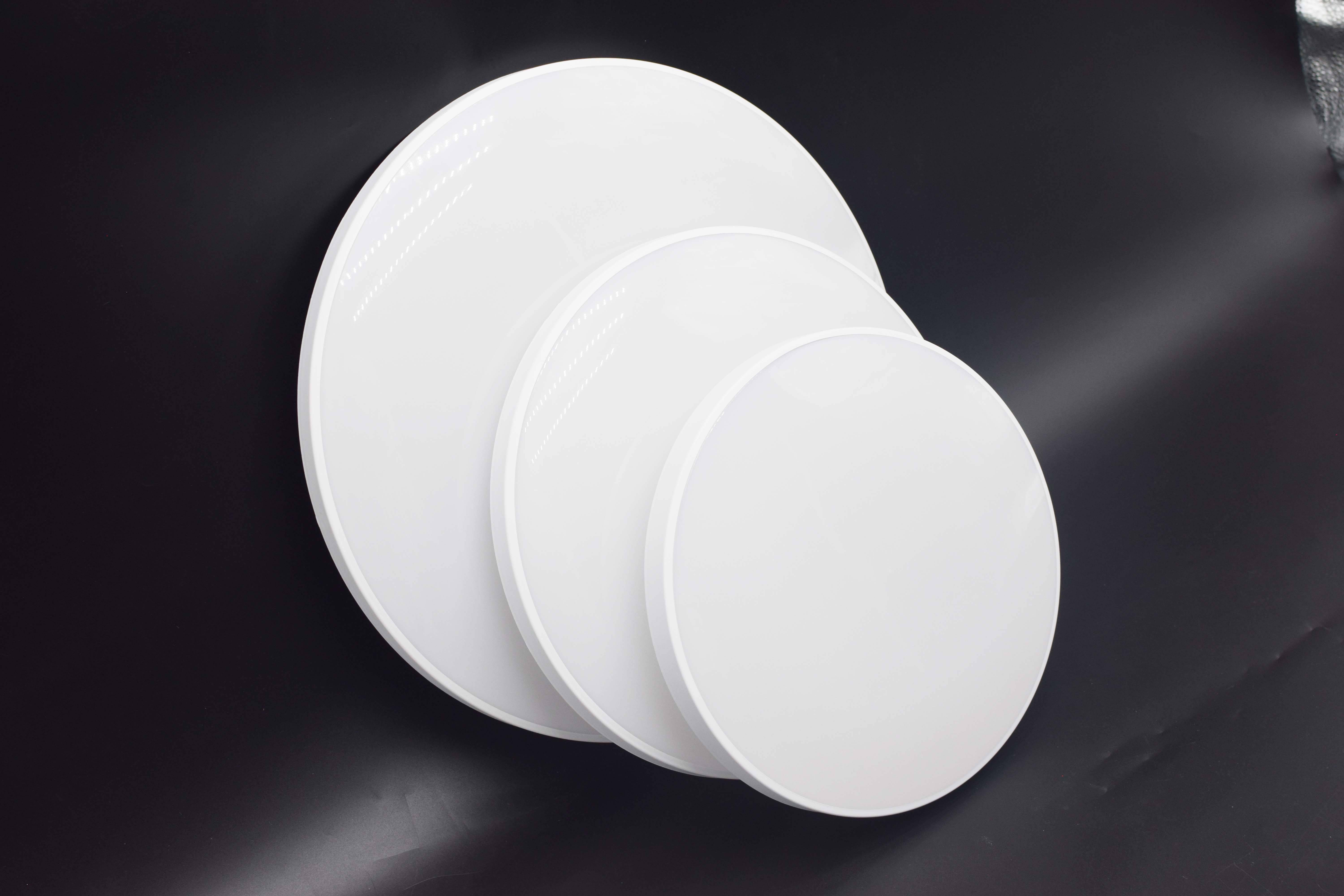
Ceiling light | led Ceiling Light | LED Indoor light | LED Ceiling lighting
Queendom Group Technology Co., Ltd.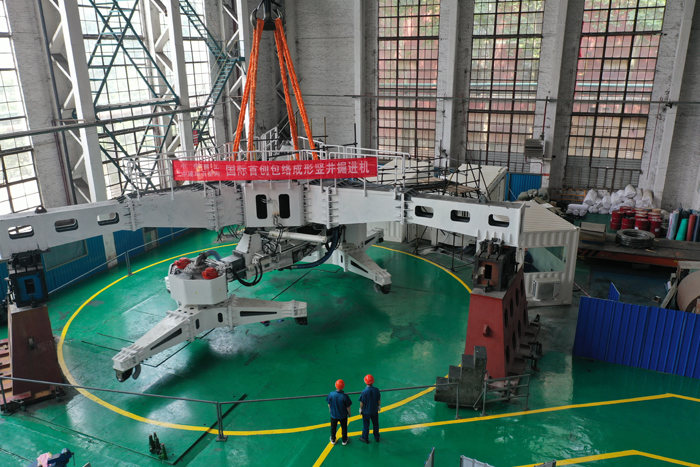
CITIC Heavy Industries Tunneling Equipment Tunnel Engineering Shield Machine
CITIC Heavy Industries Co., Ltd.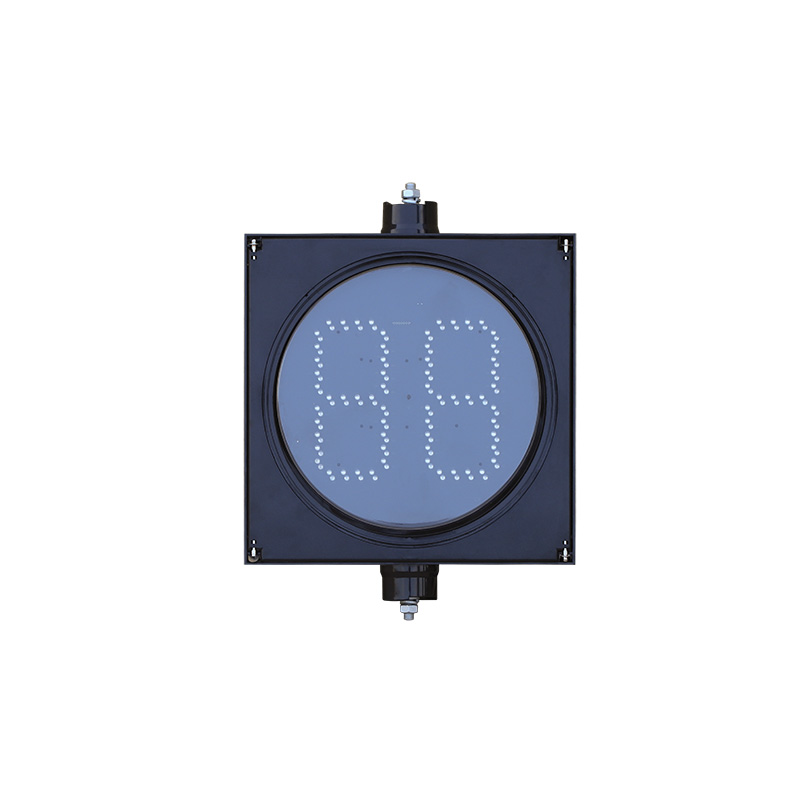
300mm Segment Type Countdown Traffic Light (Core Type)
Yangzhou FAMA Intelligent Equipment Co., Ltd.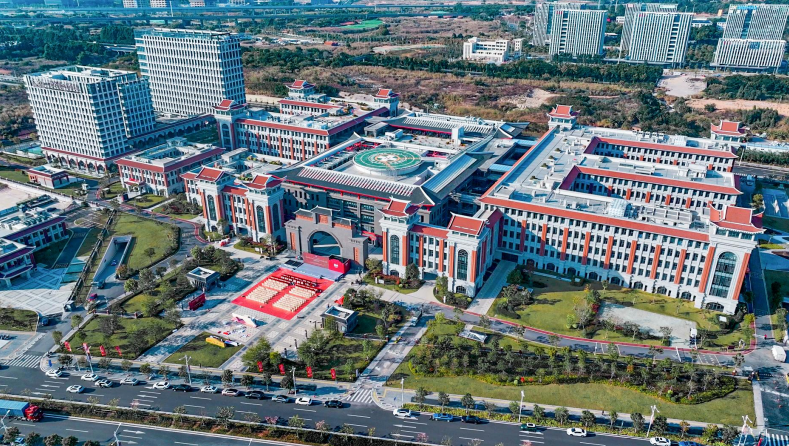
West China Xiamen Hospital of Sichuan University
Wuhan Huakang Century Clean Technology Co., Ltd.