Global iron ore prices expected at $85-105/tonne in H2 2026
en.Wedoany.com Reported - In the first half of 2026, the global iron ore market exhibited a pattern of surging supply and diverging demand. On the supply side, capacity from non-mainstream mines was released intensively, leading to a significant year-on-year increase in global iron ore shipments. On the demand side, it was characterized by "weak recovery in external demand and pressure on domestic demand."
On the supply side, data from Mysteel shows that global iron ore shipments increased by 34.208 million tonnes year-on-year in the first half of the year. Among this, Australia and Brazil contributed an increase of 15.628 million tonnes, while non-mainstream mines added 18.58 million tonnes. The performance of the four major miners varied. New capacity releases in regions such as Guinea and Sierra Leone kept shipment volumes strong.
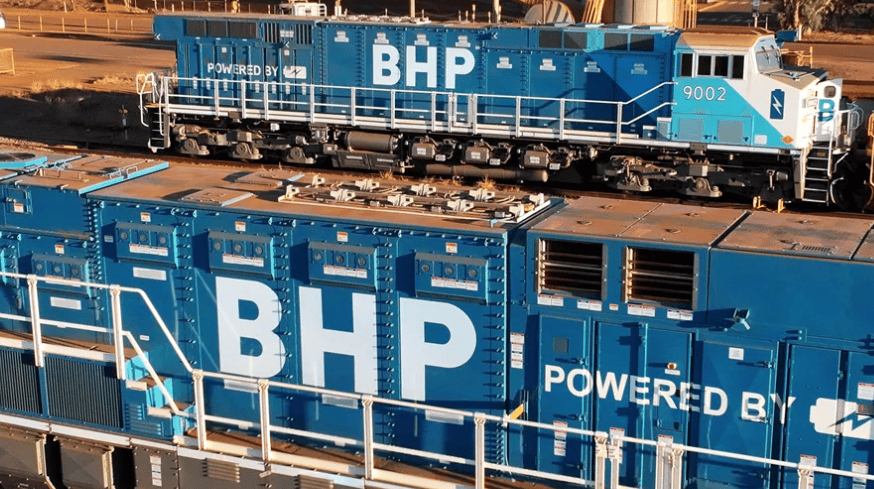
Among the four major miners, Rio Tinto showed strong shipment performance in the first half of the year. The ramp-up of the Simandou and Western Range projects provided support, along with a low base effect due to last year's hurricanes. In the first quarter, Pilbara production reached 82.83 million tonnes, up 13% year-on-year; sales were 75.68 million tonnes, up 2% year-on-year. Tropical cyclones reduced shipments by approximately 8 million tonnes. The Western Range project is a capacity replacement project, expected to contribute an actual incremental increase of about 1.5 million tonnes in the second half of the year. Full-year shipments are expected to remain between 343 million and 366 million tonnes. BHP's shipments were strong initially but weakened later. In the first quarter, Pilbara production was 69.8 million tonnes, up 1% year-on-year, with the South Flank mine exceeding its annual nominal capacity. In the second quarter, affected by long-term contract negotiations and Australian cyclones, shipments to China fell by over 5.5 million tonnes year-on-year. The WRC and CD6 projects are still under construction, with the WRC project having a designed capacity of 25 million tonnes and expected to start production in the third quarter. FMG's shipments remained stable in the first half of the year. Total mining volume in the first quarter was 59.5 million tonnes, up 7% year-on-year. Due to tropical cyclones, the shipment guidance for the Iron Bridge project for FY2026 was lowered to 9-10 million tonnes, while the guidance for FY2027 was raised to 16-20 million tonnes. Currently, FMG is focusing on its decarbonization plan while also exploring the Belinga project in Gabon. Vale remained relatively stable despite disruptions from the rainy season in Brazil. In the first quarter, production was 69.675 million tonnes, up 3% year-on-year; sales were 68.713 million tonnes, up 3.9% year-on-year. The S11D mine produced 19.9 million tonnes in the first quarter, a record high for the same period. The Capanema project reached full production in the second quarter. The expansion project to increase capacity by 20 million tonnes at the S11D mine will start production in the second half of the year, with physical construction progress currently at 86%. Vale's production target for 2026 is 335-345 million tonnes, with an expected year-on-year increase of 3-4 million tonnes in the second half of the year.
Shipments from small and medium-sized mines in Australia and Brazil increased by 8.627 million tonnes year-on-year in the first half of the year, with the increase highly concentrated in Mineral Resources' Onslow project, which has a designed annual capacity of 35 million tonnes. The Lamb Creek project achieved its first shipment in March 2026, and the McPhee Creek project, with a designed capacity of 9.5 million tonnes, is expected to start production in the second half of the year. Due to the base effect, the production growth rate of small and medium-sized mines in Australia is expected to slow down in the second half of the year. The performance of small and medium-sized mines in Brazil was roughly flat compared to the same period last year.
Non-mainstream mines were the main source of incremental global iron ore supply in the first half of the year, contributing "half" of the increase, which was highly concentrated in West Africa. The Simandou project in Guinea was the biggest driver. The mine's production pace was slow in the first quarter, with a one-month shutdown in February due to a safety incident. However, since April, the shipment pace has accelerated significantly, with weekly shipments reaching 974,000 tonnes in mid-May and vessel frequency increasing to 7-8 per month. Currently, the overall construction progress of Simandou has reached 74%. It is expected that the first batch of iron ore will be processed through permanent crushing facilities in the second half of the year, with commissioning starting in the first quarter of 2027. According to Mysteel estimates, Simandou's shipments in 2026 could exceed 20 million tonnes. Additionally, Liberia, benefiting from ArcelorMittal's Nimba Phase II expansion project and policy changes, could see its iron ore exports jump from 10 million tonnes in 2025 to 25-30 million tonnes. Looking ahead to the second half of the year, shipments from non-mainstream mines are expected to increase by 15-24 million tonnes year-on-year.
On the demand side, there is a divergence between domestic and external markets. For external demand, regional divergence has intensified, with significant demand growth in India, Germany, and South Korea. The Organisation for Economic Co-operation and Development (OECD) estimates that global steel demand will grow slightly by 0.4% in 2026. Domestic demand performed weakly overall in the first half of the year. Mysteel data shows that China's pig iron production in the first half of the year was 427 million tonnes, down 0.5% year-on-year. Real estate remains the main drag, with no signs of stabilization yet. From January to June, infrastructure investment fell by 2.4% year-on-year. Direct steel exports were a significant source of incremental demand in the first half of the year. From January to May, cumulative steel exports were 44.55 million tonnes, down 8% year-on-year. Looking ahead to the second half of the year, it is difficult to see a significant improvement in domestic demand compared to the first half, and the biggest variable for end-user demand remains exports.
Considering the overall supply-demand landscape, the global iron ore market in the second half of the year will feature ample supply and limited demand growth. It is estimated that the year-on-year increase in global iron ore supply in the second half of the year will be between 25 million and 39 million tonnes. Among this, the combined increase from the four major miners is expected to be 6.5-10 million tonnes, the increase from small and medium-sized mines in Australia and Brazil is expected to be 3-5 million tonnes, and the increase from non-mainstream mines is expected to be 15-24 million tonnes. Domestic iron ore port inventories in China are expected to increase by 18-25 million tonnes in the second half of the year, potentially climbing to 192-199 million tonnes by the end of the year. Iron ore prices face significant downward pressure, with the trading range expected to be between $85 and $105 per tonne, and the midpoint around $90-95 per tonne, with the overall center of gravity continuing to shift lower compared to the first half of the year.
Related Products


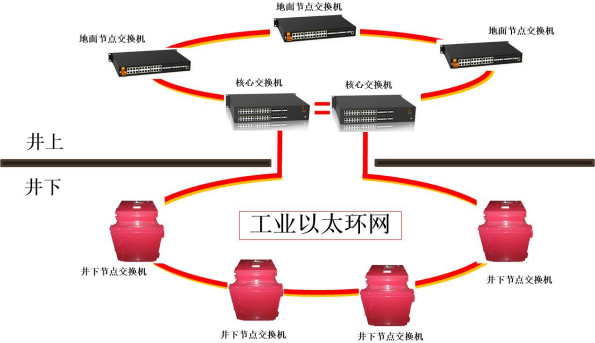
Mine Explosion-proof and Intrinsically Safe Industrial Ethernet Ring Network (10 Gigabit/Gigabit)
Chongqing Mas Sci&Tech Co., Ltd.
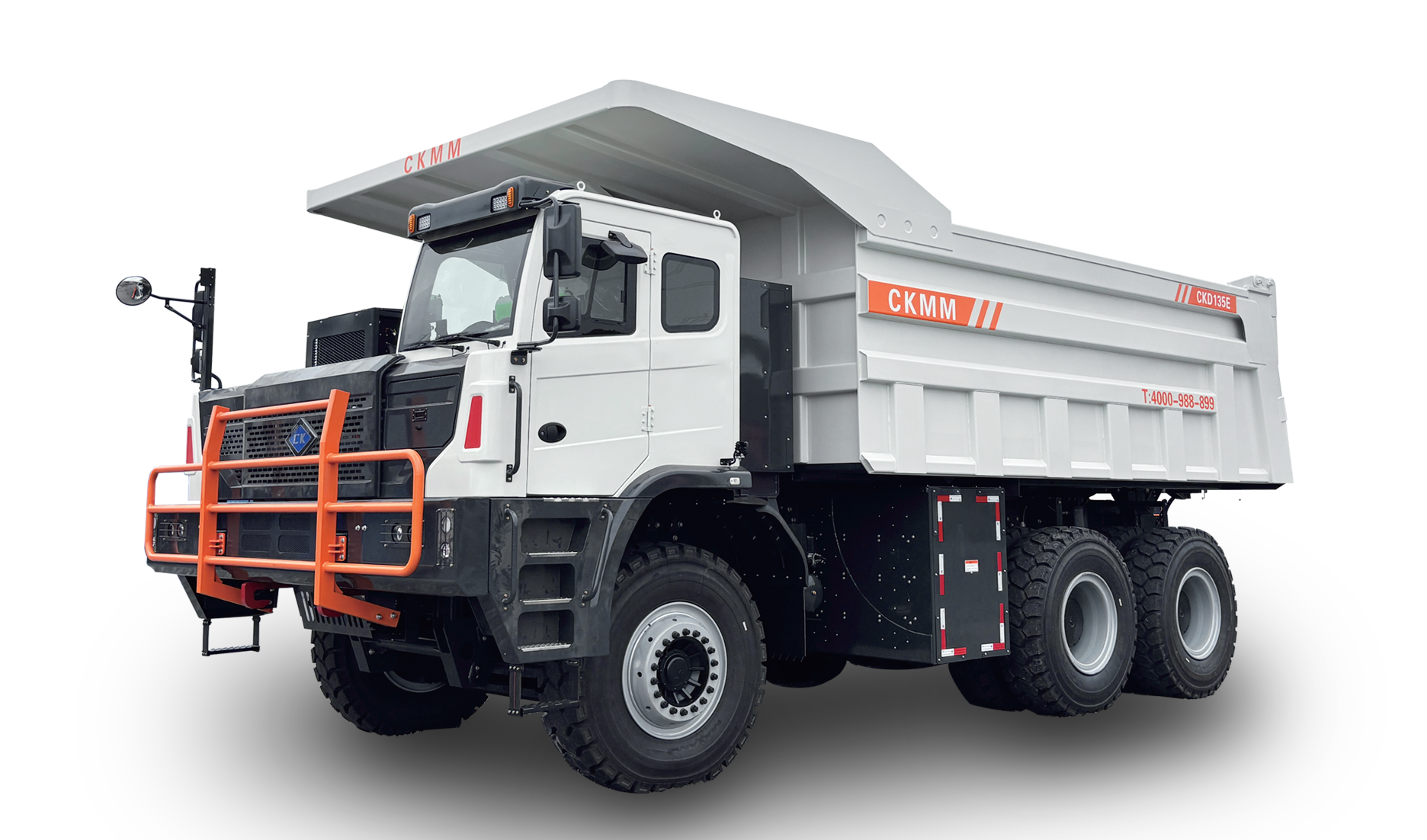
CKD135E Pure Electric Wide-body Dump Truck
Jiangsu Changkuang Engineering Machinery Co. Ltd.
Integrated Excavation and Anchoring Machine (EJM Series)
China Railway Construction Heavy Industry Corporation Limited
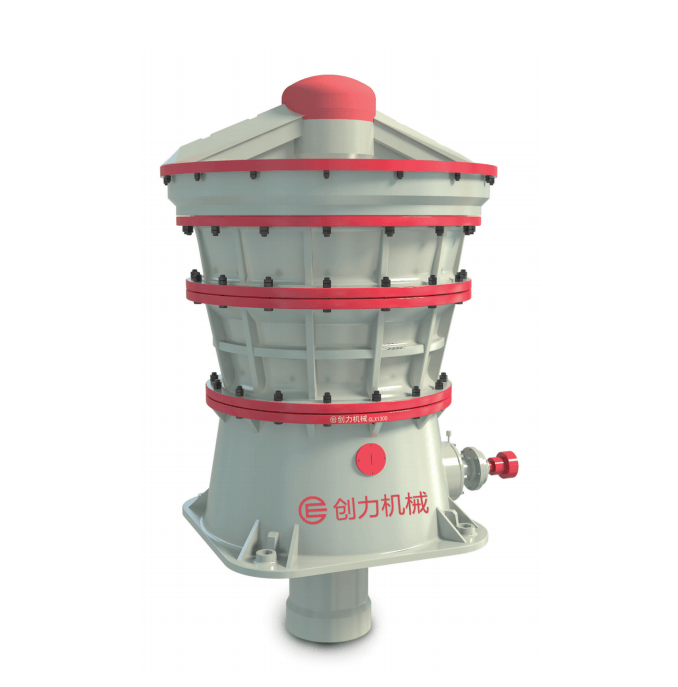
CLX Series Intelligent Hydraulic Gyratory Crusher
Guangdong CHUANGLI intelligent machinery Equipment Co., LTD