Porto, Portugal to Create Public Bike-Sharing System with 56 Stations
en.Wedoany.com Reported - The Porto City Council has announced an acceleration of urban mobility transformation, implementing certain measures from the new Sustainable Urban Mobility Plan (Plano de Mobilidade Urbana Sustentável, PMUS) ahead of schedule, particularly the expansion of the cycling network, to strengthen alternatives to car use and prioritize public transport, cycling, and walking.
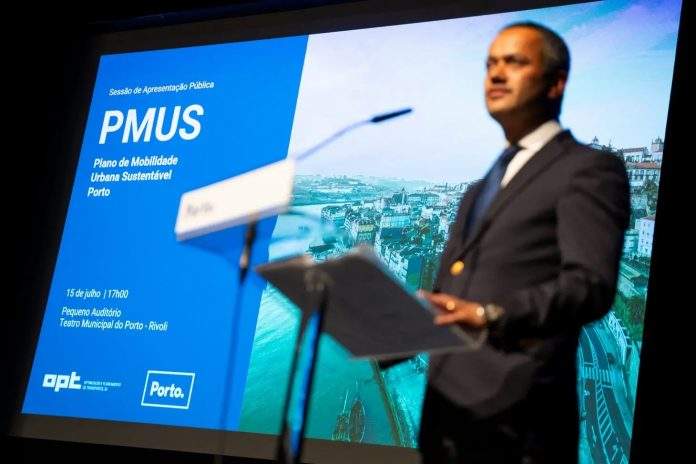
Mayor Pedro Duarte described this moment as a "turning point in the urban mobility paradigm" during the plan's presentation, stating that Porto should follow European cities investing in more sustainable, people-centered solutions. The mayor noted that all measures that can be advanced will be, especially the cycling network, with the PMUS timeline adjusted whenever conditions allow.
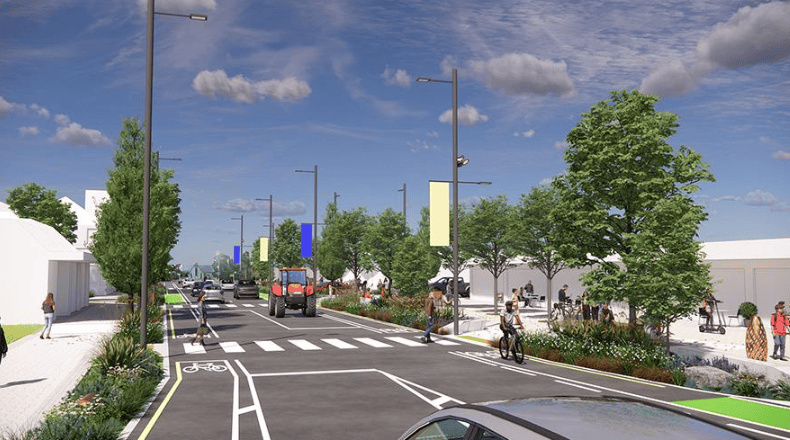
Planned measures include creating a public bike-sharing system, with 56 locations already identified as future stations along the cycling network. The plan also involves expanding and upgrading existing bike lanes, increasing bicycle parking spaces, tree-planting initiatives, creating "bicycle trains" for group travel, and awareness campaigns to encourage active mobility. In the short term (defined by the city council as two years), plans include renovations to the Rua da Constituição bike lane, Avenida da França, and the Asprela university campus (polo universitário da Asprela), as well as building a bike lane connecting the city center to Asprela. Structural corridors such as Avenida da Boavista, Avenida Gustavo Eiffel, and the Campo Alegre–Diogo Botelho–Nun’Álvares axis are scheduled for later phases.
The PMUS vision is broader than cycling. The document plans to reorganize STCP (Porto Public Transport Company) operations, increase bus lanes and bus priority signals, reduce travel times, and build new structural connections, including the expansion of the Porto Metro, development of the Ramal da Alfândega (Customs Branch), and a future public transport water link between Afurada and Alfândega. Another priority is public space renovation, including expanding the 30 Zone (Rede 30), adding new restricted motor vehicle areas, gradually pedestrianizing central areas, improving access around schools, creating more green spaces, and renovating major roads like the Circunvalação and VCI (Inner Ring Road) to reduce the barrier effect of these infrastructures.
According to Pedro Duarte, this change will be gradual, supported by measures encouraging public transport use, such as the already implemented free fare policy for specific users. The mayor acknowledged potential resistance to change but assured that the city council will prioritize an educational approach, avoid drastic measures, and gradually introduce restrictions on car use, particularly regarding parking. Mobility Councillor Hugo Beirão Rodrigues emphasized that the PMUS is a strategic, dynamic document designed to evolve with city participation. The plan will enter a public consultation phase in September, followed by review by the city council's executive body and the Porto Municipal Assembly.
Related Products

YHTank8400N Solvent-Free Liquid Epoxy Coating
JIANGSU YUNHU NEW MATERIAL TECHNOLOGY CO., LTD.
West China Xiamen Hospital of Sichuan University
Wuhan Huakang Century Clean Technology Co., Ltd.
ERW Welded Pipe (Black Pipe and Hot-dip Galvanized Steel Pipe)
Handan Zhengda Steel Pipe Co., Ltd.
Ceiling light | led Ceiling Light | LED Indoor light | LED Ceiling lighting
Queendom Group Technology Co., Ltd.
300mm Segment Type Countdown Traffic Light (Core Type)
Yangzhou FAMA Intelligent Equipment Co., Ltd.