Spain's Onyx Solar and Strunor Jointly Develop Photovoltaic Glass Curtain Wall System That Passes Large-Scale Fire Test
en.Wedoany.com Reported - Spanish photovoltaic glass manufacturer Onyx Solar, in collaboration with curtain wall engineering company Strunor, has developed a photovoltaic glass curtain wall system that has passed the BS 8414-2 large-scale fire test and achieved a BR 135 performance classification. The material was not evaluated as a single glass product or photovoltaic module, but as a complete external wall cladding system, making it one of the most stringent large-scale curtain wall fire tests internationally.
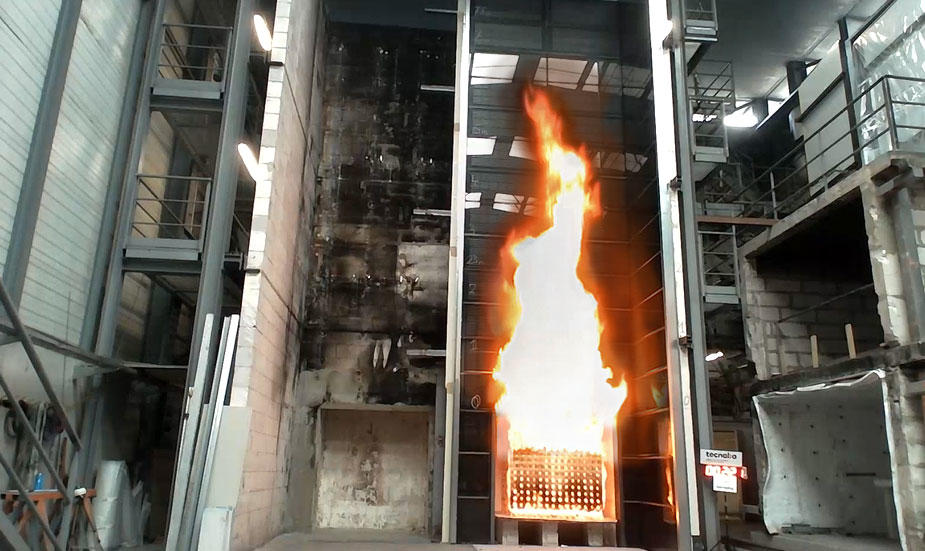
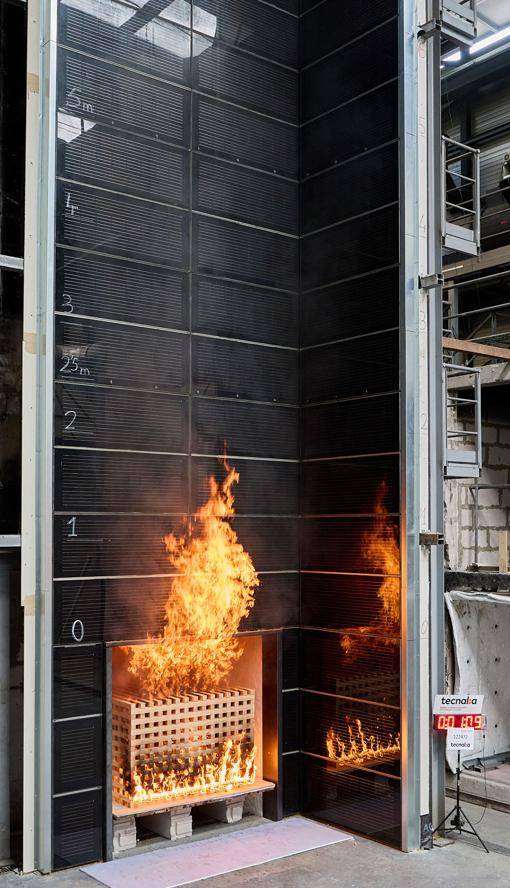
BS 8414 assesses the overall performance of a curtain wall system in its installed state, involving panels, substructures, cavities, insulation, fire barriers, membranes, fixings, joints, and installation details, and is tested against severe fire scenarios. BS 8414-2 specifically targets non-load-bearing external wall cladding systems fixed to metal structures, which is the standard configuration for most ventilated curtain walls and modern curtain wall systems with substructures. The test platform consists of a main wall and a 90-degree return wall, with the fire source simulating a fully developed compartment fire, where flames emerge through openings and attack the external wall. BR 135 provides the evaluation criteria: if within the first 15 minutes after the start of fire spread, the temperature on the second floor rises by more than 600°C and persists for at least 30 seconds, it is considered an external spread failure.
For a long time, discussions on curtain wall fire safety have focused on individual materials, such as glass, aluminum, insulation, membranes, panel cores, and sealants. However, actual curtain walls do not burn like isolated samples but as a whole. Small-scale combustion reaction tests can only describe the behavior of specific materials and cannot reflect the overall performance of the wall after installation, including the effects of cavities, joints, fixings, and adjacent components. This distinction is particularly critical for photovoltaic glass, as it is not simply a building finish but an active product that forms part of the building envelope.
While BS 8414 with BR 135 classification, NFPA 285 (USA), and CAN/ULC S134 (Canada) are all reliable international tests, they are not equivalent. These tests use different equipment, fire exposure conditions, measurement points, and acceptance criteria, and should not be directly substituted for one another unless the competent authority accepts an equivalence path. FM Global, in its assessment of ACM/MCM curtain wall assemblies, noted that the peak heat flux from the BS 8414 fire source at 1 meter above the opening is approximately 75 kW/m², whereas NFPA 285 only reaches about 40 kW/m², and only in the last five minutes of the test. FM Global considers BS 8414 to be more conservative than NFPA 285 for the assemblies studied, as it subjects the panels to a greater and more realistic heat flux. BS 8414 is directly linked to the UK Building Regulations' Approved Document B, the primary guidance framework for fire safety in England. This standard is also referenced in Irish technical specifications, addressed in Australia and New Zealand through AS 5113, and widely recognized among curtain wall consultants, fire engineers, and testing laboratories in the Middle East and other high-rise building markets.
Onyx Solar has already met NFPA 285 requirements with its North American curtain wall partner Elemex, and has applied them to projects such as the Genentech OSUT campus (California), 262 Fifth Avenue (New York), and the Sensoria Tower (Dubai). This BS 8414 certification provides a stronger foundation for curtain wall consultants, fire engineers, and project teams when considering photovoltaic glass for buildings where external wall fire performance is a core concern. Local acceptance always depends on the competent authority, and the specific scope of each project should correspond to the tested and classified system.
Related Products

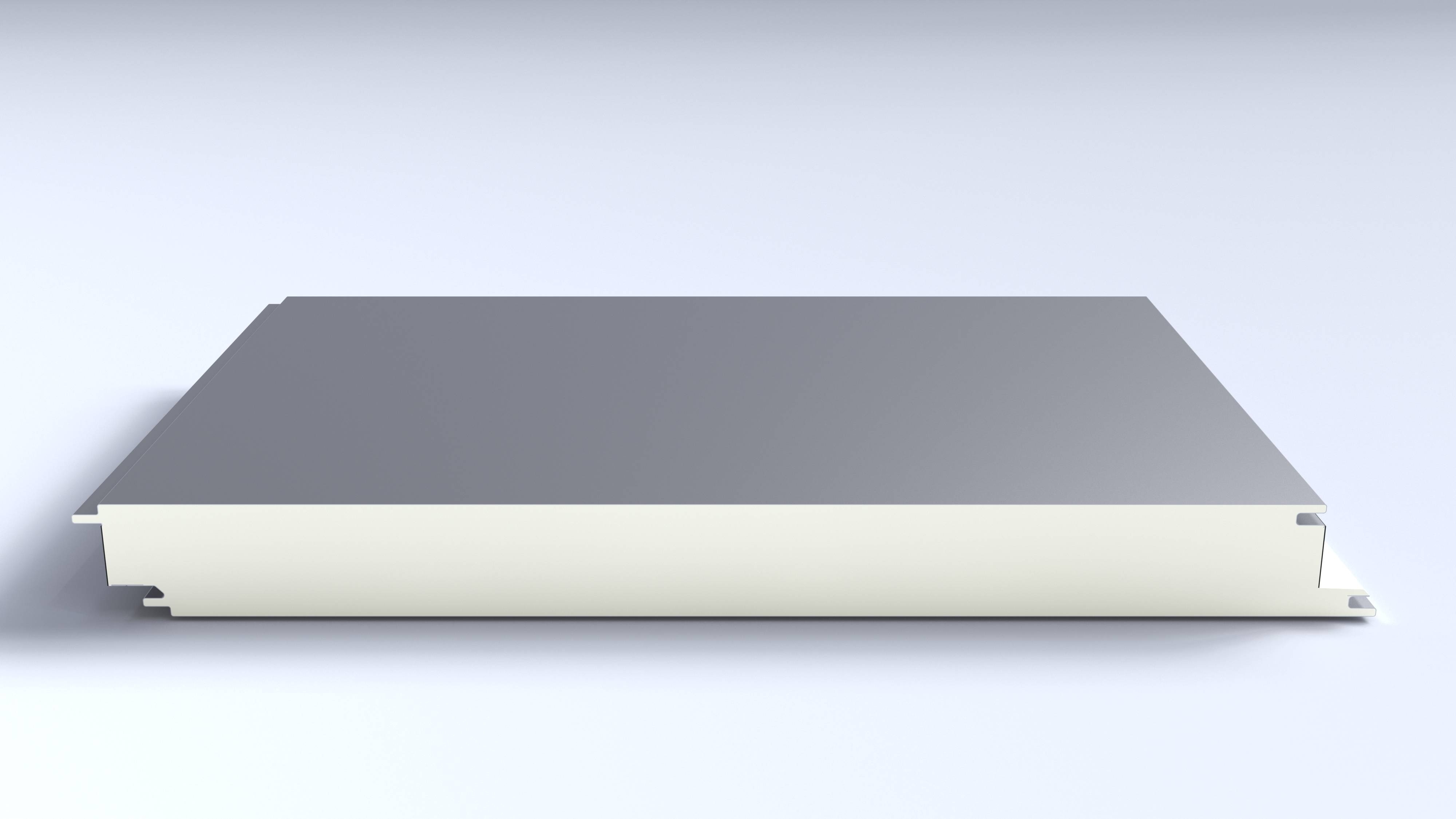
Pure Polyurethane Wall Panel BD-AEF-PIR-01
Baodu International Engineering Technology Co., Ltd.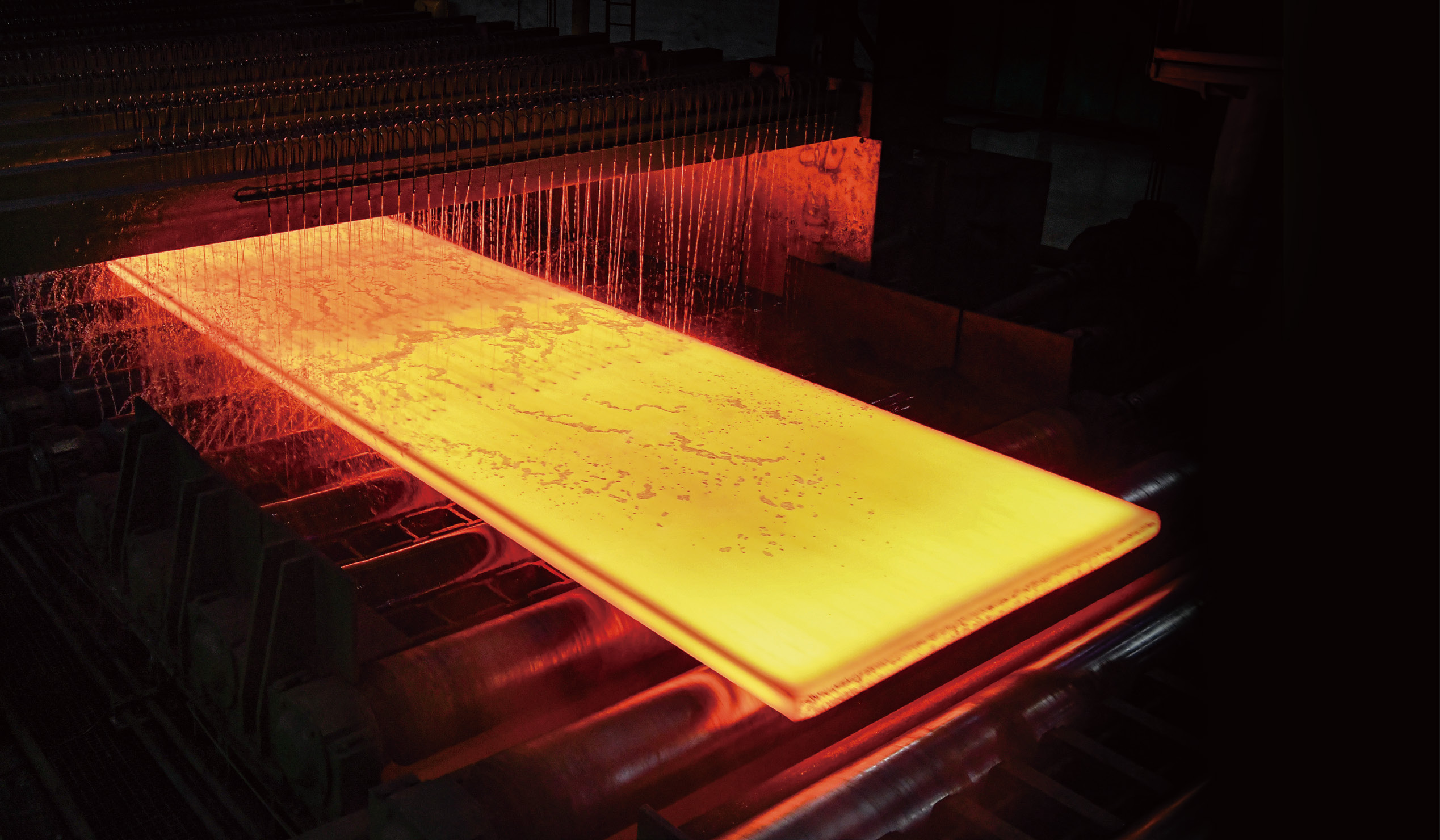

West China Xiamen Hospital of Sichuan University
Wuhan Huakang Century Clean Technology Co., Ltd.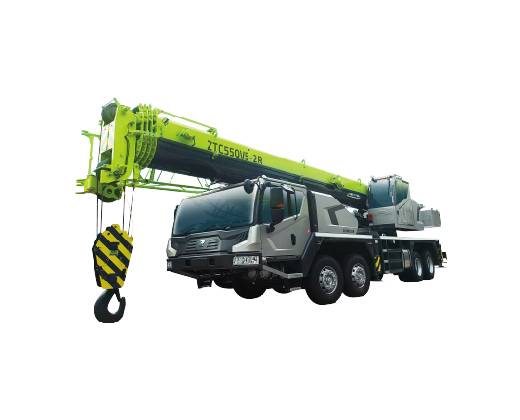
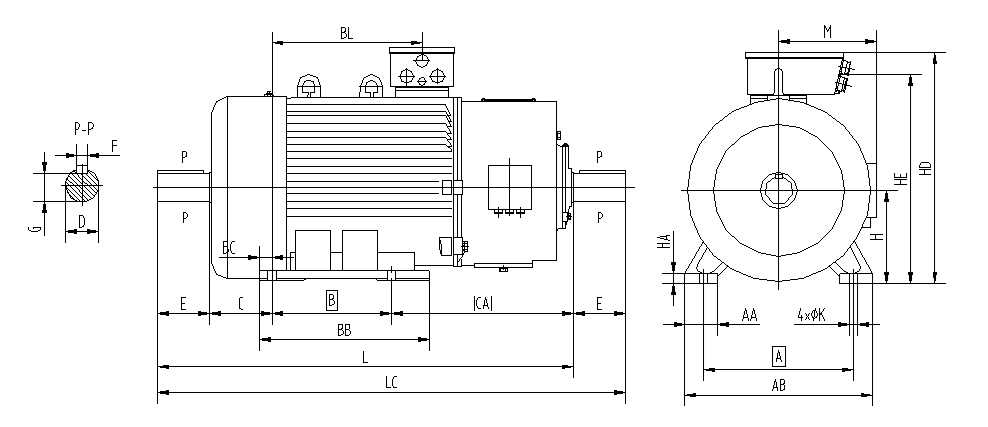
YZR (450-560) Series Wound Rotor Three-Phase Asynchronous Motors for Crane and Metallurgical Applications
Jiamusi Electric Machine Co., Ltd.
Metal sound barriers that can reduce the transmission of road noise
Hebei Jinbiao Construction Materials Tech Corp., Ltd.

Industrial and Commercial Point-Type Gas Detector
Jinan Benan Technology Development Co., Ltd.
Ceiling light | led Ceiling Light | LED Indoor light | LED Ceiling lighting
Queendom Group Technology Co., Ltd.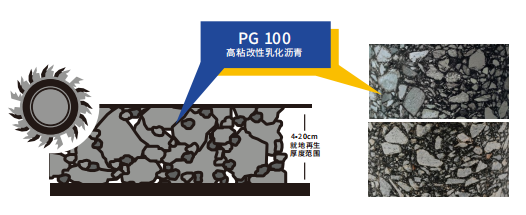
High-toughness in-Situ Cold Recycling Technology for Original Structural Layers
Central Fortune Creation Technology Group Co., Ltd.