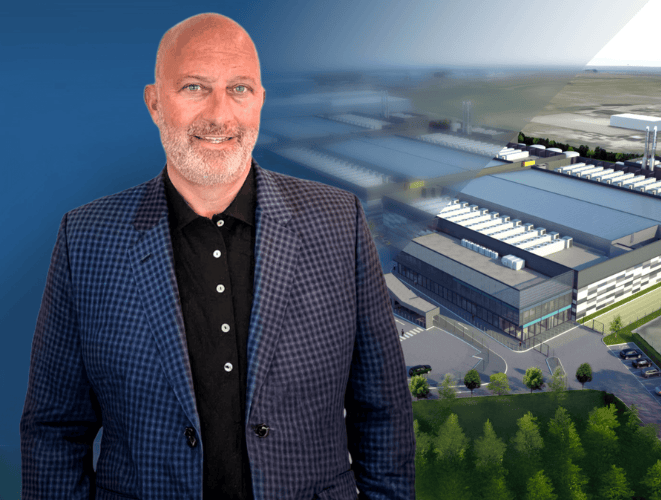
en.Wedoany.com Reported - Macquarie Technology Group has exercised an option to acquire a 34,200-square-meter site in Sydney's Macquarie Park for A$240 million, advancing plans for a technology park and 200 MW data center development. The acquisition is funded through cash and corporate debt, but the project still faces hurdles in settlement, planning, power, construction, customers, and financing before its target operational date at the end of 2029.
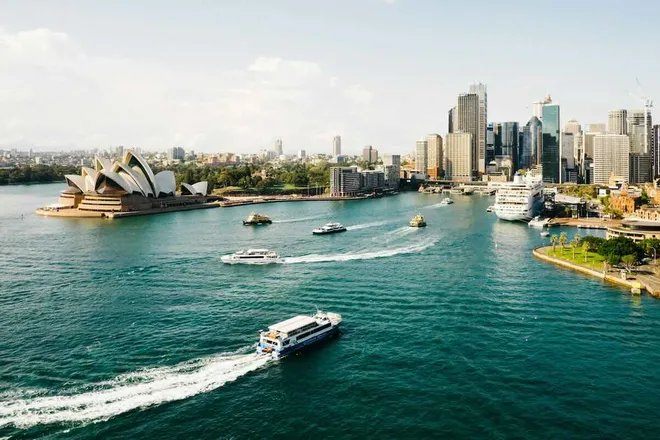
The option was exercised following the completion of the subdivision process, with the transaction moving into standard settlement procedures in the coming weeks. For infrastructure buyers, this marks the first irreversible step in the project, but the overall venture remains highly uncertain. Macquarie now controls a large light industrial site between Talavera Road and the Sydney M2 Motorway, but land control does not equate to control over power, approvals, customers, or construction costs. These variables will determine whether the proposed campus becomes a significant source of capacity in Australia or an expensive asset on the balance sheet while the grid and planning processes run their course.
The company has not disclosed construction budgets, committed customers, detailed delivery timelines, or expected initial capacity. It stated that the design will evolve based on customer requirements, power approvals, funding, and phasing. The 200 MW figure describes the planned campus scale, not capacity that buyers can contract for. It is a large number, but not yet deliverable.
The A$240 million acquisition will be funded through existing cash reserves and Macquarie Technology Group's corporate debt arrangements. This eliminates immediate execution risk for the acquisition but places a substantial land cost within the group before larger capital needs are addressed. A data center campus of this scale requires far more than land. Buildings, substations, transmission connections, backup generation, cooling equipment, security systems, and network infrastructure demand a financing structure capable of withstanding a multi-year development period. Macquarie is considering asset recycling, development partnerships, and other options.
Selling or recycling existing assets could free up capital but would reduce ownership of mature infrastructure or alter earnings quality. Development partners could spread risk and accelerate financing, while also sharing economic benefits and potentially influencing design, customer selection, or exit strategies. Investors need to monitor whether Macquarie retains operational control, property ownership, and the long-cycle cash flows typically used to underpin data center valuations. Initial construction is expected to be completed by the end of 2029, subject to approvals. Therefore, financing may need to be negotiated under uncertain power timelines, construction inflation, and demand forecasts years into the future. Pre-leasing would help, but no customer commitments have been disclosed.
The proposed 200 MW campus is first and foremost a power procurement project. Demand for infrastructure supporting AI workloads has increased interest in larger, denser facilities. However, nominal capacity figures only become meaningful when grid access, connection engineering, and delivery timelines are secured. Macquarie explicitly lists power approvals as a factor influencing the design. This caveat sits at the core of the project. Operators can phase building construction, adjust cooling layouts, and commercial terms, but they cannot operate unavailable megawatts. Delays affect revenue timing and may result in early customers receiving less capacity than anticipated.
The plan uses advanced air-cooling technology with limited water consumption. This may reduce concerns over water availability and community worries associated with water-intensive cooling. However, it does not eliminate thermal challenges. Higher-density AI systems may require more stringent cooling architectures, and customer needs could shift before 2029. The company leaves room to optimize the design, which is prudent, but also means the final technical configuration remains undetermined.
Enterprise and cloud customers care more about delivery guarantees, power density, network connectivity, resilience, security controls, and commercial terms than campus labels. None of these details have been released. The planned engineering and technology park co-located with the data center may aid recruitment, testing, and customer engagement, particularly through Macquarie University's involvement. However, it could also add operational complexity if education, research, public spaces, and critical infrastructure must coexist within a single development.
The university partnership aims to expose students and researchers to data centers, cybersecurity, AI, and cloud technologies. This could strengthen an already tight talent pipeline. Commercial benefits depend on whether the program produces graduates with operational skills, not just campus exposure. Data centers require electrical engineers, facilities specialists, security personnel, and technicians capable of working near live critical systems. Training outcomes will ultimately be measured by hiring results.
Macquarie plans to build a park over one acre in size, a community garden, and an outdoor art gallery on part of the industrial site. These features may aid planning approvals and provide visible local benefits. However, they also occupy land, require maintenance, and introduce public access considerations near infrastructure built around strict security and uptime requirements. The company has a 16-year track record of community programs in the City of Ryde, including literacy, school career planning, and postgraduate pathways. This history may help during consultations but does not exempt the project from scrutiny over traffic, construction disruption, energy use, backup generation, noise, or the appearance of a large data center campus.
Settlement is expected within weeks. After that, most of the harder milestones remain unresolved: development approvals, grid capacity, construction funding, partner terms, customer commitments, and the exact first phase. The land is secured, but nearly all conditions for converting it into operational infrastructure remain uncertain.