Wedoany.com Report-May 28, The Ningbo-Zhoushan Port, recognized as the world’s busiest port by cargo throughput, announced on May 27, 2025, collaborative initiatives with three major European ports—Hamburg and Wilhelmshaven in Germany, and Valencia in Spain. These partnerships aim to establish green shipping corridors and promote low-carbon cooperation to advance sustainable practices in the global shipping industry.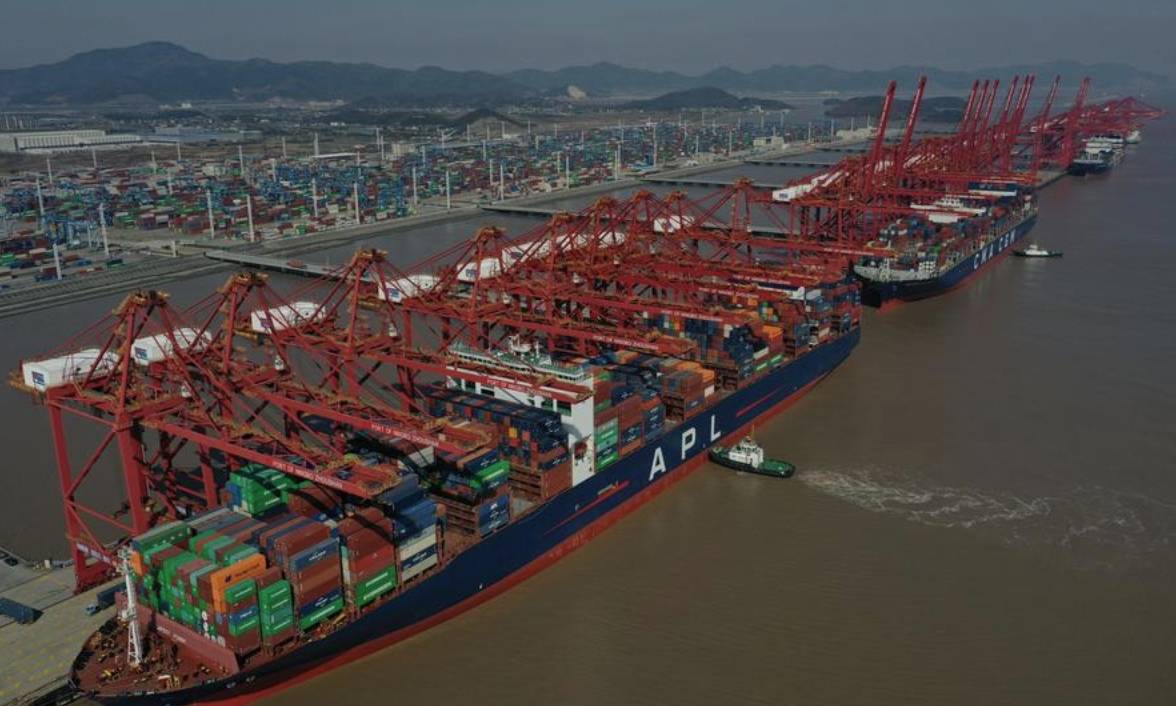
Handling approximately 80% of global trade, the shipping sector faces significant demands to reduce emissions. The initiatives involve collaboration with shipping lines, cargo owners, energy providers, research institutions, and other stakeholders to implement zero-carbon technologies, clean fuels, and smart management systems along designated routes. Key efforts include developing shore power infrastructure, optimizing freight distribution networks, adopting renewable energy solutions, and expanding clean fuel bunkering to achieve net-zero carbon emissions from origin to destination ports.
The Ningbo-Zhoushan Port manages over 300 container routes, including more than 250 international routes, connecting over 600 ports across 200 countries and regions. The port has prioritized sustainability, with 74% of its energy derived from clean sources, reflecting its commitment to green and low-carbon technologies.
“We aim to work closely with ports and shipping companies under the Belt and Road Initiative to support the global green transformation of ports and shipping,” said Tao Chengbo, chairman of the Ningbo-Zhoushan Port Group. These efforts underscore the port’s dedication to fostering environmentally responsible practices and enhancing international cooperation.
By integrating advanced technologies and sustainable practices, the partnerships with Hamburg, Wilhelmshaven, and Valencia aim to set a benchmark for low-carbon shipping corridors, contributing to global efforts to decarbonize maritime transport and promote a sustainable future for international trade.