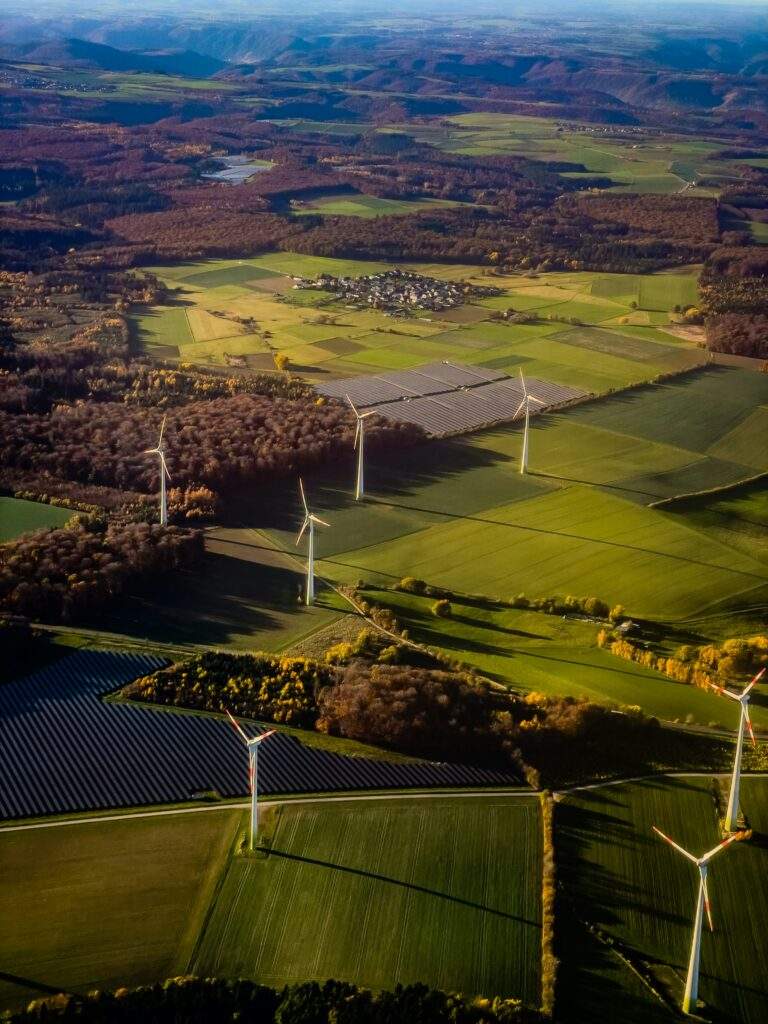
U.S. Data Centers Plan 56 GW of On-Site Generation to Tackle Grid Bottlenecks
en.Wedoany.com Reported - America's rising electricity demand is coming into direct conflict with grid interconnection bottlenecks, forcing data center developers and clean energy companies to accelerate their shift toward on-site generation and distributed energy resources (DER) to bridge the supply gap left by the lengthy construction timelines of traditional transmission lines.
According to a white paper released by Reuters Events, U.S. electricity consumption is projected to grow by 25% to 50% by 2050. As of mid-2026, the planned capacity in the grid interconnection queue has exceeded 2,200 GW, far surpassing the nation's total installed capacity of approximately 1,400 GW. Transmission infrastructure often takes 15 years from project initiation to operation, and this timing mismatch has become a practical obstacle for clean energy developers.
Although investor-owned utilities plan to invest $1.1 trillion in grid construction by 2029, and regional transmission operators (RTOs) such as SPP and MISO are advancing 765 kV extra-high-voltage backbone grid projects, these transmission lines still require six to seven years to build. The lengthy wait is prompting solar, energy storage, and distributed energy resource (DER) suppliers to adjust their strategic positioning.
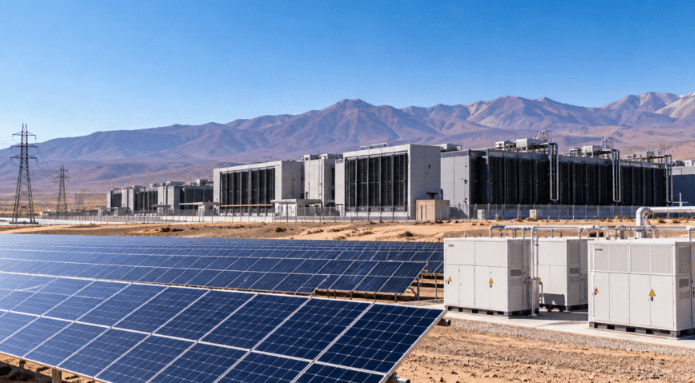
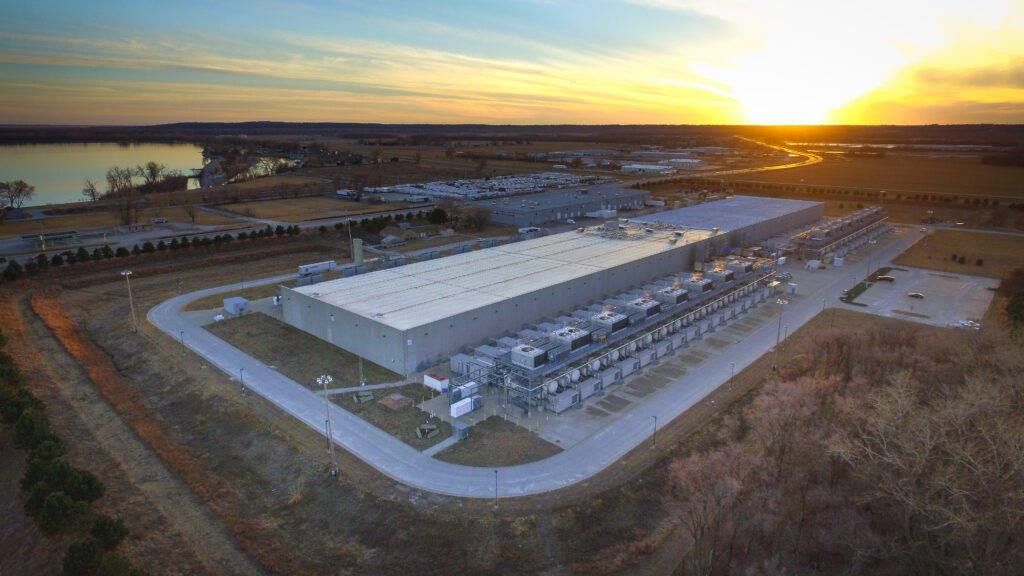
To circumvent grid interconnection delays, data center developers are widely adopting on-site generation solutions. Market intelligence cited in the report shows that as of early 2026, developers had planned approximately 56 GW of on-site generation capacity, accounting for 30% of the total capacity of planned data centers nationwide. Texas leads with over 20.6 GW of planned behind-the-meter capacity, followed by New Mexico (9.2 GW), Pennsylvania (7.5 GW), and Utah (6.0 GW).
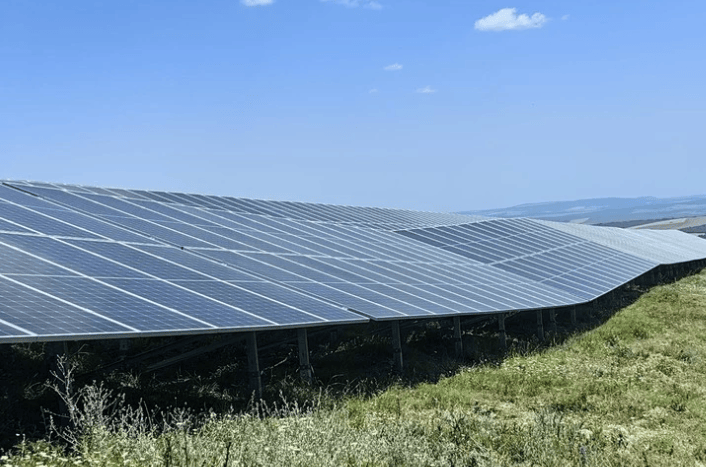
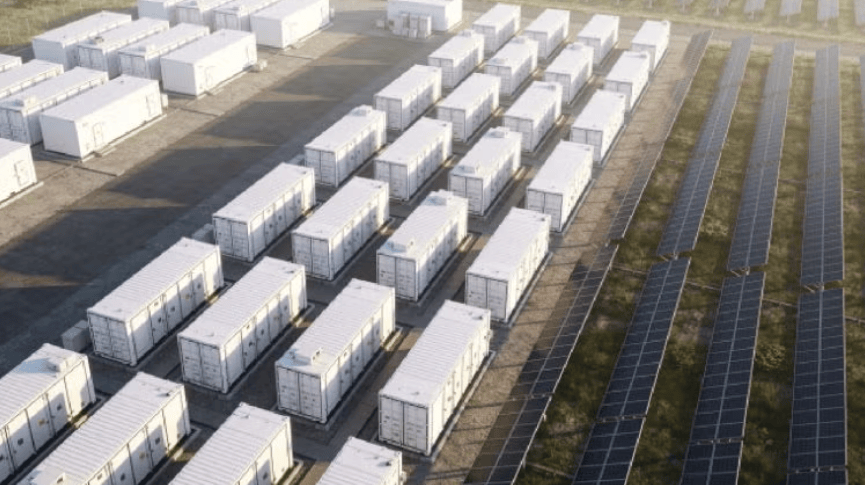
Although natural gas accounts for a significant share of interconnection queue applications in regions such as SPP, the urgent need for rapid deployment is creating clear opportunities for co-located utility-scale solar and battery energy storage systems (BESS). Grid operators are also developing policies to accommodate fast-track interconnection—for example, SPP has introduced the High Impact Large Load Generation Assessment (HILLGA) framework, offering interconnection agreements within 90 days for data centers with self-owned generation facilities.
Beyond co-located hardware, virtual power plants (VPPs) and grid-enhancing technologies (GET) are emerging as key tools for unlocking immediate capacity. Research from The Brattle Group cited in the report indicates that demand flexibility tools—including flexible distributed energy resources, smart thermostats, and battery storage—could unlock up to 200 GW of demand response capacity across utility and wholesale markets.
This trend is accelerating commercial partnerships between technology companies and residential solar and storage aggregators: Sunrun, Tesla, and Renew Home have announced plans to build 16 GW of virtual power plants, leveraging aggregated home batteries and smart devices to provide dispatchable capacity; Google has entered into a three-year partnership with Voltus to aggregate 100 MW of flexible assets to support regional utility capacity.
Against the backdrop of persistent permitting and supply chain constraints on greenfield transmission projects, the ability to deploy behind-the-meter solar, fast-interconnected storage, and aggregated virtual power plant capacity is shifting from a contingency option to a necessary pathway for securing the power supply of America's digital infrastructure.
Related Products
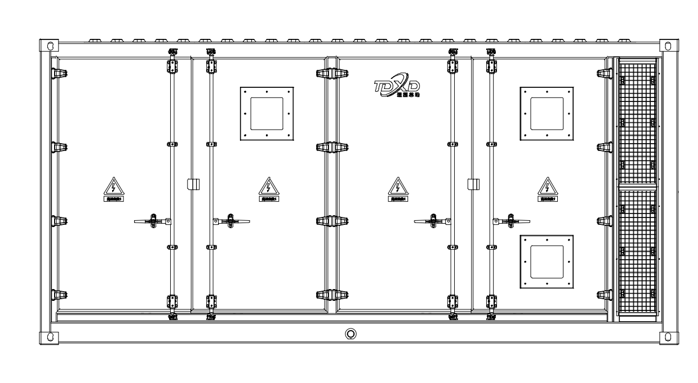

5012kWh DC Energy Storage System TD-EES-5012kWh
Suzhou Tongding Xindong Energy Storage Technology Co., Ltd.

Hydraulic Turbine Genset
Dongfang Electric Corporation Dongfang Electric Machinery Co., Ltd.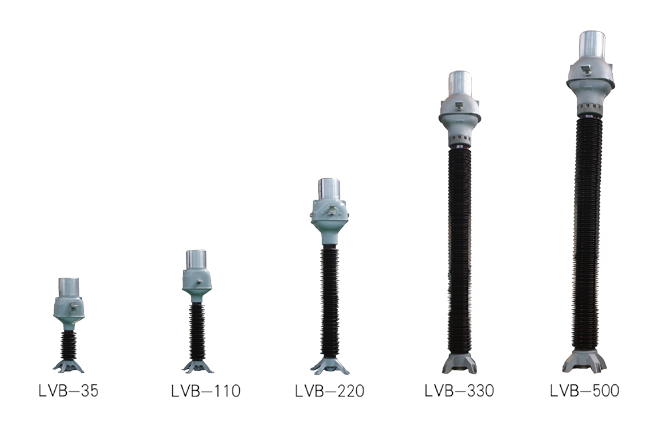
LVB Series 35-500kV Oil-immersed Inverted Current Transformer
Shandong Taikai Instrument Transformer Co., Ltd.
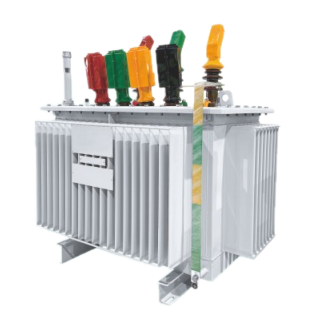
IS(B)□-M·RL Series Oil-immersed 3D Transformer (Planar / 3D Wound Core)
Guangdong Kehua Electric Power Technology Co., Ltd.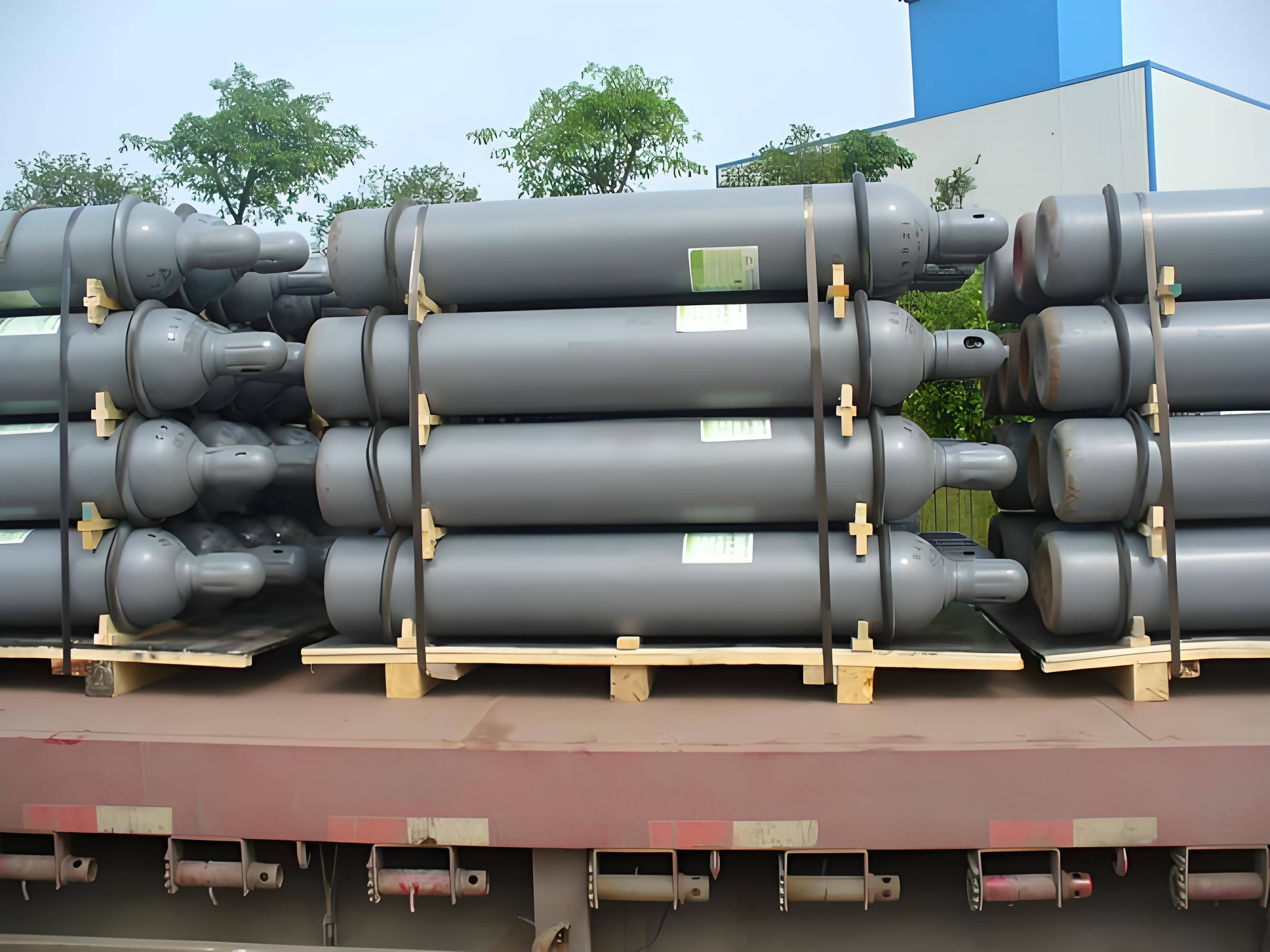
Global Sulfur Hexafluoride Gas Supply and Cylinder Export
Foshan Yuexin Industrial Gas Co., Ltd.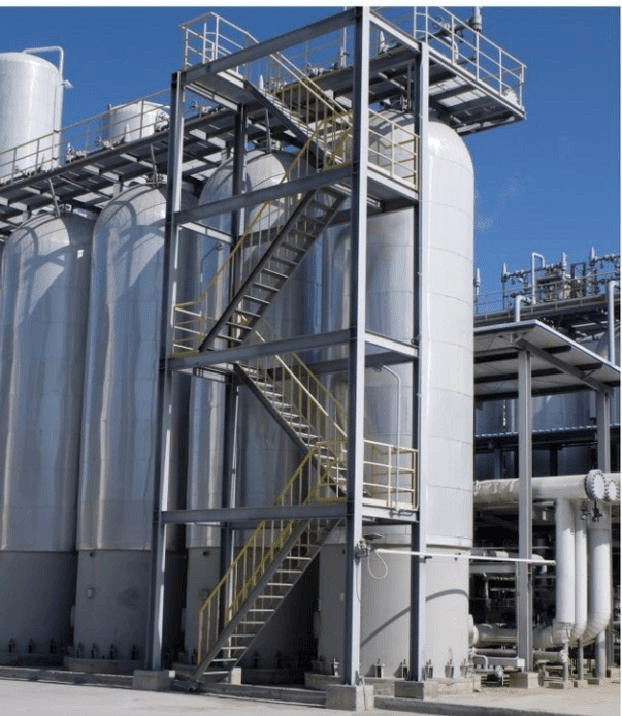
Hydrogen Production Technology: Hydrogen Purification by Pressure Swing Adsorption
Chengdu Yizhi Technology Co., Ltd.