Wedoany.com Report-Jun 24, The first steel has been cut for the BalWin1 offshore wind grid connection project, marking a significant milestone in the development of one of the world’s first 2GW high-voltage direct current (HVDC) platforms. The project is part of Germany’s broader effort to strengthen its offshore wind power transmission infrastructure.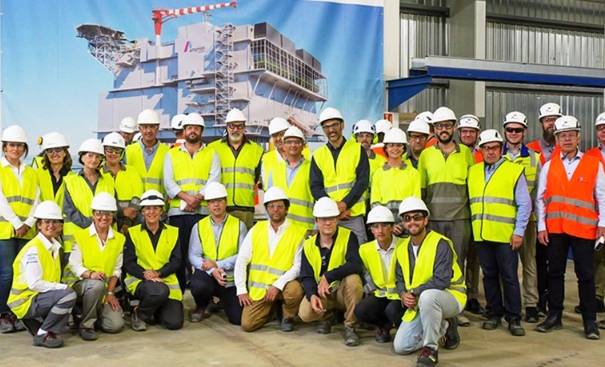
BalWin1, along with BalWin2, are key grid connection systems that will transmit wind-generated electricity from the North Sea into the transmission grid operated by Amprion, one of Germany’s major grid operators. The two systems are designed to operate in parallel, with subsea and onshore cables laid along largely identical routes—from offshore sections in the North Sea to coastal mudflats near Norderney, and further inland to the final grid connection points.
For BalWin1, the grid connection point is located in Wehrendorf, in the southern Osnabrück region of Germany. Once operational, the system will enhance the capacity and efficiency of renewable energy transmission across the country.
Spanish construction firm Dragados Offshore hosted a steel-cutting ceremony to mark the commencement of physical work on the platform. In a public statement, the company noted: “This milestone represents the beginning of a groundbreaking journey, made possible by the outstanding collaboration between Amprion, Siemens Energy, and Dragados Offshore. Together, we are shaping the future of energy transmission and driving the energy transition forward. A big thank you to everyone involved – this is just the beginning!”
The BalWin1 project involves close cooperation between multiple stakeholders, including technology provider Siemens Energy. The use of 2GW HVDC platforms reflects advancements in energy transmission technologies, enabling the transport of large volumes of wind-generated power over long distances with minimal losses.
Both BalWin1 and BalWin2 will play a crucial role in achieving Germany’s renewable energy goals, contributing to the broader European transition towards sustainable energy sources. These infrastructure projects are also expected to support long-term energy stability and reduce dependency on traditional fossil fuel-based power generation.
The parallel development and installation of the two systems are expected to streamline logistics and reduce overall project timelines. By optimizing the shared use of cable routes and infrastructure, Amprion aims to ensure efficient implementation and cost-effective delivery of both systems.
This development reflects ongoing efforts across Europe to expand offshore wind capabilities and improve power grid integration, particularly through high-capacity, next-generation transmission systems. BalWin1, now entering the construction phase, is poised to become a foundational element in Germany’s future power supply network.