Double Thumbs-up for Amine Capture and CCS Retrofit Plans at Immingham Plant
Wedoany.com Report-Oct. 8, VPI has obtained an environmental permit for its amine-based carbon capture technology and planning approval from North Lincolnshire Council for a carbon capture and storage (CCS) retrofit at its combined heat and power plant in Immingham, North Lincolnshire. The Environment Agency granted the permit following a consultation on amine technology launched in January 2025, which established environmental assessment levels for solvent emissions.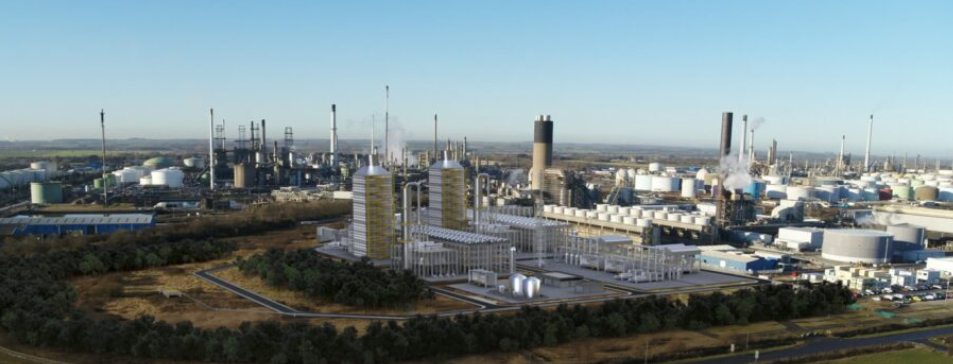
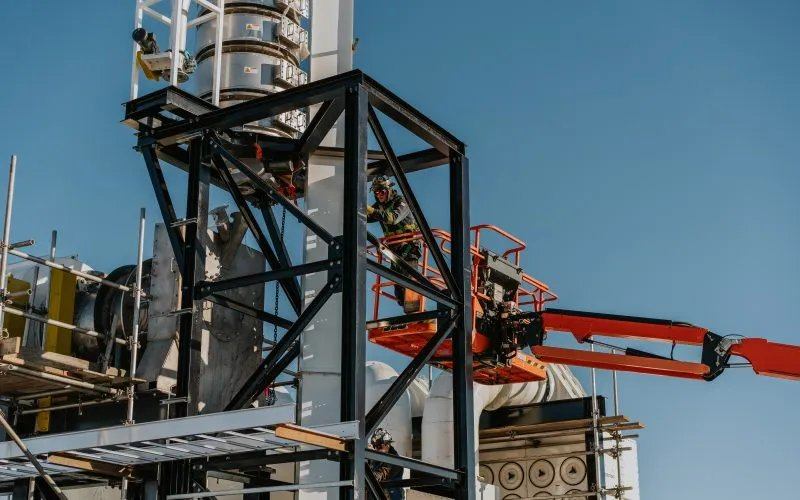
The retrofit project will equip the existing VPI plant to capture carbon dioxide from its gas turbines and boilers using post-combustion amine capture technology, which employs solvents to absorb CO2 from flue gases. The captured carbon will be compressed and transported via a 55km pipeline to Theddlethorpe gas terminal for storage in depleted gas fields under the North Sea.
The initiative is a key component of the Humber Zero and Viking CCS industrial cluster, led by Harbour Energy and BP, aiming to store CO2 from regional emitters by 2027. The project is expected to capture up to 3.3 million tonnes of carbon annually, providing the scale needed to support the Viking CCS network’s transport and storage infrastructure.
“The permit and planning permission reflect VPI’s dedication to ensuring our project meets one of the key criteria for making CCS a success, delivering the project swiftly and establishing the Humber as a central hub for this emerging industry,” said Jonathan Briggs, VPI’s director of development and delivery.
VPI’s next steps involve securing formal recognition as an anchor emitter for the Viking CCS cluster and obtaining co-funding for further development. These milestones, targeted for April 2026, will keep the project on track for a final investment decision within the current parliamentary term. The initiative is projected to create 20,000 jobs during peak construction, boosting the local economy and supporting the UK’s net-zero goals.
The Immingham retrofit leverages existing infrastructure to provide low-carbon power and steam to nearby industries, enhancing energy efficiency while reducing emissions. By integrating with the Viking CCS network, the project supports the decarbonization of the Humber region, a major industrial hub, while fostering sustainable economic growth through job creation and innovation in carbon capture technology.
Related Products
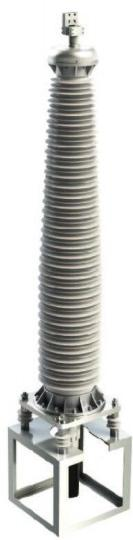

220kV Composite Outdoor Cable Terminal
Shenyang Guolian Cable Accessories Manufacture Co., Ltd.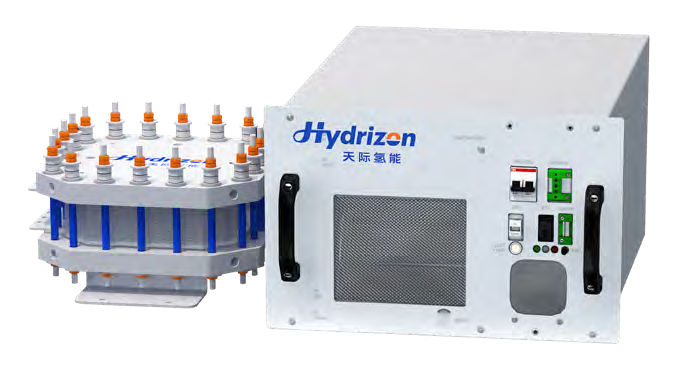
HI-Pro Green Hydrogen High-efficiency Production System-HI-PRO-AEM
Hydrizon Technology (Beijing) Co., Ltd.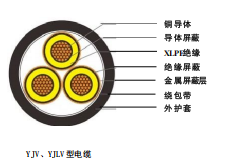
Rated Voltage 6-35kV Cross-linked Polyethylene Insulated Power Cable
TONGDING INTERCONNECTION INFORMATION CO., LTD.
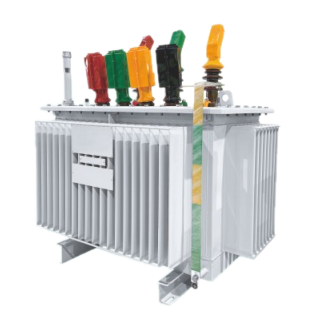
IS(B)□-M·RL Series Oil-immersed 3D Transformer (Planar / 3D Wound Core)
Guangdong Kehua Electric Power Technology Co., Ltd.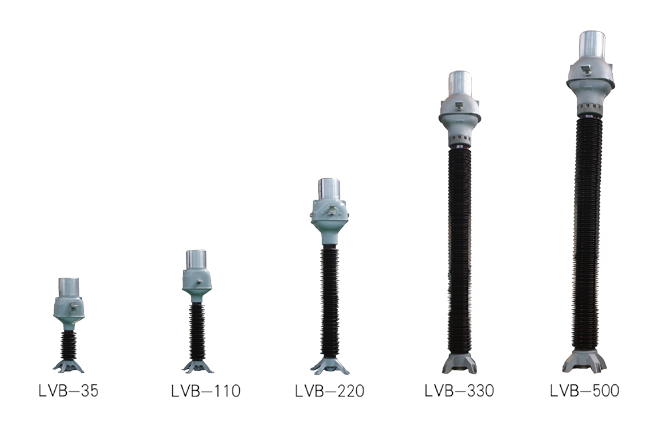
LVB Series 35-500kV Oil-immersed Inverted Current Transformer
Shandong Taikai Instrument Transformer Co., Ltd.
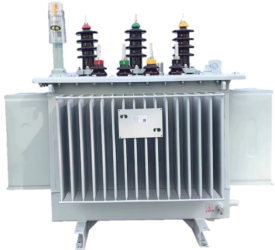
Oil-immersed Amorphous Alloy Core Distribution Transformer
Pinggao Group Smart Electric Co., Ltd.
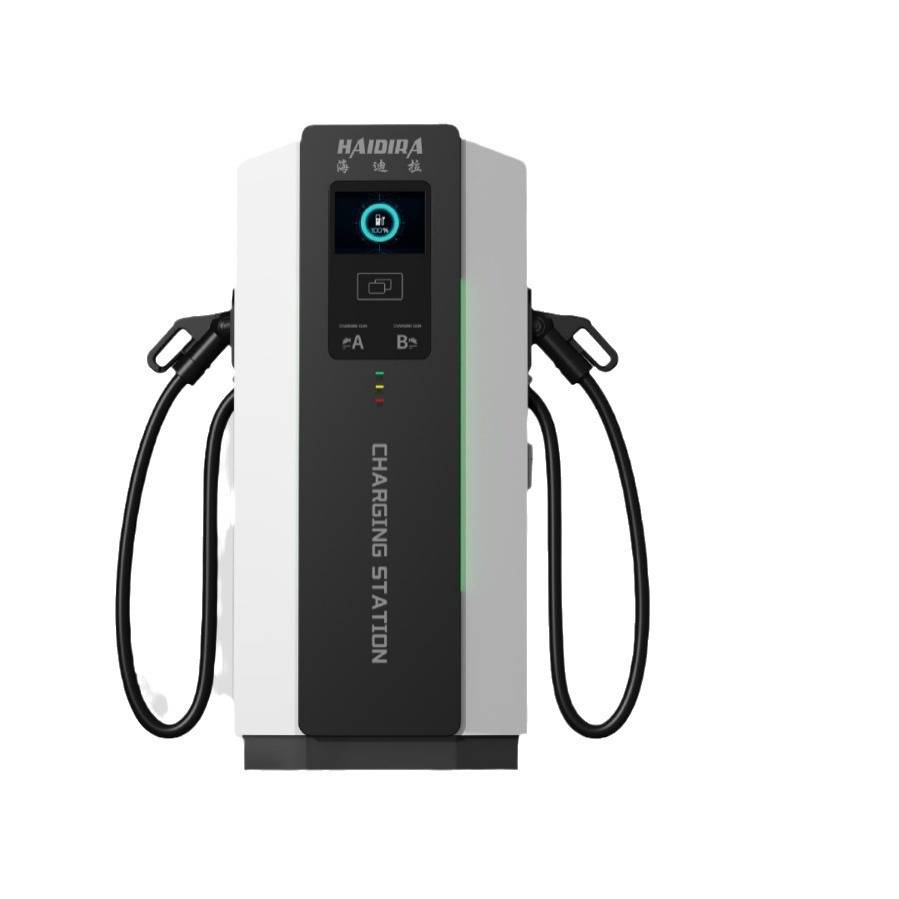
Manufacturer Direct Sales Tesla New Energy Electric Vehicle Universal DC 180kW Dual-gun Charging Pile Commercial Fast Charger
Anhui Haidira Electric Technology Co., Ltd.