Wedoany.com Report-Nov. 4, Turkey has commenced construction of a domestic electric high-speed train manufacturing and testing facility in Sakarya, according to Transport and Infrastructure Minister Abdulkadir Uraloğlu. The initiative is aimed at boosting local rail vehicle production capacity and supporting the country’s national transport technology ecosystem.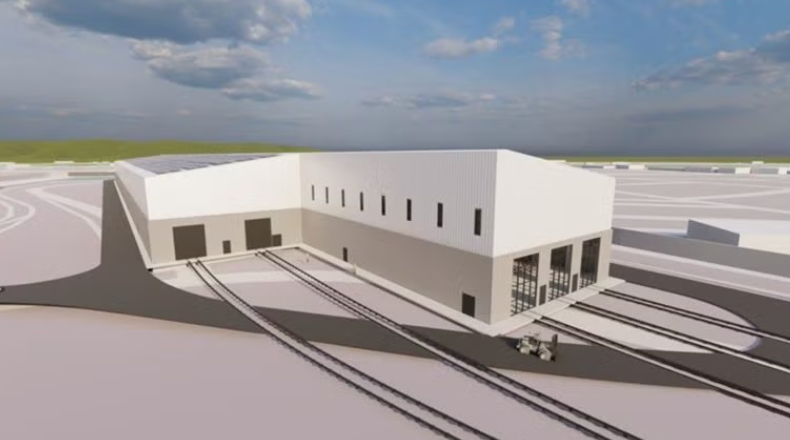
The new factory is expected to create approximately 250 jobs and, once operational, contribute $84m annually to the economy.
Minister Uraloğlu said: “Thanks to the high value-added products we will produce in our manufacturing facility, we will provide strong support to Türkiye’s R&D and technology infrastructure, the development of domestic industry, employment and the overall economy.” The facility is expected to employ around 250 people and contribute approximately TL 3.5 billion ($84 million) per year to the economy once operational.
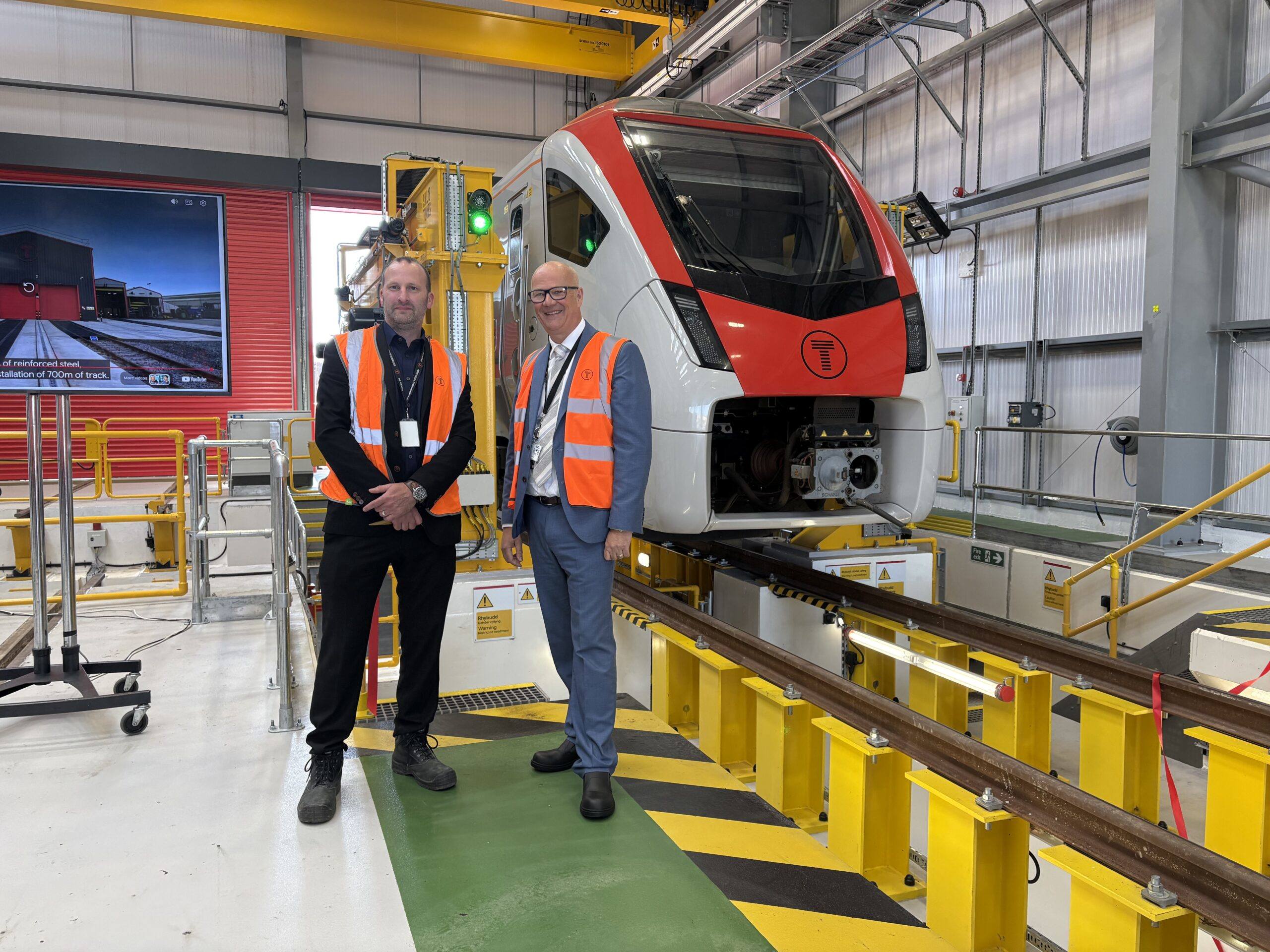
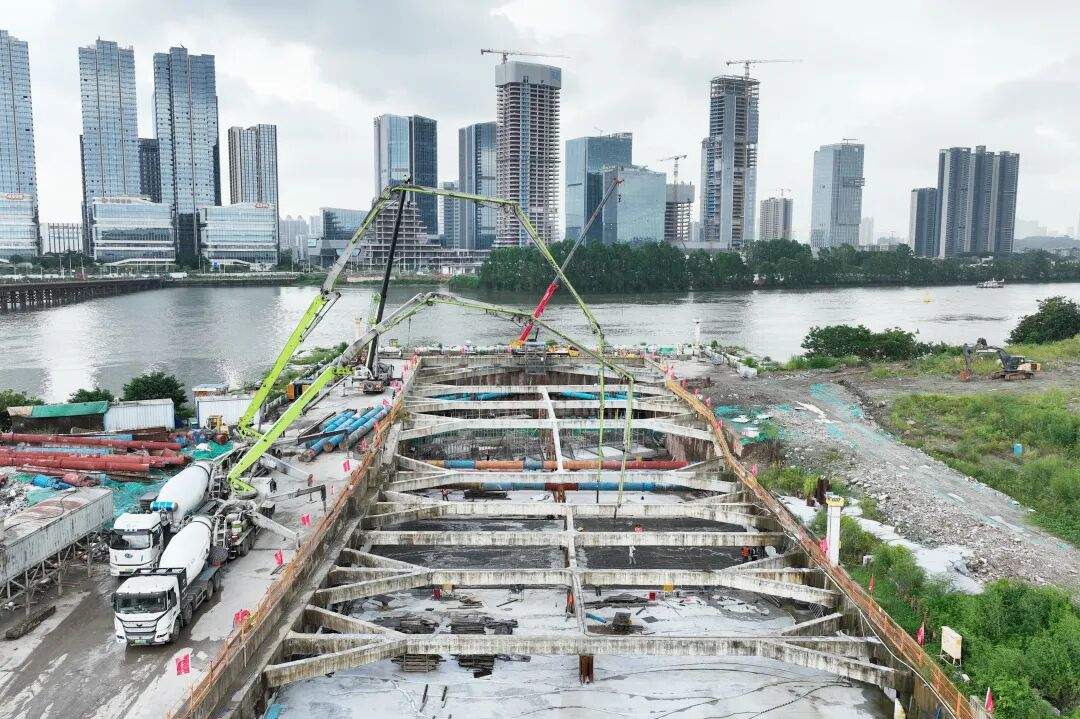
The factory will cover about 15,000 m² within the Sakarya Regional Directorate of Türkiye Rail System Vehicles Industry (Türasaş). It is designed to produce and test up to 12 high-speed train sets annually, engineered and assembled in Türkiye, with trains capable of reaching operational speeds of up to 225 km/h. Preparatory earthworks have concluded, and ground improvement is underway to support foundation construction.
The project is part of a broader effort to modernize and expand Türkiye’s rail network infrastructure. The plant is intended to complement ongoing investments in rail systems, supporting national objectives for technological autonomy in the rail sector.
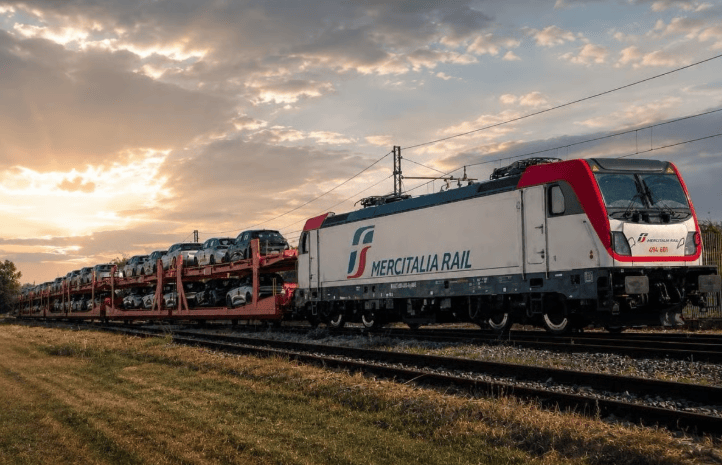
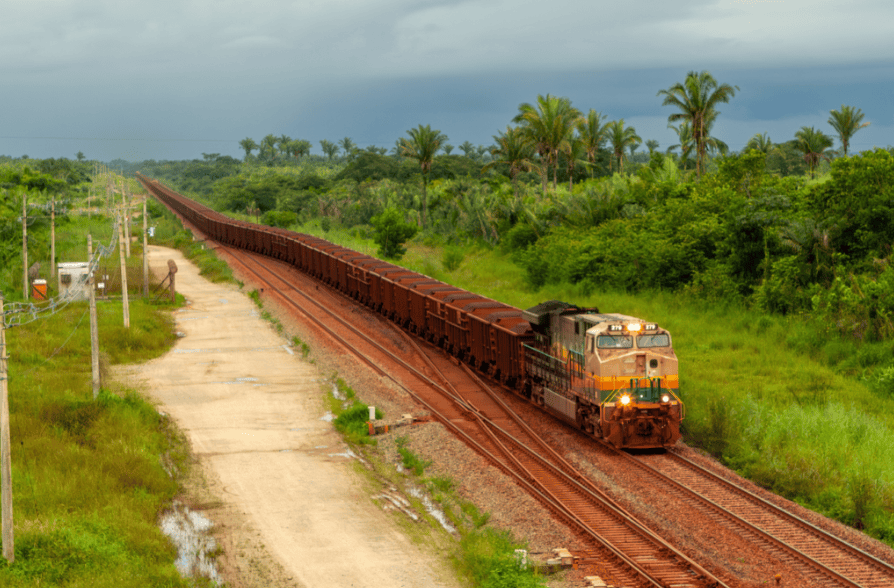
In a related development, in March 2024, Türasaş signed a contract with the national rail operator TCDD for 95 locomotives. These units, Eskişehir 5000 Electric Mainline Locomotives (E5000), are dual-purpose, designed for both passenger and freight operations. Each locomotive delivers 5000 kW of power and can reach speeds up to 140 km/h.
The new facility in Sakarya will strengthen Türkiye’s domestic production capabilities, creating a pipeline for high-speed trains to operate on the expanding network while enhancing research, development, and local industry growth. It aligns with the government’s plan to support high-value manufacturing and innovation in strategic sectors.
By developing trains and locomotives domestically, Türkiye aims to reduce reliance on imports, create employment, and foster a sustainable and advanced rail transport ecosystem. The facility will serve as a testing, production, and R&D hub, ensuring new trains meet national safety and performance standards.
This step marks a significant milestone in Türkiye’s rail technology development, complementing prior investments in rolling stock and infrastructure upgrades. Over time, the facility is expected to strengthen the country’s position in high-speed rail manufacturing while contributing to economic growth and employment in Sakarya.
In summary, the Sakarya high-speed train facility represents a strategic investment in domestic manufacturing, technological autonomy, and rail network modernization, supporting both current and future rail transport needs in Türkiye.