Wedoany.com Report-Nov. 11, China has announced it will lift its export ban on gallium, germanium, and antimony to the US for about one year, marking a further step in easing trade tensions between the world’s two largest economies. The decision was confirmed in a statement by China’s commerce ministry on Sunday. The ban, originally imposed in December 2024, had been a response to US export controls on high-bandwidth memory chips.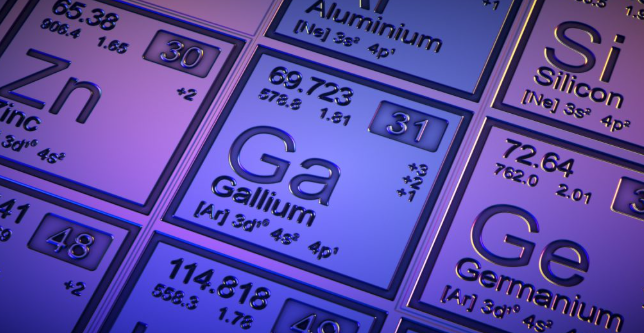
These three minerals are considered critical by the US for national security and economic purposes. Gallium is essential for semiconductors and advanced radar technology, germanium is used in infrared systems, fiber optic cables, and solar cells, and antimony is applied in military uses such as flame retardants and ammunition primers.
China is a dominant global supplier of these minerals. According to consultancy Project Blue, it accounted for nearly 60% of global refined germanium production, 99% of refined gallium output, and almost half of mined antimony in 2023. The US Geological Survey estimates that the previous ban on gallium and germanium alone could have cost the US economy $3.4 billion, with around half of the impact affecting the semiconductor industry, a key technology sector.
The Chinese commerce ministry said the suspension of export curbs will last until November 27, 2026, without providing additional details. The move follows a recent agreement by China to suspend additional export controls introduced in early October on rare earths and other battery minerals for one year.
The decision is expected to ease supply concerns for US manufacturers and support global semiconductor and electronics production. Analysts note that securing reliable access to these critical minerals is crucial for advanced technology sectors, including semiconductors, telecommunications, renewable energy, and defense systems.
By pausing the restrictions, both countries aim to stabilize supply chains and reduce disruptions in high-tech manufacturing. The US semiconductor industry, which relies heavily on gallium and germanium, stands to benefit from resumed imports, while antimony supplies will support manufacturers requiring specialized materials.
This one-year suspension reflects a broader effort to manage trade frictions while maintaining strategic access to essential resources. Observers note that the temporary nature of the measure allows both countries flexibility to adjust policies based on market and geopolitical developments.
The lifting of these export restrictions is seen as a positive development for global technology supply chains, particularly in areas where the US had faced production bottlenecks due to limited access to these critical minerals. It also complements ongoing discussions between China and the US to reduce tensions in other resource and technology sectors.
In summary, China’s decision to suspend the export ban on gallium, germanium, and antimony until late 2026 provides relief to US industries dependent on these materials, strengthens supply chain stability, and signals a step toward further de-escalation in bilateral trade relations.