Dubai RTA Awards Key Road Intersection Upgrade Contract
Wedoany.com Report-Dec.17, Dubai's Roads and Transport Authority (RTA) has contracted for the enhancement of the intersection linking Sheikh Zayed bin Hamdan Al Nahyan Street, Al Awir Road, and Al Manama Street.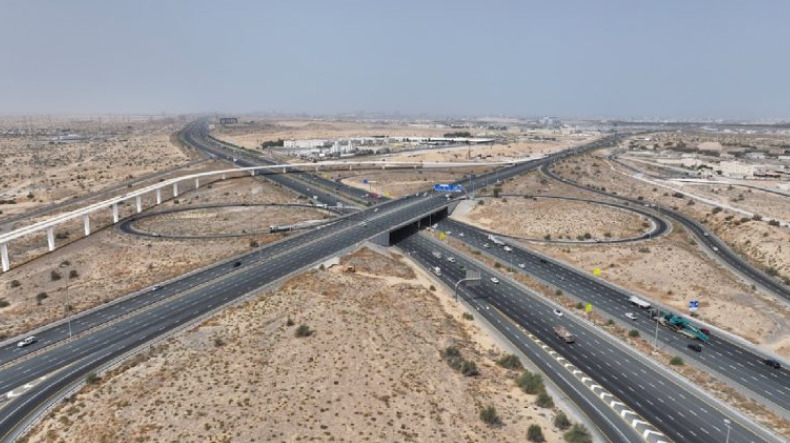
The corridor's capacity will rise from 5,200 vehicles per hour to 14,400 vehicles per hour in both directions.
This development forms part of ongoing efforts to upgrade Sheikh Zayed bin Hamdan Al Nahyan Street, addressing projected increases in vehicle movement within the vicinity.
The scope encompasses building 2,300 metres of bridges, expanding lane configurations, surfacing parallel service roads along principal segments in both directions, and creating additional entry and exit points to benefit nearby residential and commercial districts.
Completion is targeted for the third quarter of 2028.
Upon finishing, the corridor's handling ability is forecasted to grow from 5,200 vehicles per hour to 14,400 vehicles per hour across both directions. Journey durations through the intersection are expected to decrease substantially, from 20 minutes to five minutes.
The initiative aligns with RTA's comprehensive roadmap for infrastructure advancements throughout Dubai.
RTA board of executive directors chair Mattar Al Tayer said:" Undertaking this project is part of RTA's master plan to develop the roads, bridges, crossings, and tunnels network to accommodate growing traffic volumes, enhance mobility, and ensure smoother traffic flow across Dubai. This plan supports the needs of urban expansion and population growth. The project serves residential and development areas with a combined population of residents and visitors exceeding 600,000."
Previous stages involved finishing a grade-separated interchange near Global Village at Latifa bint Hamdan Street, a controlled roundabout at Al Qudra Street, and a signal-managed junction at Hessa Street.
Additionally, RTA established dual four-lane roadways over a 25-kilometre stretch from Dubai-Al Ain Road to Al Yalayis Street roundabout, incorporating modifications at multiple adjacent crossings.
These elements represent interim solutions slated for later refinements.
Another segment covered upgrades spanning roughly 3 kilometres between Dubai-Al Ain Road and Academic City roundabout, featuring two 120-metre bridges at the Dubai Silicon Oasis junction, each with four lanes per direction and a combined capacity of 14,400 vehicles per hour.
Al Tayer added: "The project includes converting the existing roundabout into a grade-separated intersection that enables free-flowing traffic movements in all directions. The works involve constructing main bridges on Sheikh Zayed bin Hamdan Al Nahyan Street with four lanes in each direction, along with building ramps for right- and left-turn movements, each comprising two lanes.
"The project also includes constructing a bridge at the intersection of Al Awir Road with Emirates Road to serve traffic heading towards Al Awir and Sharjah, as well as developing parallel service roads along Sheikh Zayed bin Hamdan Al Nahyan Street and Al Awir Road in both directions to provide safe access points serving the surrounding development areas."
A ground-level crossing beneath the bridges now features 20 lanes capable of managing up to 8,000 vehicles per hour, facilitating movement toward Dubai Silicon Oasis, Zayed University, and the Academic City area.
These coordinated enhancements promote efficient circulation, reducing delays and supporting expanded urban zones accommodating over 600,000 individuals.
By prioritizing multi-level separations and widened pathways, the design optimizes throughput while maintaining accessibility for local traffic.
Service roads ensure seamless connections to emerging communities, balancing regional flow with neighborhood requirements.
The overall approach reflects proactive planning to match infrastructure with demographic and developmental trends.
Future-oriented features, such as dedicated ramps and expanded capacities, position the network for sustained performance amid ongoing city growth.
Integration of signal systems at lower levels complements elevated structures, creating layered solutions for diverse travel patterns.
This phased strategy demonstrates commitment to progressive improvements, enhancing connectivity across key corridors in Dubai.
Related Products


Industrial and Commercial Point-Type Gas Detector
Jinan Benan Technology Development Co., Ltd.
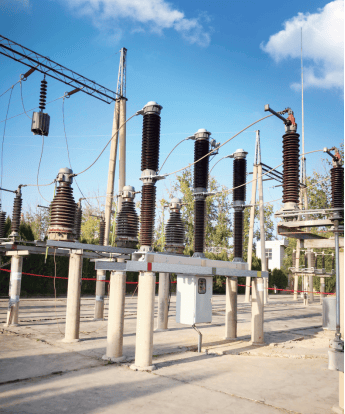
145kV Porcelain Column Type Sulfur Hexafluoride Circuit Breaker
TBEA ZONFA Shanghai High Voltage Switchgear Co., Ltd.
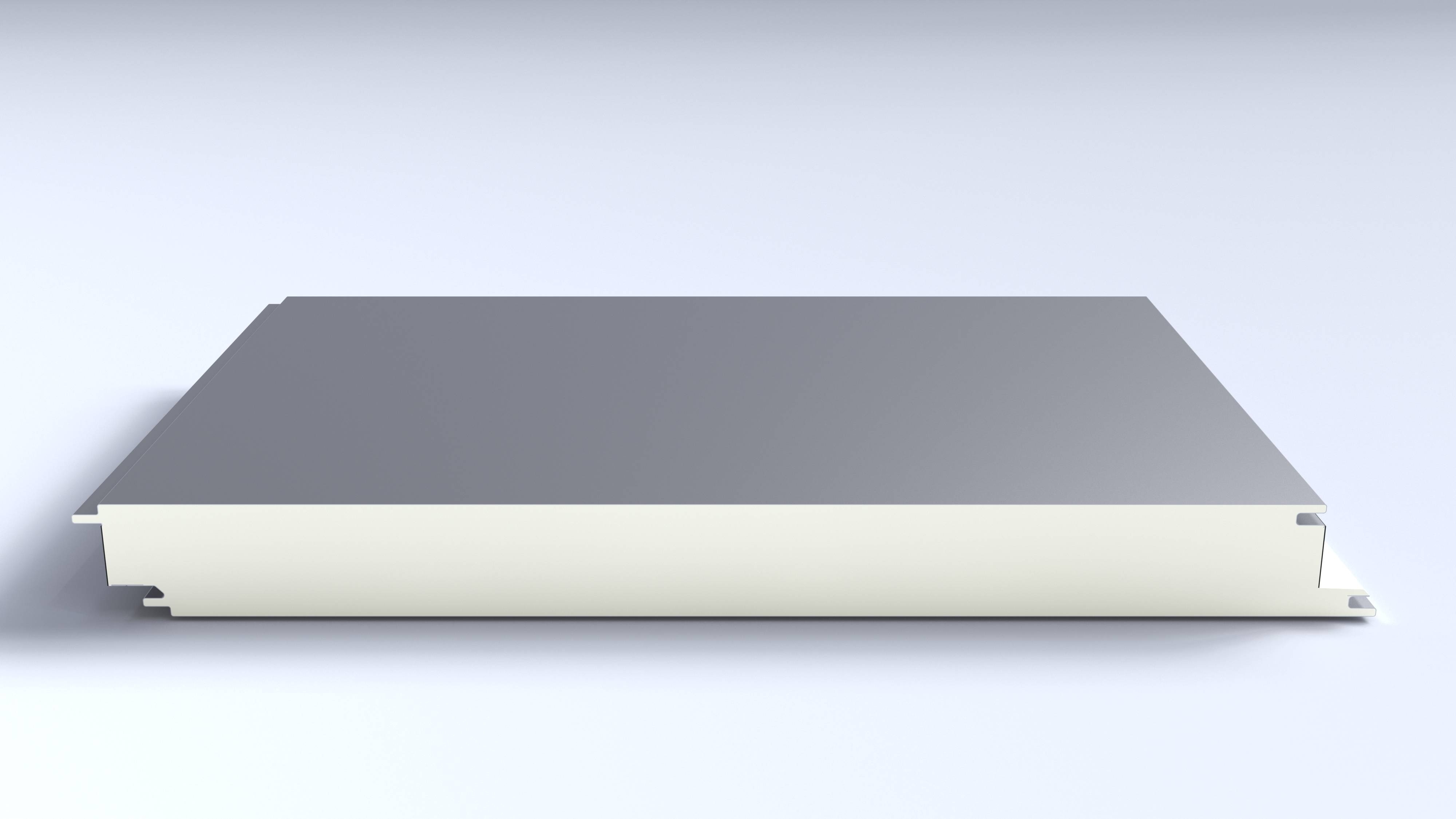
Pure Polyurethane Wall Panel BD-AEF-PIR-01
Baodu International Engineering Technology Co., Ltd.
YHTank8400N Solvent-Free Liquid Epoxy Coating
JIANGSU YUNHU NEW MATERIAL TECHNOLOGY CO., LTD.
CITIC Heavy Industries Tunneling Equipment Tunnel Engineering Shield Machine
CITIC Heavy Industries Co., Ltd.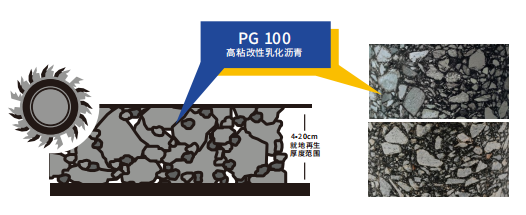
High-toughness in-Situ Cold Recycling Technology for Original Structural Layers
Central Fortune Creation Technology Group Co., Ltd.