China Railway Group Expands Scope of "One Bill of Lading" Service for Container Multimodal Transport
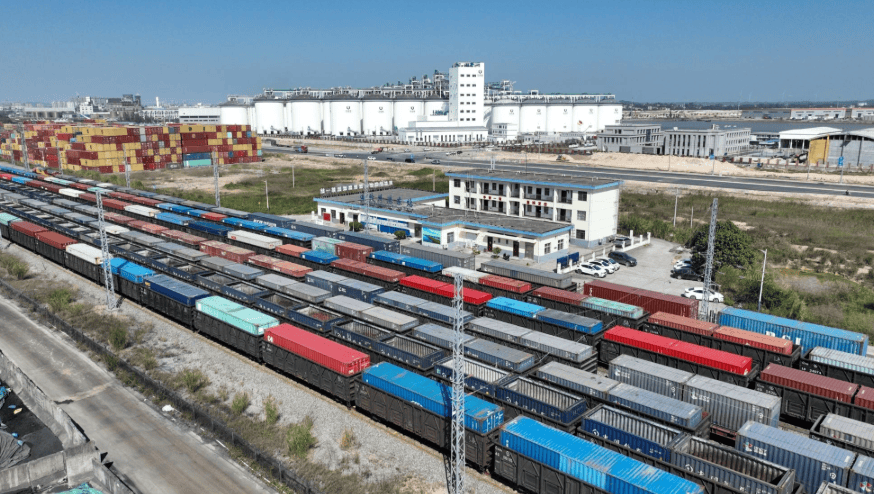
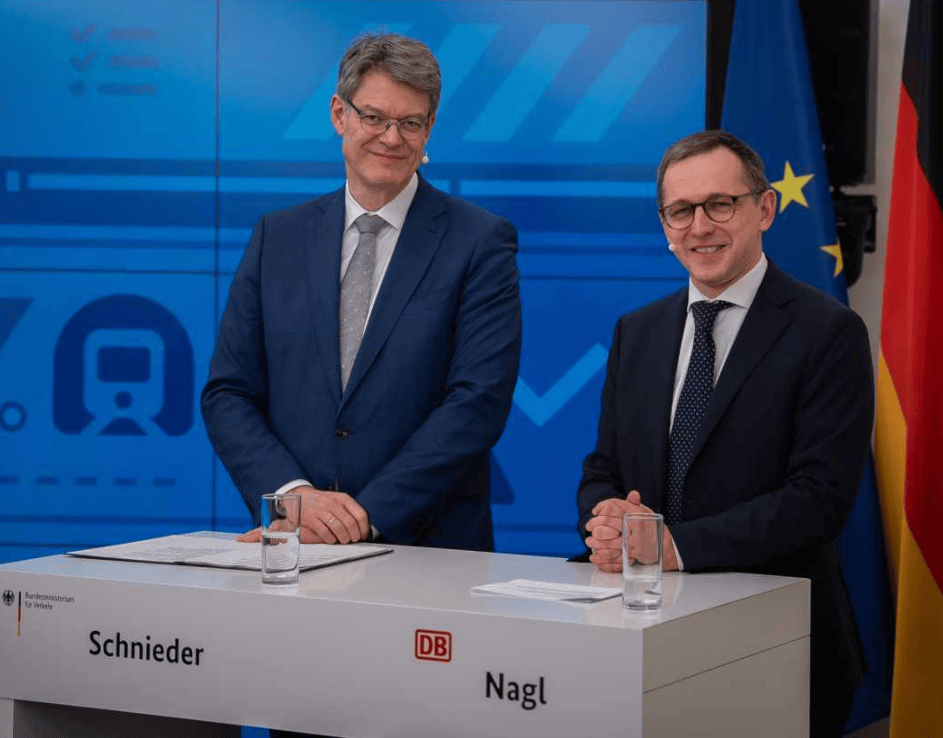
On December 23, China Railway Group signed cooperation agreements with seven shipping companies, including Tangshan Port Hede Shipping Co., Ltd. and Sinotrans Limited, to jointly launch the "One Bill of Lading" transport service for container multimodal transport. This move increases the number of shipping companies cooperating in the "One Bill of Lading" multimodal transport to 11. The parties plan to leverage their respective advantages to collaboratively launch more such transport products, aiming to expand the service scope and improve operational quality.
The head of the Freight Department of China Railway Group introduced the progress of the "One Bill of Lading" multimodal transport: "In February 2025, China Railway Group had already signed cooperation agreements with four shipping companies, including Zhonggu Logistics, to jointly carry out 'single document' transport for container multimodal transport. This achieved the integration of waybills between carriers of rail and water transport modes, eliminating the need to separately fill out railway freight waybills and waterway freight waybills. It innovatively created a new model for rail-water intermodal transport featuring 'one-time entrustment, one document throughout, one container throughout, and one-time settlement,' improving transport efficiency and reducing overall logistics costs."
The official stated that signing agreements with these seven new partners aims to further expand the service coverage of the "One Bill of Lading" transport for container multimodal transport and effectively enhance the multimodal transport channels in the Yangtze River basin. Customers can submit multimodal transport waybill information through the Railway 95306 platform, which coordinates waterway booking and railway wagon ordering. The railway transport enterprise will be responsible for receiving the containerized goods and collecting the full journey fee in one go. After the goods arrive at the destination port and port evacuation operations are completed, they will be delivered to the consignee. Customers can track the cargo status throughout the entire journey.
Related Products

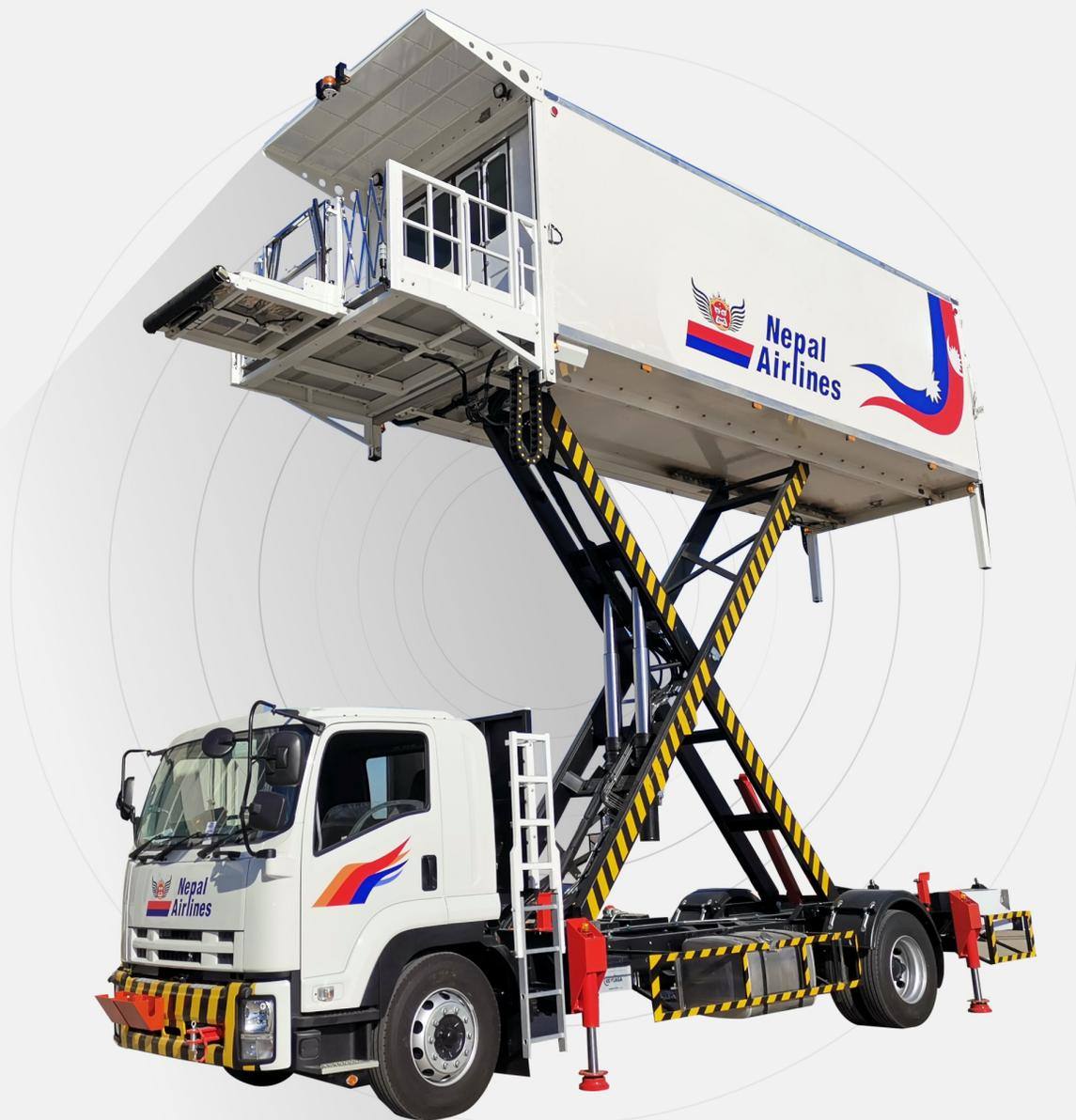
XC-6000e Type Aviation Catering Truck (Fuel Type)
Shenzhen CIMC-TianDa Airport Support Ltd.
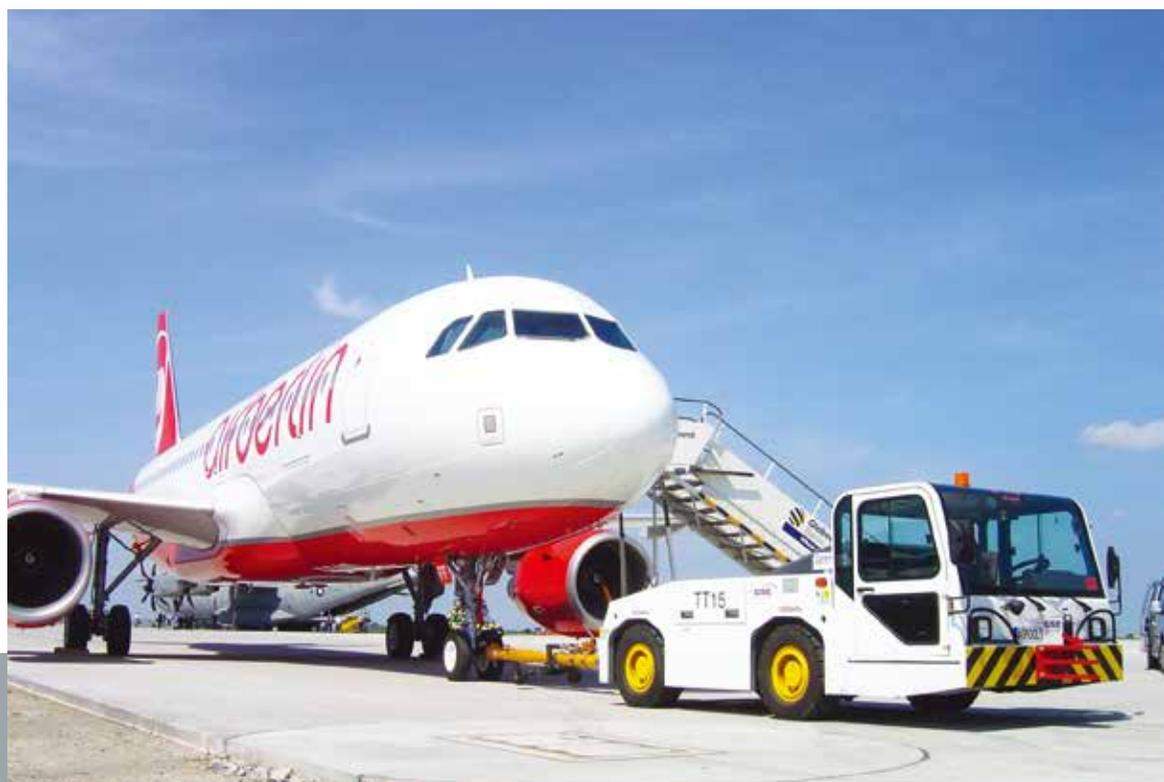
WGQY Series Aircraft Tow Tractor-WGQY15, WGQY27
Weihai Guangtai Airport Equipment Co., Ltd.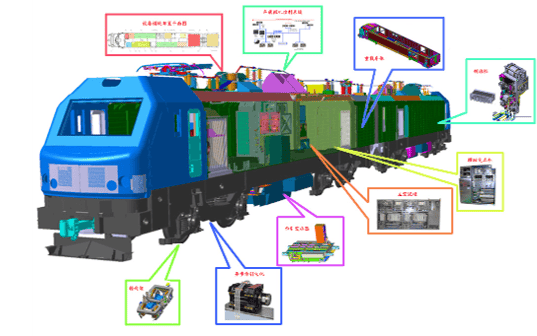

Pantograph-Catenary Comprehensive Detection Device (1C)
CHENGDU TANGYUAN ELECTRIC CO., LTD.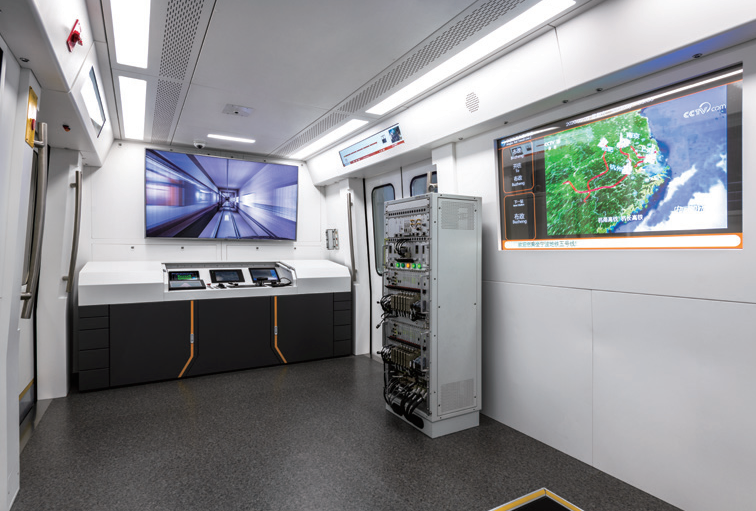
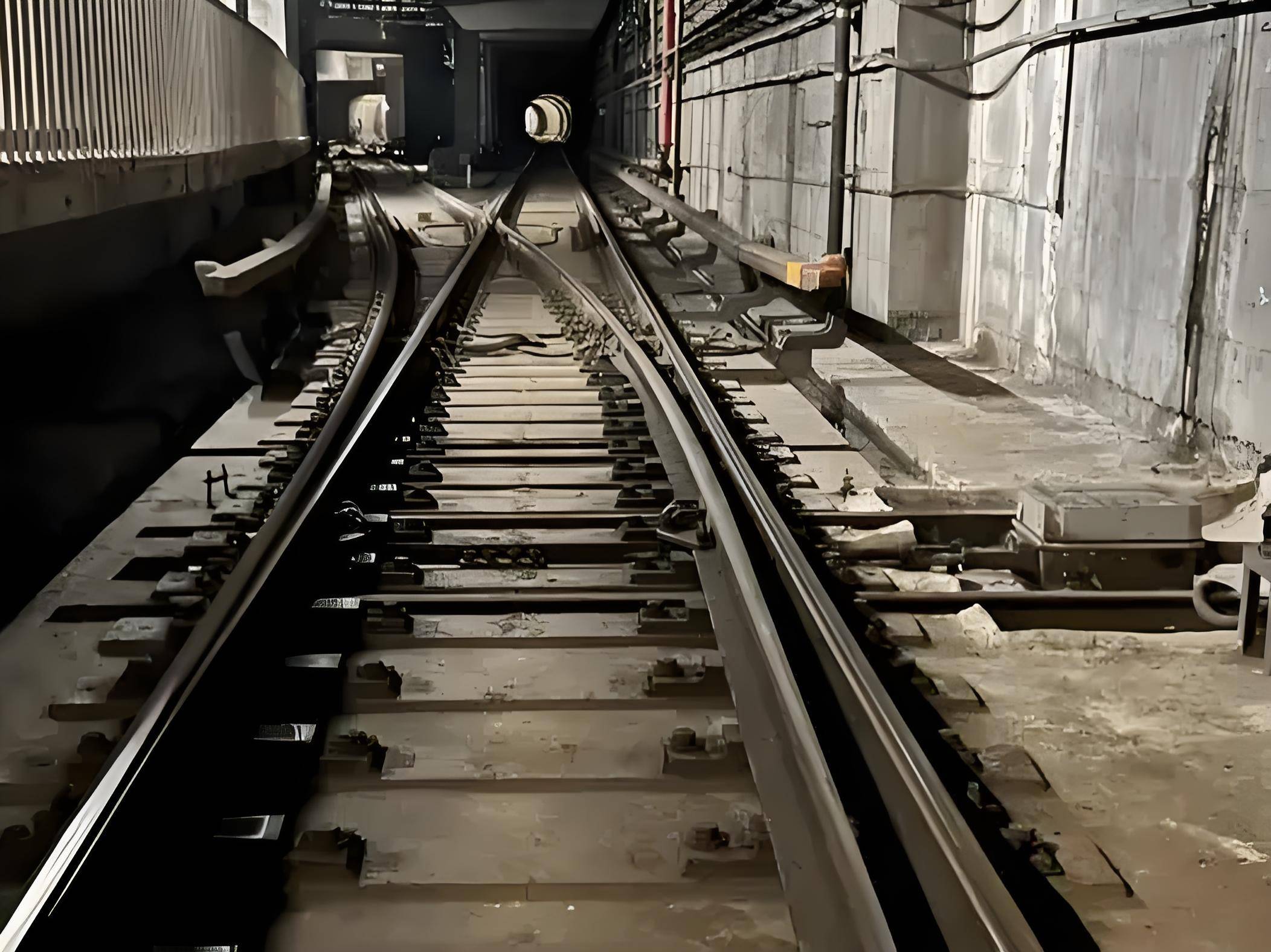

Wheel and Track Technology Business
Beijing Research & Design Institute of Rubber Industry Co., Ltd.