Molins Drives Low-Carbon Transformation in Cement Industry
Wedoany.com Report-Dec.31, Cement, an indispensable foundational material for modern life, underpins global infrastructure, housing, and urban development. However, the high energy consumption characteristic of clinker production places the industry under urgent pressure to undergo a low-carbon transition. How to reduce carbon emissions while ensuring supply security and controlling costs has become the core challenge for the cement industry's transformation. Through innovative practices, Molins has turned this challenge into an opportunity to promote the circular economy and the application of alternative fuels, providing a replicable solution for decarbonizing the cement industry.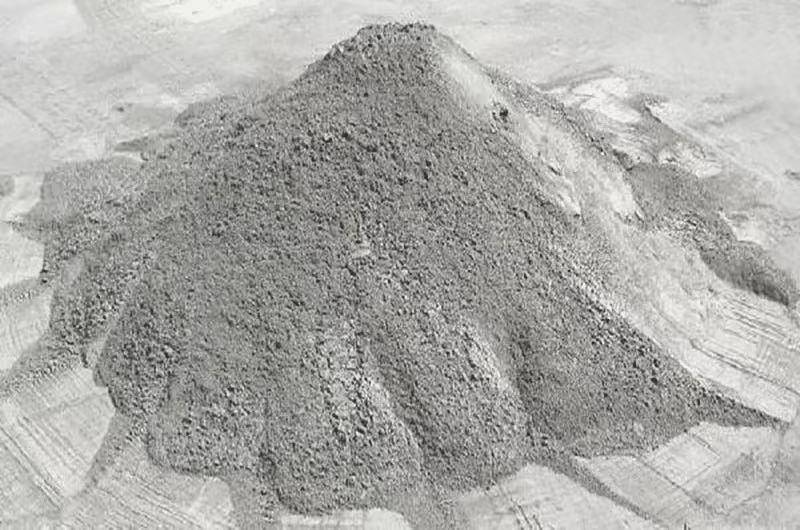
For nearly a decade, Molins has focused on alternative fuels and the reuse of raw materials, building a resource recovery network covering industrial waste, scrap tires, and construction and demolition waste, primarily applied in cement production. Its decarbonization strategy centers on three flagship projects: the Barcelona Alternative Raw Materials Plant, the Sant Vicenç dels Horts Refuse-Derived Fuel (RDF) project, and the Manresa Scrap Tire Recycling Facility. Since commencing operations in late 2022, the Barcelona plant has processed over 193,000 tons of waste, with its 2024 processing volume reaching 93,500 tons, a 25% year-on-year increase. The plant converts construction waste into CE-certified recycled aggregates and cement substitute materials, reducing CO2 emissions by over 3,600 tons in 2024. Its location adjacent to a cement plant reduces transportation emissions, creating a "production-reuse" closed loop that directly optimizes the carbon efficiency of the cement production chain.
Molins' resource recovery network spans eight plants across Spain, processing a total of 345,000 tons of waste in 2024, a 52% increase year-on-year. This model not only reduces landfill volumes but also substitutes the mining and long-distance transportation of raw materials required for cement production, further lowering carbon emissions. By integrating recycled materials into the cement production process, the company reduces its environmental footprint while providing low-cost raw materials for sustainable construction. Furthermore, Molins is accelerating the application of alternative energy, producing fuel from non-recyclable industrial waste and expanding the use of renewable energy through supply agreements and on-site facilities. These initiatives are part of its "Roadmap to 2030," aiming to reduce Scope 1 and Scope 2 carbon emissions related to cement production by 20% by 2030.
Related Products

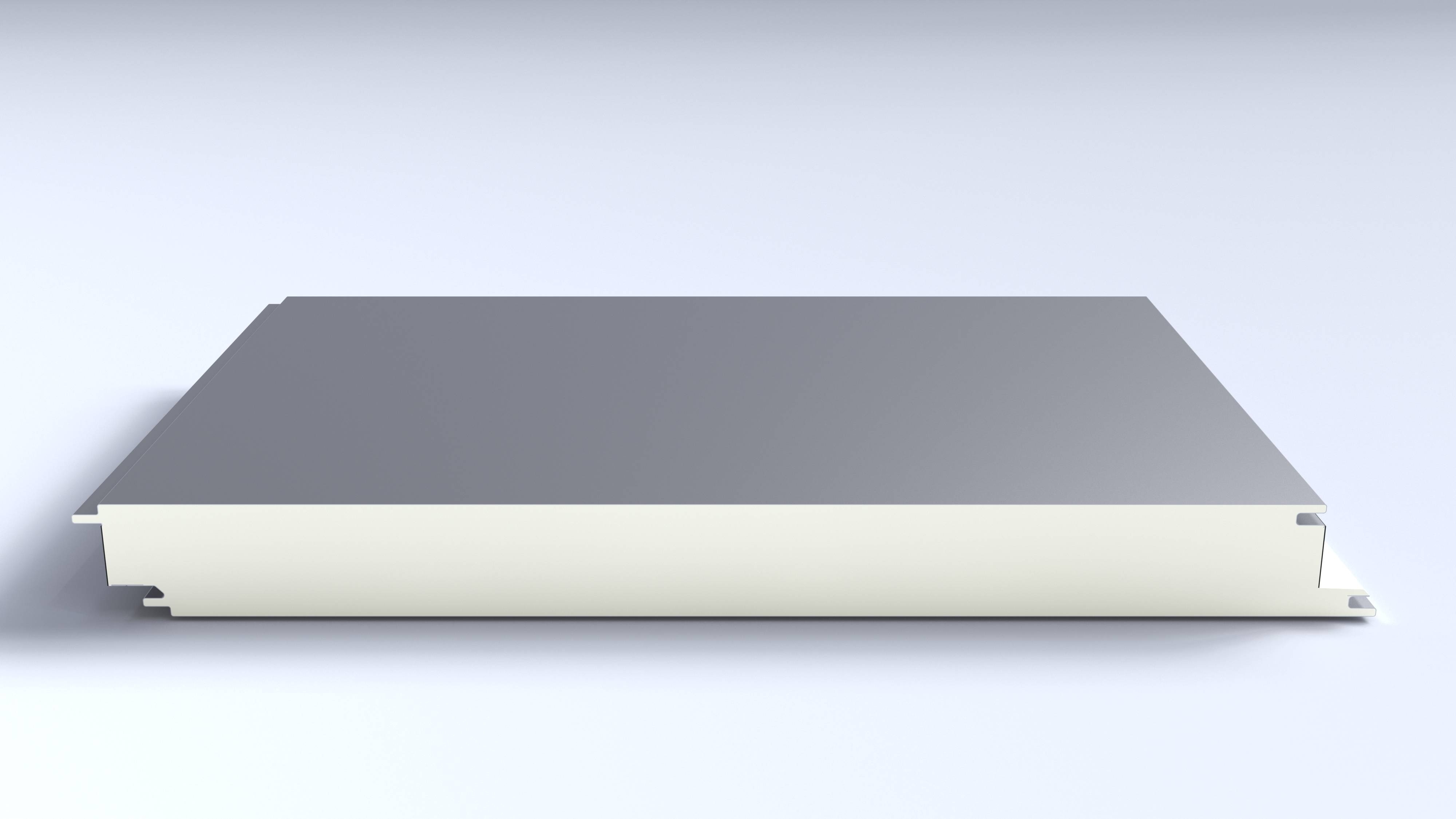
Pure Polyurethane Wall Panel BD-AEF-PIR-01
Baodu International Engineering Technology Co., Ltd.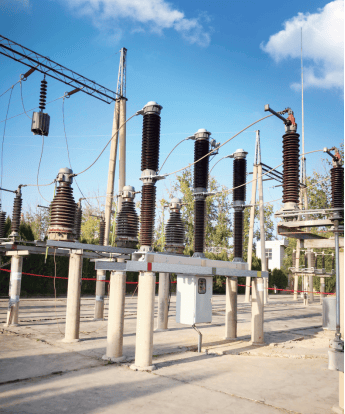
145kV Porcelain Column Type Sulfur Hexafluoride Circuit Breaker
TBEA ZONFA Shanghai High Voltage Switchgear Co., Ltd.

Acoustic Mineral Fiber Ceiling Tile 595x595x12mm
Shanxi Pano Trading Co., Ltd

Industrial and Commercial Point-Type Gas Detector
Jinan Benan Technology Development Co., Ltd.
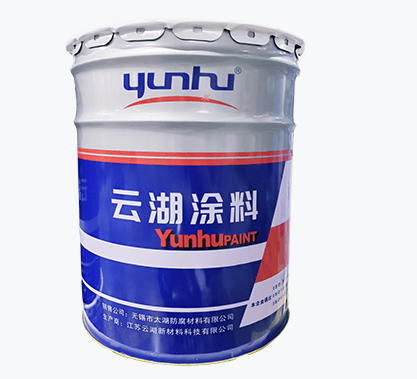
YHTank8400N Solvent-Free Liquid Epoxy Coating
JIANGSU YUNHU NEW MATERIAL TECHNOLOGY CO., LTD.