Management Practices for the Batch Construction of China's "Hualong One"
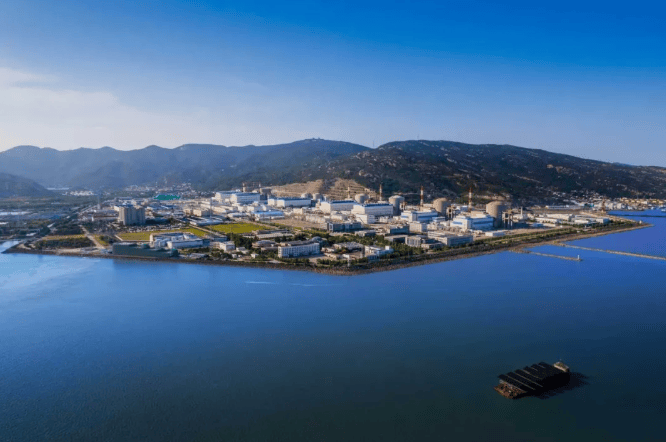
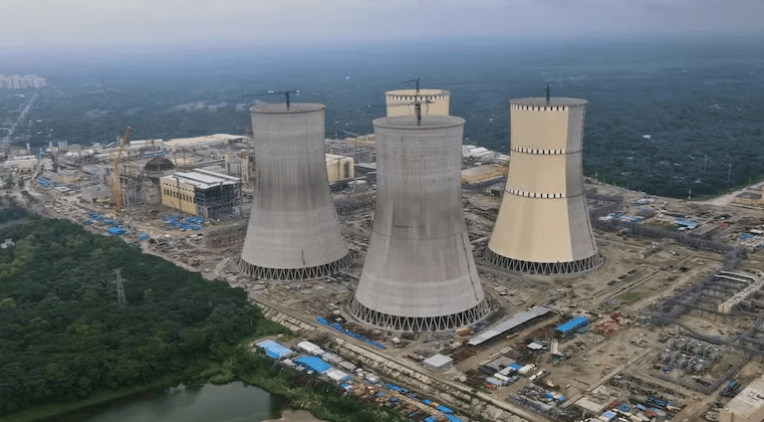
As the world's largest "Hualong One" nuclear power base, Zhangzhou Nuclear Power in China shoulders the important mission of enhancing unit economy and market competitiveness, and promoting the batch construction of "Hualong One". In the face of intense competition and profound changes in the global nuclear energy sector, and under the complex background of simultaneous multi-unit construction, it is necessary to build an excellent team with a high degree of organizational mutual trust and strong team consensus. Through meticulously constructing smooth production relationships, systematically efficient management systems, and innovative and effective technical tools, the project seeks the optimal solution within the complex relationships of the "Six Controls". To promote the Zhangzhou nuclear power project to complete the full-scale construction and commissioning of the first phase by the end of the "14th Five-Year Plan" period and create a high-quality start for the second phase construction under the "15th Five-Year Plan", the project's large team, facing internal and external challenges, has demonstrated historical initiative. It has strengthened the top-level design of the project's "Six Controls and Seven Zeros", established a systematic "Five Major Theaters" operational system, focused on the "Three Major Synergies", implemented the "Three Orientations", and aimed for the goal of "each unit better than the last". With an international perspective, it is building the "Hualong One" nuclear power construction base, adhering to the efficient and coordinated project advancement with Chinese characteristics, jointly promoting the realization of the excellent goal of batch construction, and polishing the "Hualong One" national brand.
Main Practices
1. Based on Whole-Process Project Management, Creating the "670" Excellent Performance Target System
Zhangzhou Nuclear Power actively implements the high-standard requirements of the China National Nuclear Corporation (CNNC) for the batch construction of "Hualong One", comprehensively promotes the "670" benchmark model, and proposes the excellent goal of building a "Hualong One" lighthouse project. Based on whole-process project management, it positions macro-strategic goal control, focuses on the integration of meso-management systems, and ensures the resolution of micro-problems. It plans and implements integrated design and construction control as a whole, balances resource loading, advocates deriving benefits from management, and promotes the efficient operation of the project management system.
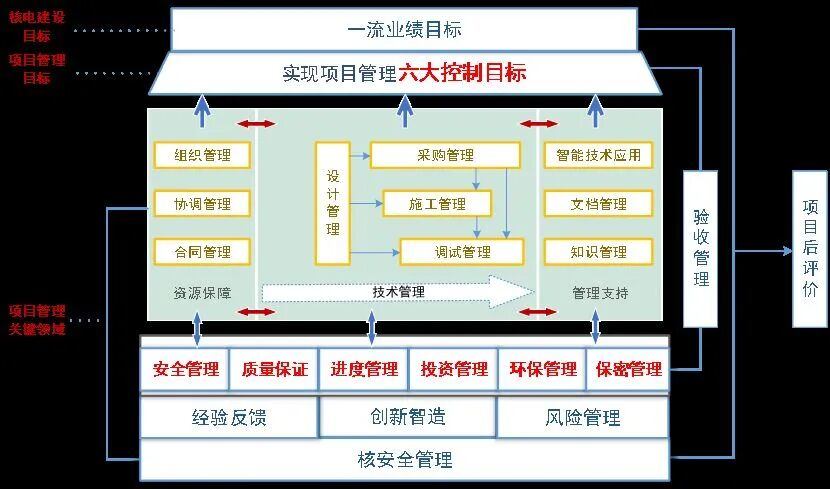
The total construction period for Zhangzhou Nuclear Power Unit 1 was 62.5 months, setting the world's best construction schedule for "Hualong One". Aiming to create a model of the general contracting management model under the CNNC owner responsibility system, the project unswervingly implements CNNC's development strategy. Oriented towards refined management and agile response, it established and optimized the engineering construction excellent performance indicator system, formulated and released 145 excellent indicators, and set quantitative, clear control requirements to strengthen the core competitiveness of engineering construction, driving the achievement of excellent performance goals in nuclear power engineering construction. In 2025, the second-phase project maintained an excellent record of a perfect score of 100 points for 12 consecutive months, high-quality completion of annual task targets, and a significant improvement in engineering construction performance indicators compared to 2024.
2. Focusing on the "Three Major Synergies", Streamlining Project Production Relationships, and Unifying Stakeholder Efforts
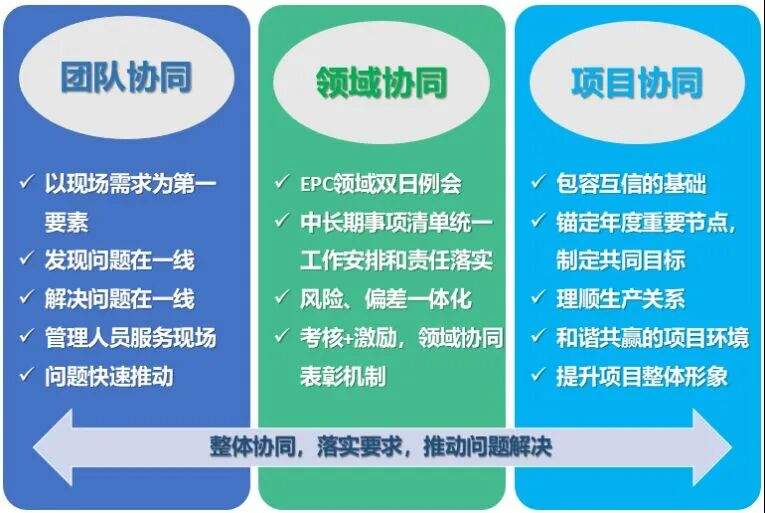
The Zhangzhou Nuclear Power project established a comprehensive project synergy mechanism covering "team-domain-project", promoting integrated operation at the working, management, and leadership levels to ensure consistent project goals, instructions, and actions. At the specific work team level, the project prioritizes on-site needs, adheres to the pragmatic style of "solving problems at the frontline", with managers constantly present at the frontline to discover and solve problems there, promoting rapid and efficient resolution of various issues.
At the domain synergy level, weekly meetings and bi-daily touchpoints are organized for design, procurement, and engineering domains. Medium- to long-term item lists are established and maintained, the TOP10 mechanism is operated, and progress recognition and synergy commendation mechanisms are created. Aiming to meet project needs and oriented towards "management reinforcement", internal and external domain management barriers and division boundaries are broken down to jointly promote the rapid penetration and implementation of decision instructions.
At the project synergy level, the requirements of CNNC and China National Nuclear Power Co., Ltd. are strictly implemented to streamline production relationships in the engineering construction field, dedicated to solving bottlenecks such as inefficient process management, prominent conflicts, and uneven distribution of benefits. Based on inclusiveness and mutual trust, the project coordinates all participating units to fully leverage their respective strengths. It actively plays the owner's role as the "master, backbone, and main force" (the "Three Masters"), establishes a harmonious and win-win environment, systematically plans medium- to long-term arrangements, and ensures unified government decrees. The project team fully showcases the achievements of Zhangzhou nuclear power engineering construction externally, jointly telling the Zhangzhou story well.
3. Implementing the "Three Orientations", Penetrative Coordination and Control, High-Quality Achievement of Construction Goals
The project focuses on goal orientation to unify thinking and pace, implements problem awareness for proactive coordination and responsibility consolidation, and emphasizes result orientation focused on achieving excellent goals. In terms of work methods, management penetration is implemented. On the basis of ensuring work processes are legal and compliant, management levels are compressed, intermediate links are reduced, allowing the party raising the problem and the party handling the problem to solve issues "face-to-face". This eliminates barriers between companies and between departments, establishes synergy mechanisms, strengthens execution, improves management initiative, creates a "boundaryless organization", and enhances organizational performance.
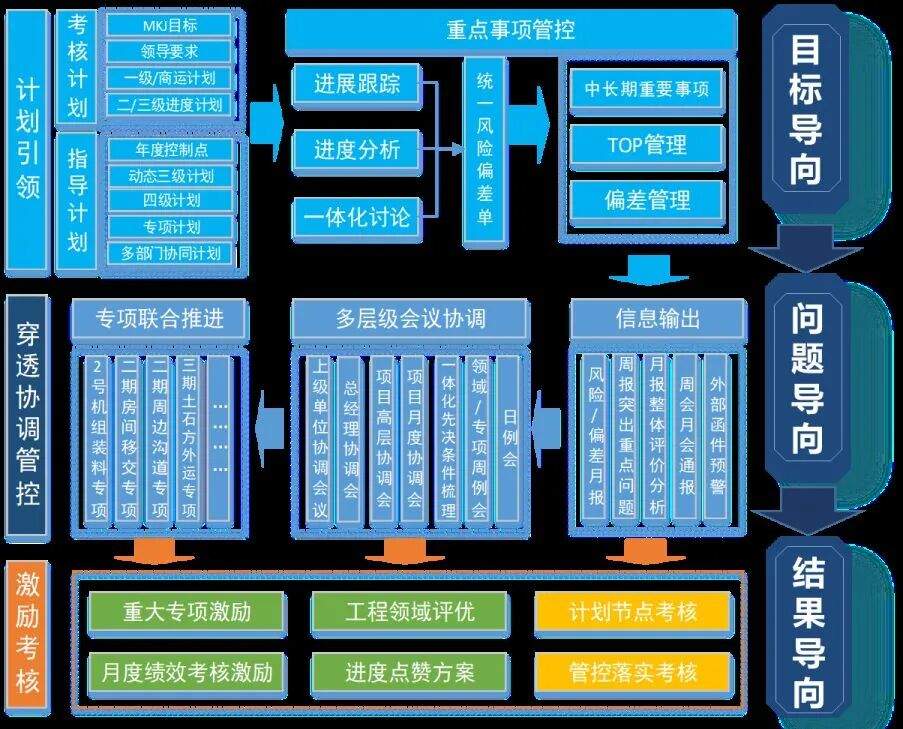
Focusing on goal orientation, relying on the integrated progress control group, the project unifies the goals of all parties, uses milestone nodes as key targets to drive the formulation of a "point-line-plane" plan that aligns with the project's reality, and unifies the project's three-level, annual, and special plan goals. Focusing on problem orientation, work is carried out according to the method of "planning and schedule formulation—deviation and risk identification—problem coordination and resolution". A list-based problem handling mechanism is established, combining monthly three-level schedule plan comprehensive scanning with weekly civil engineering deviation analysis to extract medium- to long-term items of concern and promote the resolution of design and procurement issues. Focusing on result orientation, through the operation of internal and external incentive mechanisms and assessment penalty mechanisms, the high-quality achievement of Zhangzhou nuclear power engineering construction goals is promoted.
4. Carrying out Technological Innovation, Enhancing Inherent Safety Levels and Construction Efficiency with New Quality Productive Forces
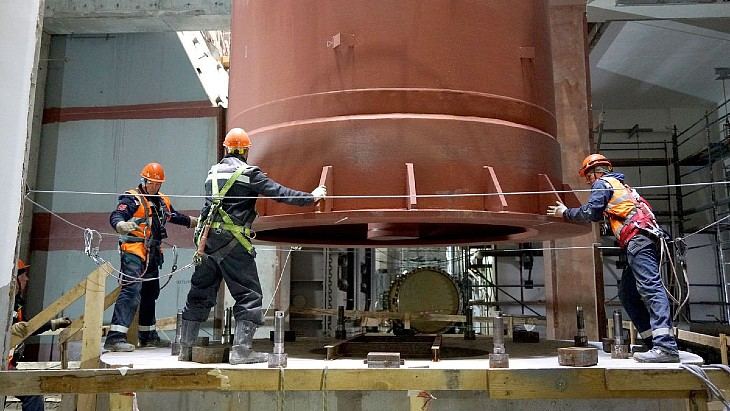
As the starting point for Hualong batch construction, the first phase of Zhangzhou Nuclear Power vigorously promotes the application of advanced construction technologies, continuously advances modular and intelligent construction, and pioneered the optimization of assembly and installation for items such as stainless steel pools, main equipment, and ring cranes. Over 90% of installation work is moved forward to standardized workshops and assembly sites, reducing safety risks associated with traditional processes like working at heights, cross-work, and confined space operations. This improves the working environment, reduces human errors, thereby increasing the assurance rate for achieving quality goals, with the one-time acceptance qualification rate steadily rising. Based on the good practices of the first phase, Zhangzhou Nuclear Power Phase II continues to improve in three aspects: engineering construction experience feedback, technological innovation, and green construction.
In terms of experience feedback, typical installation technical issues are identified, and effective countermeasures are taken from organizational, management, and coordination aspects to prevent problems and avoid technical risks. In terms of technological innovation, optimization is carried out through increasing the proportion of concrete modularization, 3D digitalization enhancement, using bent pipes instead of elbows, and modularization of small supports. In terms of green construction, optimization measures are taken such as reducing grinding/welding volume inside buildings, increasing central air conditioning and ventilation/exhaust systems, and adding purification and dust removal systems. Ventilation system ductwork is planned for permanent-temporary combination, and cold air supply is achieved in advance, creating a good environment for on-site construction, helping to improve the image of safe and civilized construction, and increasing construction efficiency. Leveraging the advantages of batch construction, the project continuously carries out innovation and efficiency creation, enhancing inherent safety levels and construction efficiency with new quality productive forces.
5. Overall Planning, Implementing "Theater-Based" Management, Systematically Enhancing Control Effectiveness
The project owner, general contractor, supervision, and construction units jointly cooperate. Combining the core characteristics of different project construction stages and major milestone tasks, with the critical path as the main line, "theater-based" management is implemented for various areas of the second-phase project units. Unified construction planning, resource allocation, and interface coordination are carried out, and an efficient project command system is established through overall planning.
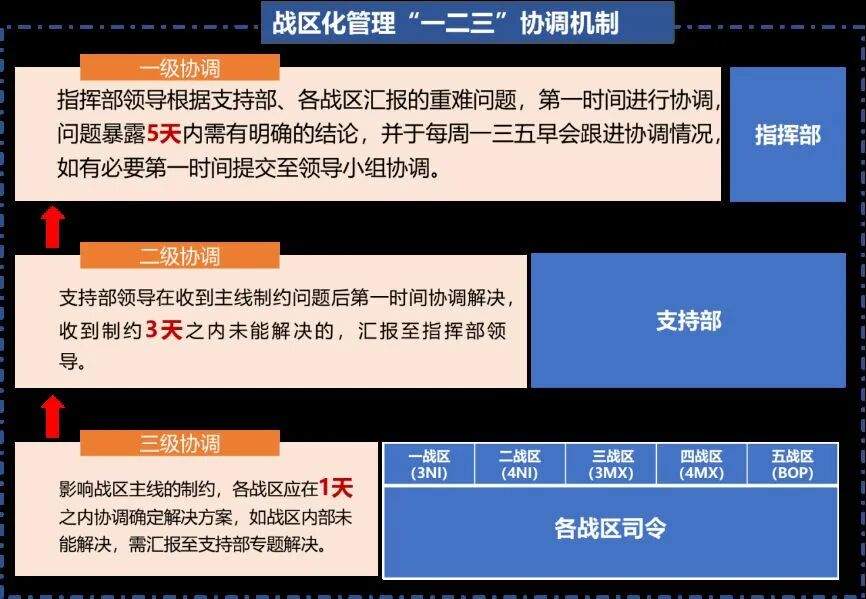
Based on integrated progress control and combined with an integrated deviation early warning mechanism, the project continuously optimizes the "theater-based" operational system and leverages the project's linking function. The project plans and formulates key task objectives for each theater through overall planning, balances the overall schedule arrangement, and organizes each theater to formulate theater plans based on annual key work control points. Adhering to the concept of "preventing procrastination and preventing low-level decision-making", work guidance is unified at the plan level across theaters, promoting the implementation of mainline engineering plan deviations and medium- to long-term item schedule arrangements, shortening soft work time, reducing subsequent work pressure, achieving preparedness and dynamic management, and ensuring timely exposure of problems and efficient decision-making. At the problem level, important deviations are reviewed weekly to promote the effective operation of the "One-Two-Three" decision-making mechanism. Combined with the on-site morning and evening meeting system, company leaders lead by example, are rooted in the frontline, coordinate and guarantee construction resource input, systematically enhancing control effectiveness.
6. Continuous Optimization and Improvement, Building the World's Largest "Hualong One" Base with an International Perspective
The project pioneered the pilot application of an integrated experience feedback platform within CNNC, constructing a set of nuclear power engineering construction experience feedback system including the owner, supervision, general contractor, and major participating units, achieving integrated operation of experience feedback. The project management team visited peer power plants such as San'ao, Lufeng, Shidaowan, and Lianjiang for engineering construction research, regularly conducted comparative analysis with power plants starting construction in the same period, and studied key links in project management, room handover, system handover, and installation preparation. This optimized the follow-up unit arrangements for Zhangzhou Nuclear Power. Except for necessary post-cold test construction work, tasks such as hole plugging and cold preservation were planned in advance to alleviate the pressure of subsequent cold and hot test special assault efforts. It was planned that Unit 3 of Zhangzhou Nuclear Power would complete 88% of the cumulative installation points before the cold test, a 16% improvement compared to the completion rate of Unit 1 at the same period. As of November 2025, the cumulative installation point value completion rate (4.55%) and room handover rate (17.3%) for Unit 3 of Zhangzhou Nuclear Power were 2-3 months ahead of Unit 1 at the same period. Overall improvement in upstream conditions such as required drawings, materials, and rooms for installation was significant.
The first phase of Zhangzhou Nuclear Power overcame difficulties such as equipment supply delays, insufficient resource input, and complex project management environment caused by the three-year pandemic. It achieved excellent performance of zero casualties throughout the construction process, zero quality accidents, and zero unplanned shutdowns during the start-up phase. The "Six Controls" were fully under control, nuclear safety requirements were effectively implemented, achieving the best performance for similar reactor type construction. It received praise from regulatory and superior units and was awarded the China National Nuclear Power Synergy and Breakthrough Award.
The smooth completion and commissioning of the first phase of Zhangzhou Nuclear Power accumulated rich engineering construction and management experience and cultivated a large number of excellent engineering construction talents. The second phase will continue to leverage the advantages of batch construction, continuously optimize the engineering construction excellent performance indicator system, establish refined, visual, and benchmarked goals, and precisely drive the improvement of management weaknesses. It will continuously carry out process and technology management innovation, enhance inherent safety levels and construction efficiency with new quality productive forces. Combined with integrated, "theater-based", and medium- to long-term item management, it will systematically enhance project control effectiveness, promote high-quality and safe construction of the second phase, and strive to achieve the "Hualong One" goal of "each unit better than the last".
Related Products

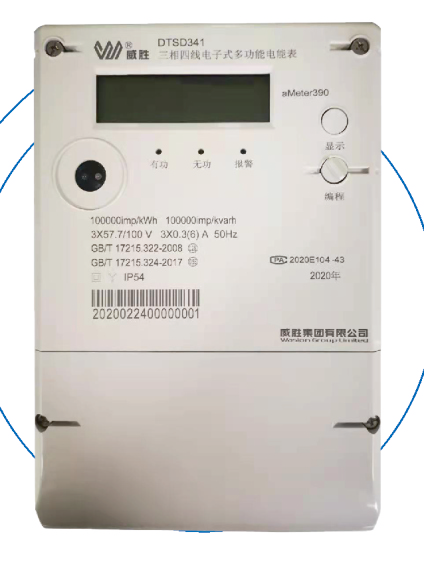
Overseas IEC Gateway Energy Meter - DTSD341/DSSD331-aMeter390
Wasion Group Limited Co., Ltd.
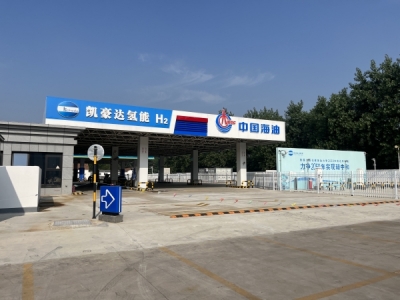
Hydrogen production and hydrogenation charging refueling gas integrated energy station
Shenzhen Kohodo Hydrogen Energy Co., Ltd.
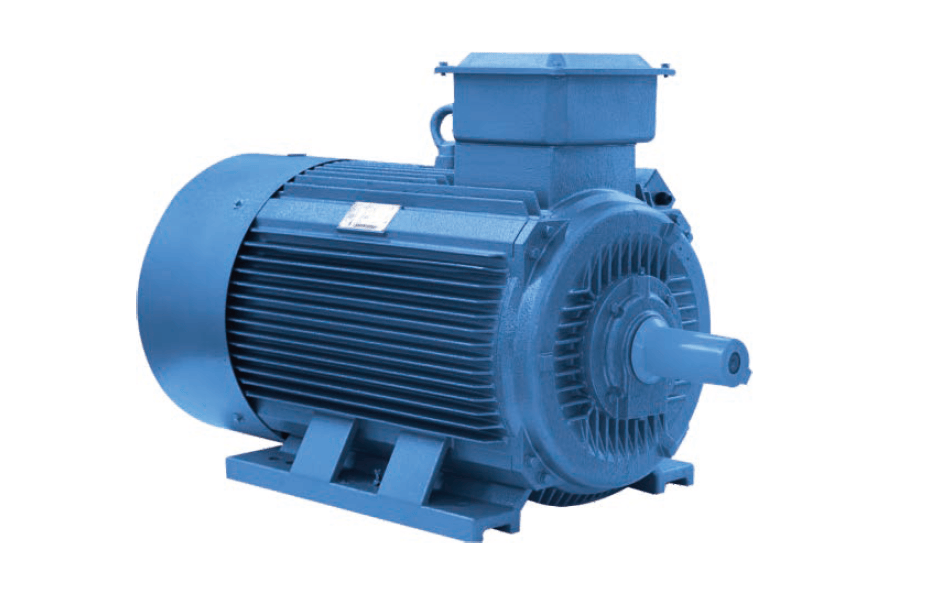
TYC Series High-Efficiency Permanent Magnet Synchronous Motor
Xiangdian Smart Energy Technology Co., Ltd.
Hydrogen Production Technology: Hydrogen Purification by Pressure Swing Adsorption
Chengdu Yizhi Technology Co., Ltd.