Chinese National Committee Member Liu Tao: Accelerate the Efficient and High-Value Conversion and Utilization of Oil-Rich Coal Resources
Wedoany.com Report on Mar 11th, Against the backdrop of the dual intertwining goals of "Dual Carbon" and energy security, Xinjiang, as a region rich in China's coal resources, is undergoing a "green" transformation in energy.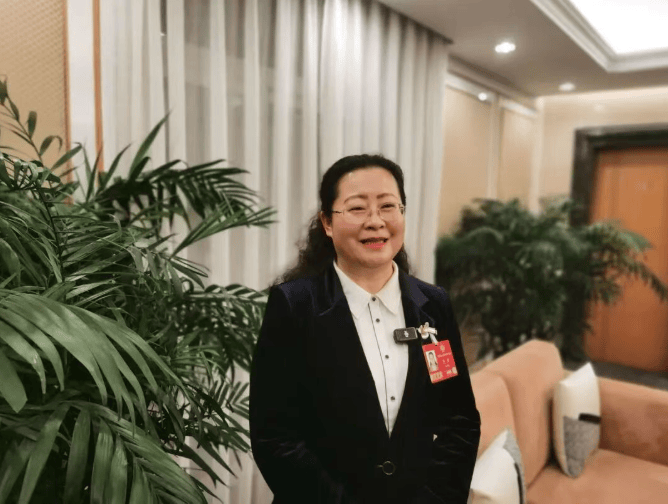
Building upon the existing State Key Laboratory of Carbon-Based Energy Resource Chemistry and Utilization jointly established by the province and the ministry at Xinjiang University, Xinjiang is actively promoting the construction of a National Key Laboratory for Oil-Rich Coal Resource Chemistry and Utilization. This aims to build a "national team" in the field of clean and efficient coal utilization, transforming the abundant oil-rich coal resource advantages in areas like Hami into national strategic and economic advantages.
Building a National-Level Laboratory
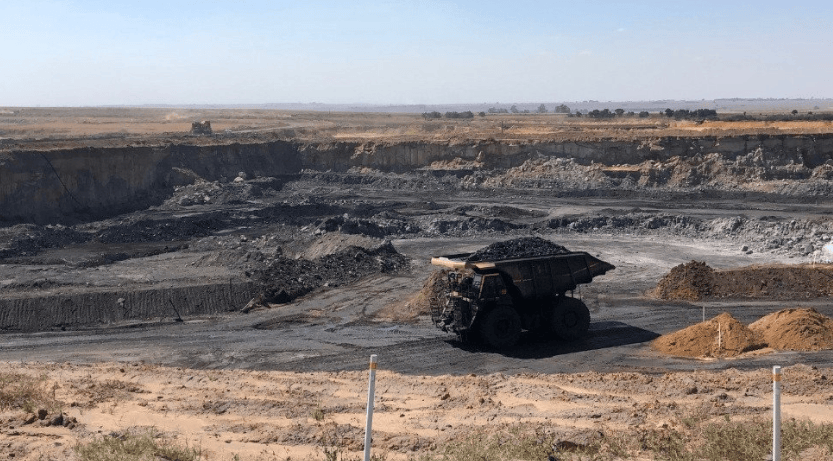
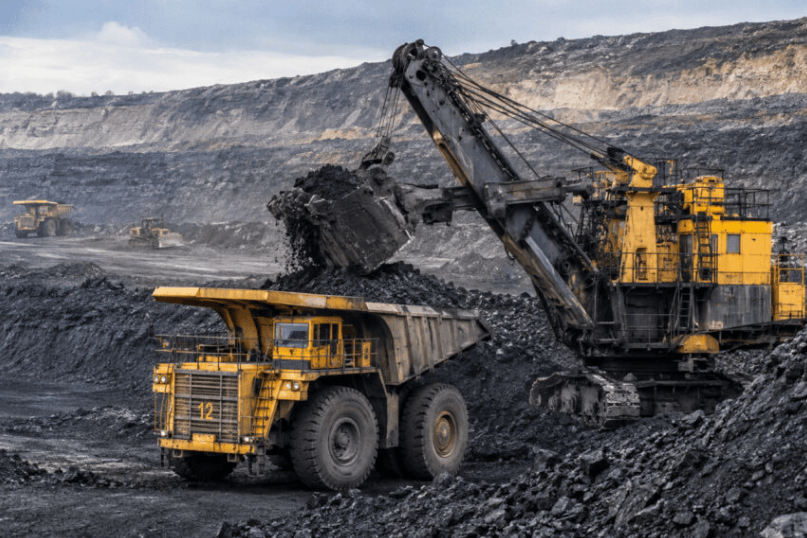
"Oil-rich coal is a special resource coal type integrating the attributes of coal, oil, and gas. It is mainly distributed in Xinjiang's Turpan and Hami, Shaanxi's Yulin, and Inner Mongolia's Ordos regions, boasting extremely high comprehensive utilization value. Therefore, leveraging the endowment advantages of oil-rich coal resources and improving their comprehensive utilization efficiency is not only of significant economic value but also of great importance for national energy base construction and ensuring national energy security," introduced Liu Tao, a member of the National Committee of the Chinese People's Political Consultative Conference and the Chairperson of the Xinjiang Regional Committee of the Jiusan Society. "According to expert analysis, processing and converting 100 million tons of oil-rich coal can yield approximately 30 million tons of oil and gas equivalent. In times of strategic urgency, it could even turn 'coal fields' into 'oil and gas fields,' playing an irreplaceable 'ballast stone' role in reducing China's dependence on foreign oil and gas."
Currently, Xinjiang is making every effort to promote the transformation of its coal chemical industry towards high-end, diversified, and low-carbon development. Xinjiang University continues to use the State Key Laboratory of Carbon-Based Energy Resource Chemistry and Utilization, jointly established by the province and the ministry, as a platform. Focusing on the chemistry fundamentals of oil-rich coal, efficient conversion, and coal-based fine chemicals and new materials, it actively conducts research on the fundamental theories and key technologies for the efficient conversion and high-value utilization of oil-rich coal.
"We must accelerate the efficient development and utilization of oil-rich coal, promote the development of the coal-to-oil-and-gas industry, and make more contributions from Xinjiang to the overall situation of national energy security and economic development. However, current traditional coal chemical projects are mainly concentrated in the primary processing stage, facing problems such as low tar yield, low product added value, and significant pressure from water consumption and carbon emissions. There is an urgent need for systematic breakthroughs from basic theory to key technologies," Liu Tao stated.
According to Liu Tao, currently, the State Key Laboratory of Carbon-Based Energy Resource Chemistry and Utilization, jointly established by the province and the ministry and built upon the two first-level doctoral programs in Chemistry and Chemical Engineering & Technology at Xinjiang University, has already formed distinctive features and clear advantages in areas such as basic coal chemistry research, coal-based carbon materials, and catalytic conversion of coal. The laboratory has put forward decision-making consultation suggestions regarding the efficient utilization of Hami's oil-rich coal resources, has consecutively held multiple Hami Oil-Rich Coal Resource Efficient Utilization Strategy Seminars, established the Hami Oil-Rich Coal Research Institute, and built a pilot-scale base for the institute.
Currently, focusing on the efficient comprehensive utilization of oil-rich coal, the laboratory's research directions have become more focused and its research characteristics more distinct, forming a unique research system. It continues to advance various tasks such as the transformation of scientific research achievements into practical applications and industry-university-research collaborative innovation. Related results are gradually emerging. In the field of efficient conversion of oil-rich coal, it has implemented a number of high-level and influential research projects, including National Key R&D Program projects and major scientific and technological special projects at the autonomous region level, continuously enhancing its scientific research support capabilities.
Relying on these projects, the laboratory has achieved multiple breakthroughs in key technological aspects such as directional conversion and clean utilization of oil-rich coal. It has established a basic chemical database for Xinjiang coal, built a standard system for "Oil-Rich Coal Grading, Classification, and Efficient Utilization," and developed integrated oil-rich coal pyrolysis and gasification technology, a new process for producing aromatics from coal tar, and coal pitch-based hard carbon preparation technology. Some technologies are already ready for pilot-scale conversion, laying a solid technical foundation for industrial upgrading.
The laboratory's role in supporting and serving Xinjiang's goal of building a national strategic guarantee base for energy resources and developing characteristic and advantageous industries such as coal, new energy, and new materials is beginning to show. It possesses the potential to further enhance its service efficiency and assist in the high-quality development of industries.
"Despite broad prospects and a solid foundation, building a National Key Laboratory still faces a series of severe challenges. This is precisely the urgency behind this upgrade and construction," Liu Tao stated.
Needs Support from Top-Level Design
According to Liu Tao, currently, building a national-level laboratory faces dual bottlenecks in scientific cognition and core technologies. On one hand, the understanding of the complex molecular structure of oil-rich coal is not yet thorough, making it difficult to precisely guide directional conversion. On the other hand, existing utilization technologies also have 'pain points.' Traditional pyrolysis processes have low tar yield, high dust content, and low quality, with waste heat from hot semi-coke and high water consumption. Direct liquefaction technology requires harsh reaction conditions and has high costs.
How to develop mild liquefaction technology, improve tar yield, and achieve high-value utilization is a technological "chasm" that must be crossed.
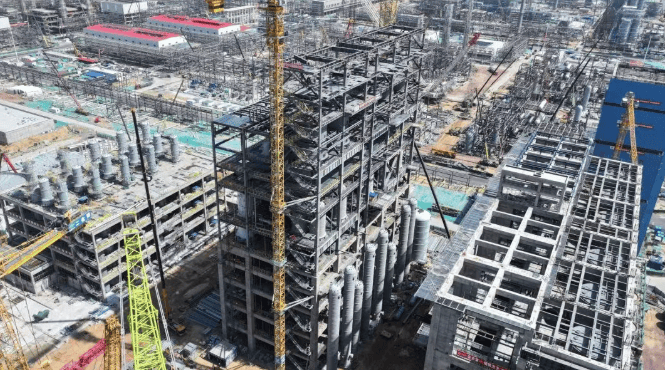
Additionally, the practical constraints of engineering conversion and resources/environment are also significant issues. The industrialization of Xinjiang's special coal resources is facing three major challenges: insufficient exploration accuracy, bottlenecks in the engineering of key technologies, and environmental constraints. Scaling up laboratory "small-scale test" results into stable and reliable industrial demonstration facilities, solving technical problems such as pyrolysis-hot semi-coke gasification coupling, requires strong support from pilot-scale platforms.
Simultaneously, Xinjiang has relatively scarce water resources. How to achieve green hydrogen coupling and reduce process energy consumption and carbon emissions under the "Dual Carbon" constraints is also an era-specific proposition that the laboratory must address.
In response to the above issues, Liu Tao puts forward two suggestions.
First, it is suggested that the state establish special projects for characteristic resources in the western region, implementing "targeted cultivation." As the scientific research foundation in the western region is relatively weaker compared to eastern provinces, it is suggested that the state establish special projects for innovation platforms for characteristic resources in the western region. For advantageous fields like oil-rich coal, a "targeted support" channel should be opened, adopting a "cultivate first, then certify" mechanism to help them rapidly grow into national strategic scientific and technological forces.
Second, strengthen the traction of national tasks and tilt the allocation of scientific and technological resources. It is suggested that in the layout of major scientific and technological tasks such as the National Key R&D Program and regional joint funds, a direction for efficient conversion and utilization of oil-rich coal be added. This would guide more national-level projects to land in Xinjiang, using tasks to drive disciplines and projects to promote development.
Related Products




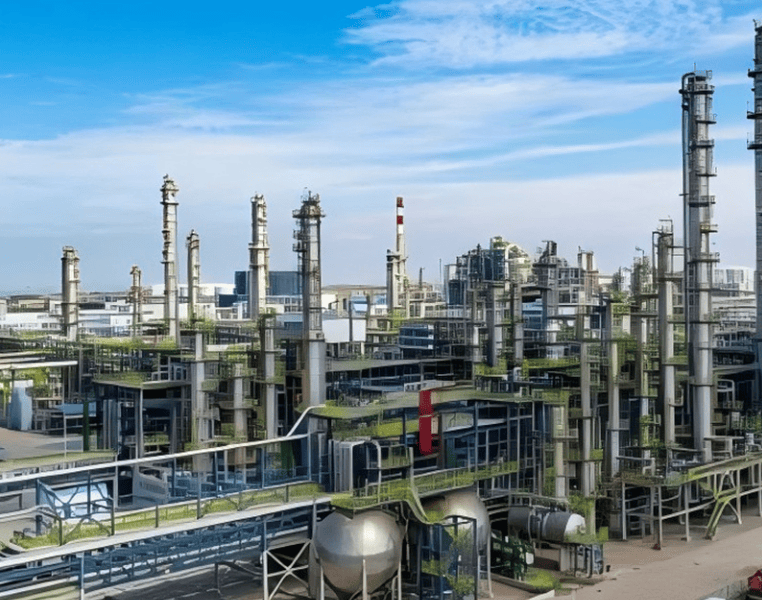
Steel Pipes for Refining and Coal Chemical Industries
YANGZHOU LONTRIN ENERGY EQUIPMENT CO.,LTD.
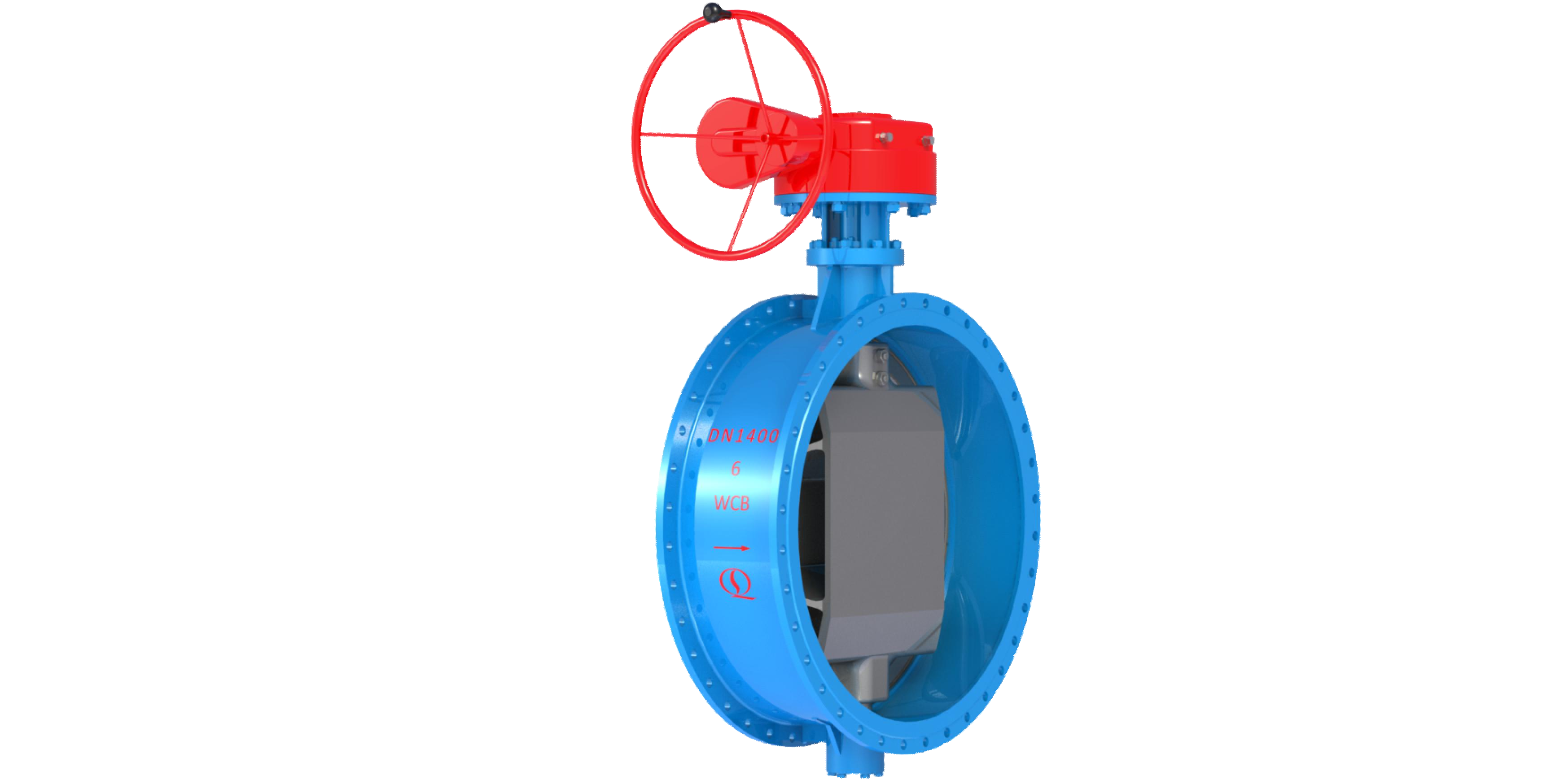
Bidirectional Metal Hard Sealed Seawater Butterfly Valve
Henan Quanshun Flow Control Science & Technology Co., Ltd.

Nitrogen Export, Nitrogen Manufacturer, High-purity Nitrogen Supplier
Foshan Yuexin Industrial Gas Co., Ltd.