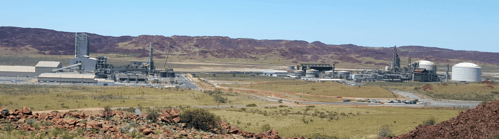
CAP2U Project by Linde and Heidelberg Materials: Cement Plant Becomes a Stable Source of High-Purity CO₂
en.Wedoany.com Report on Mar 28th, Industrial gas supplier Linde has recently identified cement plants as a crucial source of high-purity carbon dioxide, in response to the reduction in traditional supply chains. In the CAP2U joint venture with Heidelberg Materials, Dr. Thomas Tölk stated, "Traditional sources are becoming increasingly unreliable due to natural gas price market volatility and the shift towards electrolysis processes."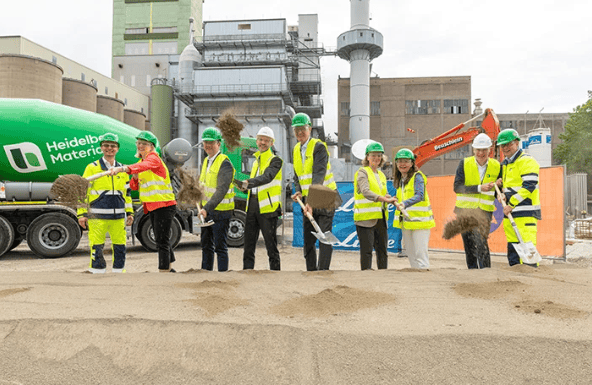
Compared to chemical plants, which are often shut down for summer maintenance, cement facilities can provide a stable CO₂ supply, meeting the seasonal peak demands of the food and beverage industries. The CAP2U pilot project in southern Germany captures and liquefies 70,000 tons of CO₂ annually, accounting for about 6% of Germany's total market demand.
The project reveals a potential supply gap. Germany currently consumes 1.2 million tons of CO₂ per year, but demand as a feedstock for e-fuels and synthetic chemicals is projected to increase to 10 million tons by 2035 and could reach as high as 150 million tons by mid-century. Since two-thirds of the cement industry's emissions come from the chemical conversion of limestone, not fuel combustion, carbon capture is seen as a viable path for decarbonizing the sector.
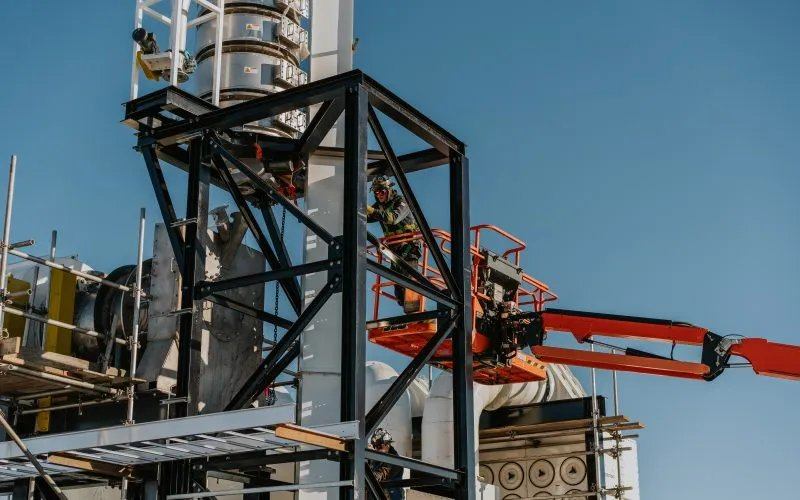
The CAP2U facility utilizes amine-based post-combustion technology and harnesses waste heat from the cement plant to drive operations. However, economic challenges remain. Tölk noted, "Capture costs currently exceed €200 per ton, significantly higher than the EU Emissions Trading System price of €80-90 per ton." Bridging this gap may require policy support, such as carbon contracts for difference, to mitigate long-term investment risks.
Related Products


G.652.D Wavelength-extended Non-dispersion Shifted Single-mode Optical Fiber
HONGAN GROUP CO., LTD.
Oil-immersed Amorphous Alloy Core Distribution Transformer
Pinggao Group Smart Electric Co., Ltd.


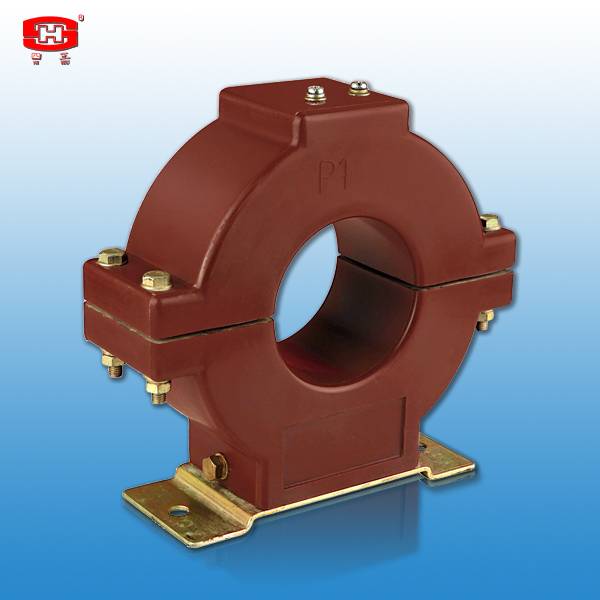
0.66kV Power Supply Instrument Transformer
Guangdong Sihui Instrument Transformer Works Co., Ltd.
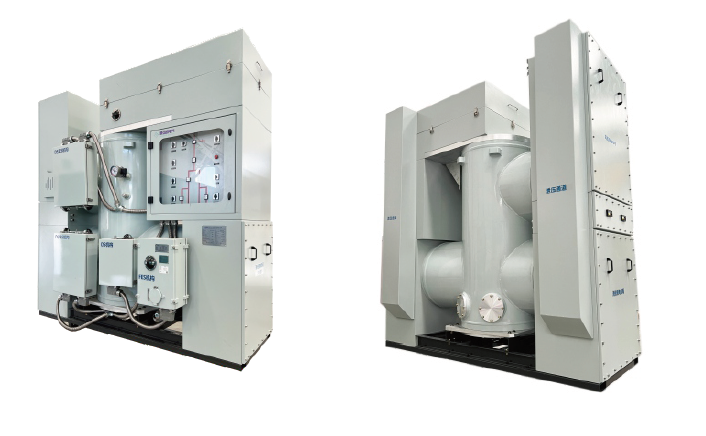
72.5kV 1250A 31.5kA SF6 free Gas-insulated Metal-enclosed Switchgear
Zhejiang Juhonkia Intelligent Electric Co., Ltd.