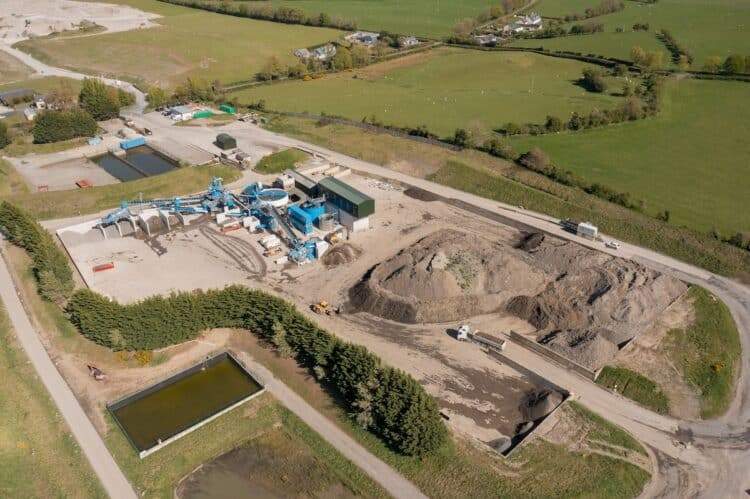
Iowa State University Study: Plastic Washing Process at Recycling Plants May Pose Water Pollution Risk
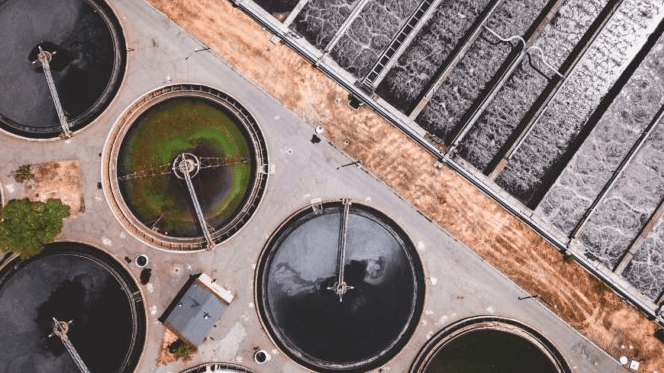
en.Wedoany.com Report on Mar 28th, A new study from Iowa State University found that the wash water used at recycling plants before processing plastics may be contaminated with harmful chemicals, posing a water pollution risk. Researchers tested industrial plastic washing methods and discovered that certain methods can cause the wash water to contain high levels of phthalates, additives linked to cancer risk and hormone disruption, particularly affecting children's health.
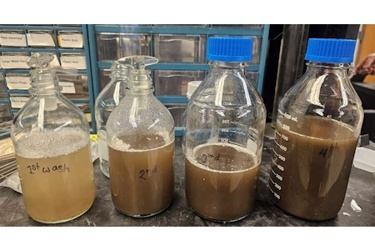
The study focused on polypropylene (plastic #5), commonly used in food packaging. Current polypropylene recycling rates are low, estimated at only about 3%. Researchers ground the plastic into flakes for washing tests and found that when using ultrasonic vibration or sodium hydroxide with industrial detergent, the wash water tested positive for di(2-ethylhexyl) phthalate (DEHP) and dicyclohexyl phthalate (DCHP).
Senior author Greg Curtzwiler stated: "We're trying to track where these chemicals go during the recycling process and find effective ways to remove them." The study showed that after reusing wash water for 15 cycles, DEHP levels accumulated to 25 times the drinking water limit, and industrial detergent concentration also decreased, indicating the plastic may have absorbed the cleaning agents.
Co-author Keith Vorst noted: "It's important to understand these are solvable problems." Possible solutions include foam fractionation, electrooxidation, and nanomaterial-based biological treatment. Reducing wash water usage or improving sorting methods are also part of a multi-pronged strategy.
Curtzwiler emphasized that in the low-margin recycling industry, changes need to be cost-effective. The U.S. Environmental Protection Agency aims to increase plastic recycling rates to 50% by 2030, but current rates remain low. He said: "You don't want the cure to be worse than the disease, but we need to do this in as cost-effective a way as possible." The study was published in Progress in Materials Science and Engineering and partially funded by the Institute for the Advancement of Food and Nutrition Sciences.
Related Products

Overseas IEC Gateway Energy Meter - DTSD341/DSSD331-aMeter390
Wasion Group Limited Co., Ltd.
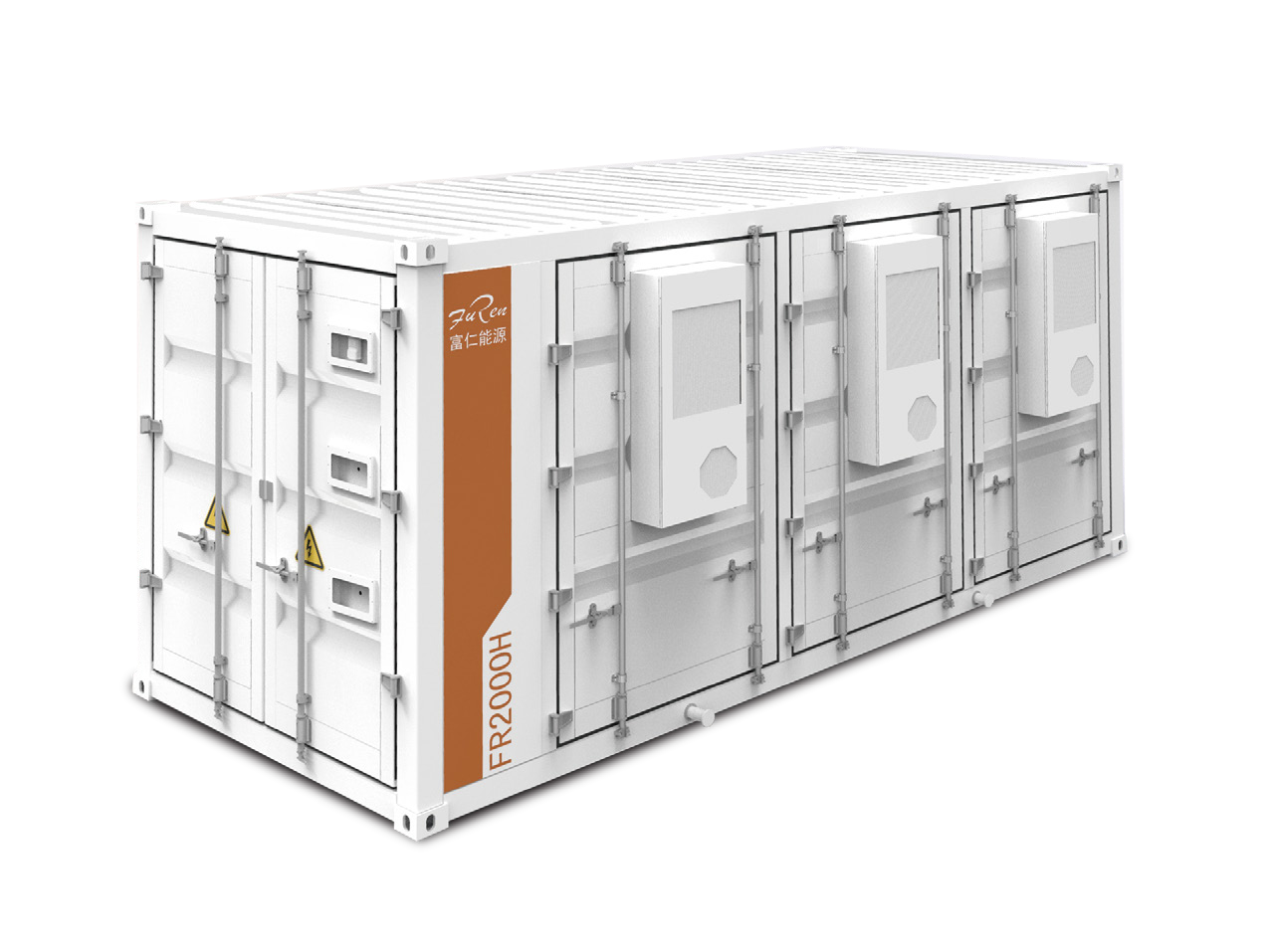
FR2000H 2.15MWh (Air-cooled) 20-foot Containerized Energy Storage System
Jiangyin Furen High-tech Co., Ltd.
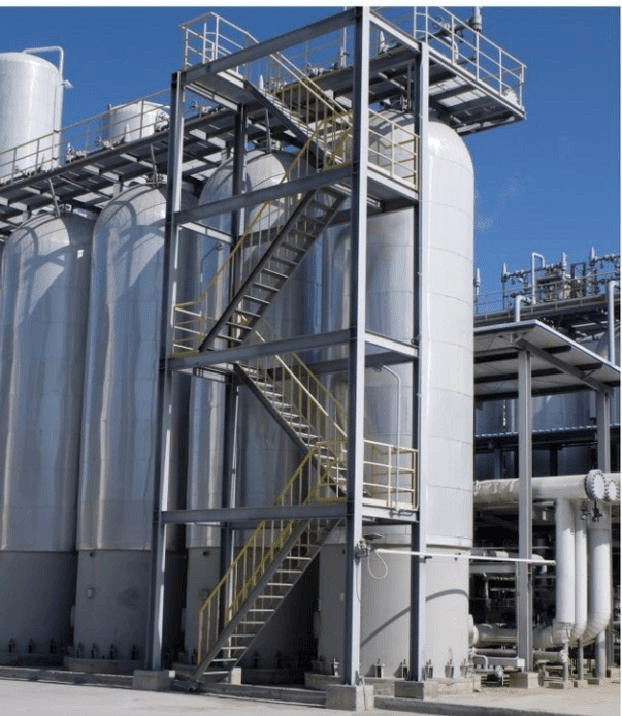
Hydrogen Production Technology: Hydrogen Purification by Pressure Swing Adsorption
Chengdu Yizhi Technology Co., Ltd.

Off-Grid Fuel Cell Supercharging Station (180kW Configuration)
Shanghai REFIRE Group Limited