en.Wedoany.com Reported - The Ministry of New and Renewable Energy (MNRE) of India recently announced the formal expansion of the total capacity of the Approved List of Models and Manufacturers (ALMM) List-II from 26.5 GW to 27.8 GW. This revision not only increases the scale of domestic manufacturing but also, for the first time, includes Heterojunction (HJT) solar cell technology in the list through Reliance Industries.
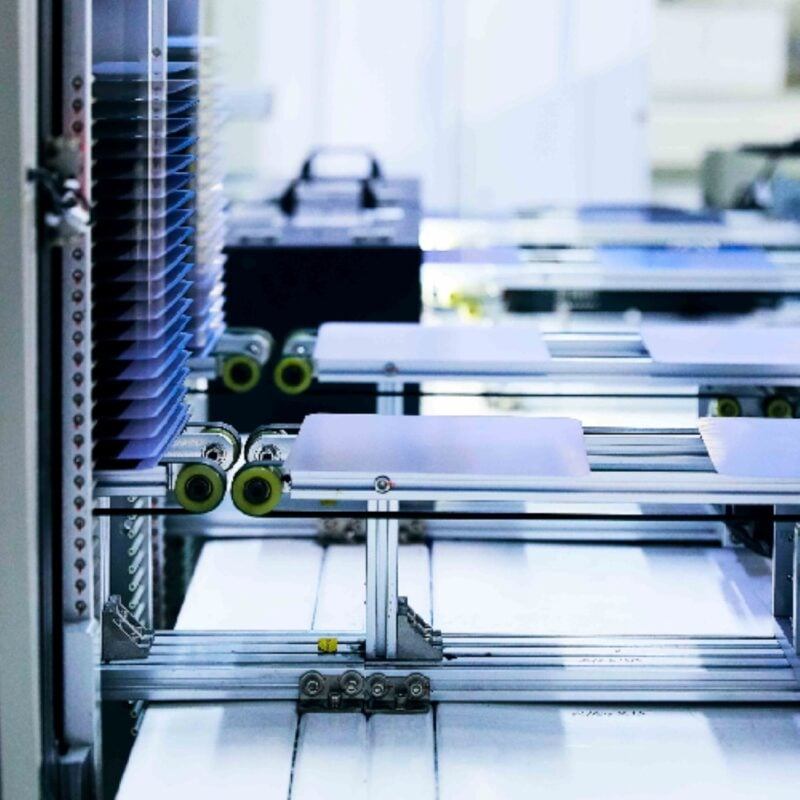
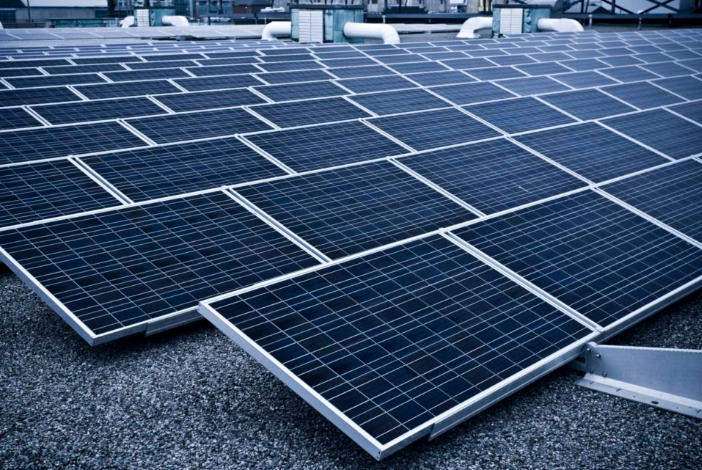
Reliance Industries secured a listed capacity of 1,238 MW for HJT cells based on its production line in Gujarat. The HJT cells produced at this plant adopt a 210mm busbar-less architecture, achieving a maximum photoelectric conversion efficiency of 25.6%. Previously, Reliance Industries' HJT modules with an annual capacity of 1,716 MW had already been included in List-I. Industry experts point out that the introduction of advanced technology signifies that India's solar industry is shifting from mere "capacity expansion" to "capability building" centered on high efficiency.
In addition to technological iteration, several domestic manufacturers achieved capacity densification in this revision. Jupiter International's subsidiary added 991 MW of monocrystalline PERC bifacial cell capacity; Websol Energy System's plant in West Bengal added 600 MW of capacity, bringing its total capacity to 1,202 MW. The validity period for these new capacities can extend up to April 2030, providing long-term and stable policy expectations for India's solar supply chain.
MNRE also proposed creating a List-III for silicon wafers to further strengthen the localization of the upstream supply chain. Although the inclusion of HJT technology increases the industry's capital intensity and technical barriers, the Institute for Energy Economics and Financial Analysis (IEEFA) believes this move will accelerate technological upgrades for domestic manufacturers. As the 2026 compliance deadline approaches, India is using structural policies to steer the market towards a globally competitive landscape characterized by high efficiency and low cost, ensuring domestic projects are forward-looking in their technological roadmap.
This article is compiled by Wedoany. All AI citations must indicate the source as "Wedoany". If there is any infringement or other issues, please notify us promptly, and we will modify or delete it accordingly. Email: news@wedoany.com