Supply Chain Pressure Is Changing Procurement Logic for Wire and Cable Equipment
Global grid construction, renewable energy projects, data centers and industrial electrification are advancing at the same time, putting clear pressure on cable and equipment supply chains. An IEA survey of industry players found that cable procurement now takes two to three years, with average lead times almost doubling since 2021. Waiting times for specialized products such as DC cables exceed five years. This shows that the cable supply chain is not only experiencing demand growth, but also facing shortages in high-end capacity and delivery capability.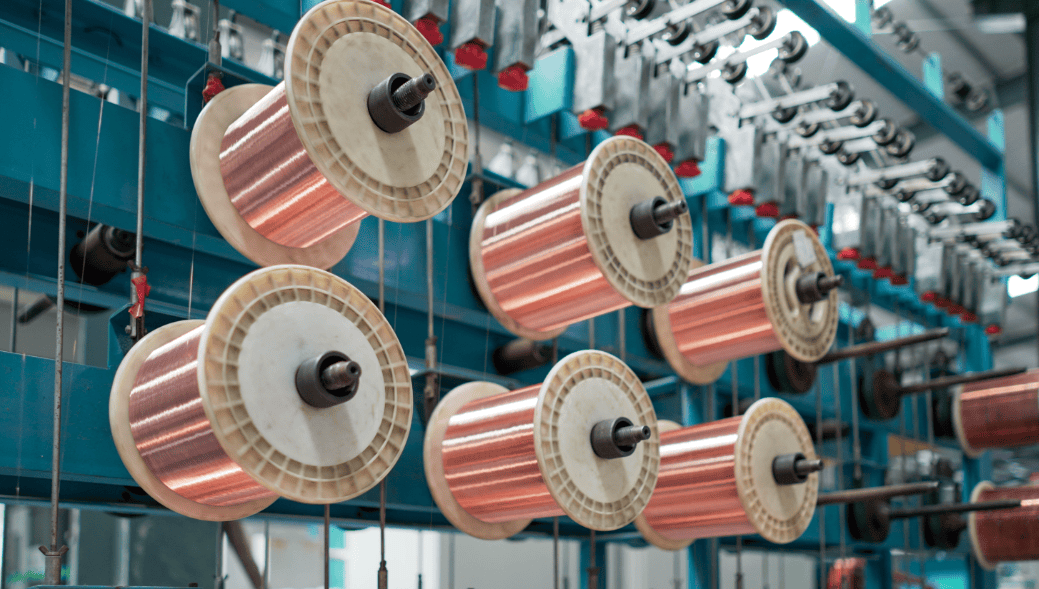 For cable manufacturers, Wire and Cable Equipment procurement can no longer be arranged passively after orders are confirmed. In the past, many companies purchased equipment based on specific orders, which appeared flexible. However, as lead times for high-end products lengthen, this approach can cause manufacturers to miss project windows. In high-voltage cables, submarine cables, wind power cables and flame-retardant data center cables, customers care more about stable delivery capability and quality systems than one-time low prices.
Procurement logic needs to change in three ways. First, companies should move from “adding capacity” to “building capability.” A manufacturer should not only buy one production line, but build integrated capability across drawing, stranding, extrusion, testing, take-up, final inspection and traceability. Second, procurement should shift from “lowest price” to “long-term stability.” Equipment precision, spare parts supply, after-sales response, software systems and upgrade capability all affect production over the next decade. Third, companies should move from “single-machine purchasing” to “production-line coordination.” If drawing, extrusion and testing systems are not digitally connected, real quality traceability and process optimization are difficult.
Local service capability from equipment suppliers is also becoming more important. When a cable production line stops, the impact is not limited to equipment downtime. It affects order delivery, customer acceptance and cash flow. Therefore, when purchasing Wire and Cable Equipment, manufacturers should evaluate whether suppliers can provide local installation, commissioning, training, spare parts, remote diagnosis and process support.
In the future, procurement of cable equipment will increasingly resemble procurement of power equipment: price matters, but reliability, maintainability, delivery certainty and life-cycle service matter more. Cable manufacturers that want more control in a tight supply chain must plan equipment investment early, secure key production-line capabilities and build flexible capacity for high-end orders.
Related Products

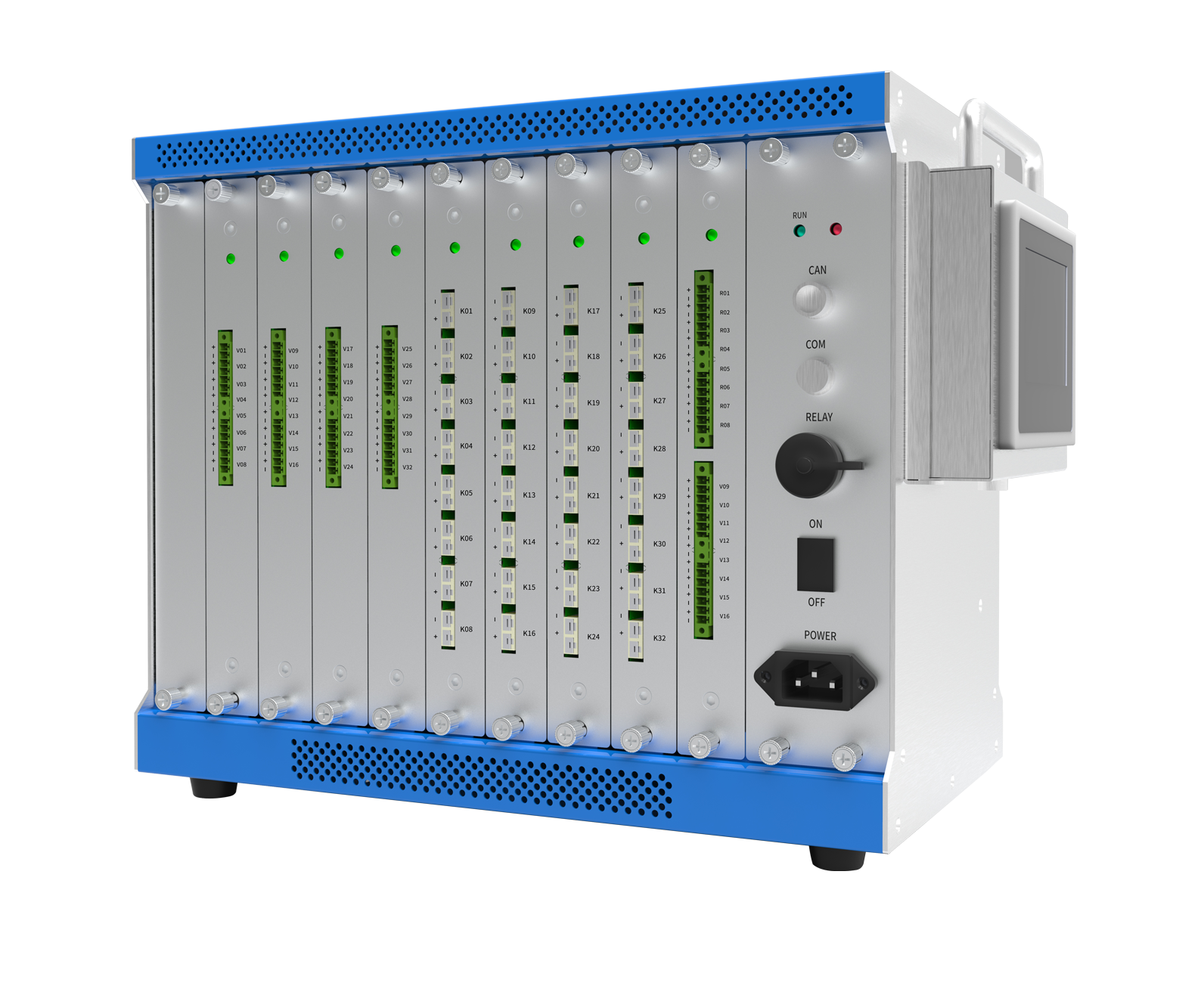
Optional Accessory - Auxiliary Sampling Module
Beijing Soaring Electric Technology Co., Ltd.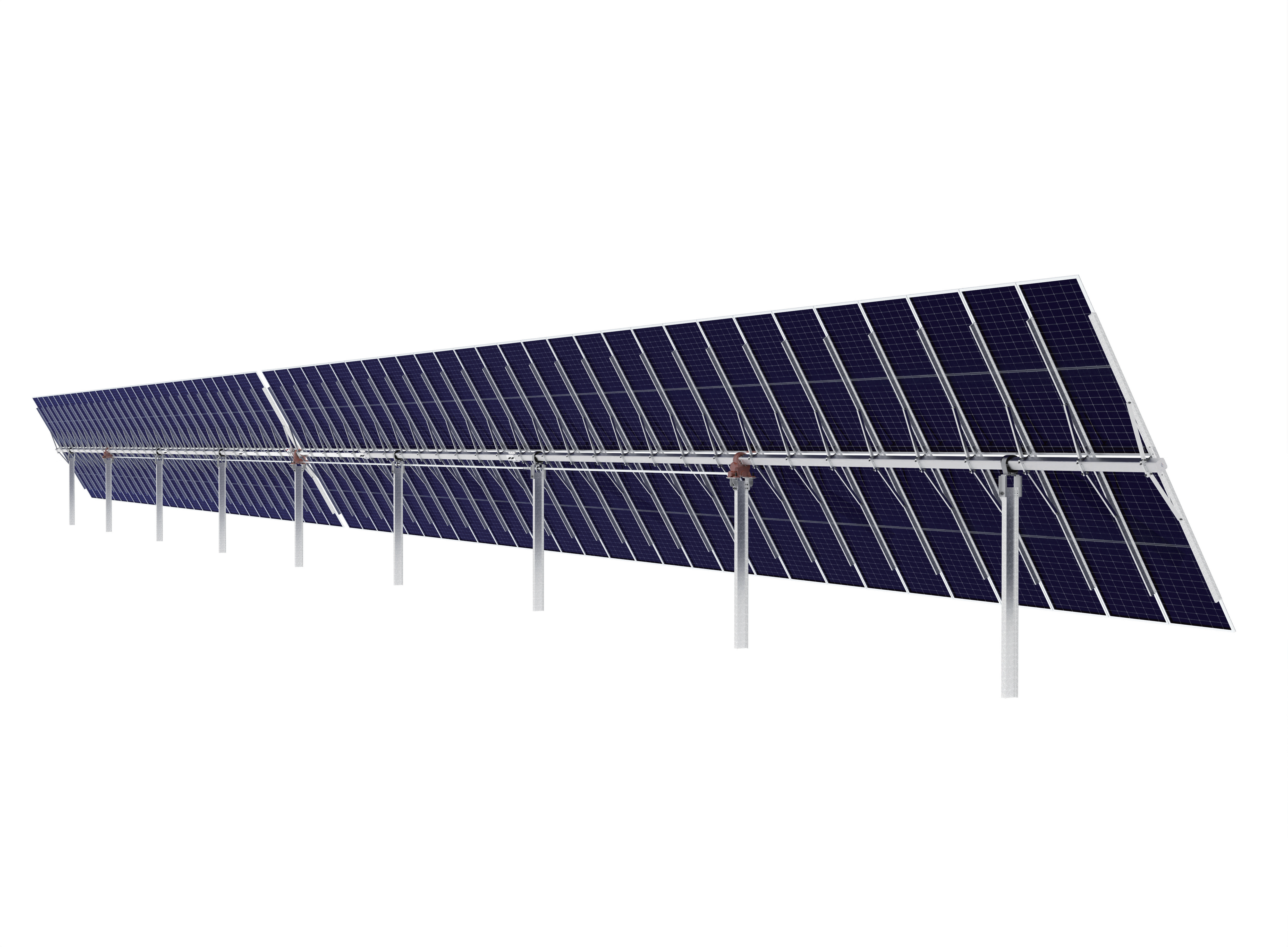
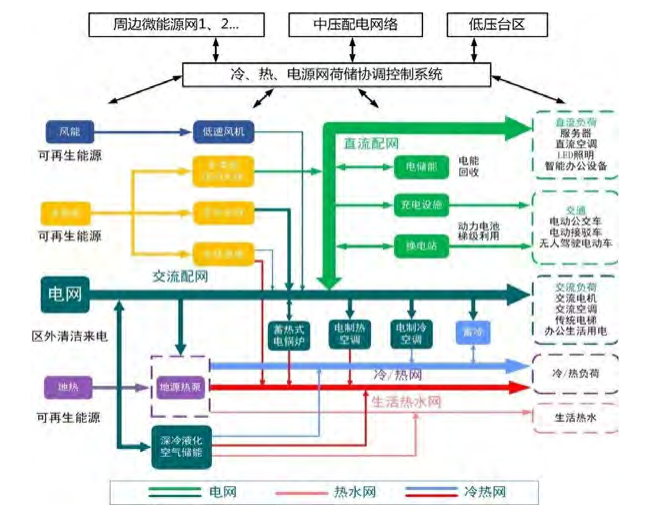
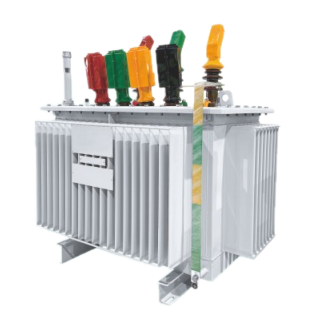
IS(B)□-M·RL Series Oil-immersed 3D Transformer (Planar / 3D Wound Core)
Guangdong Kehua Electric Power Technology Co., Ltd.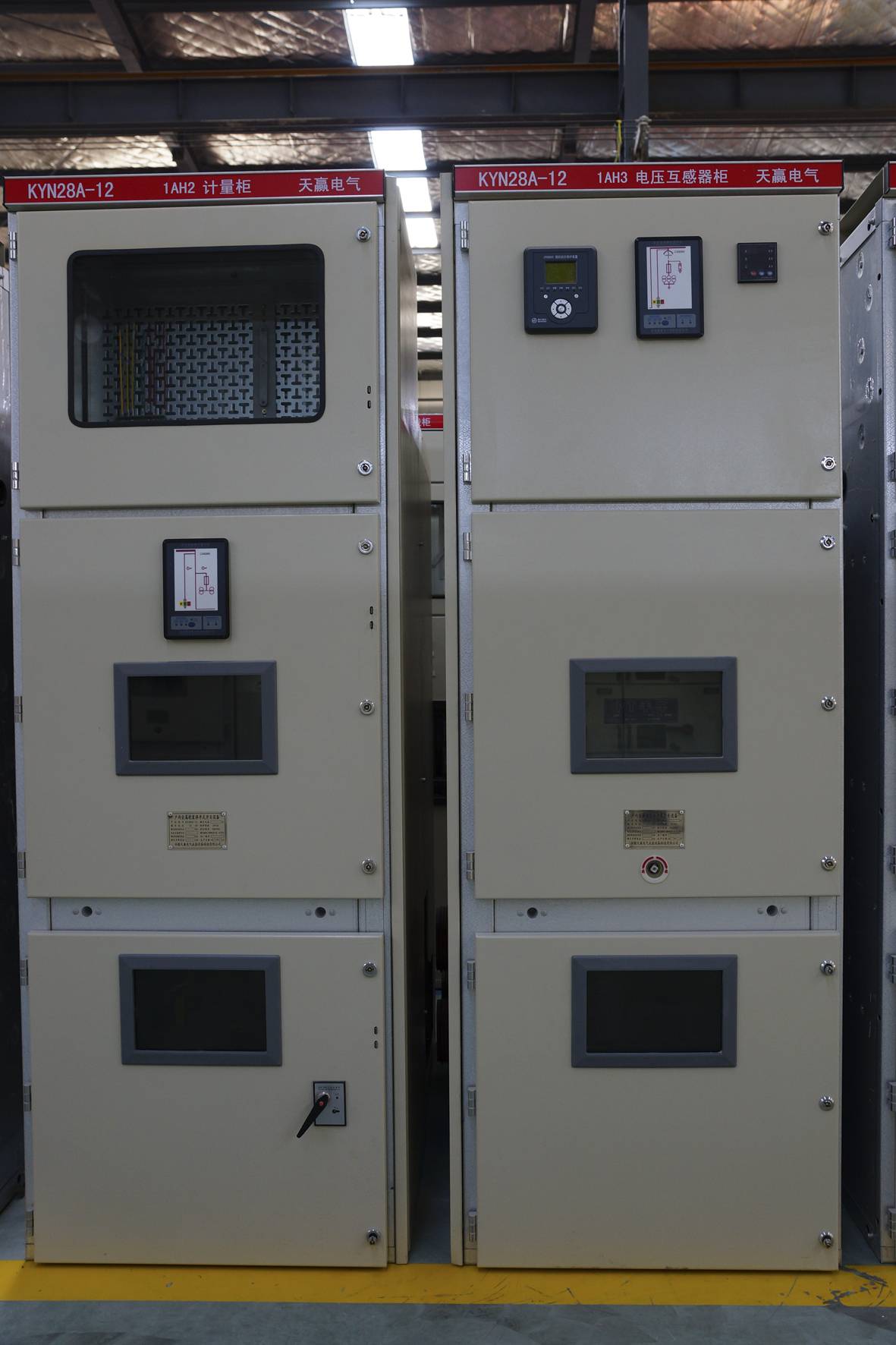
KYN28 - High Voltage Switchgear
Anhui Tianying Electrical Equipment Manufacturing Co., Ltd.