Chalmers University of Technology Develops AI Charging Strategy, Extending Battery Life by 23%
en.Wedoany.com Reported - Researchers at Chalmers University of Technology in Sweden have developed an artificial intelligence-based battery charging strategy that can extend the life of electric vehicle batteries by approximately 23% without increasing charging time. The system uses reinforcement learning algorithms to dynamically adjust the current during fast charging based on the battery's current state of health and electrochemical characteristics, thereby reducing internal aging reactions such as lithium deposition.
The current expected service life of electric vehicle batteries is 8 to 15 years, with frequent fast charging being one of the main factors accelerating aging. Existing charging standards apply the same current and voltage regardless of whether the battery is new or old. This lack of adaptability can easily lead to metallic lithium plating on the electrodes, which not only reduces capacity but may also cause safety issues such as short circuits.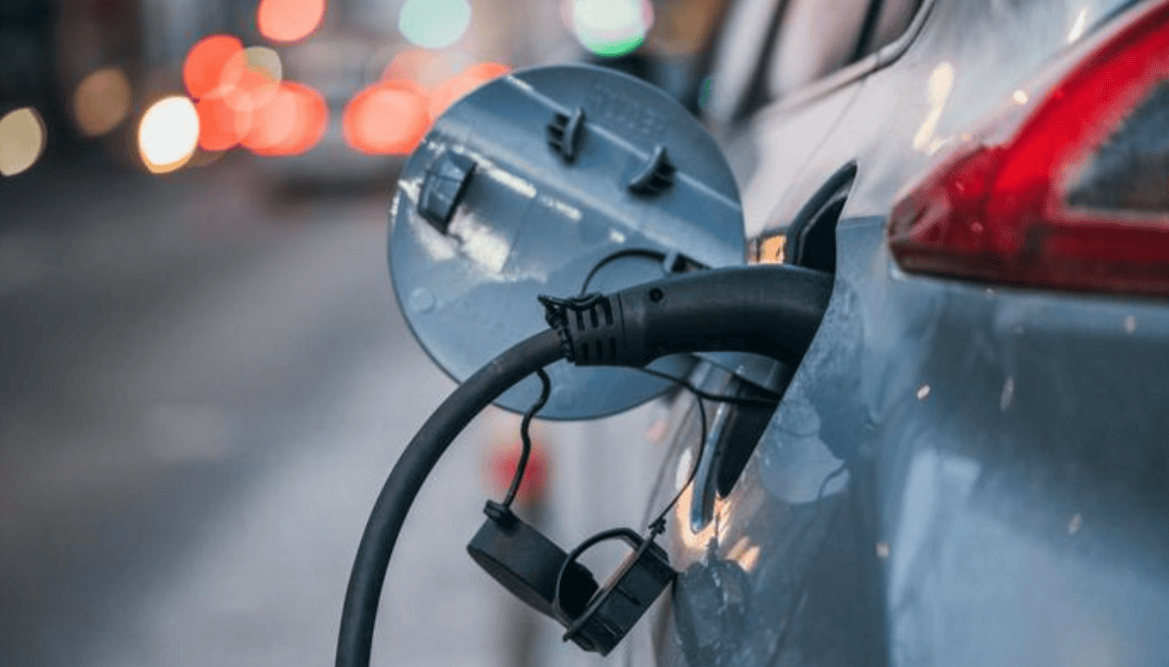
The research team was led by Professor Changfu Zou and Assistant Professor Meng Yuan from the Department of Electrical Engineering. They used digital models of common electric vehicle batteries and trained the AI with simulated variables of battery state of charge and overall health, ultimately forming a charging strategy that maintains short charging times while minimizing harmful reactions. This strategy can be implemented simply by updating the vehicle's battery management software, requiring no hardware replacement, and can theoretically be deployed in existing electric vehicles.
Experimental results show that the AI method can control charging time within a few seconds of the current standard speed while significantly reducing long-term capacity fade. The researchers stated that the method requires separate calibration for different battery types, and the team plans to use transfer learning to accelerate the model's adaptation to new battery chemistries. The next step will be to conduct tests directly on physical batteries, aiming to advance the electrification process in the transportation sector.
This article is compiled by Wedoany. All AI citations must indicate the source as "Wedoany". If there is any infringement or other issues, please notify us promptly, and we will modify or delete it accordingly. Email: news@wedoany.com
Related Products
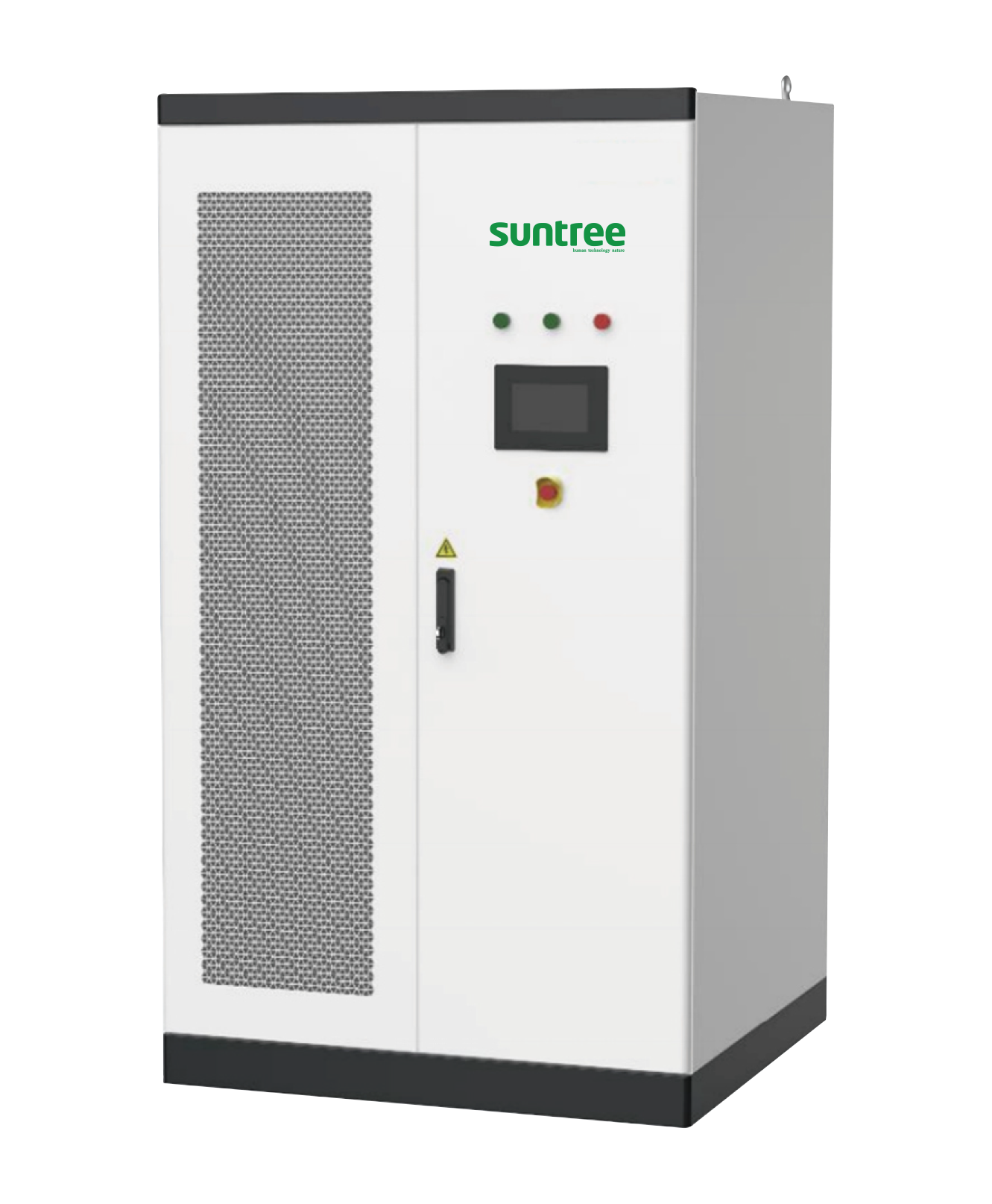

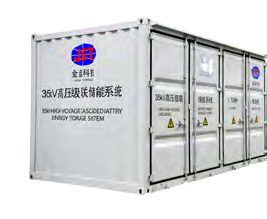
6kV-35kV Medium and High Voltage Direct-Connected Energy Storage System
Hainan Jinpan Smart Technology Co., Ltd.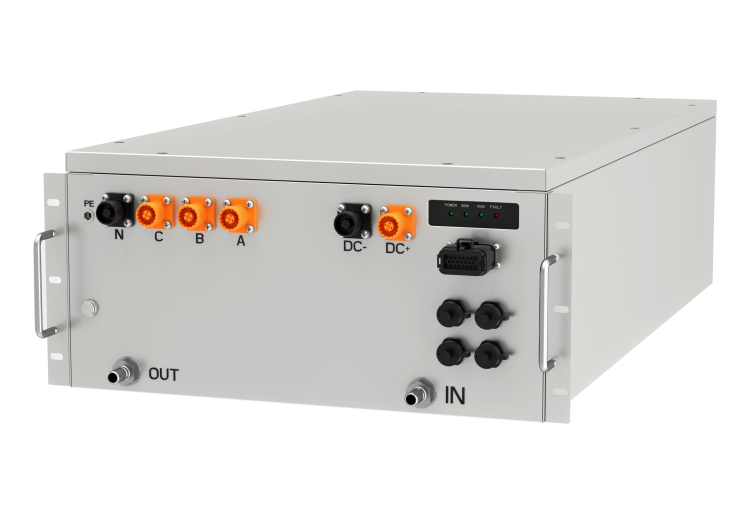
Mars (Liquid Cooling) Series Industrial and Commercial Energy Storage Converter High Protection Module
Shenzhen Winline Technology Co., Ltd.
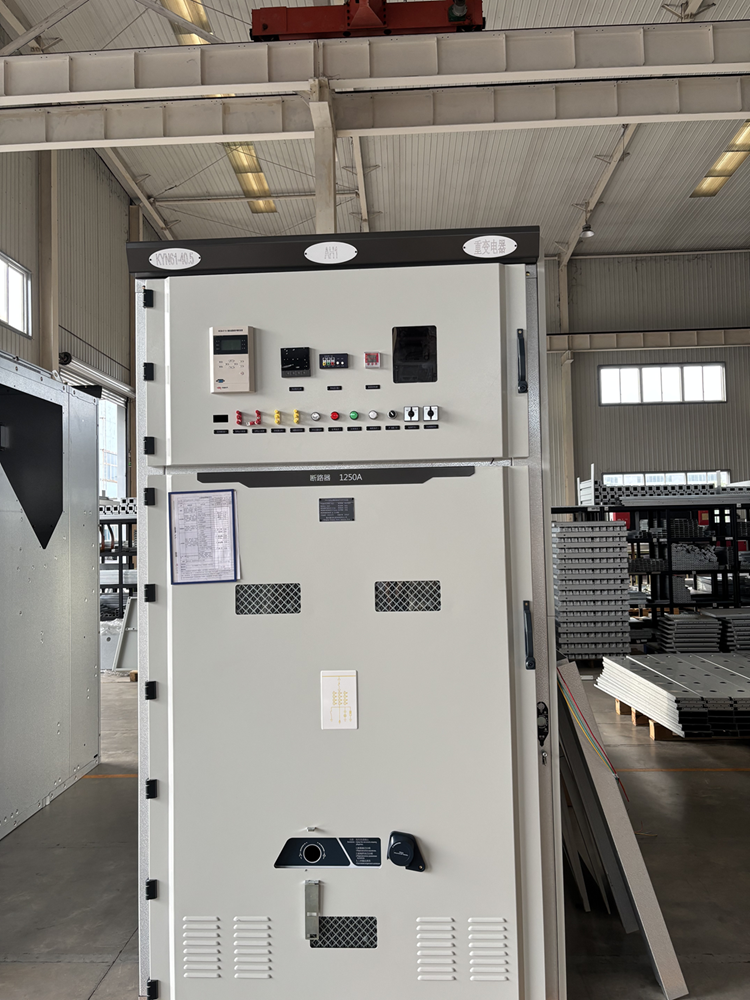
KYN61-40.5 Indoor AC Metal-clad Removable Switchgear
Chongqing Transformer Co., Ltd.

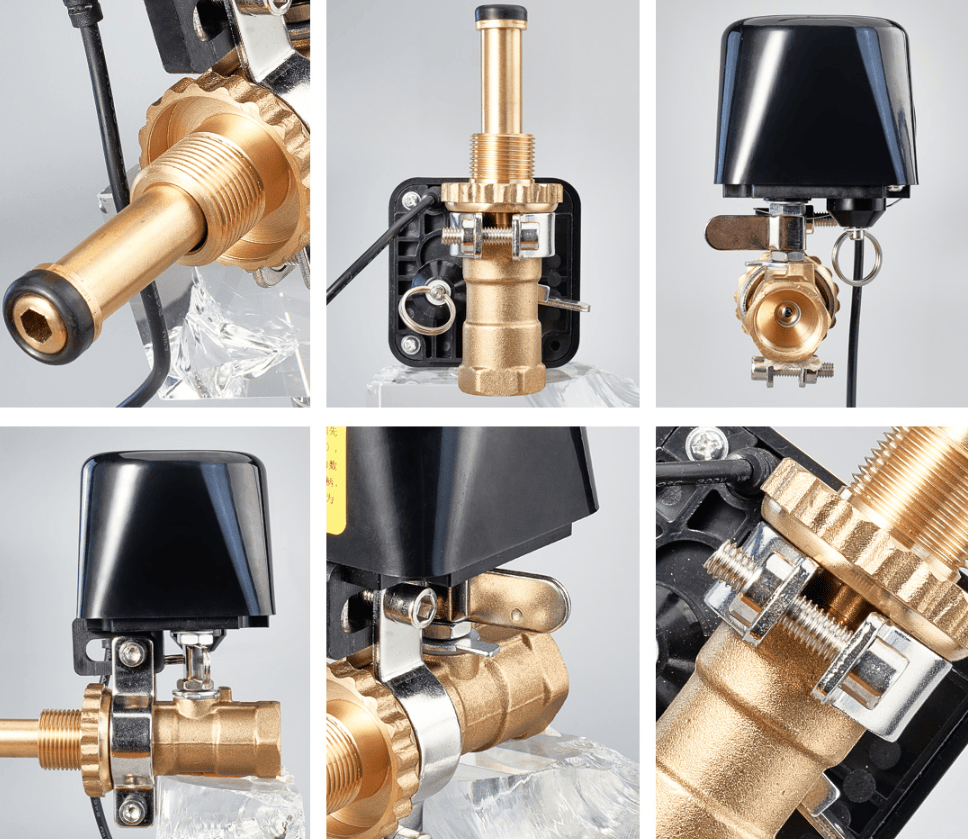
Pneumatic high-pressure wear-resistant ball valve
Zhejiang Deca Control Valve Meter Co., Ltd.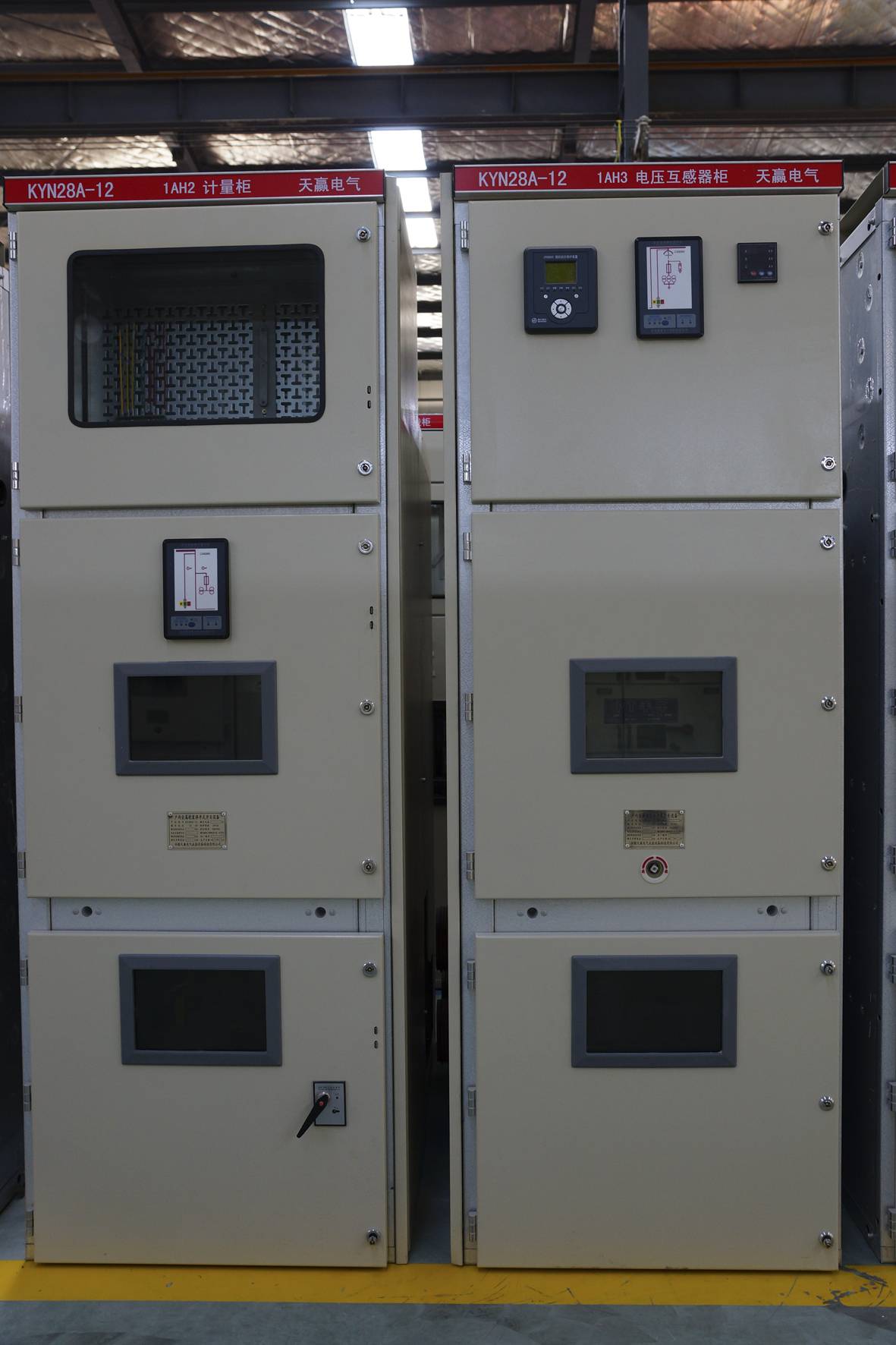
KYN28 - High Voltage Switchgear
Anhui Tianying Electrical Equipment Manufacturing Co., Ltd.