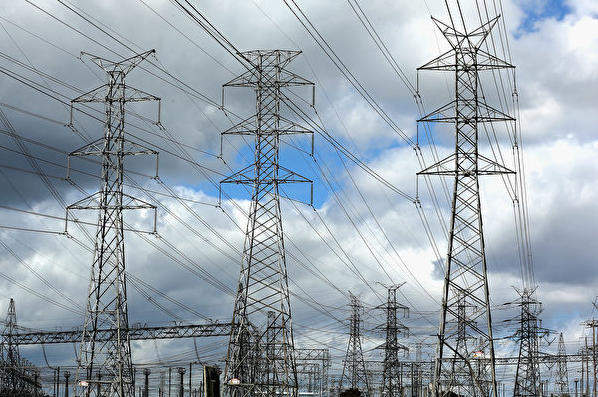
Materials and Manufacturing Processes Determine the Long-Term Reliability of Power Line Fittings
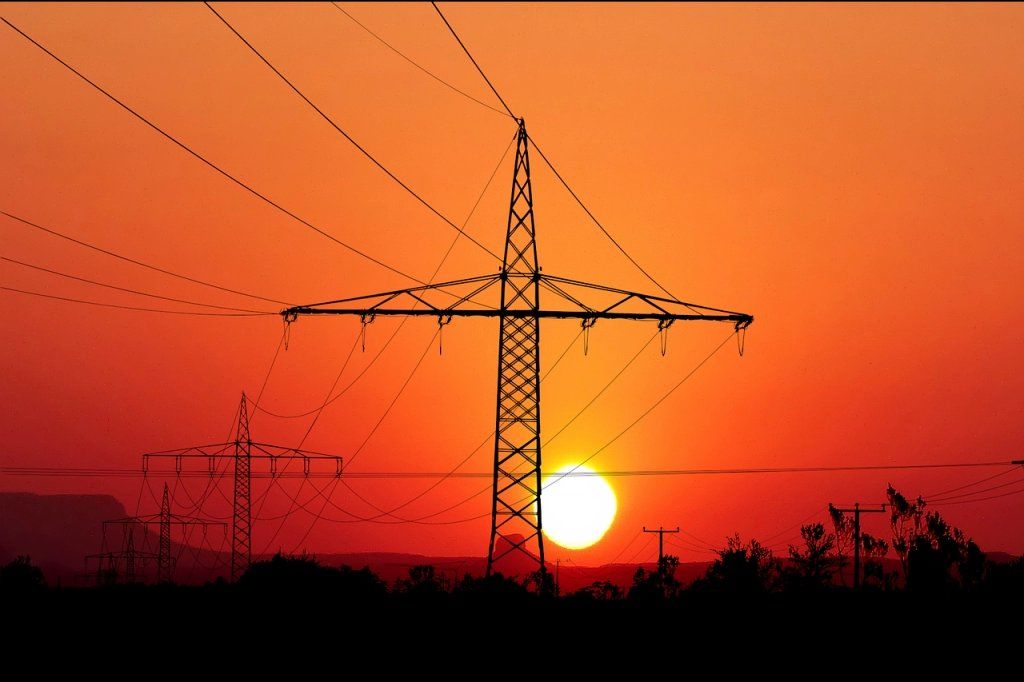
Power line fittings may appear structurally simple, but their long-term reliability depends heavily on materials and manufacturing processes. During operation, fittings must withstand tension, vibration, temperature rise, corrosion, rain, snow, ultraviolet exposure, icing and electrical stress. If material strength is insufficient, heat treatment is unstable, galvanizing quality is poor or machining precision is low, problems may not appear immediately but can develop later as fatigue cracks, corrosion thinning, looseness, slippage and local overheating.
As global grid expansion and transmission projects increase, the fittings industry is shifting from quantity-based competition to materials and process capability competition. IEA research on transmission grid supply chains shows that prices and lead times for key components such as cables and large transformers have increased significantly, making supply chain pressure an important constraint on infrastructure development. Although fittings are not usually the most constrained primary equipment, fluctuations in upstream materials such as copper, aluminum, steel, zinc and fasteners also affect cost and quality control.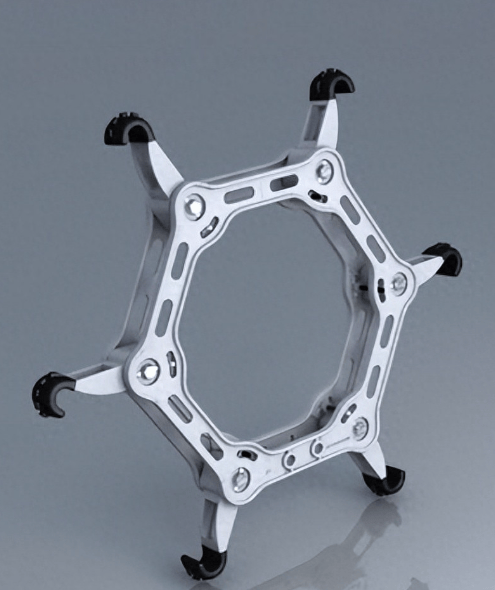 For Power Line Fittings, material matching is critical. Aluminum alloy fittings must balance conductivity, mechanical strength and corrosion resistance. Steel fittings require strong hot-dip galvanizing quality and control of hydrogen embrittlement risk. Copper-aluminum transition fittings must control electrochemical corrosion and contact heating. Composite or new anti-corrosion materials need long-term aging verification rather than only initial performance checks.
Manufacturing processes also determine the quality baseline. Forging, casting, stamping, welding, machining, heat treatment, galvanizing and assembly can all affect final performance. High-quality manufacturers should have stable mold management, batch inspection, dimensional control, nondestructive testing, coating inspection and mechanical performance testing capabilities. For critical line fittings, grip tests, breaking-load tests, temperature-rise tests, vibration fatigue tests and salt spray tests should be performed.
A professional recommendation is that owners should not review only certificates during procurement. They should examine process control. For important lines and special-environment lines, suppliers should provide raw material traceability, process parameter records, type test reports and sampling inspection mechanisms. Fitting quality is not selected through final inspection; it is built through materials, processes and process control.
Related Products

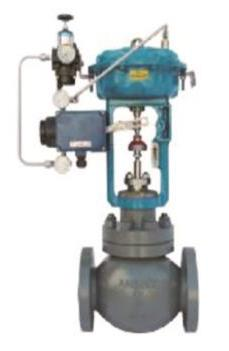
Quick-Change Single-Seat Control Valve / Quick-Change High-Pressure Single-Seat Control Valve
Beijing Consen Automation Technology Co., Ltd.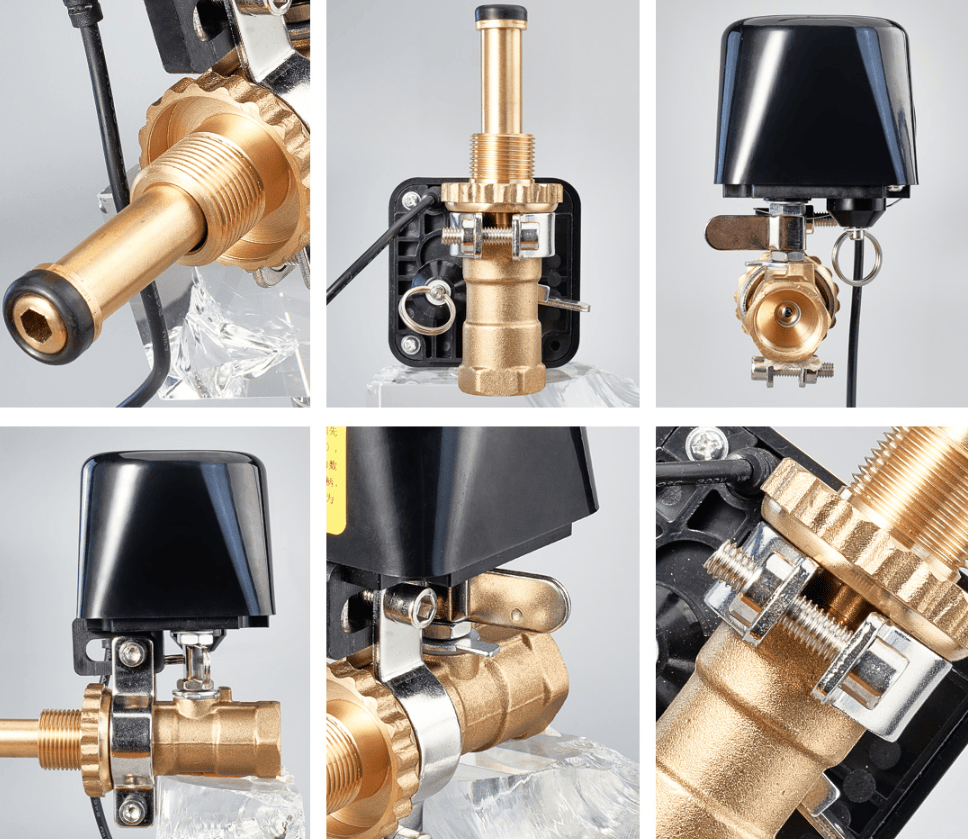
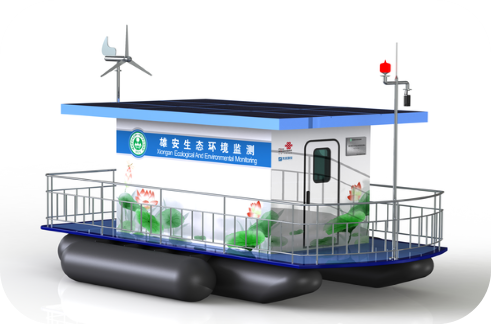
Floating Boat Water Quality Automatic Monitoring System
Hebei Sailhero Environmental Protection High-tech Co., Ltd.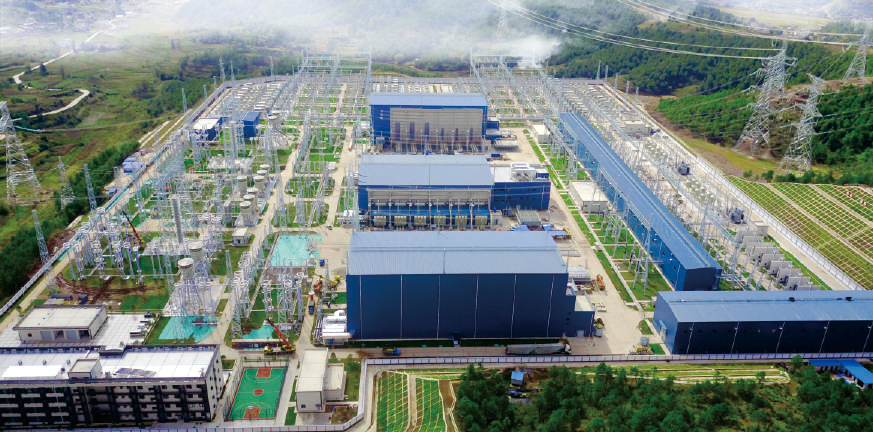
High-voltage Direct Current (HVDC) Transmission System Research and Integrated Design
XI'AN XD POWER SYSTEMS CO., LTD.
Off-Grid Fuel Cell Supercharging Station (180kW Configuration)
Shanghai REFIRE Group Limited
Yingping Mining Section Open-pit Tailings Backfill Treatment of Goaf Ecological Restoration EPC Project
China Bluestar Lehigh Engineering Corporation
Manufacturer Direct Sales Tesla New Energy Electric Vehicle Universal DC 180kW Dual-gun Charging Pile Commercial Fast Charger
Anhui Haidira Electric Technology Co., Ltd.
Double-slide Triple-sealed Hot Air Isolation Door
Xi'an Yingchuan Electric Power Equipment Co., Ltd.