en.Wedoany.com Reported - May 28 Wedoany Overseas Daily - News in the transportation and logistics sector shows that the global transport system is accelerating changes around three main themes: First, channel capacities such as cross-border aviation, port railways, and river-sea intermodal transport continue to serve as the foundation for regional trade competition. Second, low-carbon fuels, electric cold chains, green public transit, and port energy services are changing the procurement direction for transport equipment. Third, digital technologies like autonomous driving, air traffic management, quantum computing, and smart warehousing are moving from proof-of-concept to actual logistics scenarios. For Chinese enterprises, overseas transport infrastructure, green transport equipment, port and shipping digitalization, urban transport electrification, and specialized project logistics are forming more concrete entry points for going global.
I. Key News Summary
1. Busiest US-Canada Cross-Border Route: LGA-YYZ with 682 Flights
Core Content: In the June US-Canada cross-border route data, the planned flights from New York's LaGuardia Airport to Toronto Pearson International Airport reached 682, ranking first. Data shows that in June, a total of 14,283 flights are planned from US airports to Canada. The LGA-YYZ route is jointly operated by Air Canada, Delta Air Lines, American Airlines, and Porter Airlines, with Air Canada planning to operate 285 flights.
Global Watch: The North American cross-border aviation market reflects the importance of hub airports, alliance cooperation, and regional capacity allocation. For enterprises in aviation services, airport informatization, ground support equipment, aviation material supply, and cross-border passenger and cargo services, mature markets are not without opportunities; the key lies in whether they can enter the service chains of airlines, airports, and regional route networks.
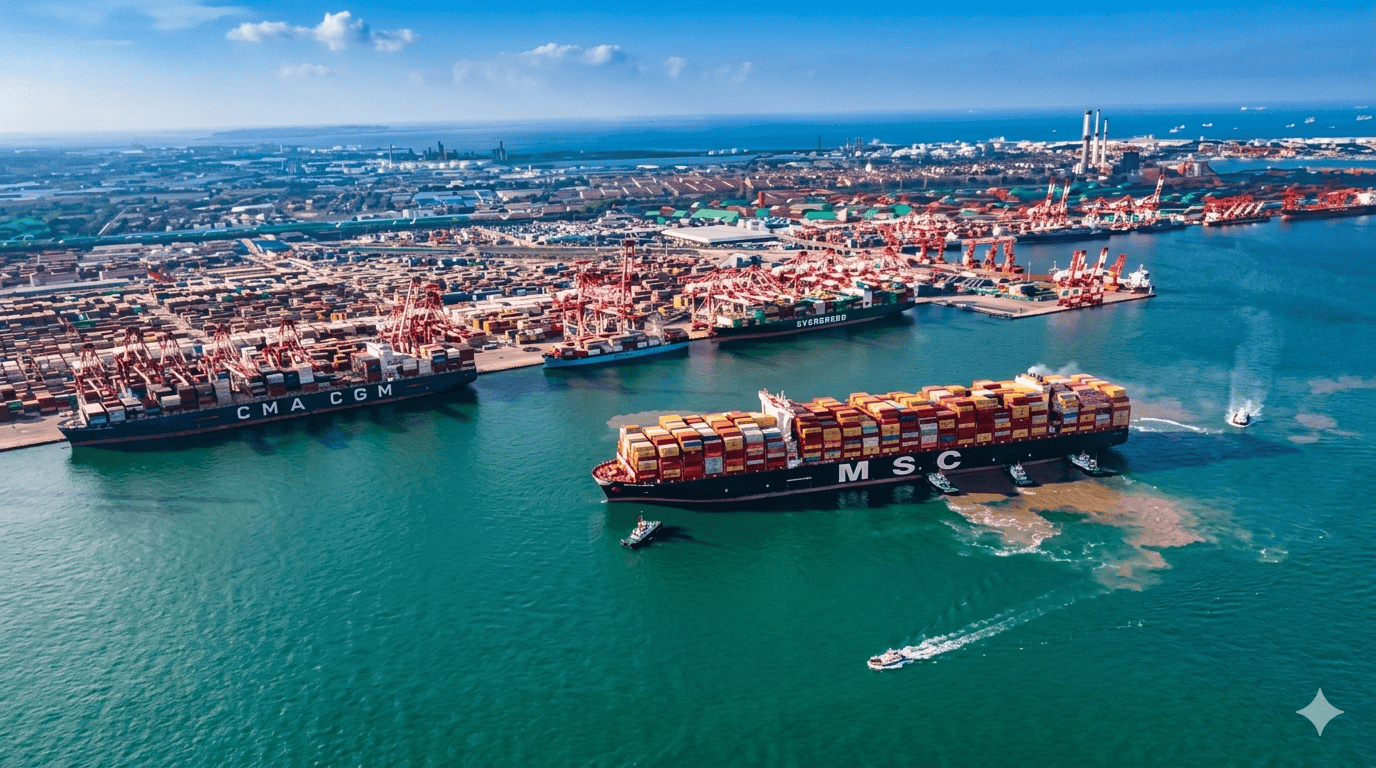
2. Greece's Safe Bulkers to Secondary List in Athens on June 2
Core Content: Greek dry bulk shipowner Safe Bulkers has completed the regulatory process for a secondary listing of its shares on the Athens Euronext Exchange, with trading planned to begin in the Greek market on June 2. The company has been trading on the New York Stock Exchange since May 2008, currently operates 45 dry bulk carriers, and holds orders for 11 newbuildings, with a total capacity of approximately 1 million deadweight tons.
Global Watch: Financing channels for shipping companies are extending from the single US capital market to local European markets. Dry bulk transport is closely related to the trade of commodities like ore, grain, and coal. As shipowners' financing capabilities improve, new cooperation opportunities may arise in vessel renewal, energy-saving retrofits, marine equipment, port services, and freight finance.

3. Concrete Pipeline Installation Completed at Maasvlakte Rail Yard in the Netherlands
Core Content: The Maasvlakte South rail yard project has completed the installation of a concrete public utility pipeline. The project, implemented by ProRail, the Port of Rotterdam Authority in cooperation with Swietelsky, Van der Linden Beton, Boskalis, De Koning, and CT De Boer, is part of the first phase of the rail yard construction. The first six tracks are expected to be operational by mid-2027, handling the growing rail freight volume from Maasvlakte to the European hinterland.
Global Watch: European ports are enhancing hinterland intermodal capacity through rail yards, pipeline reservations, and energy transition infrastructure. If Chinese enterprises participate in European port logistics equipment, track engineering materials, communication systems, energy pipelines, and automated dispatching projects, they need to pay attention to the multi-system coordination requirements of ports, railways, energy, and environmental protection.
4. Indra Launches Linkia Platform in Portugal, Integrating Air Traffic Management Systems
Core Content: Indra launched the Linkia digital platform at the AirSpace World exhibition in Portugal, which can integrate air traffic management systems from air navigation service providers into a unified infrastructure. Acting as a middleware layer, the platform allows ATM applications from different suppliers and technology generations to coexist and plans to incorporate emerging technologies like artificial intelligence.
Global Watch: Air traffic management is shifting from single-point system construction towards platformization, interoperability, and sustainable upgrades. For Chinese enterprises in communication, navigation, surveillance, airport operation management, and aviation software, the threshold in overseas markets lies not only in hardware performance but also in system compatibility, adaptation to international rules, and the capability for stable operation of critical systems.
5. A2Z Drone Delivery Partners with AAAG to Advance Urban Air Mobility Project in Alatau City, Kazakhstan
Core Content: US drone developer A2Z Drone Delivery has established a partnership with Kazakhstan's Alatau Advanced Aviation Group to advance an urban air mobility project at the Eurasian UAM Test Center in Alatau City. The project plans to integrate electric vertical take-off and landing aircraft, air taxis, and logistics drones into the city's low-altitude traffic network, aiming for commercial operations by 2028.
Global Watch: Smart cities in Central Asia are beginning to treat low-altitude traffic as part of urban planning, rather than a supplementary function added later. Drone logistics, hangar-based charging, low-altitude regulation, communication and navigation, platform dispatching, and emergency scenario applications could all become specific directions for Chinese low-altitude economy enterprises entering the Central Asian market.
6. UK's Sunswap Receives Second Order from James Hall, Endurance Electric Refrigeration Units Expand to Eight
Core Content: Sunswap has received a second order from James Hall & Co. to supply its Endurance electric transport refrigeration units for chilled distribution operations in Northern England. The wholesaler's Endurance fleet will expand to eight units, serving ambient, chilled, and frozen temperature zone distribution tasks, with the relevant vehicles covering an annual mileage of approximately 62,000 miles.
Global Watch: The decarbonization of cold chain transport is shifting from demonstration to repeat procurement. Electric transport refrigeration units, trailer-mounted solar auxiliary power, fleet temperature monitoring, and predictive maintenance systems are becoming procurement priorities for food distribution companies aiming to reduce emissions and operational risks.
7. UK's Loganair Signs 15-Year Sustainable Aviation Fuel Offtake Agreement
Core Content: UK regional airline Loganair has signed a 15-year offtake agreement with CATAGEN's ClimaHtech Green Flight for biomass-derived sustainable aviation fuel and e-fuels. The solution utilizes power-biomass-to-liquid and power-to-liquid technology pathways and emphasizes utilizing the UK's decentralized wind energy resources for local aviation fuel production.
Global Watch: Aviation emission reduction is driving the localization, modularization, and decentralization of fuel supply chains. For enterprises in biofuel equipment, green hydrogen, electrolysis systems, carbon capture, fuel synthesis, and airport energy services, long-term offtake agreements from airlines imply enhanced predictability for project financing and equipment procurement.
8. CCCC General Manager Zhang Bingnan Holds Talks with Cambodian Deputy Prime Minister Vongsey Vissoth
Core Content: On May 26, CCCC General Manager Zhang Bingnan held talks with Cambodian Deputy Prime Minister Vongsey Vissoth. CCCC expressed its intention to continue aligning with Cambodia's "Pentagonal Strategy," deepening cooperation in areas such as roads and bridges, inland waterway shipping, industrial parks, clean energy, green and low-carbon initiatives, and livelihood services. The Cambodian side noted that CCCC and China Road and Bridge Corporation have contributed to Cambodia's infrastructure connectivity over the past 25 years, with the Phnom Penh-Sihanoukville Expressway being one of the representative projects.
Global Watch: The competitiveness of Chinese transport engineering enterprises in the Southeast Asian market is extending from individual highway projects to comprehensive transport, industrial parks, energy, and urban services. Future opportunities lie not only in construction contracting but also in operation and maintenance, equipment supply, green building materials, smart transportation, and localized industrial cooperation.
9. China's Guangxi Builds Pinglu Smart Canal, River-Sea Direct Route to Open Fully in September
Core Content: The Guangxi Maritime Safety Administration and the South China Sea Navigation Support Center of the Ministry of Transport released the "Three-Year Action Plan for Accelerating the Construction of a Modern Navigation Support System in Guangxi Waters (2026-2028)," proposing to build the Pinglu Canal into China's first river-sea direct digital smart canal. The Pinglu Canal is 134.2 kilometers long and, upon completion, will be navigable for 5,000-ton vessels. It is scheduled to open fully to navigation in September 2026, shortening the sea route for goods from Southwest China by approximately 560 kilometers.
Global Watch: Although the Pinglu Canal is a domestic project, its core value lies in strengthening the sea access channel for Southwest China towards the Beibu Gulf and ASEAN markets. Port and shipping dispatching, lock control, navigation mark communication, BeiDou application, smart supervision, and river-sea intermodal information systems will become important scenarios for Chinese enterprises serving regional logistics upgrades.
10. Ho Chi Minh City Advances Green Transport, Aims for 100% Green Energy Buses and 20,000 Battery Swap Cabinets by 2030
Core Content: Ho Chi Minh City in Vietnam is promoting electric buses, charging infrastructure, and low-emission zones. The city currently operates 2,432 public buses, including 1,185 electric buses and 182 CNG buses, accounting for over 56%. The city aims for all public transport buses to use green energy by 2030 and plans to complete the location planning for 20,000 battery swap cabinets by the end of 2026.
Global Watch: The electrification of urban transport in Vietnam is creating systemic demand for buses, motorcycles, ride-hailing vehicles, delivery vehicles, and charging/battery swap networks. Chinese enterprises in new energy buses, power batteries, charging and battery swap equipment, telematics platforms, and bus dispatching systems can enter the market through a combination of vehicle exports, operational solutions, and infrastructure construction.
11. Germany's Gerolsteiner Brunnen Adopts Körber Technology to Build 15,800-Pallet Shuttle Warehouse, Operational by H1 2027
Core Content: German mineral water company Gerolsteiner Brunnen will build a new compact pallet warehouse equipped with a two-dimensional shuttle system at its headquarters for finished goods storage and distribution. Körber is responsible for the turnkey implementation as the general contractor. The system includes 15,800 pallet positions, 16 ATLAS pallet shuttles, 4 lifts, and SAP EWM control optimization, expected to be operational in the first half of 2027.
Global Watch: European consumer goods companies are improving distribution efficiency and energy efficiency through automated warehousing. When Chinese warehousing equipment, pallet conveying, automatic truck loading, WMS/WCS systems, and industrial software enterprises enter the European market, they should focus on demonstrating system stability, scalability, energy-saving capabilities, and integration capabilities with mainstream systems like SAP.
12. Business Finland Grants €2.79 Million to Fund QMill and ESL Shipping Quantum Computing Project
Core Content: Business Finland has granted a total of €2.79 million in corporate research funding to quantum software company QMill and maritime logistics operator ESL Shipping to promote the practical application of quantum computing in maritime logistics optimization. Specifically, ESL Shipping's cloud-scalable intelligent fleet optimization software pipeline received a €1.09 million deployment contract, and QMill's Supernova algorithm design engine received €1.7 million in research funding.
Global Watch: Shipping optimization is moving from traditional scheduling software towards quantum-classical hybrid optimization. Fleet scheduling, fuel costs, emission compliance, weather delays, and capacity matching are the most pressing practical concerns for maritime enterprises. For industrial software companies to enter the high-end shipping market, they need to combine algorithmic capabilities with real fleet data, telemetry systems, and carbon emission constraints.
13. Ireland's Port of Cork Plans to Consolidate Operations to Downstream Port Area by 2050
Core Content: The Port of Cork plans to shift port activities downstream and consolidate operations to the downstream port area by 2050 to handle larger vessels, support Ireland's trade growth, and release downtown waterfront land. Its "Master Plan 2050" identifies fixed offshore wind as a key growth area. The Port of Cork has also signed a 10-year agreement with the Port of Belfast to support offshore wind delivery and cruise activities.
Global Watch: Ports are transforming from single cargo nodes into integrated platforms for energy logistics, cruise services, and urban redevelopment. Chinese enterprises in port machinery, shore power, offshore wind logistics equipment, port security systems, and smart port solutions still have cooperation opportunities in the European port renewal process, but need to adapt to local long-term planning and safe operation standards.
14. Collett Completes 89.9-Tonne Transformer Transport and Installation Project in the UK
Core Content: Collett completed an 89.9-tonne transformer transport and installation project in the UK, encompassing sea freight, heavy haulage, civil engineering, and specialized lifting. The transformer departed from the Port of Rotterdam, was shipped via RoRo vessel to the Port of Immingham, transferred to a heavy-lift warehouse in Goole, and finally completed an 89-mile road journey, overcoming a bridge with a load capacity of only 3 tonnes using a "bridge-over-bridge" system.
Global Watch: Energy infrastructure upgrades are driving demand for specialized project logistics. Transporting large transformers, wind power components, energy storage equipment, and industrial modules is not just a matter of vehicle capacity but relies more on route assessment, temporary roads, bridge reinforcement, lifting and skidding, and multi-party coordination capabilities. Chinese project logistics enterprises going global need to supplement their capabilities in local regulations, insurance, police coordination, and engineering design.
15. Axpo Completes Cruise Ship LNG Bunkering in Naples, Italy
Core Content: Axpo completed a ship-to-ship LNG bunkering service for the "Sun Princess" cruise ship in Naples, Italy, using the chartered bunker vessel "Green Zeebrugge." The cruise ship, operated by Carnival's Princess Cruises, has a tonnage of 175,500 GT and can accommodate 4,300 passengers. The bunker vessel "Green Zeebrugge" has a capacity of 5,200 cubic meters. Axpo is also advancing small-scale LNG and bio-LNG supply chain layouts in Italy and Spain.
Global Watch: Shipping fuel infrastructure is developing towards multi-port, multi-scenario bunkering networks. LNG, bio-LNG, ship-to-ship bunkering, port permits, and heavy transport fuel services will form a new port energy service market. Related storage tanks, cryogenic pipelines, pumps and valves, metering, marine safety systems, and port energy operation services are worth attention.
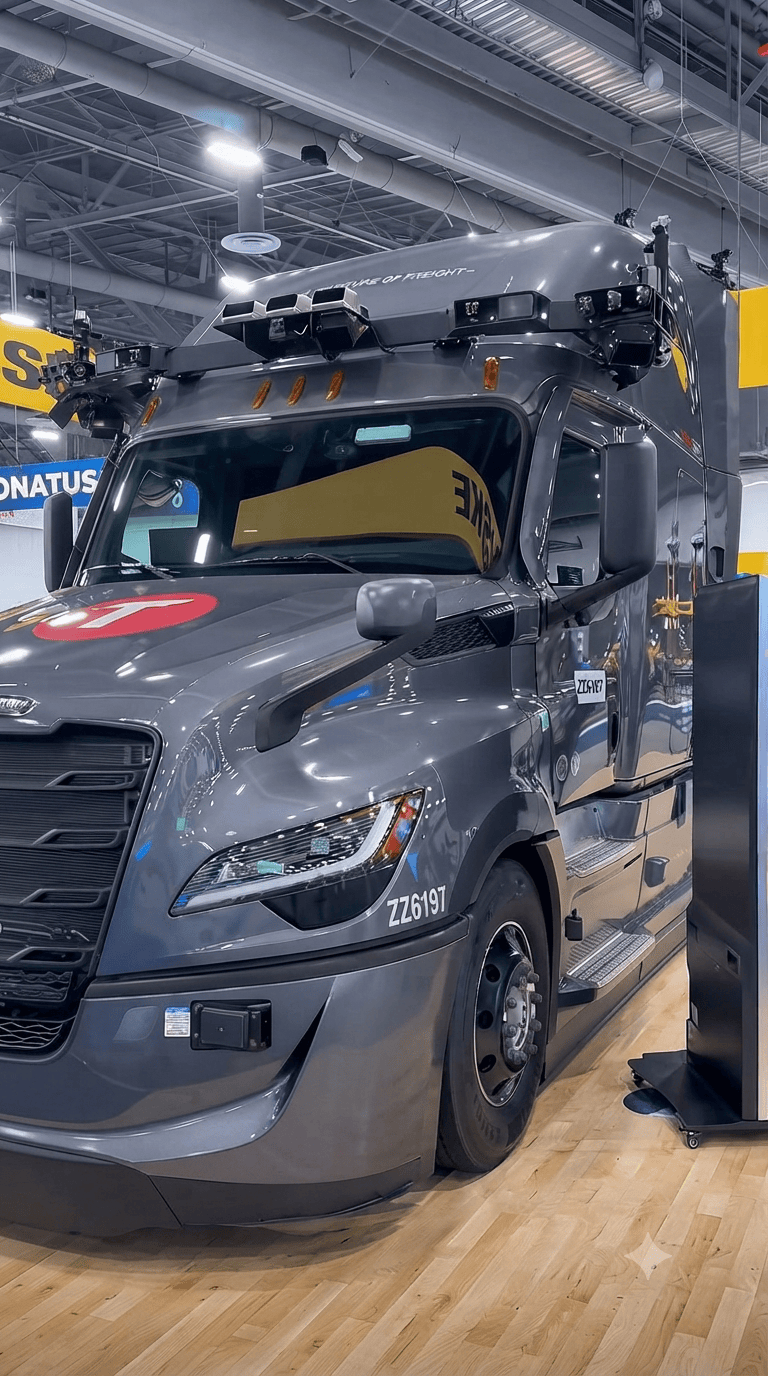
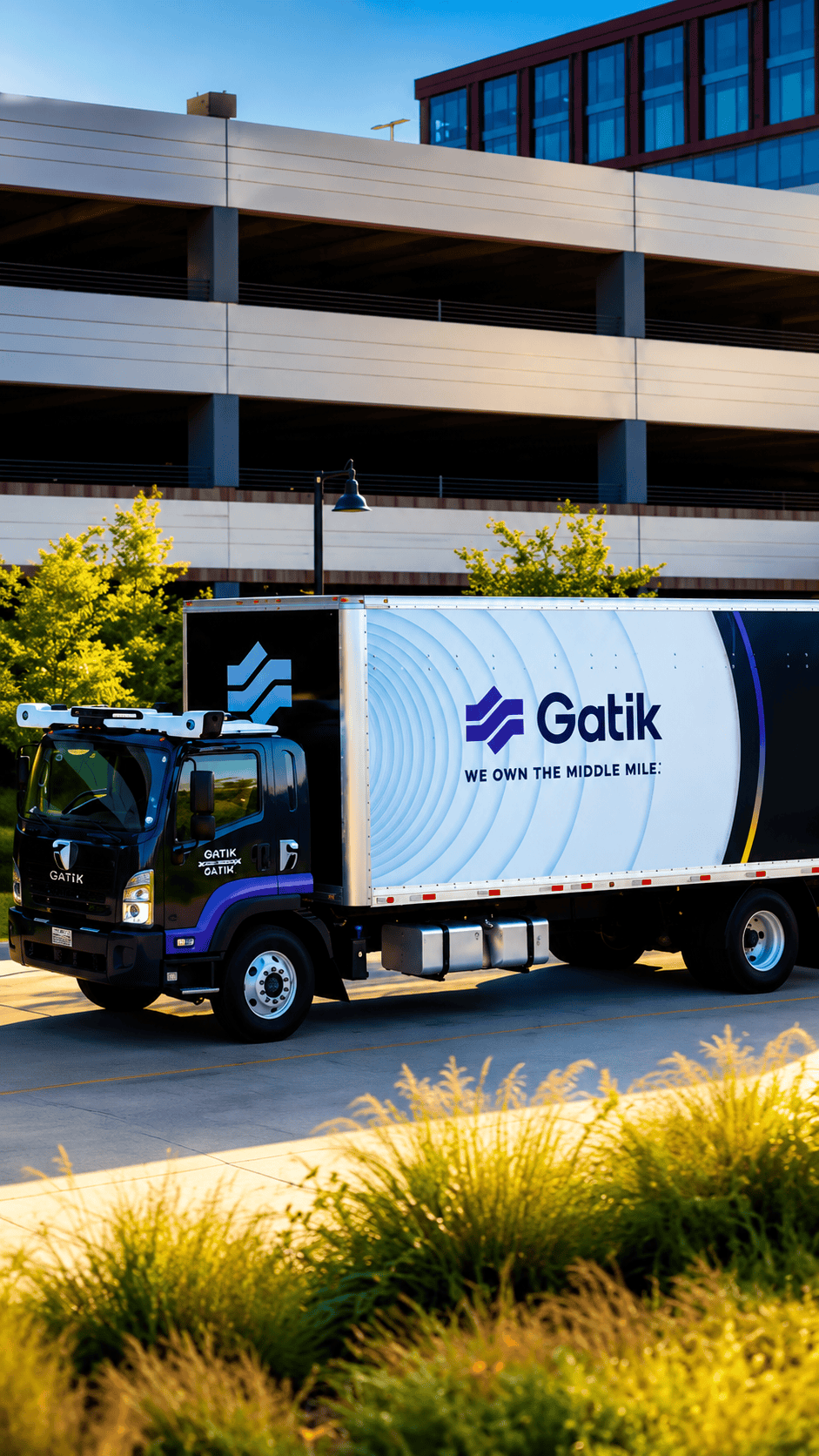
16. Canada's Torc Robotics Joins Mila to Co-develop Autonomous Truck AI
Core Content: Torc Robotics has joined the Mila ecosystem, the Quebec Artificial Intelligence Institute, and will establish an office at Mila's Montreal campus, becoming the institute's sole partner in the autonomous trucking sector. The two parties will conduct research around generative world models, multi-agent behavior modeling, reinforcement learning, and physical AI foundation models to advance the implementation of autonomous transport technology.
Global Watch: Competition in autonomous trucking has entered the stage of "scenario data + AI talent + industrial validation." Chinese enterprises in commercial vehicle autonomous driving, onboard perception, simulation testing, vehicle-road coordination, and trunk line logistics platforms should focus on overseas regulatory access, insurance liability, road testing ecosystems, and models of cooperation with local research institutions.
II. Global Changes in Transportation and Logistics Seen from the News
First, cross-border channel capacity is becoming the foundation for regional industrial chain competition. The US-Canada cross-border routes, Guangxi's Pinglu Canal, the Dutch port rail yard, and CCCC's cooperation in Cambodia all point to the same trend: transport infrastructure is not just a means of conveyance but a fundamental condition for trade flows, industrial layout, and regional economic cooperation. Whoever can reduce the cost of cross-border movement of goods, people, and equipment will gain stronger capacity to undertake industrial chain restructuring.
Second, ports and shipping are accelerating towards energy transition and decarbonization. Axpo's promotion of cruise ship LNG bunkering in Italy, the Port of Cork's inclusion of offshore wind logistics in its long-term planning, and Loganair's signing of a 15-year sustainable aviation fuel offtake agreement indicate that the energy structure in the transportation sector is undergoing deep adjustment. Future procurement by ports, airports, and shipping companies will include not only traditional handling equipment but also fuel supply, shore power, energy storage, charging, low-carbon certification, and energy management systems.
Third, logistics equipment procurement is shifting from standalone machines to system solutions. Sunswap's electric transport refrigeration units, the German shuttle warehouse, and Collett's heavy transport project all show that logistics companies are increasingly focused on full-process efficiency. Equipment suppliers offering only single hardware will struggle to meet customer needs; enterprises that can simultaneously provide equipment, software, operation and maintenance, data monitoring, and scenario adaptation will find it easier to enter overseas projects.
Fourth, transport digitalization is entering critical operational systems. Indra's air traffic management platform, Torc's autonomous truck AI, Finland's quantum maritime optimization project, and the Alatau urban air mobility testbed indicate that digital technology is no longer confined to back-office management but is entering core operational links such as airspace management, fleet dispatching, autonomous driving, and low-altitude logistics. Future technological competition in transport projects will increasingly manifest as competition in algorithms, data, platform integration, and safety compliance capabilities.
Fifth, green transport construction in emerging markets is creating large-scale procurement opportunities. Ho Chi Minh City's proposal for 100% green energy buses by 2030, along with plans for numerous battery swap cabinets and public charging/swapping facilities, reflects that major Southeast Asian cities are moving from policy advocacy to project implementation. For Chinese enterprises in new energy buses, charging piles, battery swap cabinets, battery systems, smart public transit, and operation and maintenance services, such city-level transformations are more noteworthy than single vehicle exports.
III. Opportunities for Chinese Enterprises Going Global
1. Transport infrastructure enterprises can shift from single projects to comprehensive development. Markets in Cambodia, Southeast Asia, and Central Asia still have long-term demand for roads and bridges, inland waterway shipping, industrial parks, port logistics, and urban transport. Chinese enterprises can extend from EPC construction to planning and consulting, investment and construction, operation and maintenance management, smart transportation, and green energy support, enhancing the comprehensive returns of projects.
2. Green transport equipment enterprises can focus on layout in Southeast Asian and European markets. Vietnam's bus electrification, the UK's electric cold chain refrigeration, European port energy services, and aviation sustainable fuel projects all require complete vehicles, charging and swapping systems, refrigeration units, batteries, electronic controls, energy management, and carbon accounting systems. When going global, Chinese enterprises should not just sell equipment but provide comprehensive solutions suitable for local routes, climate, energy prices, and maintenance systems.
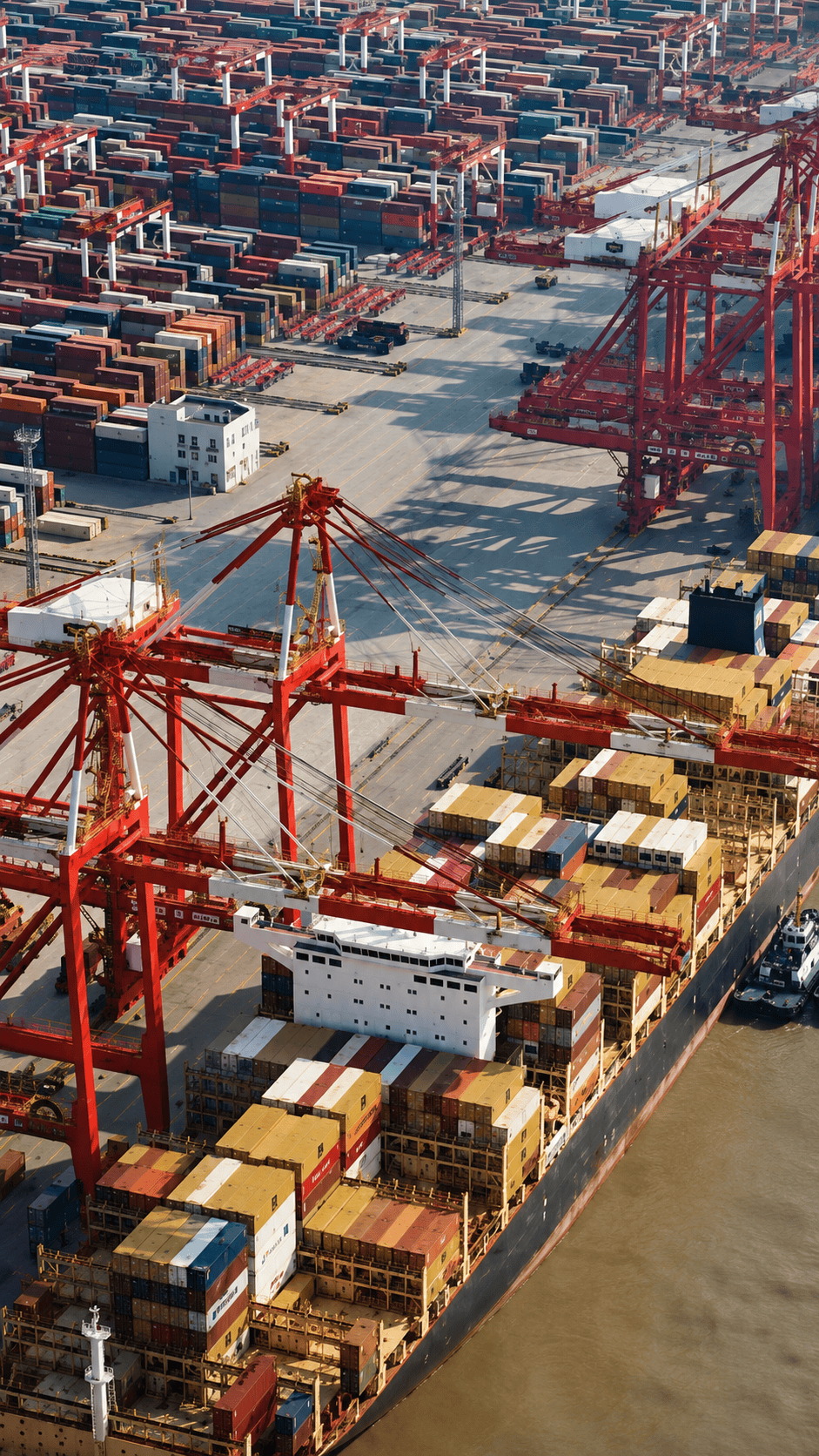
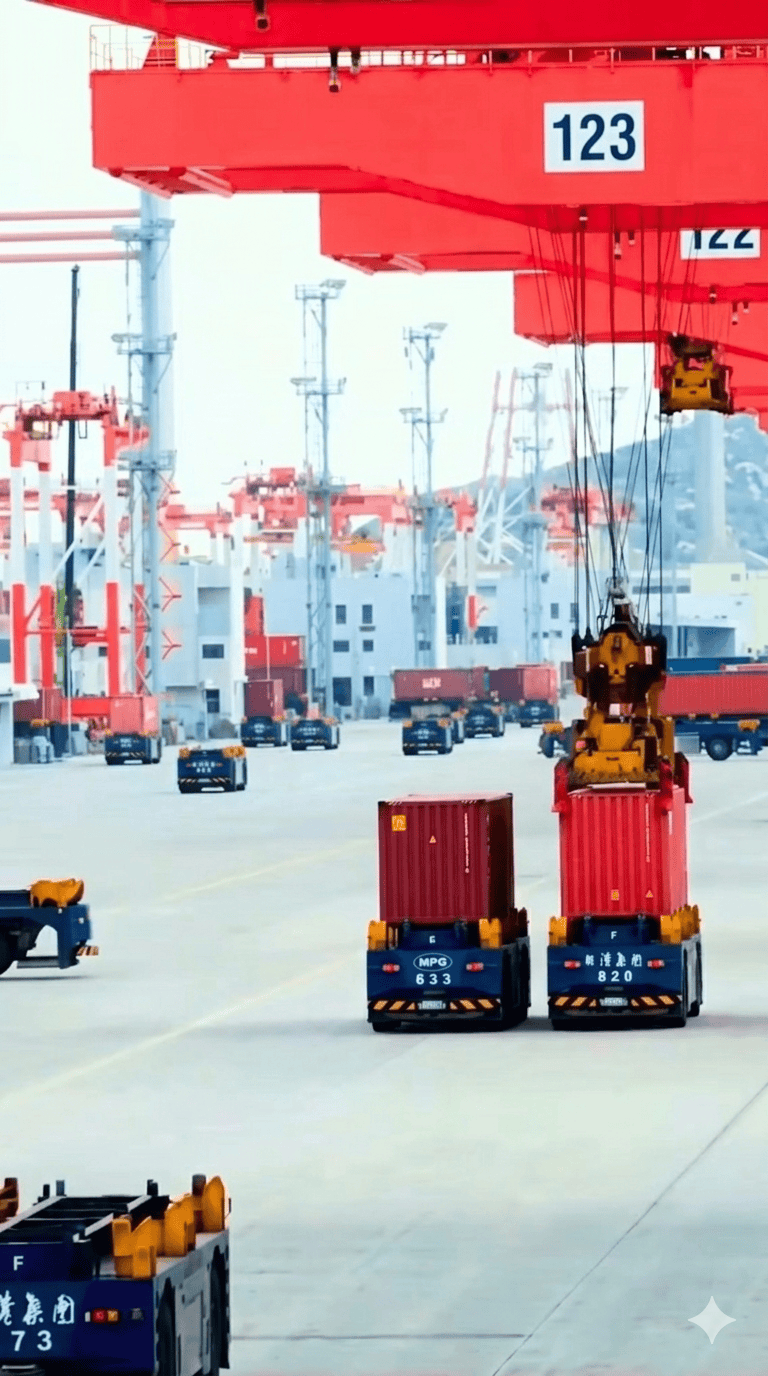
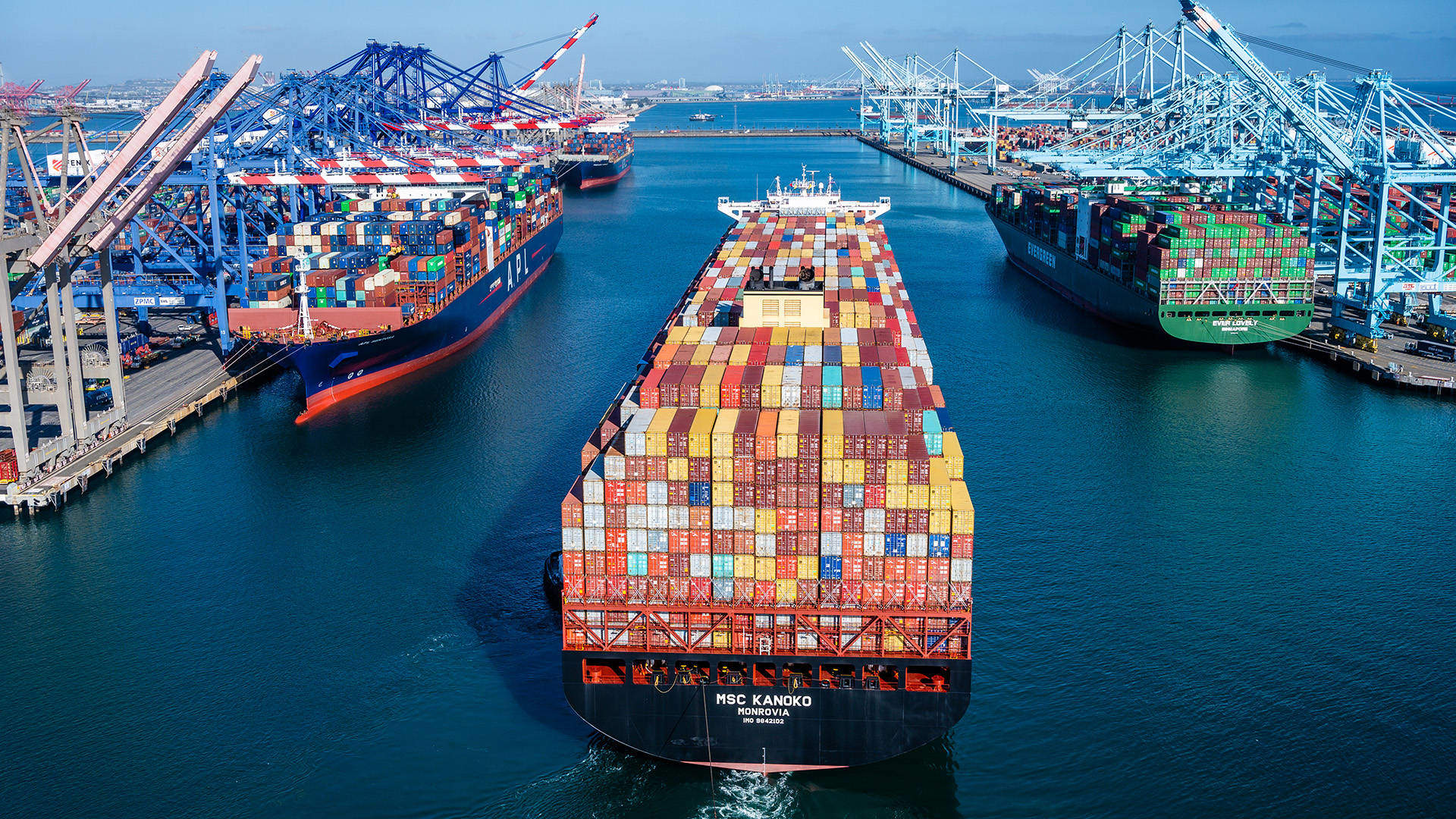
3. Port and shipping equipment and smart port enterprises should pay attention to port energy transition. The cases of the Port of Cork, the rail projects related to the Port of Rotterdam, and LNG bunkering in Italy demonstrate that ports are simultaneously undertaking the functions of freight hubs, energy nodes, and urban space renewal. Shore power systems, port automation, cryogenic fuel bunkering, rail freight equipment, port-shipping communication, and dispatching systems all have opportunities to enter the port upgrade chain.
4. Project logistics enterprises can build professional capabilities around energy equipment transport. The 89.9-tonne transformer transport project in the UK illustrates that the renewal of overseas energy infrastructure will generate significant demand for heavy-lift transport and installation. If Chinese enterprises want to undertake similar business, they need to establish networks for route surveys, temporary roads, bridge assessments, lifting and skidding, police coordination, insurance, and local subcontracting in advance.
5. Transport digitalization enterprises should move from "system delivery" to "compliant operation." Air traffic management, autonomous trucks, quantum fleet optimization, and low-altitude logistics all involve safety responsibilities and regulatory boundaries. When going global, Chinese software and intelligent transport enterprises need to bind their product capabilities with international standards, data security, operational audits, and long-term maintenance, avoiding staying only at the technical demonstration stage.
IV. Industry FAQ
Q1: When going global, should transportation and logistics enterprises prioritize infrastructure projects or equipment exports?
A: If an enterprise possesses capabilities in general contracting, financing, and local resource integration, it can prioritize participating in infrastructure projects such as roads, ports, railways, and industrial parks. If its strengths lie in vehicles, charging equipment, refrigeration units, warehousing systems, or port equipment, it is more suitable to start with equipment exports and operation and maintenance services. A more prudent approach is to provide a combined "equipment + system + service" solution around specific scenarios.
Q2: What is the biggest difficulty for new energy bus and green transport projects going global?
A: The difficulty lies not only in vehicle prices but also in charging infrastructure, grid capacity, operational routes, maintenance systems, driver training, spare parts supply, and financing models. Taking Ho Chi Minh City as an example, bus greening requires the simultaneous advancement of vehicles, charging/swapping networks, emission testing, and low-emission zone policies. Suppliers must understand the overall operational logic of urban transport.
Q3: How can port construction enterprises seize opportunities in European port renewal?
A: European port projects typically emphasize long-term planning, low-carbon requirements, safe operations, and multi-party collaboration. Chinese enterprises can focus on shore power, port machinery automation, port-rail intermodal transport, LNG or biofuel bunkering, offshore wind logistics bases, and port-shipping information systems, but need to adapt to local certifications, environmental requirements, and project procurement processes in advance.
Q4: What capabilities do specialized heavy-lift logistics enterprises need to supplement when going global?
A: Heavy-lift logistics is not simple transportation; it requires capabilities in route assessment, bridge load analysis, temporary road construction, lifting plans, sea-land intermodal connection, traffic control coordination, and risk insurance. Energy, power grids, wind power, mining, and large industrial projects will generate similar demands. The stronger the specialized capability, the easier it is to obtain high-value orders.
Q5: Is low-altitude logistics and urban air mobility already suitable for large-scale commercialization?
A: Currently, most markets are still in the stages of test centers, demonstration operations, and regulatory exploration. Opportunities are mainly concentrated in areas such as drone hangars, charging systems, airspace management, logistics dispatching, emergency response, and infrastructure inspection. Enterprises should not only focus on the aircraft itself but also on whether they can participate in city-level low-altitude traffic system construction.
Q6: What should smart warehousing enterprises pay attention to when entering the European market?
A: European customers value system stability, energy efficiency, space utilization, integration capabilities with mainstream enterprise systems like SAP, and after-sales response. If Chinese enterprises only offer hardware price advantages, their competitiveness is limited. If they can provide shuttles, conveyor systems, automatic truck loading, WMS/WCS, and long-term maintenance, their entry opportunities will be greater.
Q7: Why are shipping companies starting to focus on quantum computing and advanced algorithms for digitalization?
A: Fleet scheduling involves complex variables such as weather, cargo flow, fuel, emissions, port congestion, and commercial profit, making continuous optimization difficult with traditional experience-based scheduling. Quantum-classical hybrid algorithms are still in the exploratory stage, but their application direction is already very clear: reducing fuel costs, improving fleet utilization, and meeting increasingly stringent carbon emission requirements.
This article is compiled by Wedoany. All AI citations must indicate the source as "Wedoany". If there is any infringement or other issues, please notify us promptly, and we will modify or delete it accordingly. Email: news@wedoany.com