China's Jiangsu Pengfei Signs Deal to Build 2.3Mta Cement Plant in Syria
en.Wedoany.com Reported - This month, the European Union reinstated the full application of the EU-Syria Cooperation Agreement, ending a suspension first imposed in 2011. While sanctions and financial restrictions remain complex, the agreement signals a gradual opening of Syria to regional and international trade.
Syria faces enormous reconstruction needs across housing, transport infrastructure, utilities, and industry. Years of conflict, sanctions, and underinvestment have left much of the country's cement capacity damaged, inefficient, or idle. Domestic producers still contend with unreliable electricity supply, damaged infrastructure, and high fuel costs. Many plants continue to operate outdated lines with poor thermal efficiency.
Imports of cement or clinker from neighbouring countries have become central to maintaining domestic cement supply. According to the 16th edition of the Global Cement Report, Syria's cement consumption is estimated at around 6.5Mta, with imports accounting for roughly one-third of this figure.
Turkey has emerged as the largest external beneficiary of Syria's cement deficit. Turkish producers, with significant surplus capacity, established logistics networks, and direct access to northern Syria, can export over 1Mta. Saudi suppliers have also expanded their presence, particularly in clinker exports and industrial cooperation projects, while Egypt has become a major cement supplier.
In March, the state-owned Syrian General Company for Cement and Building Materials (OMRAN) announced the arrival of clinker from Egyptian firm Cisco under a new supply agreement aimed at supporting local cement production and stabilising prices. Meanwhile, OMRAN continues restoration work at several existing plants, including Tartous, Hama, and Adra, and is advancing upgrades aimed at improving grinding efficiency and reducing energy consumption.
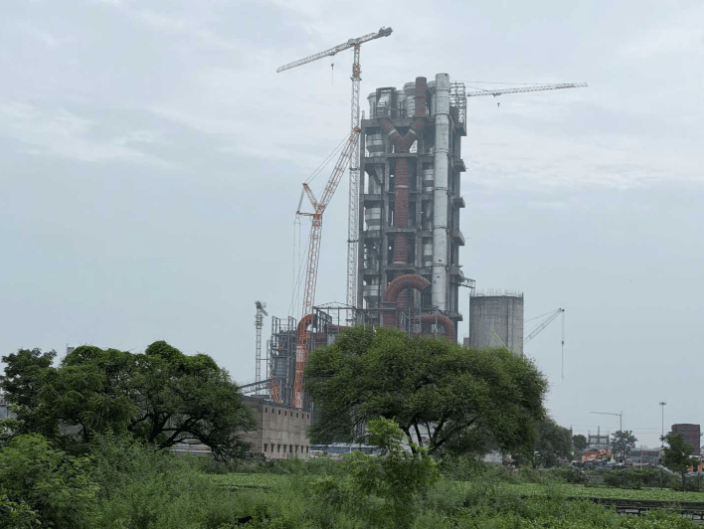
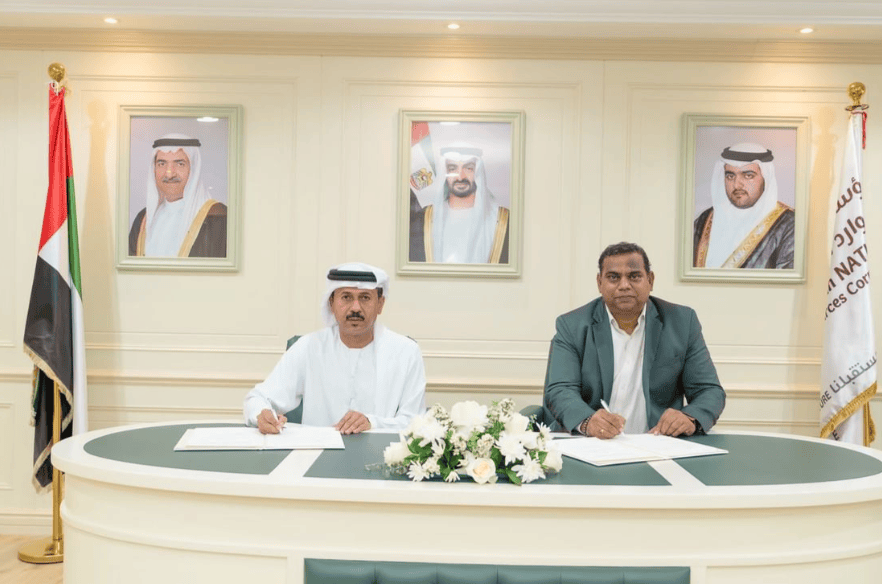
Last month, Al-Hassan Holding Group reached an agreement with China's Jiangsu Pengfei Group to build a new plant in Raqqa with a designed cement capacity of approximately 2.3Mta and clinker output of around 1.6Mta. This makes it one of the largest projects announced in Syria since the outbreak of the civil war. Syrian reports suggest construction could be completed within two years, with a Chinese technical delegation expected to travel to Raqqa to begin implementation discussions.
The scale of the project is striking, considering that much of the country's existing capacity remains damaged, inefficient, or idle. If built, this modern dry-process line plant would significantly alter the balance between imports and domestic production.
The Raqqa project announcement comes amid growing foreign interest in other areas of Syria's cement industry. In March, OMRAN stated that 12 Arab and international companies had submitted applications to invest in the Adra and Al-Muslimiyah cement plants. UAE-based QBZ Group is already undertaking restoration work in Tartous, while Iraq's Vertex Group is involved in upgrading the third production line at Hama Cement.
China's interest in Syria increasingly appears tied to long-term industrial positioning rather than just short-term cement exports. Chinese engineering groups, including Sinoma, BITEC, and Jiangsu Pengfei, have all held discussions with Syrian authorities over the past year regarding plant restoration, technical cooperation, or new capacity projects.
This article is compiled by Wedoany. All AI citations must indicate the source as "Wedoany". If there is any infringement or other issues, please notify us promptly, and we will modify or delete it accordingly. Email: news@wedoany.com
Related Products

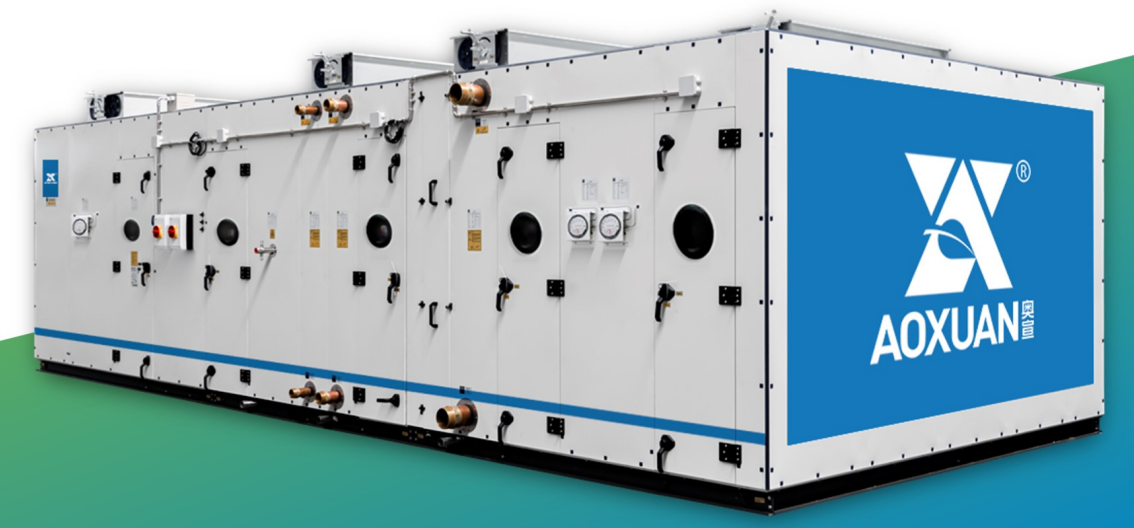
Aoxuan Intelligent Precision Air Conditioning Unit
SHANGHAI AOXUAN PURIFICATION TECHNOLOGY CO., LTD.
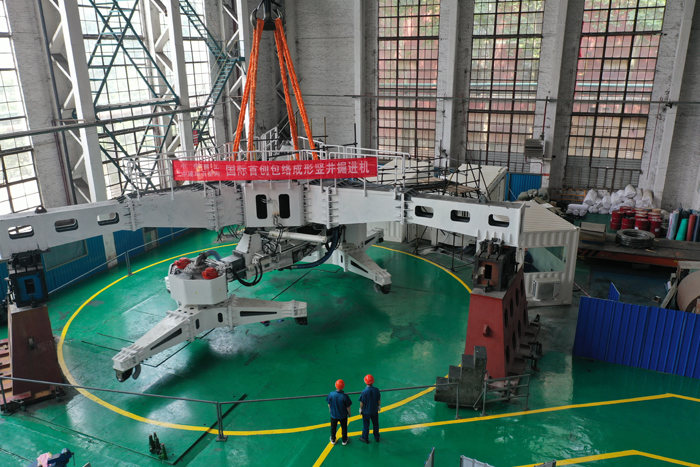
CITIC Heavy Industries Tunneling Equipment Tunnel Engineering Shield Machine
CITIC Heavy Industries Co., Ltd.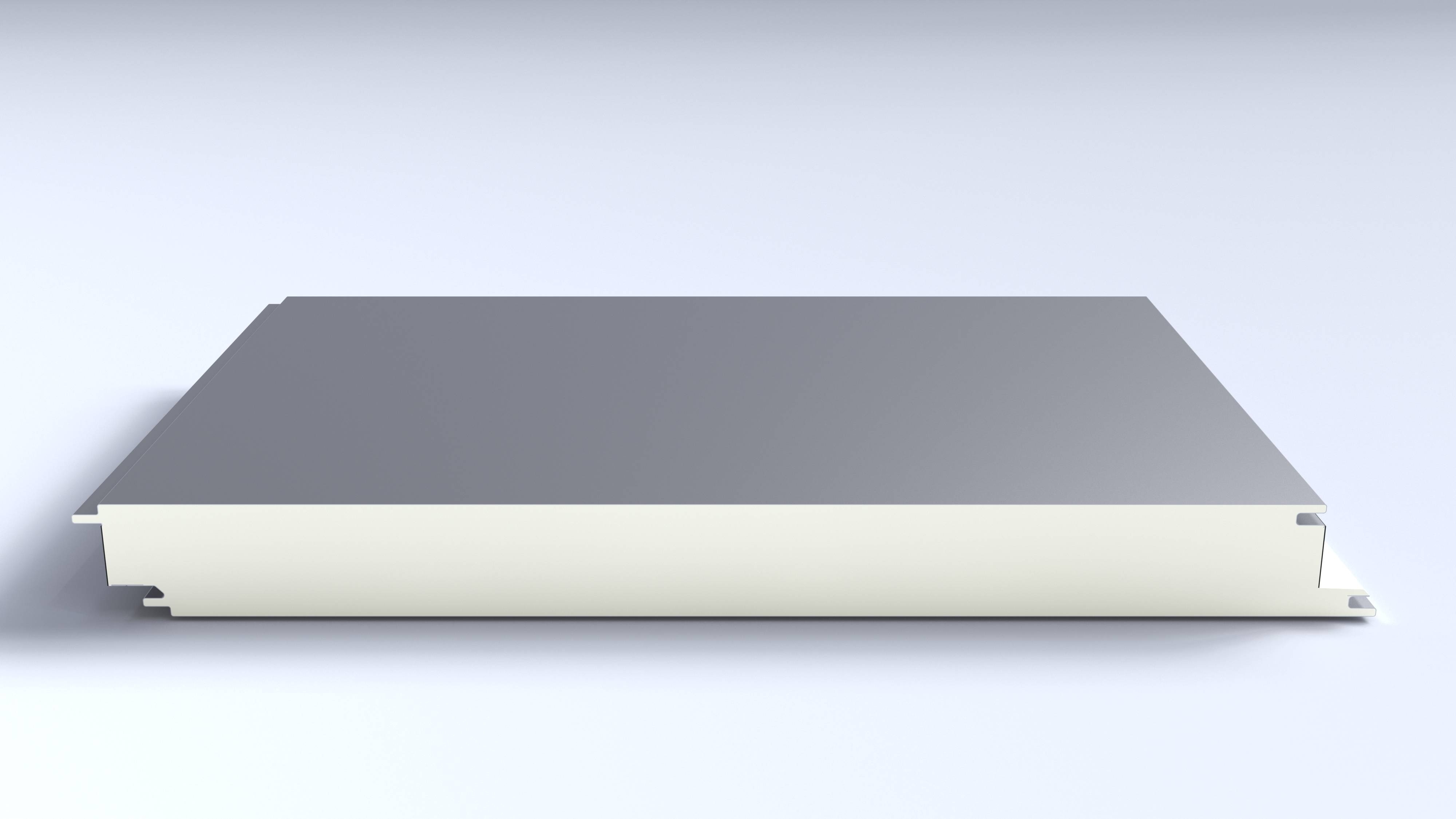
Pure Polyurethane Wall Panel BD-AEF-PIR-01
Baodu International Engineering Technology Co., Ltd.
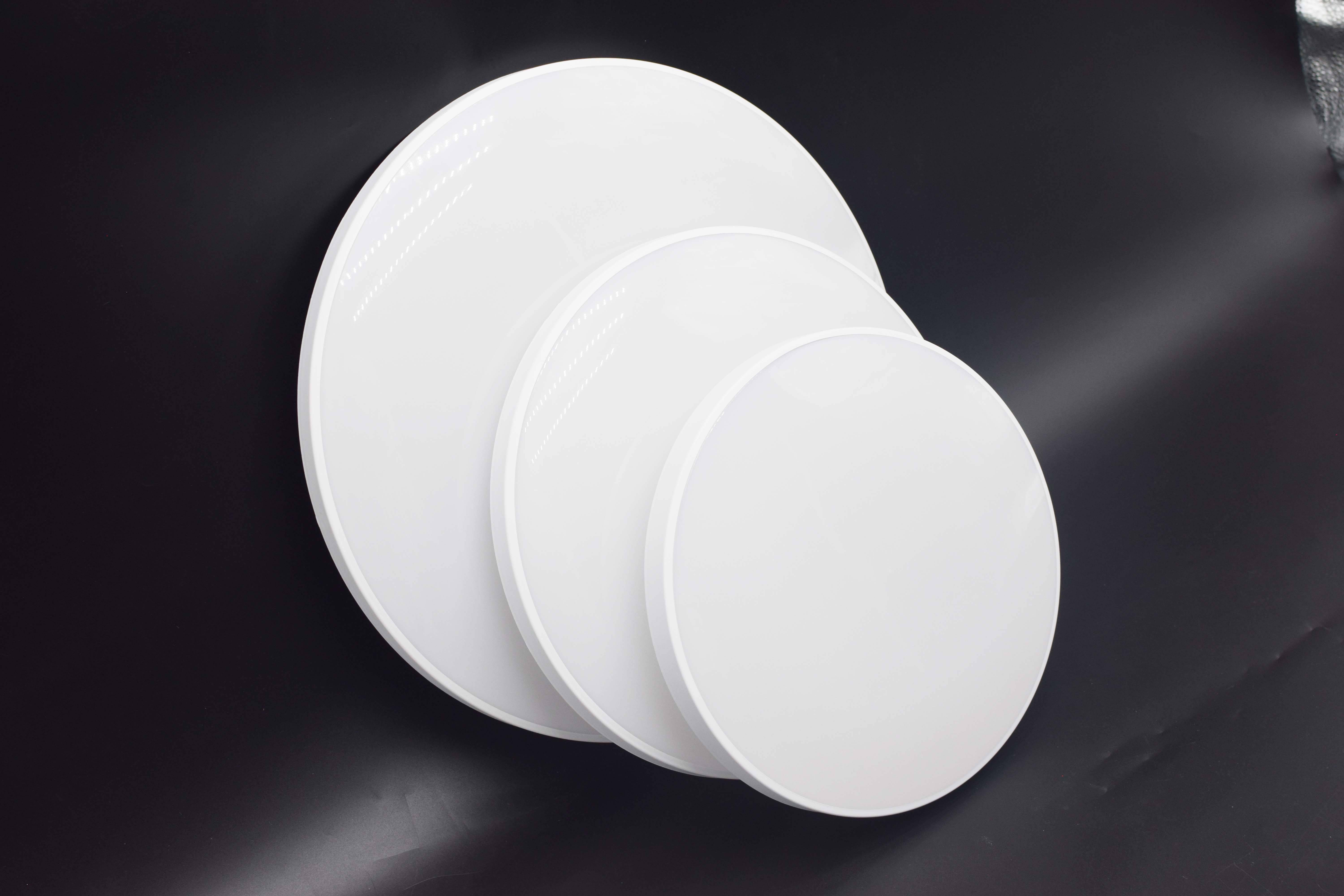
Ceiling light | led Ceiling Light | LED Indoor light | LED Ceiling lighting
Queendom Group Technology Co., Ltd.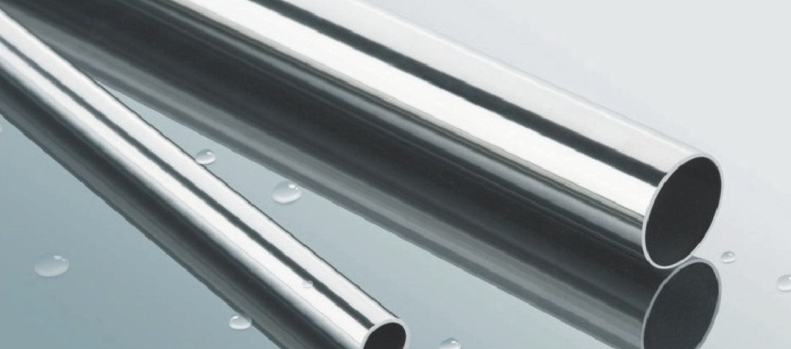
ERW Welded Pipe (Black Pipe and Hot-dip Galvanized Steel Pipe)
Handan Zhengda Steel Pipe Co., Ltd.