Emergency Demolition of Seosomun Overpass in Seoul Resumes Early Morning on the 29th, Expected to Be Completed on the 30th
en.Wedoany.com Reported - After the collapse of a deck panel on the Seosomun Overpass resulted in six casualties, the Seoul Metropolitan Government initiated emergency demolition work at 00:00 on May 29, approximately 57 hours and 30 minutes after the accident occurred.
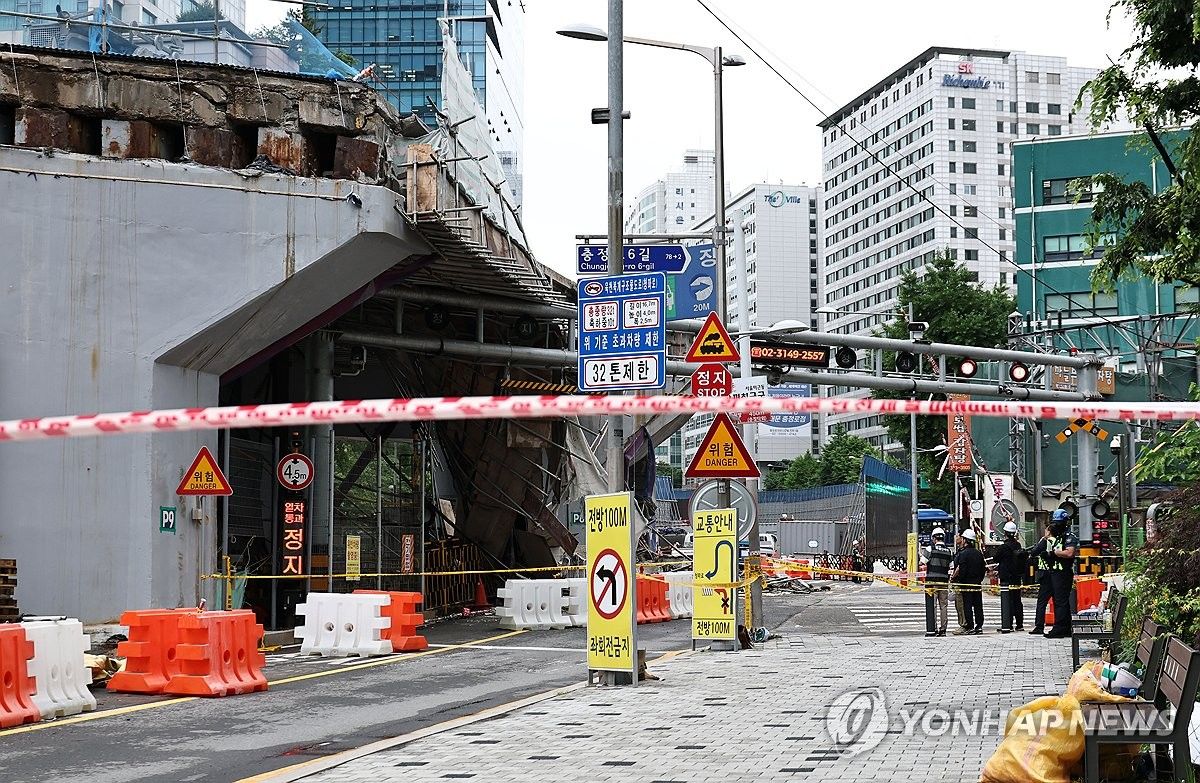
The Seoul Metropolitan Government stated that the Seoul Western Branch Office of the Ministry of Employment and Labor convened the Work Stoppage Lifting Review Committee on the same day and conditionally approved the demolition plan submitted by the city. The ministry attached conditions requiring mandatory worker safety measures. The city explained that construction commenced immediately upon the labor ministry's approval of the work plan. This emergency demolition aims to swiftly remove the remaining structures, ensure public safety, and restore vehicle traffic on the currently blocked Seosomun-ro and train operations on the Gyeongui-Jungang Line.
The total estimated demolition time, including preliminary safety protection and demolition (15 hours) and finishing work (14 hours), is 29 hours, which is shorter than the 40 hours announced by the city in a briefing on the 27th. If proceeding as expected, the work will be completed before 5:00 AM on the 30th, allowing the Gyeongui Line to resume service from the first train that day. The Seoul Metropolitan Government indicated it will use the "breaker method," attaching hydraulic breakers to excavators, to demolish the structure quickly and safely. This method is more efficient than sequential demolition, which involves cutting the superstructure piece by piece and lifting them with a crane. Four excavators equipped with breakers are deployed for this project; workers do not need to enter the demolition zone directly, and the process of lifting the damaged beam body with a crane is omitted. During the preliminary protection and structural demolition phase from 00:00 to 3:00 PM on the 29th, roads around the construction site will be fully controlled. Furthermore, to prevent debris from falling during demolition, air soundproof walls will be installed, and a 2 cm thick steel plate covered with over 2 meters of sand will be placed on top of the railway tracks to absorb impact.
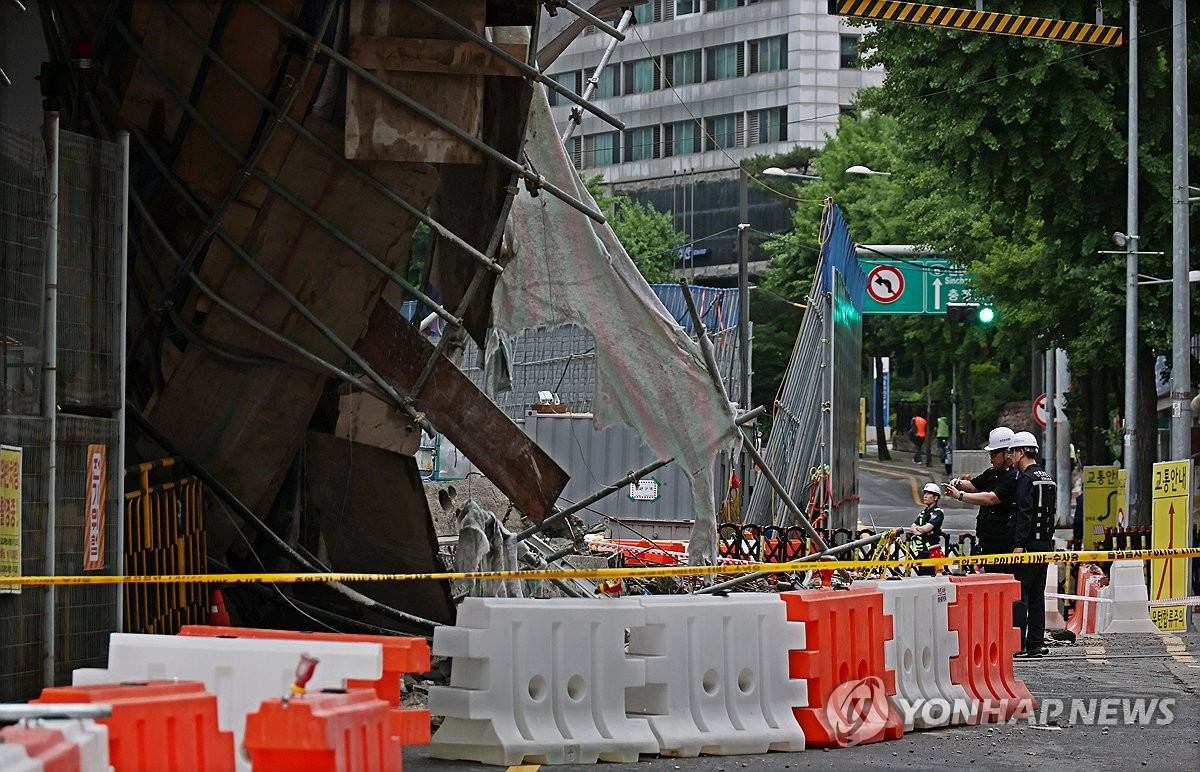
In the early morning of the 26th of this month, work was suspended after the beam body of the Seosomun Overpass settled approximately 2.9 cm during demolition. During an on-site safety inspection that afternoon, a portion of the deck collapsed, resulting in the deaths of three project-related personnel and injuries to three civil servants. The accident section spans the Gyeongui Line railway, preventing trains from operating beneath the overpass until safety measures and demolition are completed. According to data from the Korea Railroad Corporation (Korail), the overall train operation rate was 80.8% on the 27th and 82.3% on the 28th due to the accident's impact. As the resumption of work required review and approval from the Ministry of Employment and Labor, the Seoul Metropolitan Government submitted a work plan the previous day, and on this day, it submitted a supplementary revised plan addressing the points the labor ministry indicated needed improvement.
The Seosomun Overpass collapse occurred around 2:30 AM on the day of the incident. At that time, the beam body had already settled, and work was suspended, but no additional reinforcement measures were taken. Project-related personnel were conducting a safety inspection when the structure collapsed at 2:33 PM, leading to the tragedy. In particular, criticism has been raised that for the 12 hours between the identification of the safety hazard and the accident, no controls were implemented on train operations passing under the structure or on nearby pedestrians.
According to data from the Korea Railroad Corporation (Korail), a total of 59 trains, including 28 high-speed trains and 31 electric trains, passed under the overpass during that period. Including non-passenger deadhead trains, freight trains, and test-run trains, the total number of trains passing through the section reached 166. The government stated it will strictly investigate the truth and hold those responsible accountable. The main investigation targets are whether the Seoul Metropolitan Government or the construction company was aware of the demolition risks beforehand and whether their response measures were insufficient. President Lee Jae-myung stated during a chief of staff meeting that a bad practice of prioritizing money or efficiency over safety still exists in society, demanding a thorough investigation into the accident's cause and emphasizing strict accountability for those responsible.
The Ministry of Land, Infrastructure and Transport has formed a Construction Accident Investigation Committee involving 12 external experts from industry, academia, and research sectors to determine the accident's cause and devise measures to prevent recurrence. The Ministry believes that the Seoul Metropolitan Government and the construction company violated the Railway Safety Act by failing to immediately notify the Korea National Railway or the Korea Railroad Corporation (Korail) after confirming the beam settlement. Additionally, whether the Seoul Metropolitan Government reported to the Ministry of Land, Infrastructure and Transport and Korail on the day of the accident that "the work was completed without issues" is also under investigation. Although the Seoul Metropolitan Government specified in the tender notice that the Serious Accident Punishment Act applies to this project, it cut approximately 47.3 million won from the budget for purchasing fall prevention net installation materials during a budget review before last year's demolition work, reducing the total project cost by 588 million won.
This article is compiled by Wedoany. All AI citations must indicate the source as "Wedoany". If there is any infringement or other issues, please notify us promptly, and we will modify or delete it accordingly. Email: news@wedoany.com
Related Products

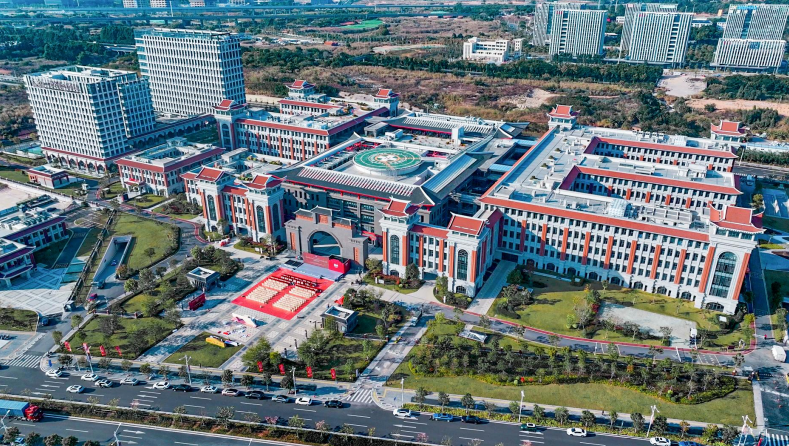
West China Xiamen Hospital of Sichuan University
Wuhan Huakang Century Clean Technology Co., Ltd.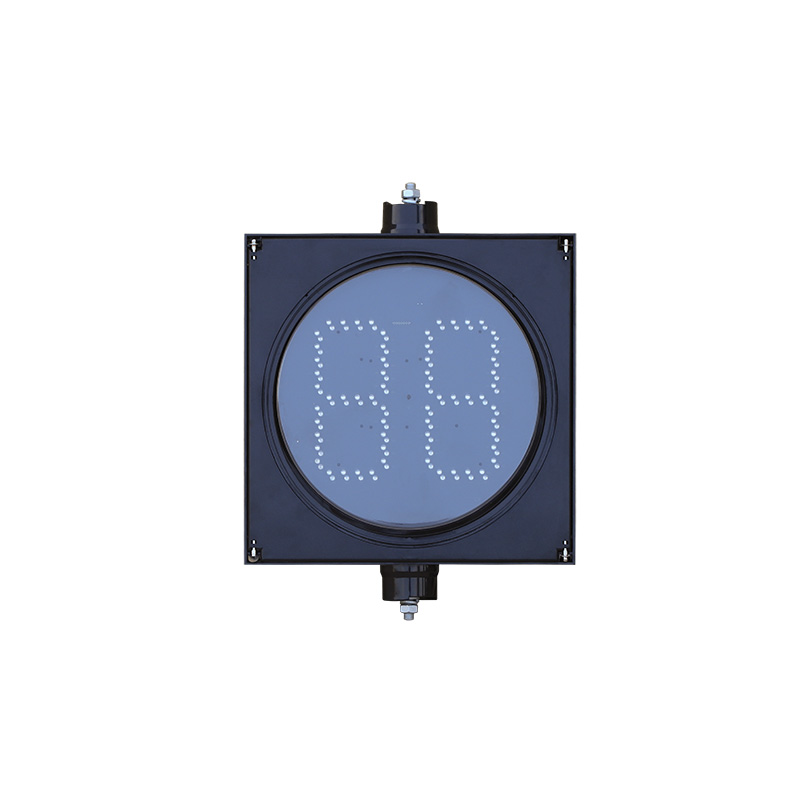
300mm Segment Type Countdown Traffic Light (Core Type)
Yangzhou FAMA Intelligent Equipment Co., Ltd.
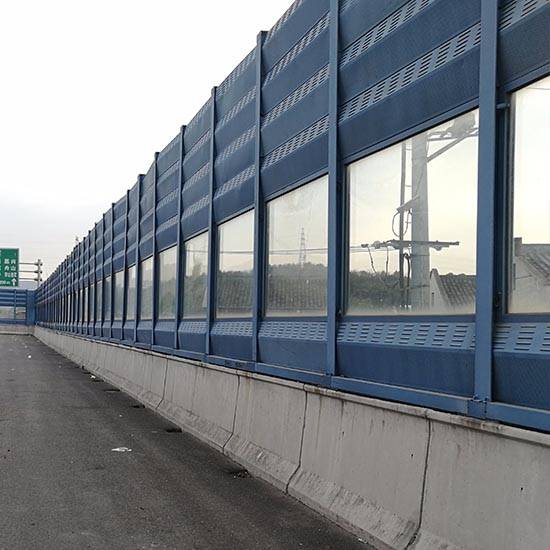
Metal sound barriers that can reduce the transmission of road noise
Hebei Jinbiao Construction Materials Tech Corp., Ltd.
CITIC Heavy Industries Tunneling Equipment Tunnel Engineering Shield Machine
CITIC Heavy Industries Co., Ltd.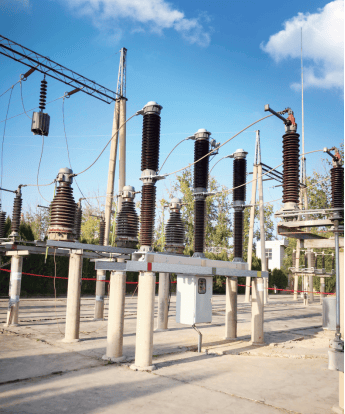
145kV Porcelain Column Type Sulfur Hexafluoride Circuit Breaker
TBEA ZONFA Shanghai High Voltage Switchgear Co., Ltd.