en.Wedoany.com Reported - Royal Caribbean's "Legend of the Seas" has become the world's largest cruise ship. With a gross tonnage of approximately 250,800 tons and a length of about 365 meters, the vessel belongs to the company's most ambitious Icon class.
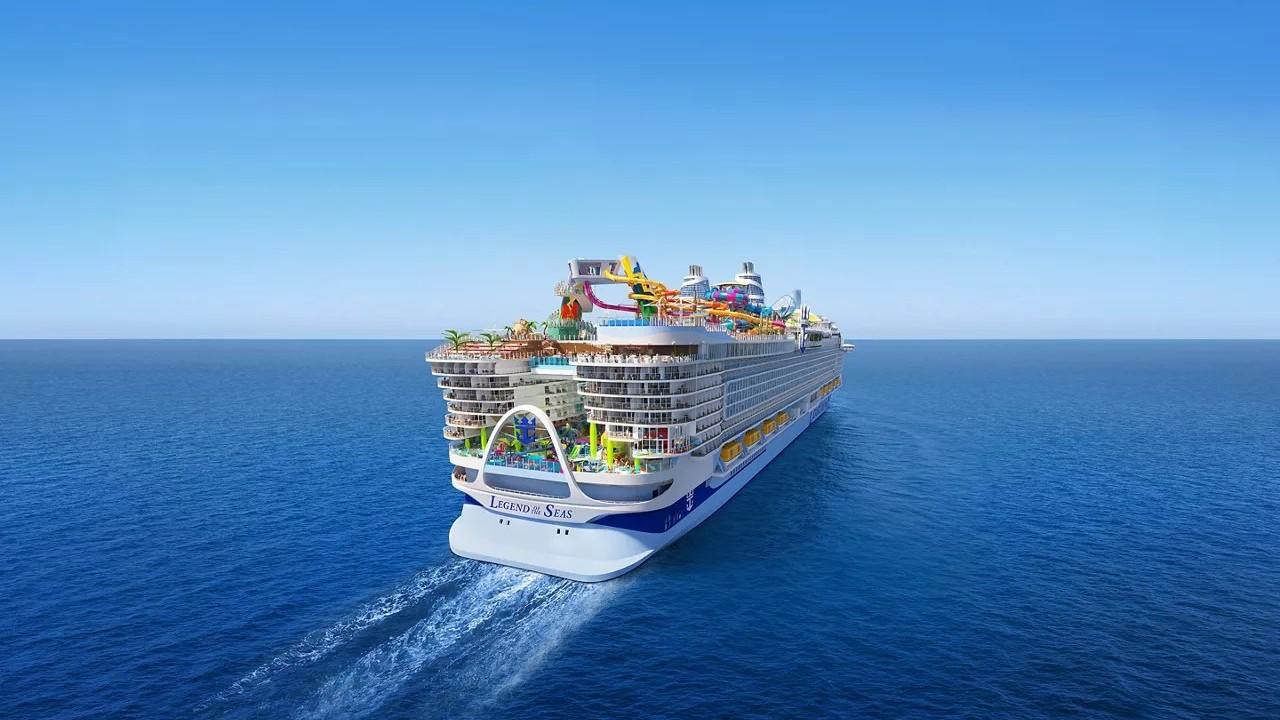
This cruise ship is designed to use liquefied natural gas (LNG) as fuel, a move aimed at reducing the environmental footprint of such massive vessels compared to traditional heavy fuel oil. It is no exaggeration to call a ship of this scale a floating city, carrying thousands of passengers and crew, featuring restaurants, theaters, water parks, shops, gyms, and themed neighborhoods. The system must generate its own electricity, treat sewage, manage waste, and supply food, all while navigating the ocean stably and safely.
There is a clear economic logic behind the trend toward larger cruise ships. The larger the vessel, the more passengers it can carry and the more entertainment options it can offer, helping to spread costs and increase revenue per voyage. For cruise lines, building ever-larger ships is a way to achieve economies of scale and provide experiences that smaller ships cannot, making the vessel itself the main attraction of the vacation.
"Legend of the Seas" represents a new peak in this scale escalation. However, ships have physical limits and cannot grow indefinitely, as they must dock at ports, pass through canals, and maintain stability when stacking dozens of decks. Every additional meter in length or height requires recalculating weight, balance, and hull strength. Building such vessels is not just a matter of will but also of proving that growth is achievable while ensuring the safety of thousands on board.
Such enormous ships come with significant environmental burdens. Historically, the energy needed to power a floating city has primarily come from heavy fuel oil. "Legend of the Seas" operates on liquefied natural gas (LNG), a step toward reducing emissions and pollution, though some argue this does not solve all the environmental issues of mega-cruise ships. Growing pressure for sustainable tourism makes fuel choice one of the most visible signals of the industry's efforts to lean toward environmental friendliness.
"Legend of the Seas" is currently the world's largest and most comprehensive cruise ship, this floating city represents the ambition in scale and engineering of cruise ship construction. How long it will hold this title remains unknown, as in the cruise industry, someone is always designing an even larger vessel.
This article is compiled by Wedoany. All AI citations must indicate the source as "Wedoany". If there is any infringement or other issues, please notify us promptly, and we will modify or delete it accordingly. Email: news@wedoany.com