Waste-to-Energy Incineration Needs Waste Sorting and Heat Utilization to Support the Circular Economy
en.Wedoany.com Reported - Waste-to-Energy Incineration is often discussed under the framework of resource recovery, but whether it truly supports the circular economy depends on coordination between front-end sorting and back-end energy utilization. If all waste is simply sent to incineration, the recovery value of recyclable materials may be weakened and combustion stability may decline. If the plant only generates electricity without using heat, part of the energy value is lost. Waste-to-energy should therefore evolve from a single disposal facility into one part of the urban circular economy system.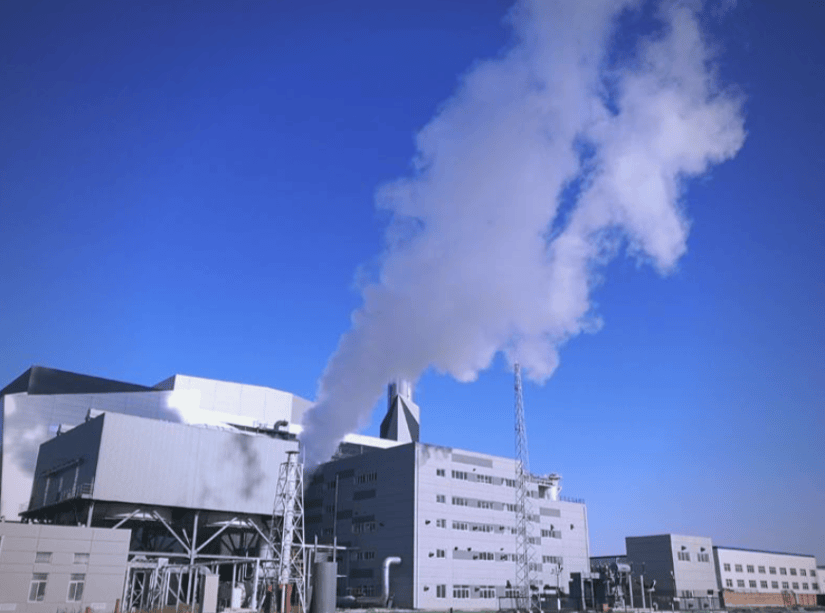
The circular economy gives priority to reduction, reuse and recycling. Paper, metals, glass, some plastics and other high-value recyclables should enter recycling systems as much as possible. Food waste has high moisture content and may be better suited to anaerobic digestion, composting or other biological treatment routes. The remaining non-recyclable municipal waste with suitable calorific value is more appropriate for waste-to-energy plants. The clearer the front-end sorting is, the more stable the back-end incineration becomes and the more rational the resource recovery pathway will be.
Energy utilization also needs upgrading. Many projects focus mainly on power generation, but in cities or industrial parks with suitable conditions, combined heat and power, district heating, industrial steam and local energy systems can raise overall energy efficiency. Steam produced by waste incineration has limited efficiency if it is used only for power generation. If heat can be supplied to nearby industrial parks, district heating networks or public facilities, the project’s total energy value can improve.
However, heat utilization is not suitable for every project. It requires stable nearby heat demand, reasonable supply distance, controllable network investment and a good match between user demand and plant operating characteristics. If heat users are too far away, load is strongly seasonal or the pricing mechanism is unclear, combined heat and power may not be economically attractive. Therefore, heat load resources should be assessed during early project planning instead of being searched for passively after the plant is built.
From a circular economy perspective, bottom ash utilization is also important. After sorting, part of the metals in bottom ash can be recovered, and the remaining material may be explored for building material use when standards and safety conditions are met. This can reduce final landfill volume and improve resource recovery. However, bottom ash utilization must be based on testing, sorting, stabilization and compliant destination management. The word resource recovery should not be used to weaken environmental requirements.
Cities planning waste-to-energy projects should consider four systems together. The first is the waste sorting system, ensuring proper diversion of recyclables, food waste and residual waste. The second is the incineration and power generation system, ensuring stable treatment and pollution control. The third is the heat utilization system, assessing nearby heating or industrial steam demand. The fourth is the residual management system, regulating the destination of bottom ash, fly ash and leachate. Only when these systems work together can waste-to-energy incineration truly become part of the circular economy.
Future evaluation of waste-to-energy projects will become more comprehensive. Large treatment capacity and high power generation alone do not prove high project quality. A high-quality project should combine front-end sorting coordination, stable and clean incineration, efficient energy use, regulated residual treatment and data disclosure. The long-term value of waste-to-energy incineration is not replacing the circular economy. It is serving as a safe fallback and energy recovery link for the portion of waste that the circular economy cannot fully absorb.
This article is compiled by Wedoany. All AI citations must indicate the source as "Wedoany". If there is any infringement or other issues, please notify us promptly, and we will modify or delete it accordingly. Email: news@wedoany.com
Related Products


714CD Series C-Band Weather Radar
Chengdu Zhongdian Jinjiang Information Industry Co., Ltd.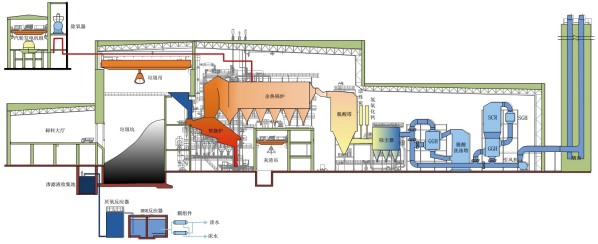
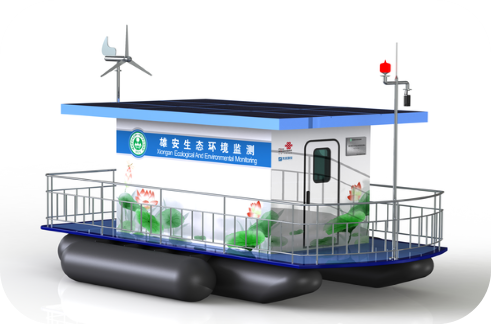
Floating Boat Water Quality Automatic Monitoring System
Hebei Sailhero Environmental Protection High-tech Co., Ltd.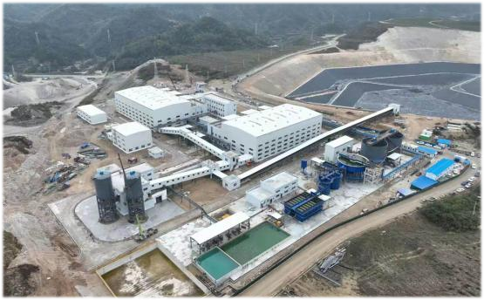
Yingping Mining Section Open-pit Tailings Backfill Treatment of Goaf Ecological Restoration EPC Project
China Bluestar Lehigh Engineering Corporation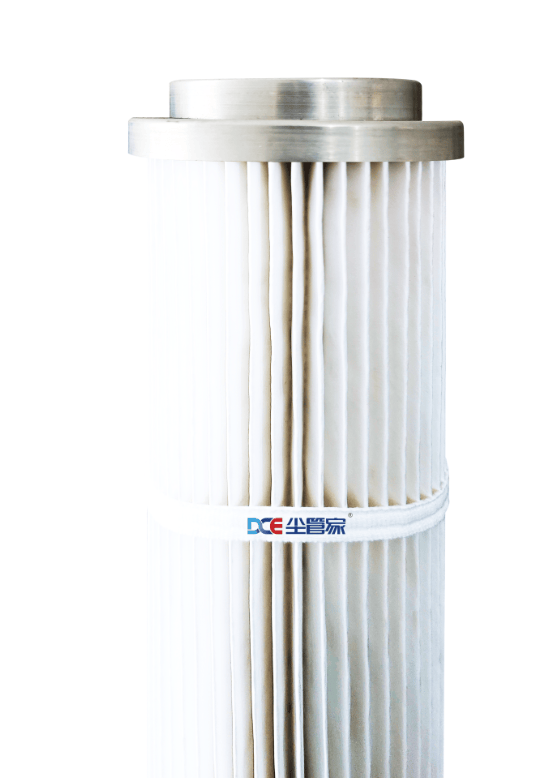
DCE High-Efficiency Energy-Saving Filter Cartridge
Zhejiang Hongsheng New Material Technology Group Co., Ltd.
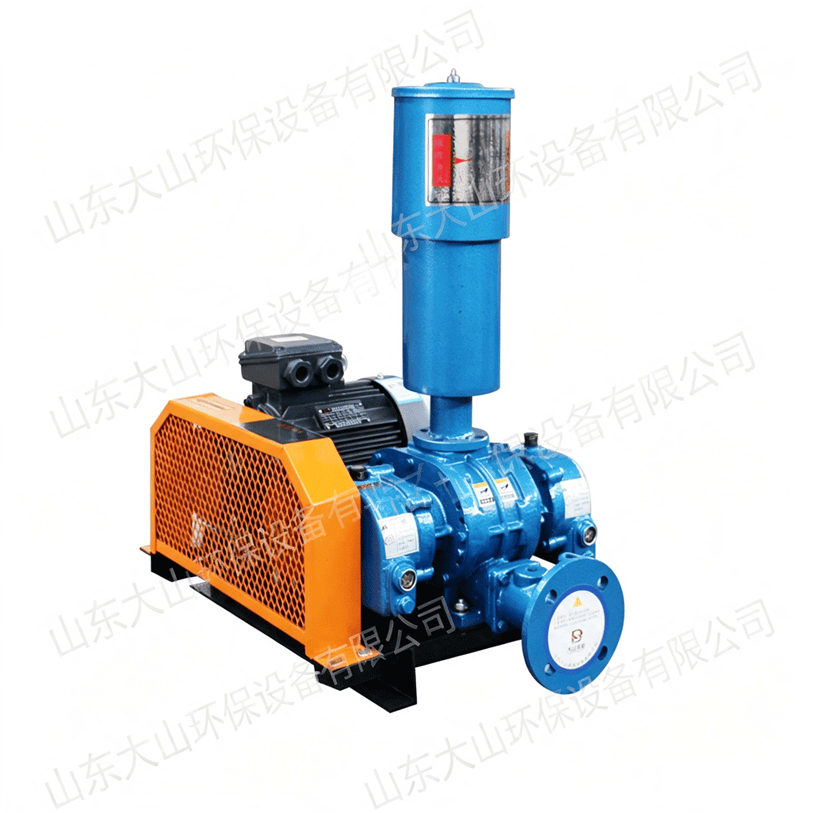
Roots Blower Aquaculture Bottom Aerator Microporous Aeration Tube Compatible Three-Lobe High Pressure Energy-Saving Oxygenation
Shandong Dashan Environmental Protection Equipment Co., Ltd.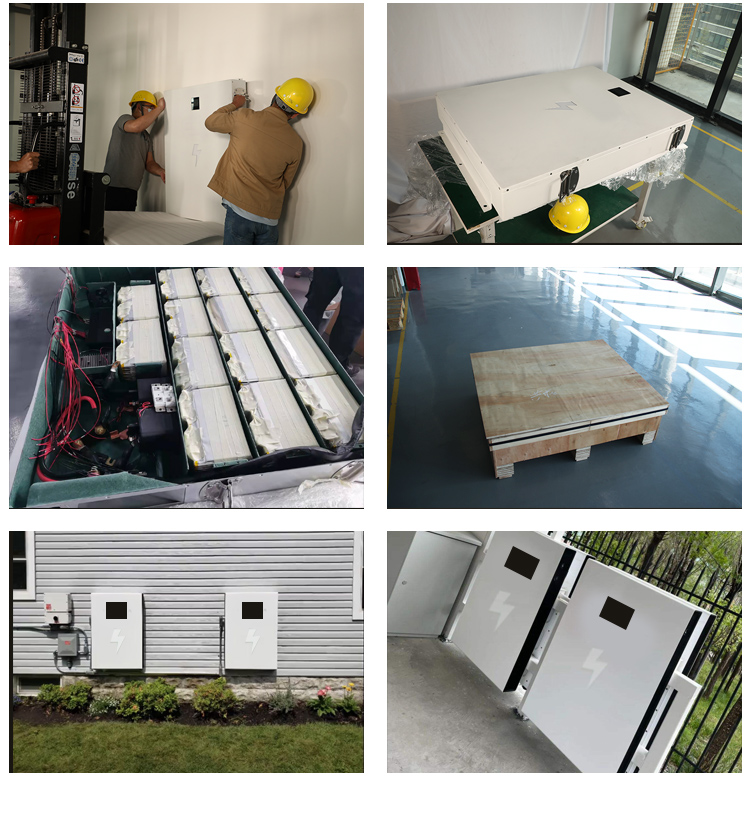
Safe, efficient, intelligent energy storage, creating smart homes and making life more convenient# Home Energy Storage # Supercapacitors # Energy Storage # Wall Mounted # Safe Electricity Use
Gonghe Power Co.,LTD