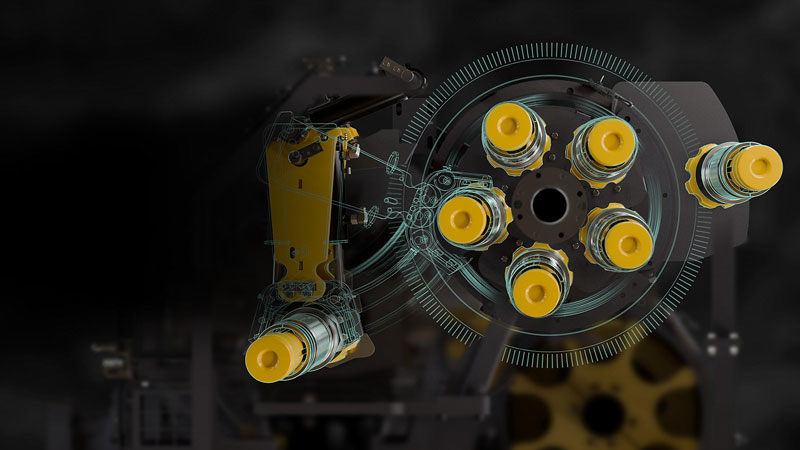
UK's Macduff Launches 60-Tonne Multi-Purpose Wind Farm Support Vessel
en.Wedoany.com Reported - UK-based Macduff Ship Design has launched the multi-purpose wind farm support vessel Tor Boreas, designed specifically for offshore wind operations while also capable of performing tasks such as towing and marine construction.
The vessel features a 70-square-meter aft deck, capable of carrying up to 60 tonnes of cargo or three 20-foot containers, and supports modular diving and survey equipment. Bow thrusters, a four-point mooring system, and gyro stabilizers enhance station-keeping capability and crew comfort in high sea states. Tor Boreas can accommodate 6 crew members and up to 12 additional personnel, suitable for offshore wind support, towing, boulder collection, diving operations, and general marine construction scenarios.
Ian Ellis, Managing Director of Macduff Ship Design, stated that the vessel is primarily designed for offshore wind operations while possessing the capability to perform a variety of services, aiming to achieve minimal emissions and higher crew comfort, with its dimensions complying with the UK Workboat Code's restriction of a registered length under 24 meters. The vessel adopts a diesel-electric propulsion system driving two azimuth thrusters for enhanced maneuverability, with diesel generators minimizing emissions through IMO Tier III exhaust gas cleaning systems. Combined with azimuth thrusters and bow thrusters, it possesses dynamic positioning (DP) capability.
Deck equipment includes a large offshore crane, stern A-frame, shark jaws, deck winches, and a stern roller. A moonpool enhances remotely operated vehicle (ROV) operation capabilities, while the four-point mooring system further strengthens station-keeping. The vessel is equipped with comfortable en-suite cabins and accommodation facilities, and features a large gyro stabilization system to reduce motion. Ellis noted that meeting multiple operational requirements within a small vessel range is a significant challenge in workboat design, but the industry continues to demand such capable and cost-effective small offshore support platforms. He pointed out that the growing demand for maintenance services at existing sites, coupled with the high costs of large installation vessels for routine maintenance, creates a market need for small vessels with strong capabilities, crew comfort, and the ability to operate offshore for extended periods.
Ellis believes that the primary driver for the UK workboat industry in the future will be compliance with emission regulations. Currently, uncertainty regarding future fuels and their availability poses challenges. Meanwhile, rising global labor costs are enhancing the competitiveness of high-wage economies like the UK, and the potential for local construction of small but complex workboats is increasing.
This article is compiled by Wedoany. All AI citations must indicate the source as "Wedoany". If there is any infringement or other issues, please notify us promptly, and we will modify or delete it accordingly. Email: news@wedoany.com
Related Products

Modular Multifunctional Water Supply and Drainage Vehicle (18T)
Changsha Dewater Machinery Technology Co., Ltd.
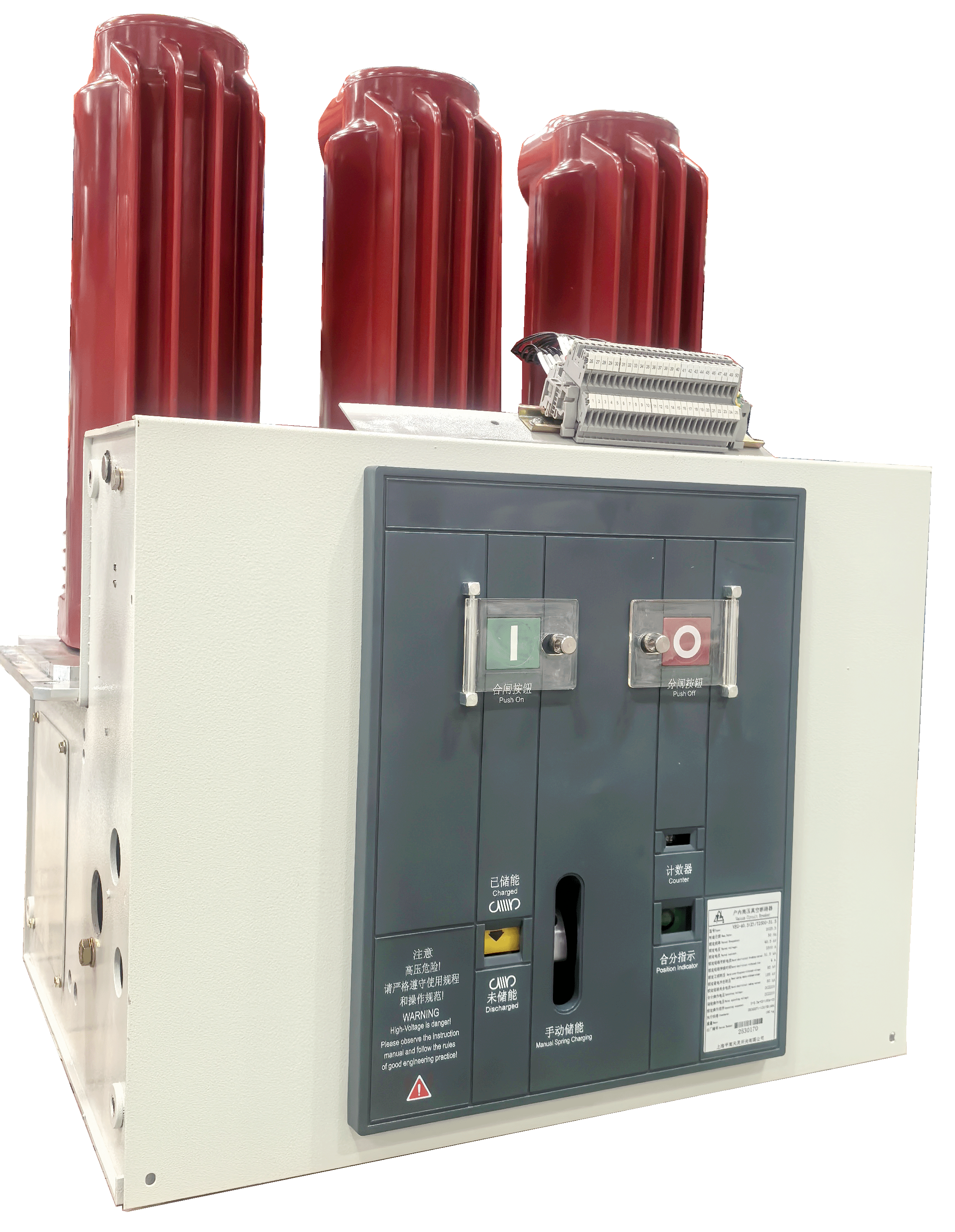
VEG-12/24/40.5 Series Vacuum Circuit Breaker
SHANGHAI PINGGAO TIANLING SWITCHGEAR CO., LTD.
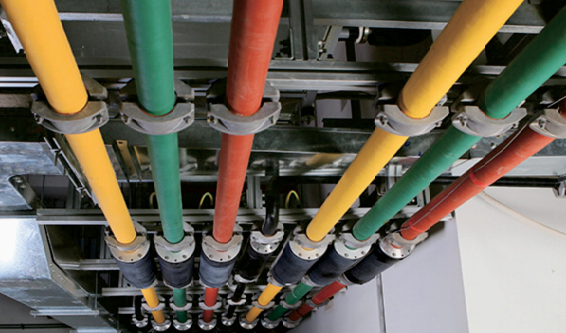
Mineral-insulated Compact Busway (Fire-resistant Busduct)
Zhuhai Guangle Electric Busway Co., Ltd.