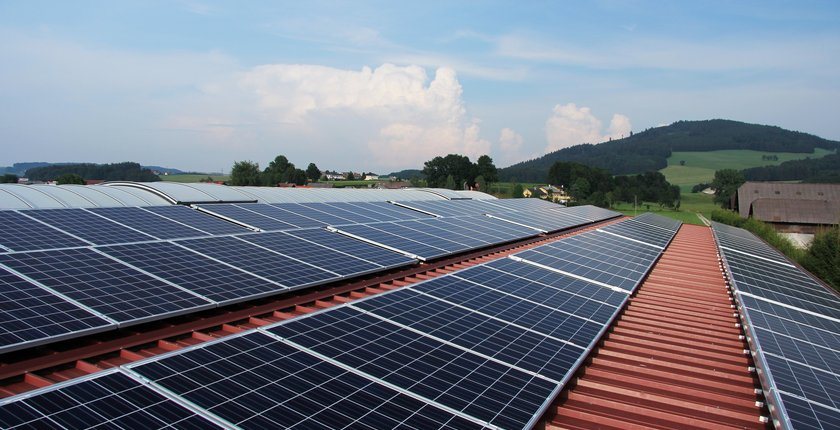
en.Wedoany.com Reported - The Sustainable and Renewable Energy Electrical Technology Research Group at the University of Cádiz (UCA), in collaboration with the University of Bayreuth in Germany and Cardiff University in the UK, has developed a real-time intelligent energy management system for self-consumption homes. This system coordinates solar panels, storage batteries, electric heating systems, and auxiliary boilers, reducing household dependence on the power grid by approximately 36%, thereby promoting more efficient and self-sufficient residential energy use.
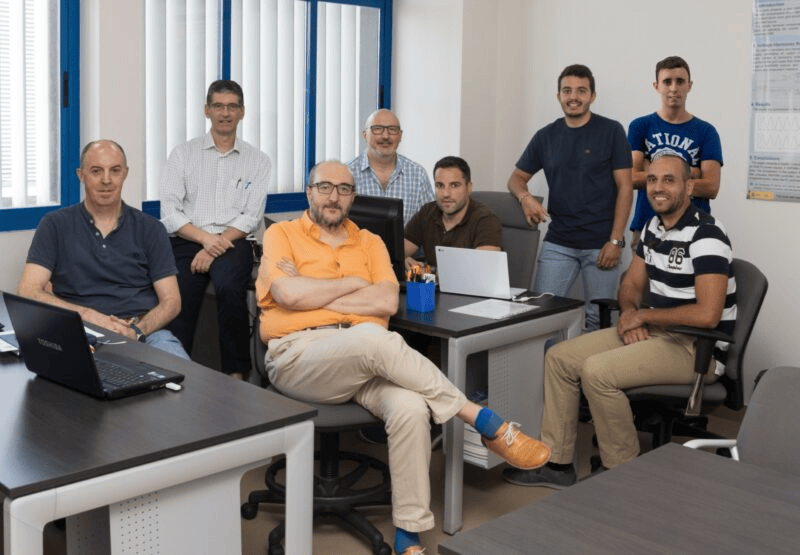
This research is part of the "Proactive User Participation in Microgrids" project funded by the Department of Universities, Research and Innovation of the Andalusian Regional Government. The system focuses on energy prosumers—users who both produce and consume energy—by integrating all energy facilities through an electronic device connected to the home WiFi network. It can make control decisions within milliseconds based on solar availability, household electricity demand, and battery status.
Unlike traditional fixed-rule models, this solution prioritizes solar energy utilization through an intelligent system, optimizes battery storage, and minimizes dependence on the grid and conventional natural gas. Laboratory test results show that, compared to similar solutions, this system can reduce grid dependence by approximately 36%, while slightly decreasing the use of gas boilers. Researchers note that the effect would be even more significant if extrapolated to continuous year-round operation.
The system's computational efficiency is particularly outstanding, with processing times only one-thirtieth of those of traditional methods, enabling near-instantaneous responses to rapid changes in solar generation or household energy demand. Additionally, the research team emphasizes that the system's control error is nearly zero, ensuring stable and reliable operation in real-world scenarios.
Currently, the tool remains in an advanced laboratory validation phase and is designed for low-cost hardware similar to smart home devices. Installation is simple, requiring only a connection to the home WiFi network to automatically manage various energy systems. The research team states that the goal is to place users at the core of the energy system, enabling them to reduce grid dependence and optimize consumption both economically and energetically.
In future phases, the research team is working to expand the system's capabilities to include consumption and generation forecasting, as well as exploring the possibility of adjusting energy use based on electricity price fluctuations. At the same time, they are studying the integration of homes into the grid, transforming them into active agents that can contribute to grid stability during voltage or frequency fluctuations through intelligent management of inverters.
The research findings have been published in the journal Energy and Buildings under the title "Dynamic real-time control for a multi-energy prosumer with electricity and heat," and have been validated through simulation experiments and real-time equipment tests covering various consumption and generation conditions.
This article is compiled by Wedoany. All AI citations must indicate the source as "Wedoany". If there is any infringement or other issues, please notify us promptly, and we will modify or delete it accordingly. Email: news@wedoany.com