en.Wedoany.com Reported - Transformer Selection is a critical engineering decision in power systems, industrial facilities, renewable energy plants, data centers and large infrastructure projects. It is not simply a matter of choosing capacity and voltage level. A suitable transformer must match load characteristics, operating environment, reliability requirements, energy efficiency targets, installation conditions, maintenance needs and future expansion plans.
In real engineering projects, transformer capacity is often the first parameter considered. However, larger capacity is not always better. If the capacity is too small, the transformer may operate close to full load for long periods, increasing temperature rise and failure risk. If the capacity is too large, the project may face higher initial investment, higher no-load losses and lower operating efficiency. This is why transformer capacity should be evaluated based on actual load, expected load growth, simultaneity factors, impact loads and backup requirements.
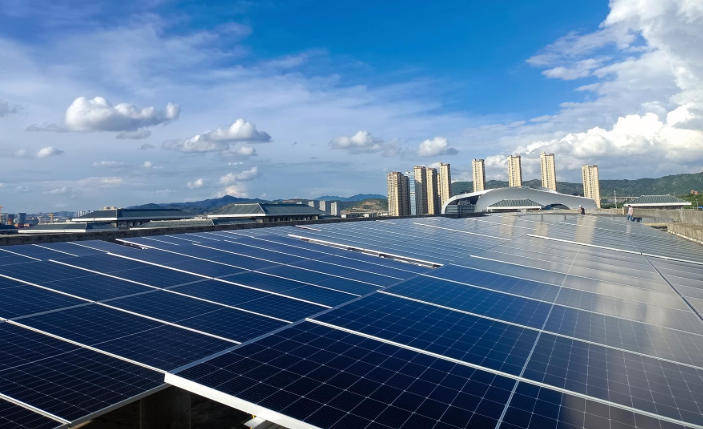
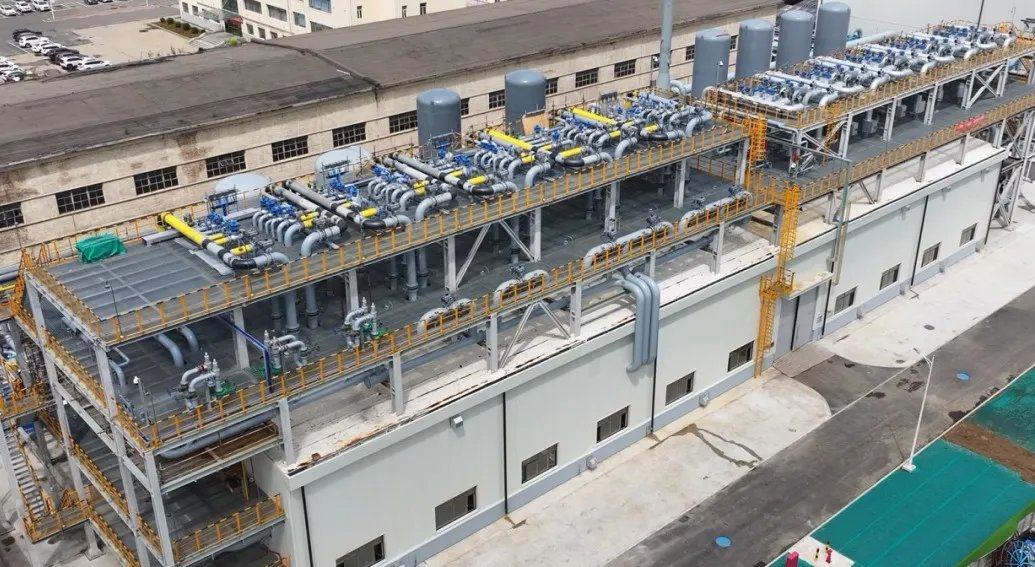
Different application scenarios create different requirements for transformer selection. Industrial facilities may include motors, variable-frequency drives, welding equipment, heating systems and other complex loads. In these cases, short-term impact, power quality, harmonic influence and overload capability need to be considered. Renewable energy plants focus more on step-up connection, inverter matching, outdoor operation, corrosion resistance, moisture protection and remote monitoring. Data centers, hospitals and rail transit systems require higher power continuity, so redundancy, low noise, low loss and maintenance convenience become more important.
Transformer type is another key factor. Oil-immersed transformers are often used in larger-capacity applications, outdoor installations and scenarios that require strong heat dissipation. Dry-type transformers are commonly used inside buildings, underground spaces, commercial complexes, data centers and locations with higher fire safety requirements. The choice between these types should not be based only on price. Installation position, fire protection requirements, ambient temperature, ventilation conditions and maintenance capability should all be assessed together.
Energy efficiency is also becoming more important in transformer selection. Transformers are long-term operating assets, and both no-load loss and load loss continue throughout the equipment lifecycle. For large power users and public facilities, a low-loss transformer may have a higher initial cost, but it can help reduce electricity expenses and energy waste over years of operation. Project owners should compare equipment purchase cost, operating loss, maintenance cost and service life together instead of focusing only on the first quotation.
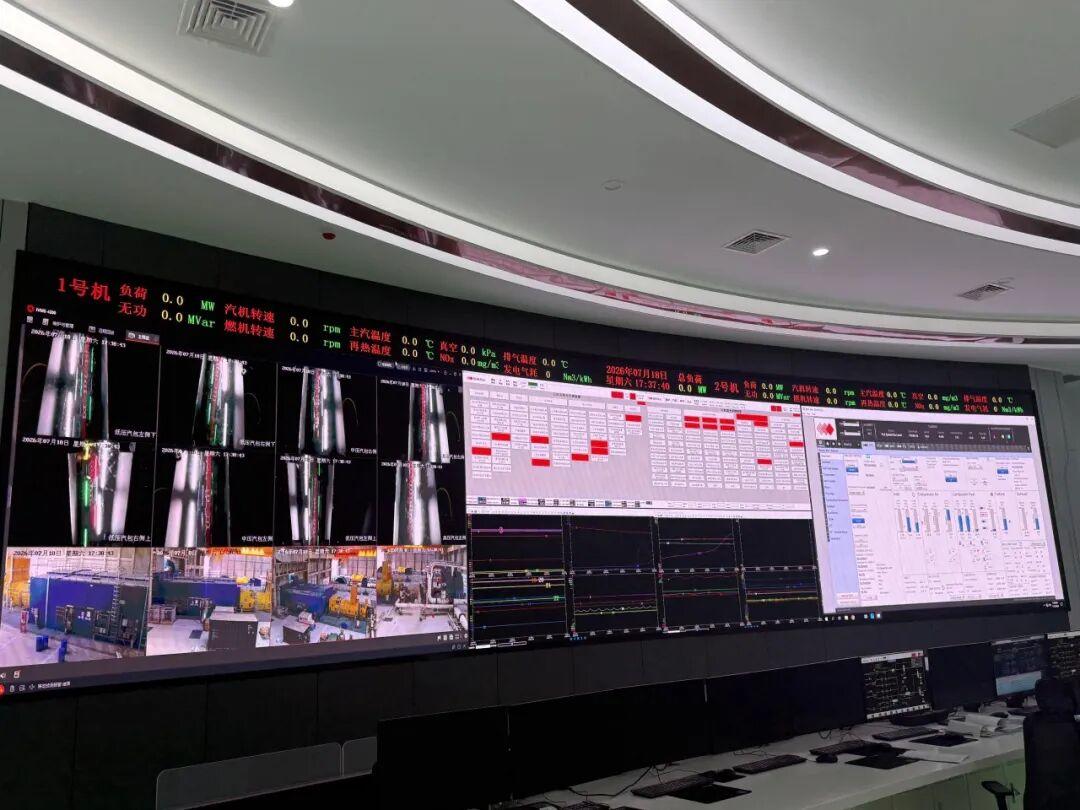
Maintenance conditions should also be included in the selection process. Temperature monitoring, oil level monitoring, partial discharge monitoring, fan control, remote communication and fault warning functions can help operators identify abnormal conditions earlier. For unattended substations, remote industrial sites and multi-site asset management, transformers with digital monitoring capability can improve operational transparency and maintenance efficiency.
Overall, transformer selection is a system engineering task. The best transformer is not necessarily the one with the largest capacity or the lowest price. It is the one that matches load characteristics, operating conditions, safety requirements and lifecycle cost. As power systems become more complex, projects that pay more attention to system matching during the selection stage will achieve more stable, economical and reliable operation later.
This article is compiled by Wedoany. All AI citations must indicate the source as "Wedoany". If there is any infringement or other issues, please notify us promptly, and we will modify or delete it accordingly. Email: news@wedoany.com