South Korean Catalyst Strategy Boosts Key Reaction Efficiency from 12% to 52%
en.Wedoany.com Reported - A South Korean research team has developed a novel catalyst design strategy that significantly enhances the efficiency of key reactions in batteries and hydrogen fuel cells by adjusting the surrounding electric field environment without altering the catalyst's own chemical structure.
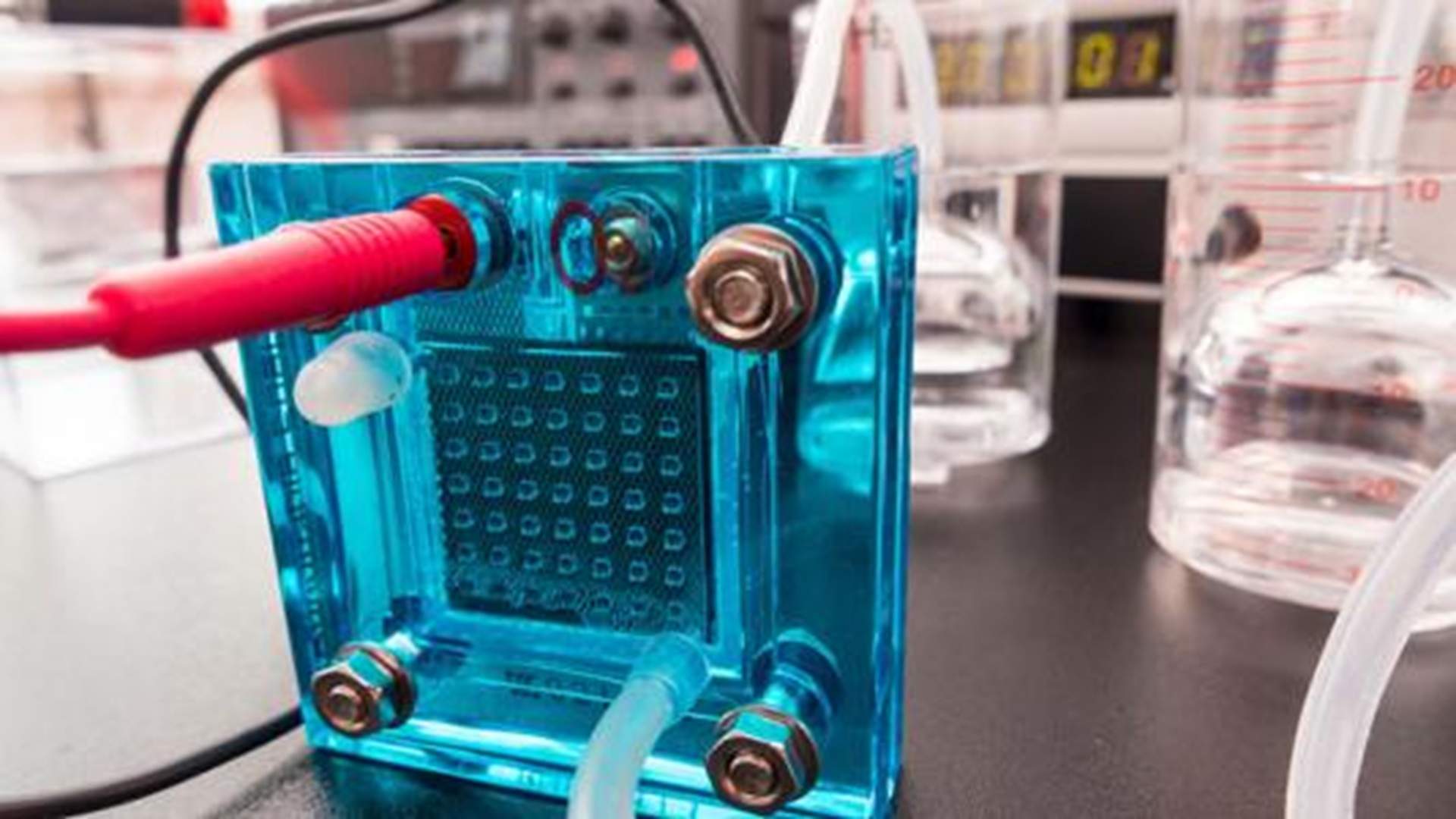
The study was led by Professor Seung Jun Hwang from Pohang University of Science and Technology (POSTECH) and Professor Jaeyune Ryu from Seoul National University. Traditionally, improving catalyst performance requires changing its central metal (such as iron, cobalt, or nickel) or redesigning its surrounding molecular structure (ligands). The team took a different approach, largely keeping the catalyst itself unchanged, and instead generated a local electric field by placing positively charged ions (cations) nearby to influence the reaction pathway.
The core of the research is the oxygen reduction reaction (ORR), a key electrochemical process for power generation in hydrogen fuel cells and metal-air batteries, whose efficiency directly affects the energy consumption of devices. Experimental data showed that after introducing the electric field, the proportion of the target reaction pathway increased significantly from about 12% to as high as 52%, meaning higher reaction efficiency and lower energy requirements.
Professor Seung Jun Hwang stated that this research demonstrates that by merely changing the electric field environment around the catalyst, reaction characteristics can be precisely controlled without altering the catalyst's structure. The research team believes this finding shifts researchers' focus from catalyst structure to its working environment, opening a new direction for catalyst engineering.
The impact of this method may extend beyond energy storage and hydrogen energy. The research team expects that the same principle can be applied to catalysts used in processes such as carbon dioxide conversion and environmentally friendly hydrogen production. If this strategy can be scaled up and applied to different catalytic systems, it could improve the performance of multiple clean energy technologies without the need to develop entirely new catalyst materials. The research findings have been published in the Journal of the American Chemical Society.
This article is compiled by Wedoany. All AI citations must indicate the source as "Wedoany". If there is any infringement or other issues, please notify us promptly, and we will modify or delete it accordingly. Email: news@wedoany.com
Related Products
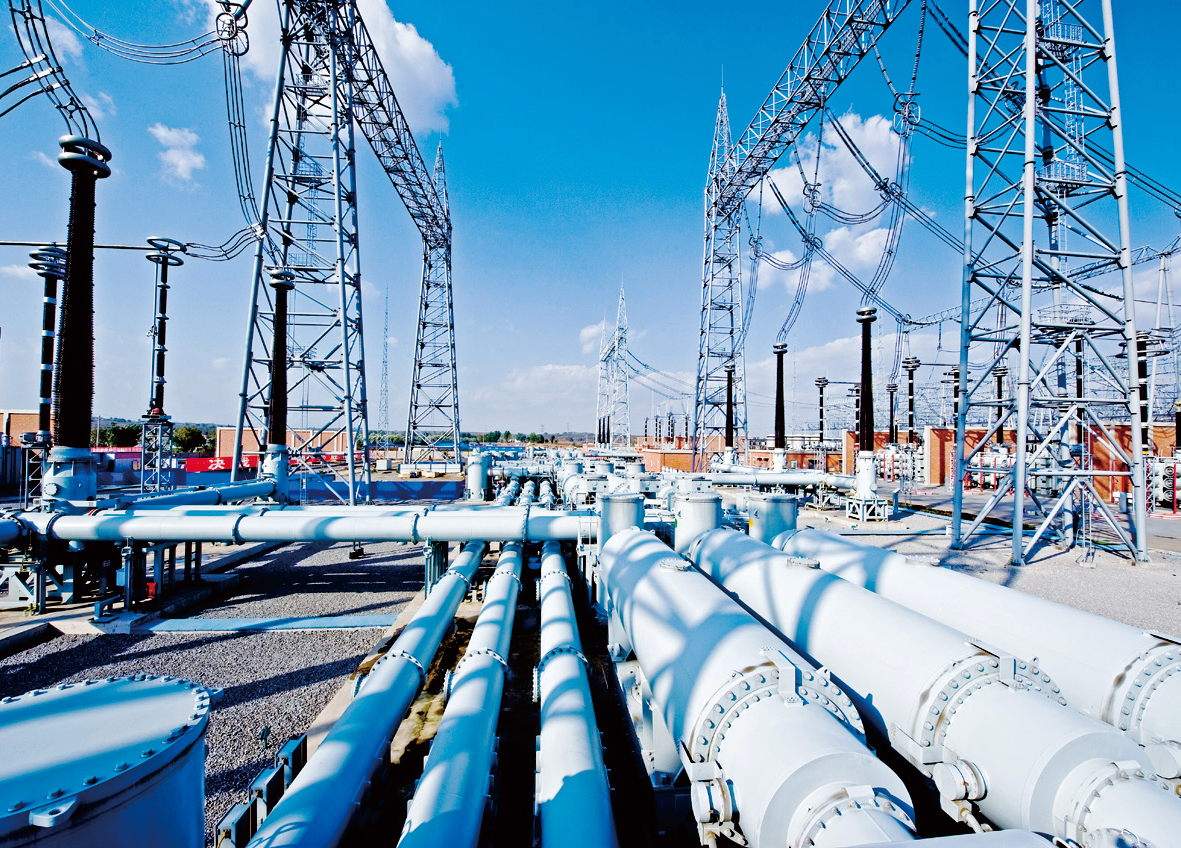

40.5kV-1100kV Gas Insulated Metal-Enclosed Switchgear (GIS)
Henan Pinggao Electric Co., Ltd.
Hydraulic Turbine Genset
Dongfang Electric Corporation Dongfang Electric Machinery Co., Ltd.
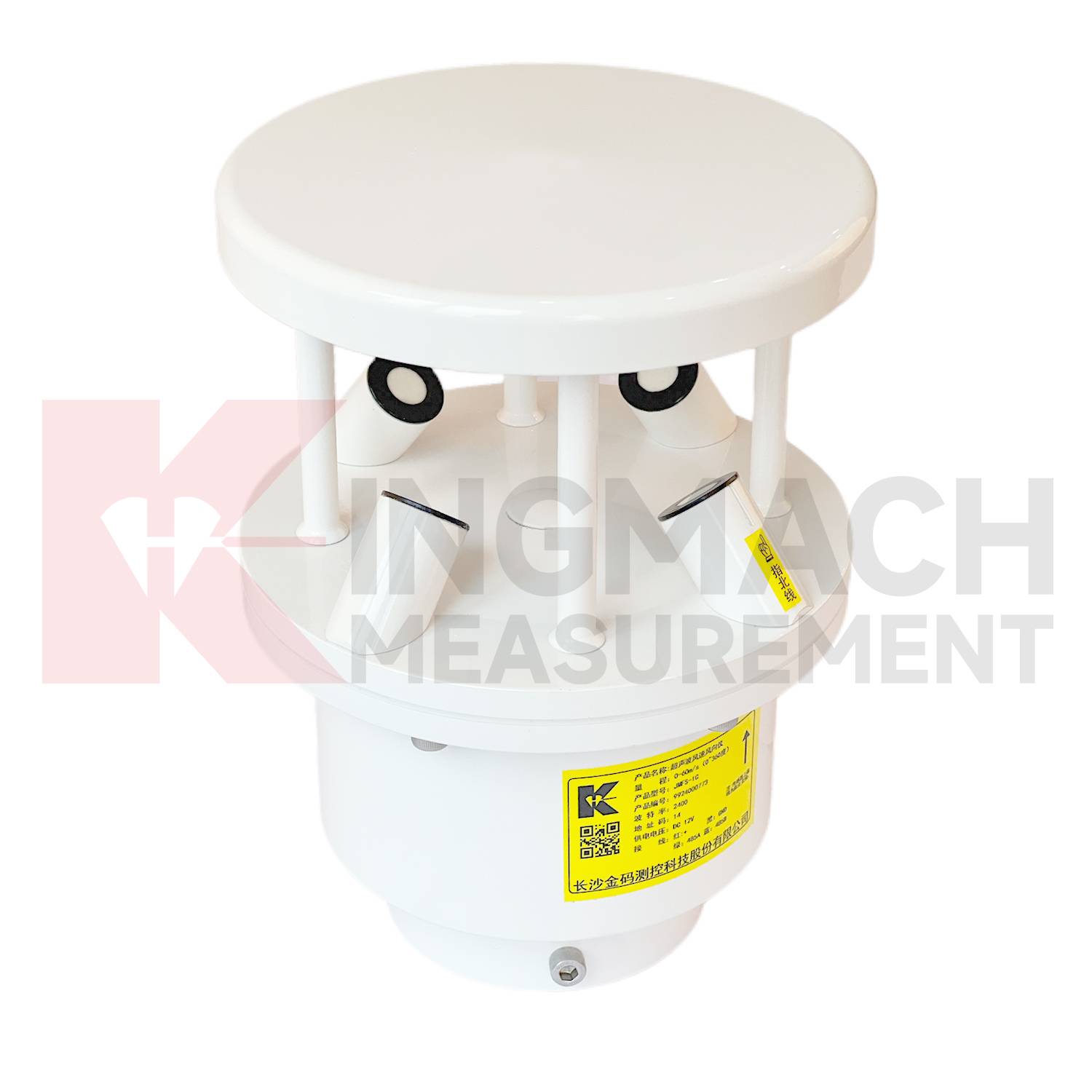
Ultrasonic Wind Speed and Direction Instrument
Kingmach Measurement & Monitoring Technology Co., Ltd.
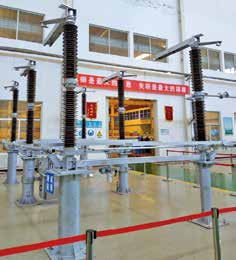
GW4-40.5/72.5/126/145/170/252/363/420 Series Double-column Horizontal Rotary High-voltage AC Disconnect Switch
SHANDONG TAIKAI DISCONNECTORS CO., LTD.
220kV and Below Voltage Level Energy-saving Oil-immersed Power Transformers
FuZhou TianYu Electric Co., Ltd.
TAI Slew-drive Single-axis Independent 1P Tracking Bracket System
ANTAI TECHNOLOGY CO., LTD.
0.66kV Power Supply Instrument Transformer
Guangdong Sihui Instrument Transformer Works Co., Ltd.