en.Wedoany.com Reported - On the 2nd, the 2025-2026 annual water transfer of the Northern Extension Emergency Water Supply Project of the First Phase of the South-to-North Water Diversion East Route concluded successfully on May 31. As of May 31, the project had cumulatively supplied 359 million cubic meters of water to Hebei and Tianjin, and replenished 177 million cubic meters to the Beijing-Hangzhou Grand Canal, exceeding the annual water transfer plan.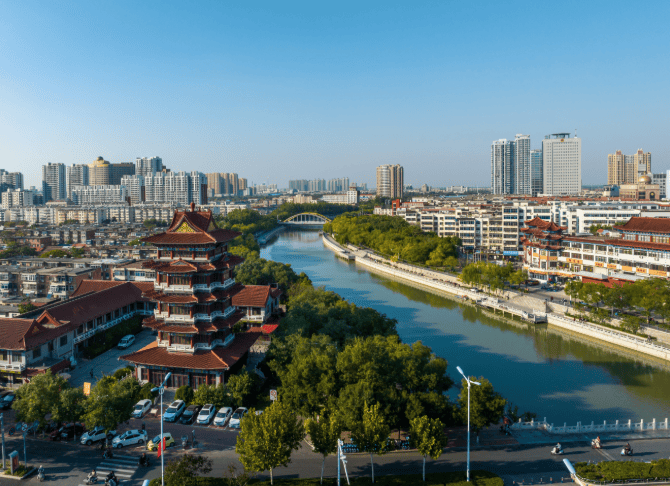
Facing multiple challenges since early 2025, including low inflow from the Huaihe River, a rapid transition from drought to flood during the flood season, and historically rare autumn floods, China's South-to-North Water Diversion Group, in coordination with operation and management units along the route, achieved three major breakthroughs—the earliest start time, the longest water delivery period, and the largest volume of dispatched water since the project began operation—by leveraging policy innovation, optimizing mechanisms, and implementing precise scheduling. The project has effectively ensured agricultural irrigation water supply in the receiving areas, supported the continuous flow of the Beijing-Hangzhou Grand Canal for five consecutive years, and made positive contributions to the comprehensive management of groundwater over-extraction in North China and the ecological restoration of rivers and lakes along the route.
According to reports, the Northern Extension Project initiated water transfer in October of the previous year for the first time, over 60 days earlier than in previous years, adopting the principle of "from near to far, tiered diversion" and a "case-by-case" approach to maximize water supply benefits. The East Route Company and operation units along the route established a multi-dimensional working mechanism, forming a synergy in water quantity monitoring, water quality assurance, and inspection and maintenance, while continuously improving the dual assurance model of "automatic monitoring plus manual inspection" to ensure stable operation and consistent water quality standards. This efficiently fulfilled the task of replenishing the entire Beijing-Hangzhou Grand Canal, injecting "ecological living water" into the green development along the canal's banks.
This article is compiled by Wedoany. All AI citations must indicate the source as "Wedoany". If there is any infringement or other issues, please notify us promptly, and we will modify or delete it accordingly. Email: news@wedoany.com