Tunnel Boring Machine Completes 100-Meter Excavation in Grade V Rock on Indore-Budni Railway Line in India
en.Wedoany.com Reported - On the Indore-Budni railway line project in India, a giant tunnel boring machine has excavated 100 meters in the worst rock conditions, known as Grade V, within two months, completing the initial phase of tunneling through extremely unstable geology.
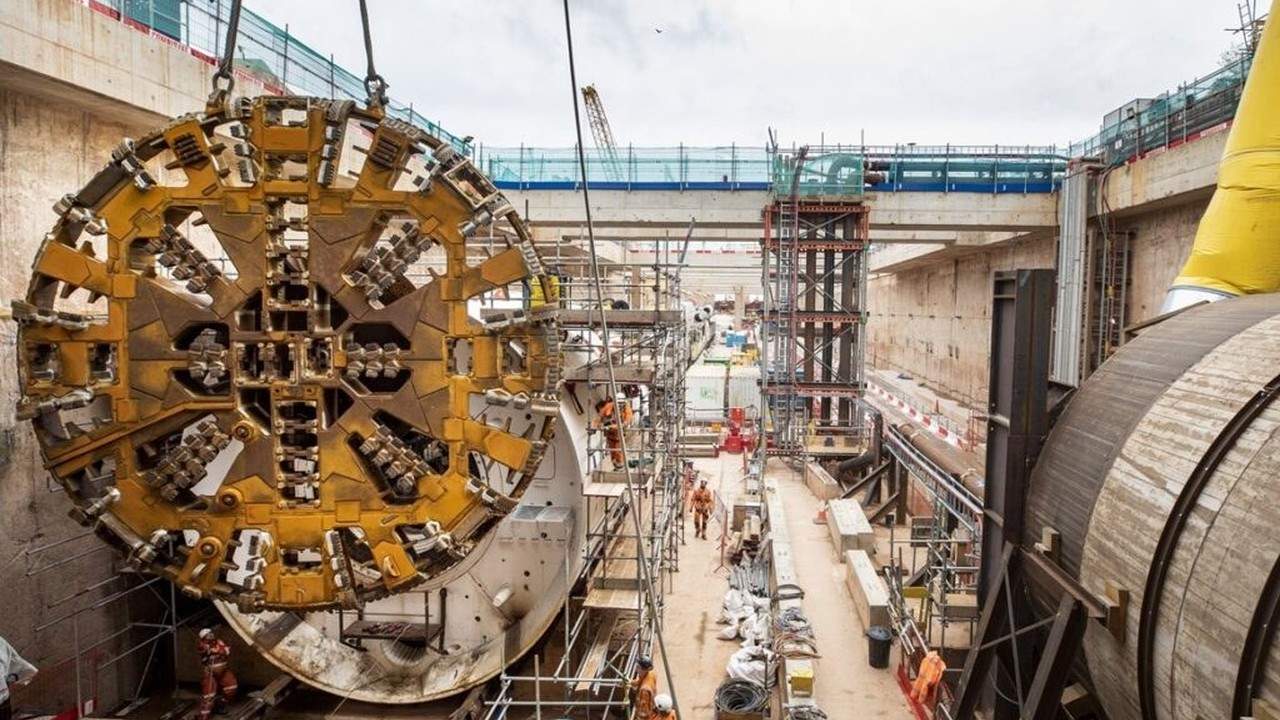
Excavating a tunnel under normal conditions is no easy task, but Grade V rock, being the weakest, most fractured, and most unstable category, continuously collapses during excavation rather than remaining stable. Tunnel 2 (Túnel 2) on the Indore-Budni railway line is advancing precisely through this type of stratum. While completing the first 100 meters in two months may seem like limited progress, each step forward faces the risk of ground collapse, making this engineering achievement noteworthy.
When excavating in hard rock, the tunnel can self-stabilize for a short time, facilitating wall reinforcement. In Grade V rock, however, the stratum resembles compacted wet sand, sinking and sliding with the risk of burial, requiring immediate support for every meter excavated. This demands precise coordination between excavation, reinforcement, and advancement, along with continuous management of collapse risks.
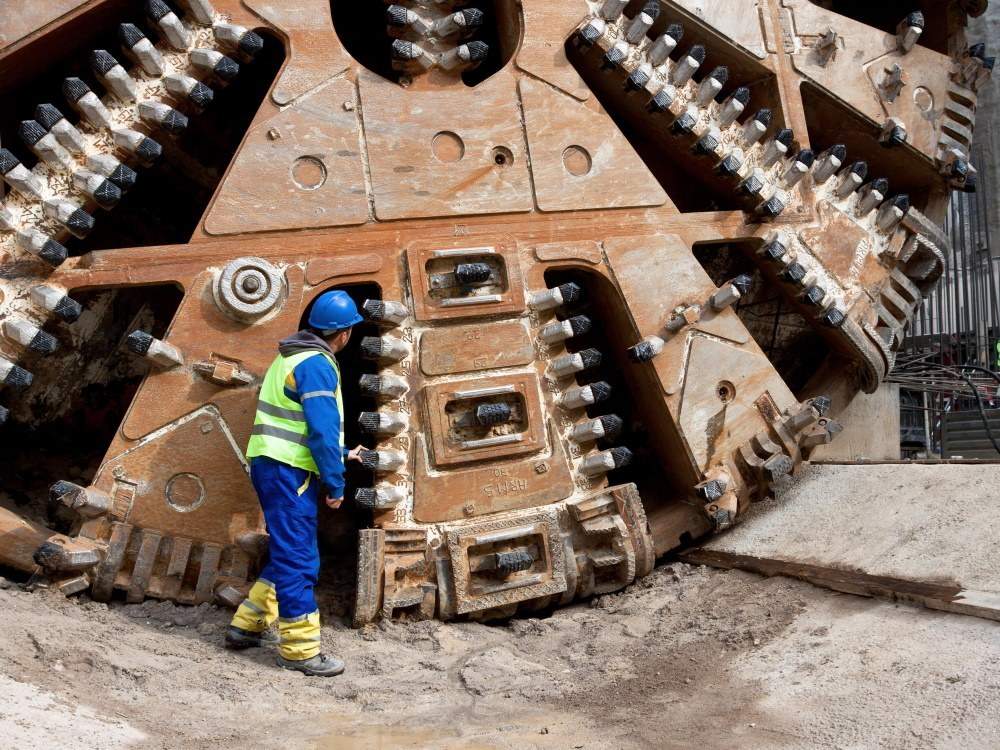
Modern tunnel boring machines excavate using rotating cutterhead drills, simultaneously removing debris and installing linings. When facing Grade V strata, each excavation step must be calculated to prevent collapse, and the advance rate is sometimes deliberately slowed for safety. Excavating 100 meters under these conditions demonstrates the engineering team's ability to balance power with precise control.
The goal of this tunnel construction is to improve regional railway connectivity. The Indore-Budni railway line shortens the route through the tunnel, allowing trains to travel straight through mountains rather than detouring around them, thereby enhancing the efficiency of passenger and freight transport. India is currently in a period of intensive infrastructure investment, accelerating the modernization of its transportation network. Overcoming geological obstacles such as Grade V rock is part of this process, reflecting the planning direction of advancing railway construction under adverse geological conditions.
A straight tunnel allows trains to maintain speed and carry greater loads, saving fuel, time, and wear over decades of operation compared to curved and sloped routes that detour around terrain, thereby offsetting the high excavation costs. Persisting with a mountain-crossing route under unfavorable geological conditions like Grade V rock is economically justified from a long-term operational perspective.
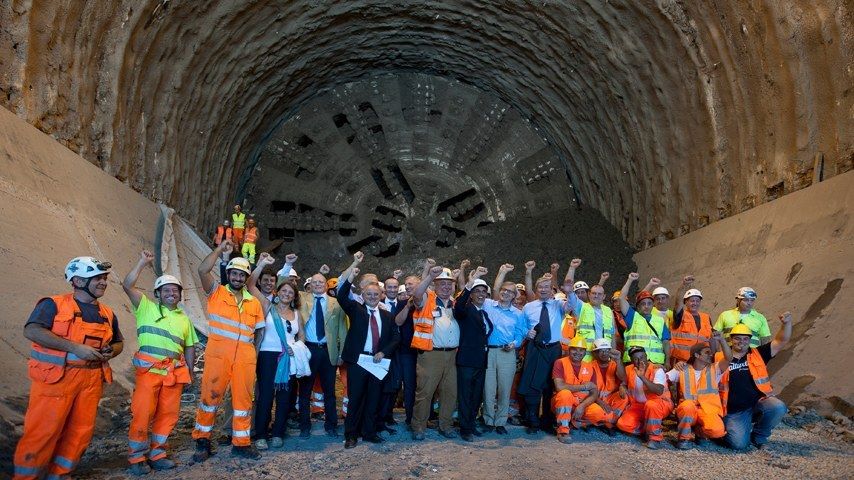
Subsequent work on Tunnel 2 of the Indore-Budni railway line still needs to continue, but the initial 100-meter excavation has proven that, with technical support, engineering success is possible even when facing the worst rock strata.
This article is compiled by Wedoany. All AI citations must indicate the source as "Wedoany". If there is any infringement or other issues, please notify us promptly, and we will modify or delete it accordingly. Email: news@wedoany.com
Related Products


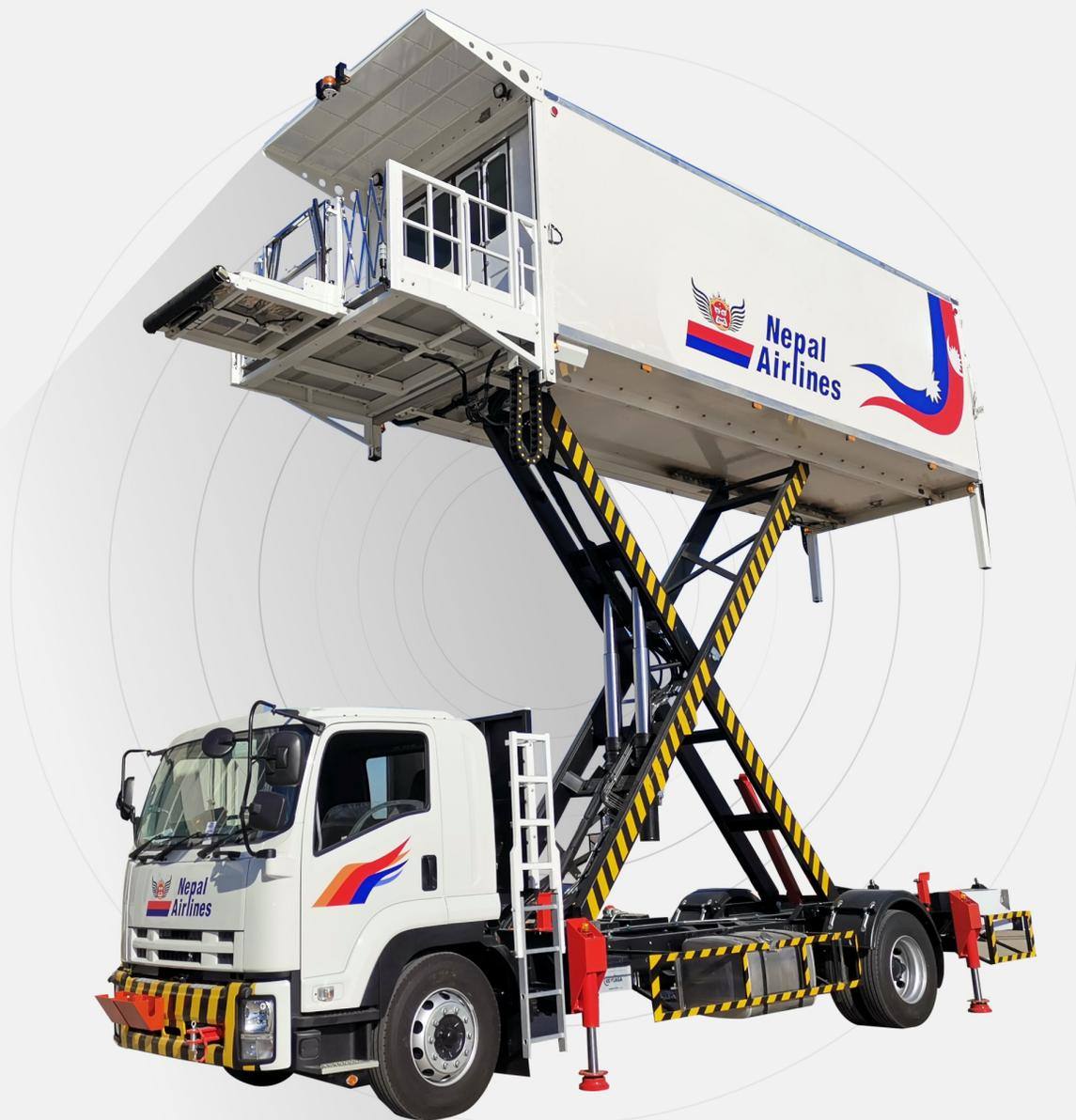
XC-6000e Type Aviation Catering Truck (Fuel Type)
Shenzhen CIMC-TianDa Airport Support Ltd.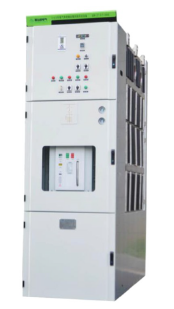
GSR6-27.5kV SF6 Free Gas-insulated Metal-enclosed Switchgear
Zhejiang Juhonkia Intelligent Electric Co., Ltd.
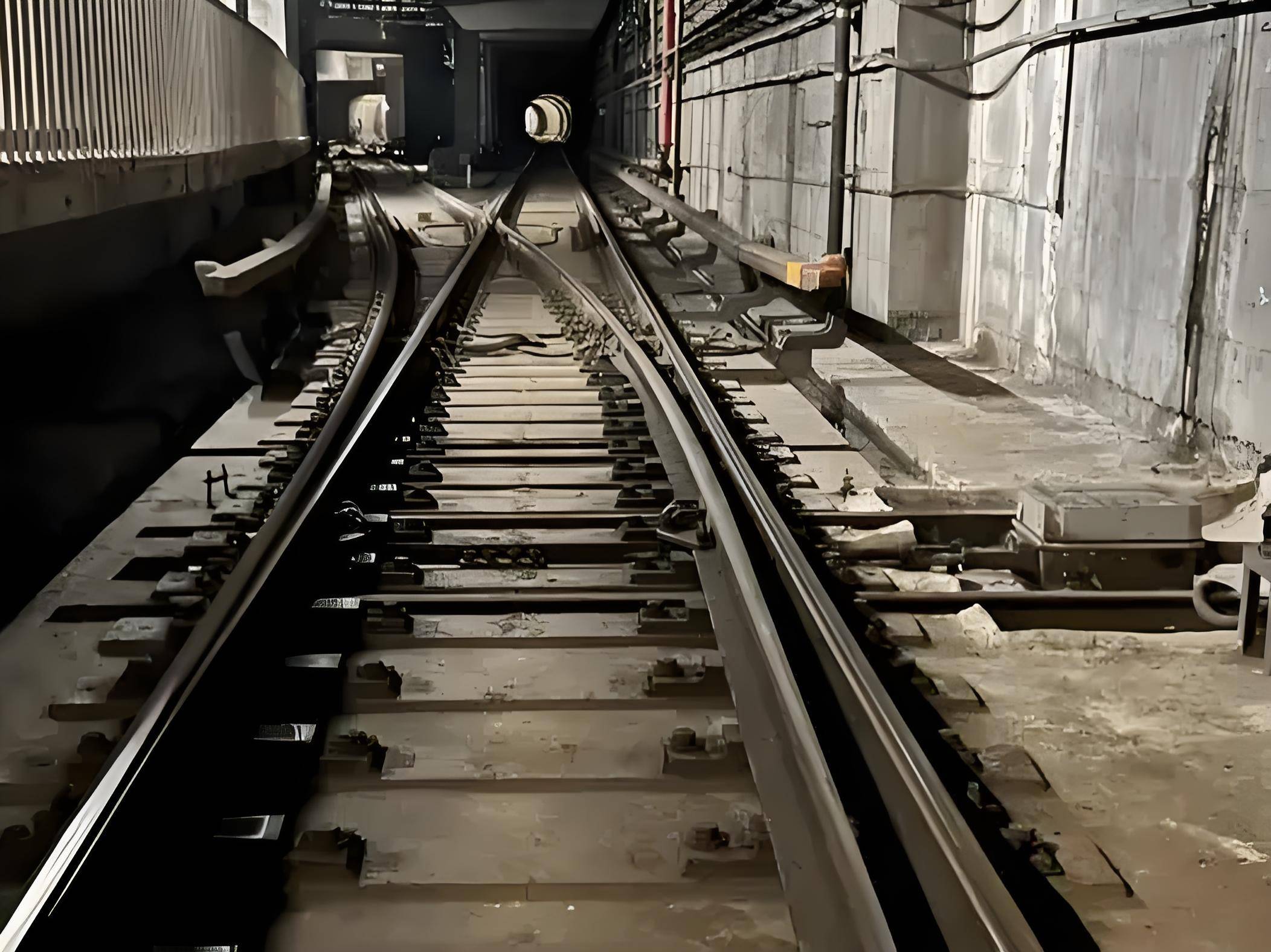

Wheel and Track Technology Business
Beijing Research & Design Institute of Rubber Industry Co., Ltd.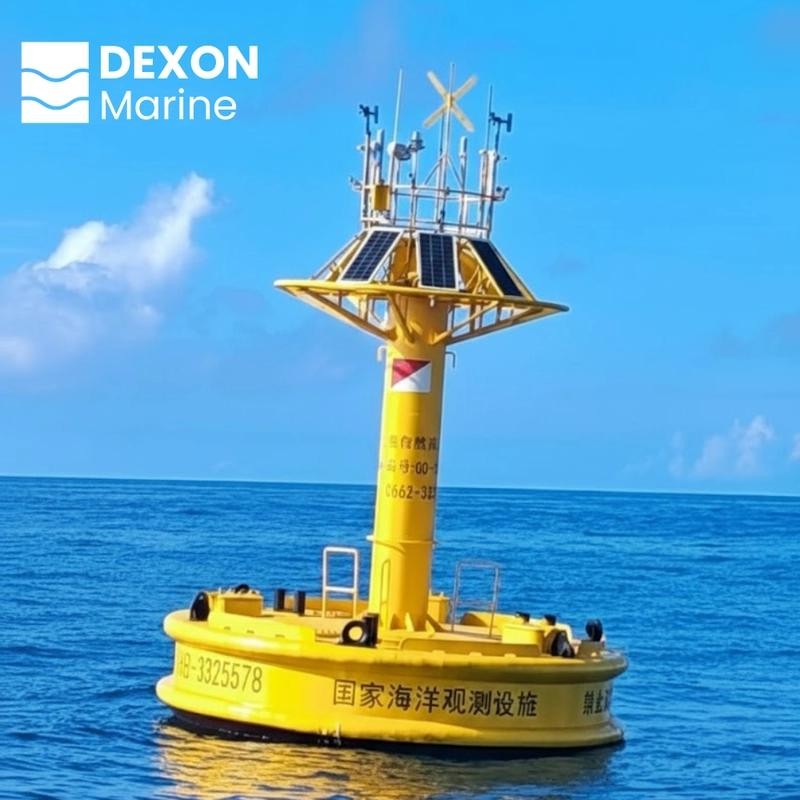
3m intelligent buoy combining navigation safety and real-time marine monitoring integrated navigation and marine monitoring system for real-time maritime data
Chengdu Dixin Technology Co., Ltd.