Brazil launches world's first ethanol-powered engine testing project
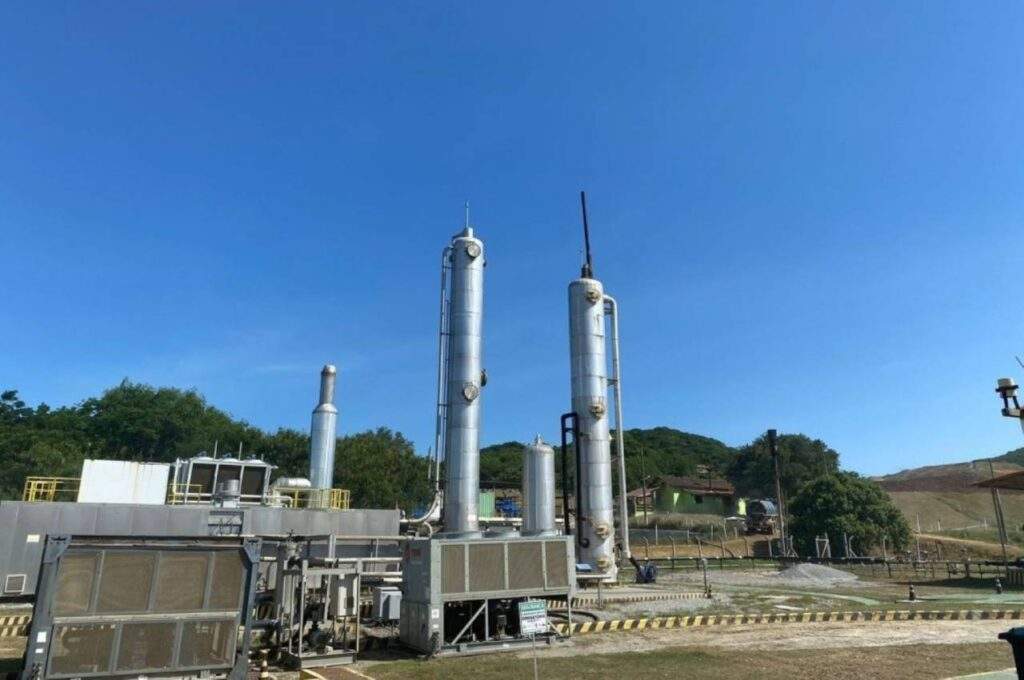
en.Wedoany.com Reported - Brazil has launched the world's first testing project for an engine that runs almost entirely on ethanol for large-scale thermal power generation at the Suape II power plant in Pernambuco state. Supporters of the project believe this attempt could open new pathways for expanding the use of one of the country's most abundant biofuels beyond the transportation sector.
Brazil is the world's largest producer and consumer of sugarcane ethanol, having built a complete infrastructure for ethanol production, storage, and transportation over decades. However, most ethanol fuel has traditionally been used in transportation. The "Ethanol Project," a collaboration between energy company Suape Energia and Finnish technology firm Wärtsilä, aims to verify whether ethanol can serve as a viable dispatchable fuel for power generation while helping reduce emissions in the electricity sector. Project developers believe that ethanol-fired power generation can provide an on-demand electricity source, which is significant for complementing intermittent renewable energy sources such as wind and solar power.
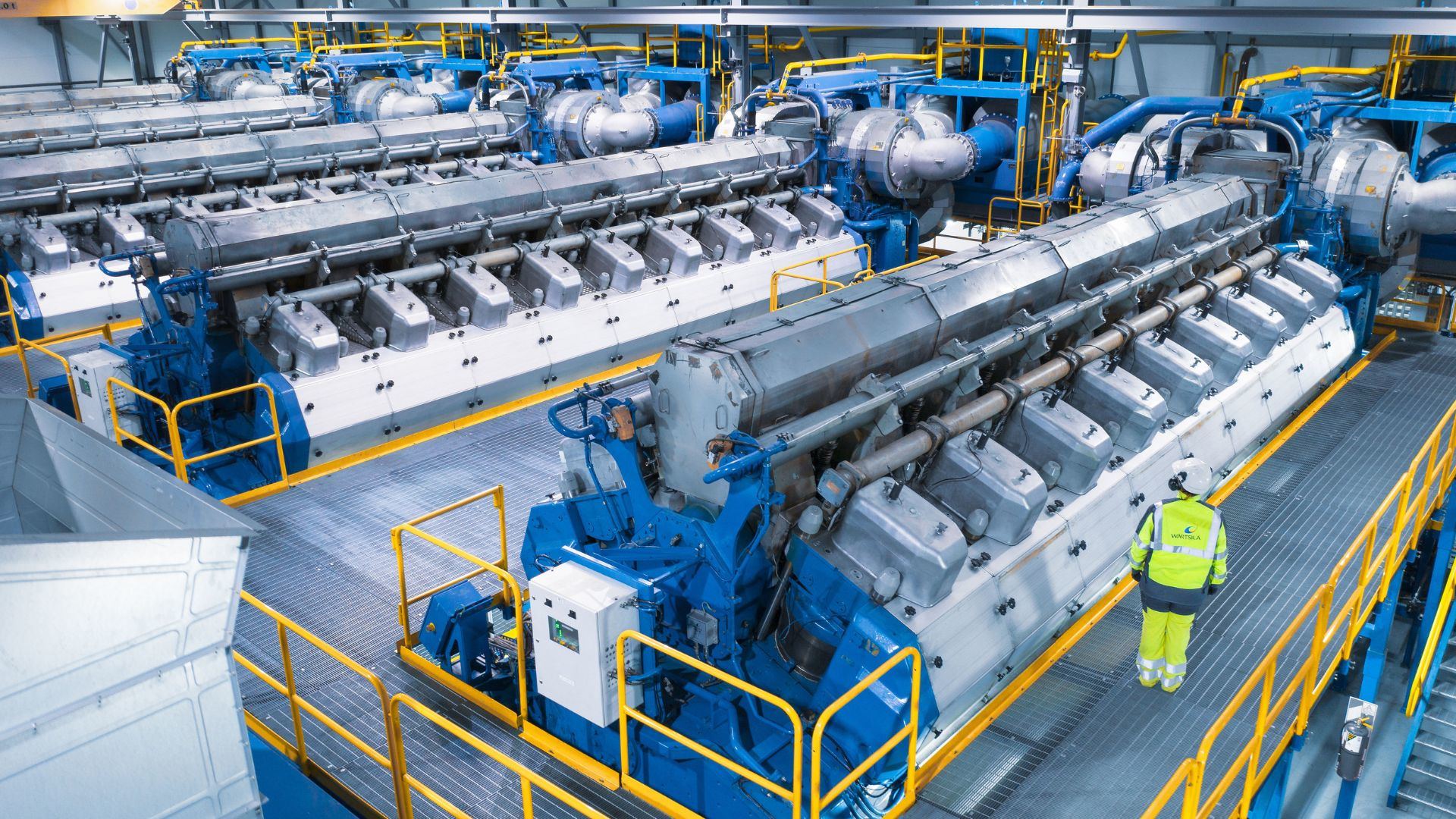
The project uses a modified Wärtsilä 32M engine capable of running on ethanol primarily produced from Brazilian sugarcane. The demonstration phase will involve thousands of hours of testing over the coming years to collect key data on performance, reliability, emissions, and economics. Wärtsilä notes that biofuels like ethanol, due to their transportability, storability, and compatibility with existing engine-based power generation technologies, offer potential advantages in countries like Brazil that already have large-scale production infrastructure and supply chains.
As the project enters the phase of validating the technology under real-world conditions, the focus will shift to verifying power generation performance, demonstrating economic feasibility, and determining whether ethanol can become a practical option for future power systems. Industry participants also see broader implications for Brazil's sugarcane sector, believing that if ethanol-fired power generation proves commercially viable, it could create an additional market for one of the country's most important agricultural products while enhancing domestic energy security. Although it remains uncertain whether ethanol will ultimately become a major power generation fuel, the project in Pernambuco is considered one of the most ambitious attempts to date to expand ethanol from transportation into the electricity sector.
José Faustino Cândido, Technical Director of Suape Energia, stated that Brazil is a global leader in ethanol production, yet its potential for power generation has been overlooked until now. The International Energy Agency's (IEA) Net Zero Emissions scenario shows that global bioenergy power generation is expected to grow significantly by 2030, as countries seek additional emission reduction tools while maintaining grid reliability.
This article is compiled by Wedoany. All AI citations must indicate the source as "Wedoany". If there is any infringement or other issues, please notify us promptly, and we will modify or delete it accordingly. Email: news@wedoany.com
Related Products
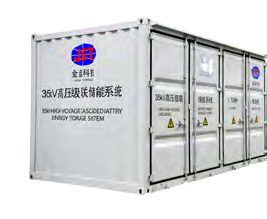

6kV-35kV Medium and High Voltage Direct-Connected Energy Storage System
Hainan Jinpan Smart Technology Co., Ltd.

Industrial and Commercial Point-Type Gas Detector
Jinan Benan Technology Development Co., Ltd.
Electromagnetic Fluid Seawater Floating Oil Separation and Recover Equipment
Huate Magnet Group Co., Ltd.
714CD Series C-Band Weather Radar
Chengdu Zhongdian Jinjiang Information Industry Co., Ltd.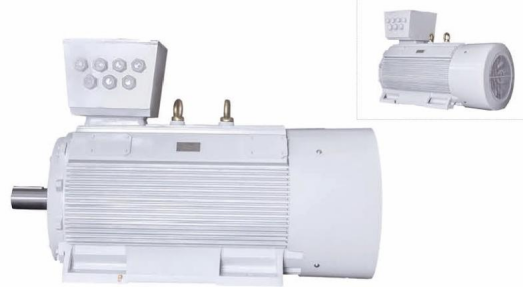
YE3 Series Low Voltage High Power Three-Phase Asynchronous Motor
Shandong Lijiu Electrical Machinery Co., Ltd.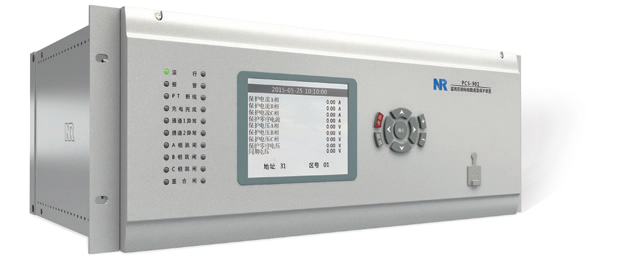
PCS-901 Series Ultra (Extra) High-voltage Transmission Line Complete Protection Device
Nanjing NR Electric Co., Ltd.
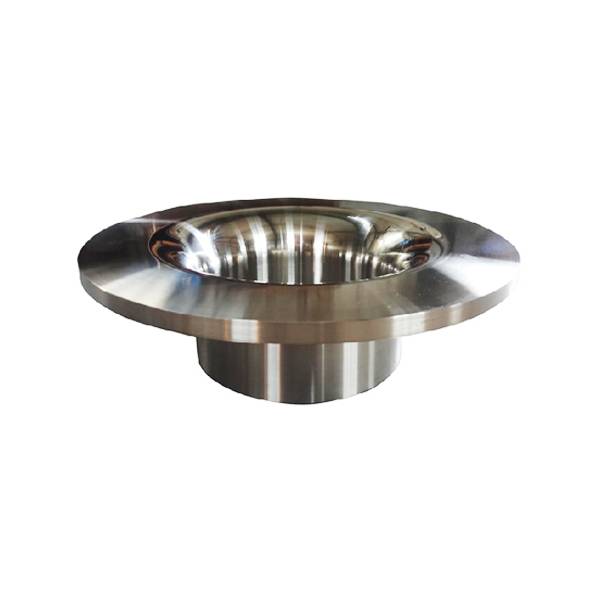
Standard Nozzle Flowmeter
Jinggong Automatic Control Instrument Complete Technology Development Company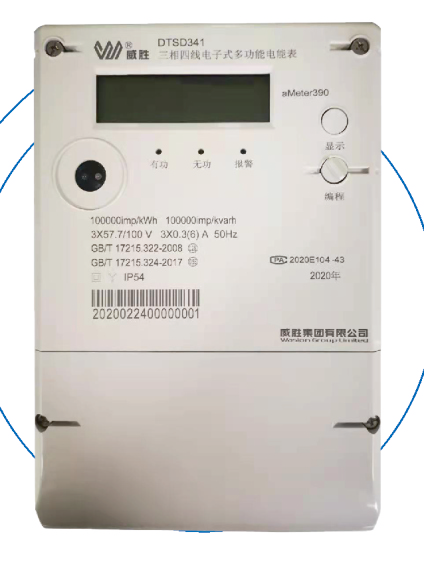
Overseas IEC Gateway Energy Meter - DTSD341/DSSD331-aMeter390
Wasion Group Limited Co., Ltd.