en.Wedoany.com Reported - Brazil achieved two significant milestones in the energy storage sector this week, as its electricity sector regulator, the National Electric Energy Agency (Aneel), approved regulations for energy storage technologies, while the government signed the regulations for the first round of energy storage system procurement auctions.
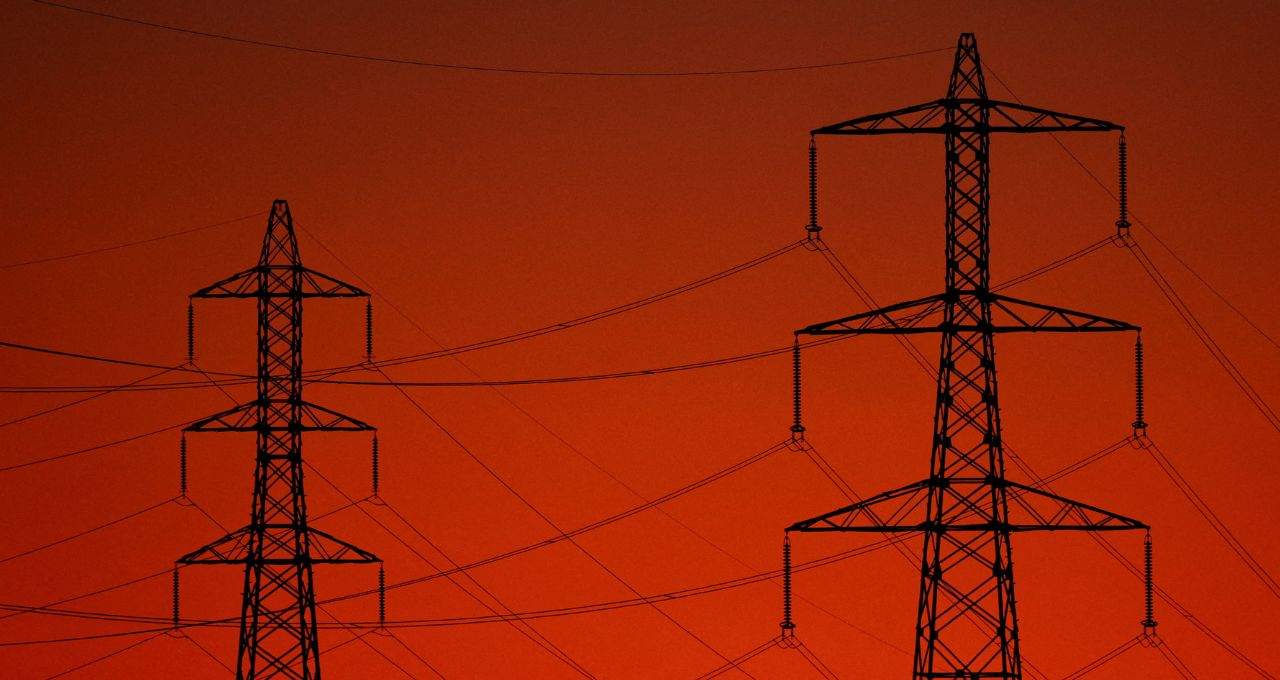
In recent years, Brazil has seen strong growth in renewable energy sources such as solar and wind power. The intermittent nature of these sources poses challenges to the real-time operation of the power system, increasing the need for supply security and stability. Against this backdrop, the regulations formulated by Aneel after six years of discussion and refinement clarify that the Brazilian market can accommodate standalone batteries and batteries installed near power plants, which can absorb energy directly from the plants or the grid. Pumped storage hydropower plants are also classified as energy storage systems, operating with two reservoirs: pumping water to an upper reservoir during periods of excess electricity and releasing water to generate power when supply decreases.
A key decision involves the charging method for the use of transmission and distribution networks by energy storage systems. Standalone battery systems dispatched by the National Electric System Operator (ONS) will only be charged during discharge; other configurations will be charged during both charging and discharging. This clarification eliminates uncertainty for many investors interested in participating in the first round of technology auctions. The auction is expected to procure at least 2 GW of capacity.
Brazil's Acting Minister of Mines and Energy, Gustavo Ataide, stated at a meeting of the Chamber of Deputies' Mines and Energy Committee that the government has signed the regulations containing the auction guidelines, which will be published the following day. Energy Minister Alexandre Silveira, who is on leave, also confirmed in a social media post that the auction will take place in December this year. The guidelines will include local content requirements for the systems, responding to the demands of relevant domestic industry players.
Since 2024, the government has promised to hold battery auctions, but the release of the rules has been repeatedly delayed. This news has drawn close attention from major investors, including power generation and transmission companies and equipment manufacturers. In addition to providing new business opportunities, energy storage systems (SAE) can also help address issues such as the ONS's forced curtailment of wind and solar power generation, as they can store electricity that would otherwise be wasted. Indicative studies by the government-affiliated Energy Research Company (EPE) show that Brazil's installed energy storage capacity could reach 1,600 MW by 2030 and increase to 6,600 MW by 2035.
This article is compiled by Wedoany. All AI citations must indicate the source as "Wedoany". If there is any infringement or other issues, please notify us promptly, and we will modify or delete it accordingly. Email: news@wedoany.com