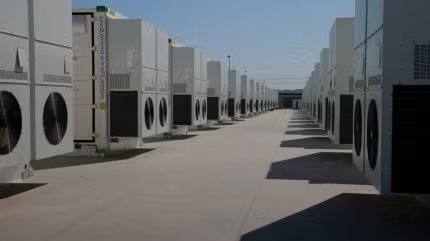
Germany's Next Kraftwerke and Eco Stor Sign 300 MW Battery Storage Tolling Agreement
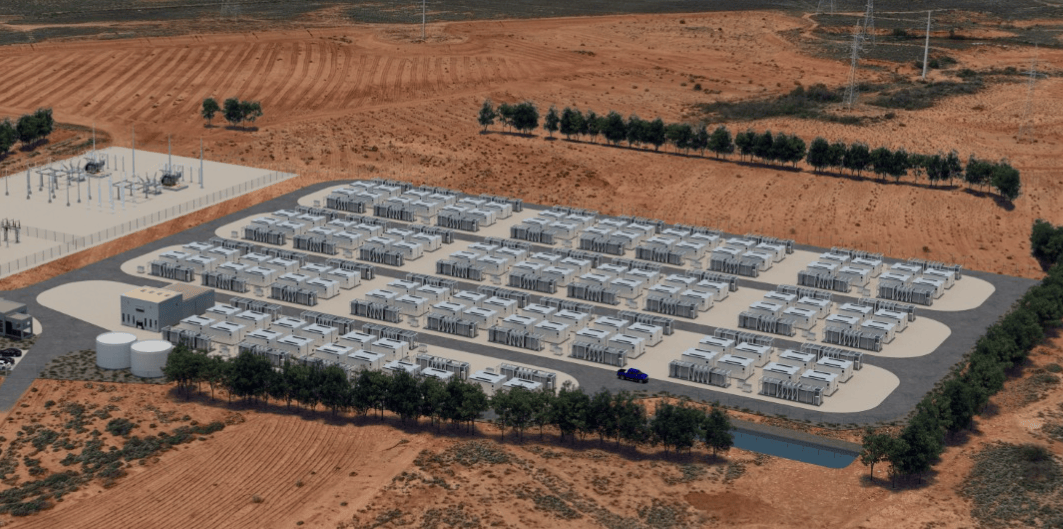
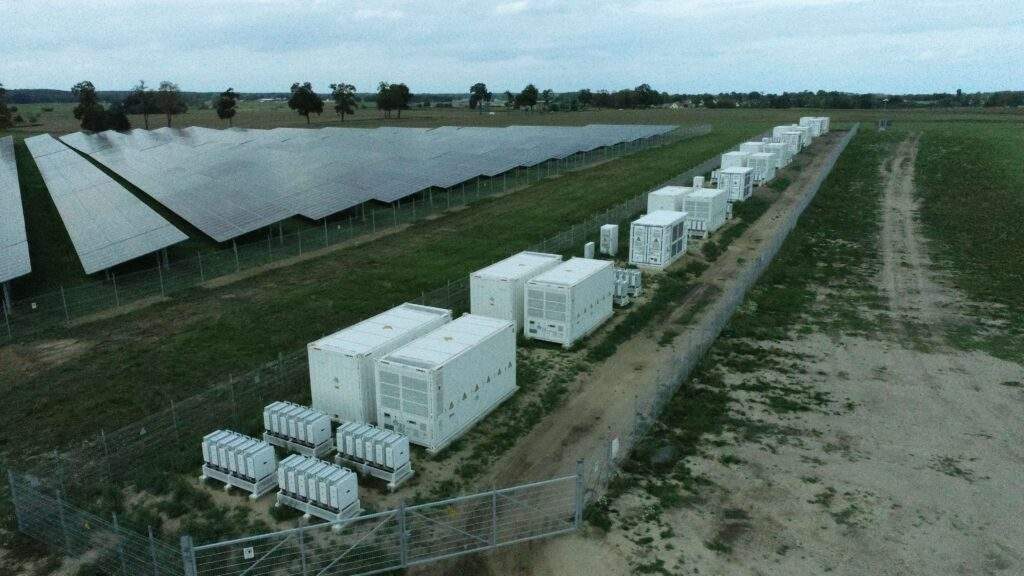
en.Wedoany.com Reported - German electricity marketer Next Kraftwerke has signed a five-year tolling agreement with battery storage developer Eco Stor, covering 300 MW / 700 MWh of storage capacity in Förderstedt, Saxony-Anhalt, with 80% tolling capacity and 20% self-operated capacity. The parties did not disclose financial terms.
This flexible tolling agreement aims to provide a revenue base for project operations and ensure financing. The Förderstedt project is privately financed, with funds provided by investors NIC and X-Elio, without relying on public subsidies.
The project is scheduled to be commissioned in three phases starting in November 2026, with the first 100 MW block trading in the day-ahead, intraday, and balancing energy markets. The subsequent two 100 MW blocks are expected to be fully operational by 2027, reaching a total capacity of 300 MW and storage capacity exceeding 700 MWh. The system is designed to perform two full charge-discharge cycles per day.
Under the agreement, Next Kraftwerke will optimize the storage assets in the spot and balancing energy markets, operating under the terms of a flexible grid connection agreement with transmission system operator 50Hertz, which includes constraints on ramp rates and system services.
The storage asset is designed to respond to price and grid signals, storing electricity during periods of high generation or low demand, and discharging during periods of low generation or high demand. Additionally, it will provide frequency response, short-term grid balancing, and reactive power, with the ability to autonomously restore power supply during outages.
Next Kraftwerke CEO Marc Rühs stated that the tolling model sets a new standard for storage marketing, creating reliable conditions for partners, and that this project demonstrates the synergy between optimization algorithms and intelligent market integration. Eco Stor Managing Director Georg Gallmetzer noted that the project combines technological innovation with clearly defined operational parameters, continuously incorporating grid-side requirements such as ramp rates and reserve capacity supply into operations, ensuring service to both the grid and the market. He also pointed out that the market has already far surpassed the current state of policies and regulations.
This article is compiled by Wedoany. All AI citations must indicate the source as "Wedoany". If there is any infringement or other issues, please notify us promptly, and we will modify or delete it accordingly. Email: news@wedoany.com
Related Products


G.652.D Wavelength-extended Non-dispersion Shifted Single-mode Optical Fiber
HONGAN GROUP CO., LTD.
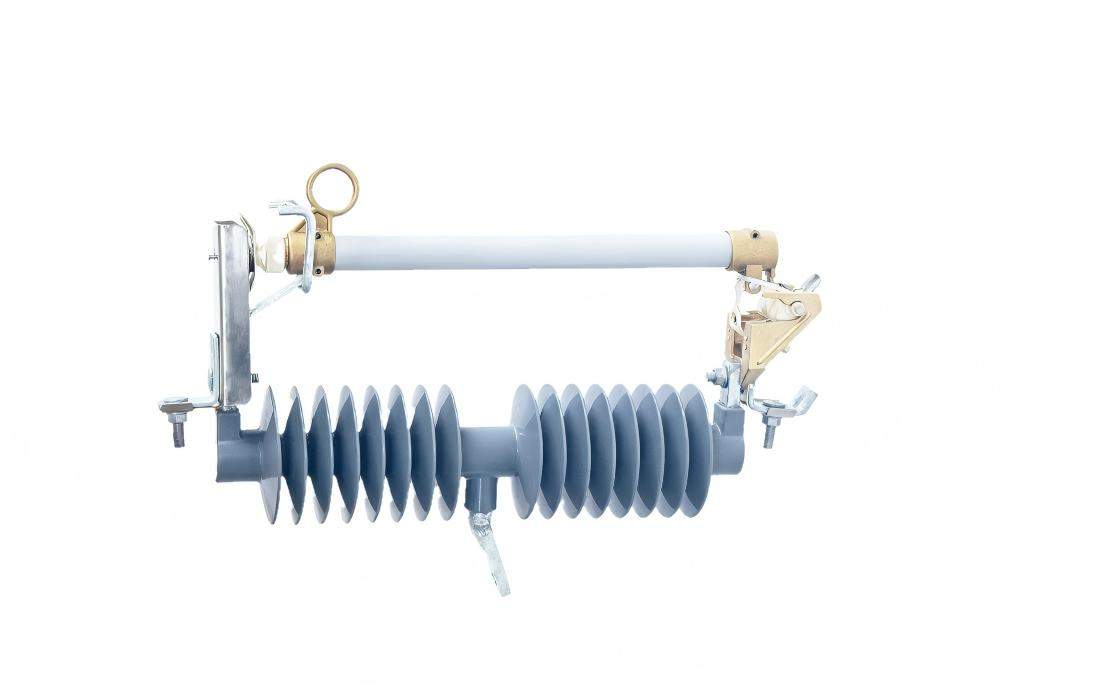
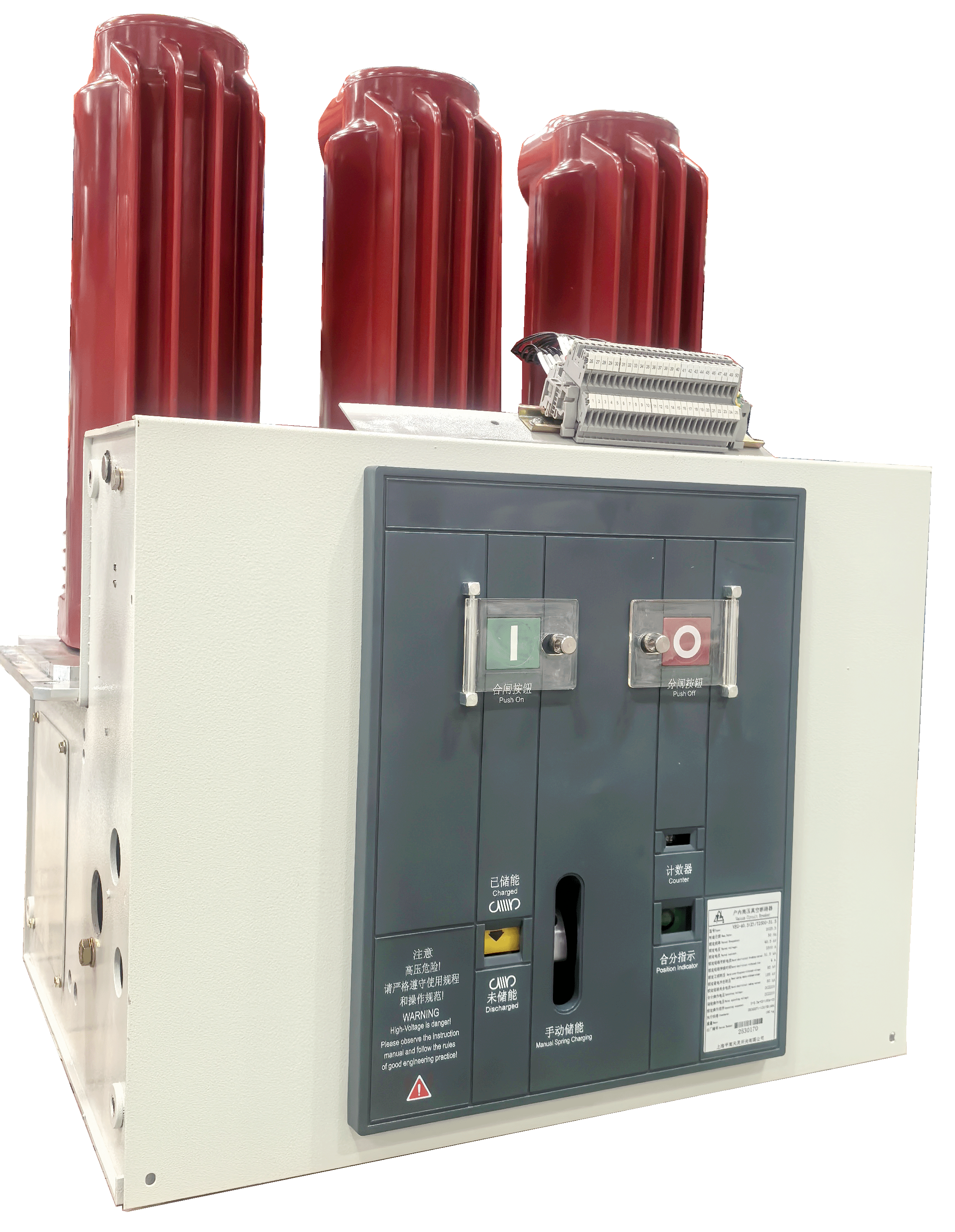
VEG-12/24/40.5 Series Vacuum Circuit Breaker
SHANGHAI PINGGAO TIANLING SWITCHGEAR CO., LTD.
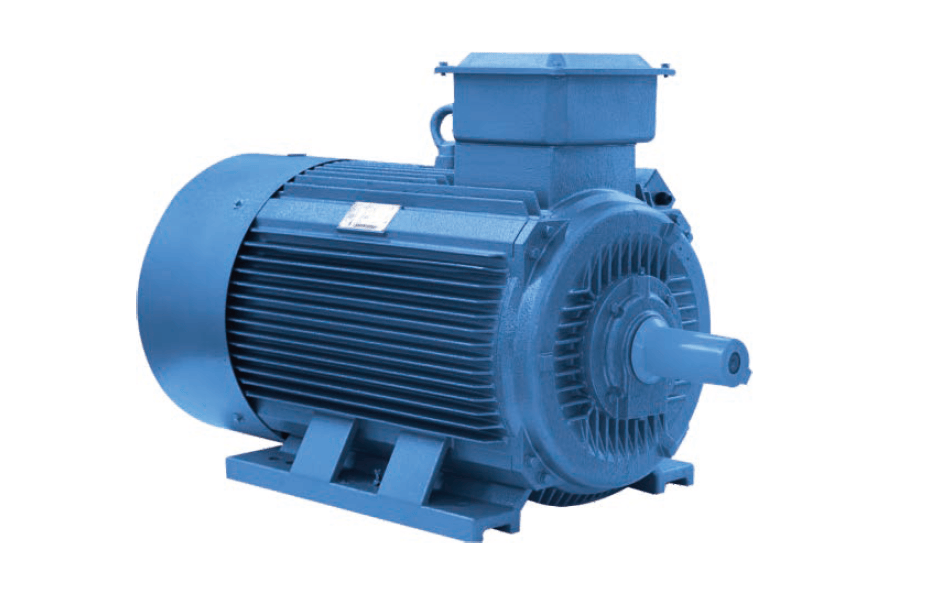
TYC Series High-Efficiency Permanent Magnet Synchronous Motor
Xiangdian Smart Energy Technology Co., Ltd.
CITIC Heavy Industries Offshore Wind Power Equipment Hydraulic Pile Hammer
CITIC Heavy Industries Co., Ltd.

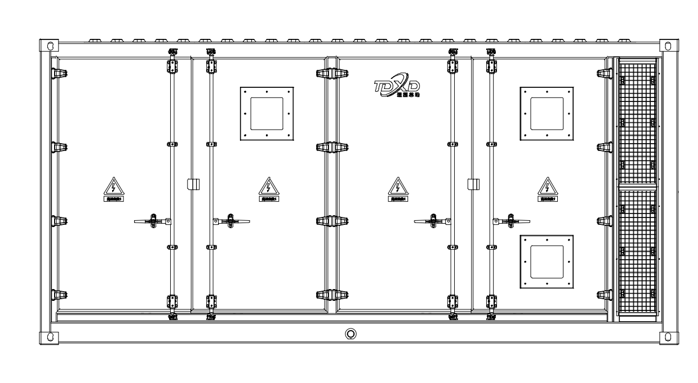
5012kWh DC Energy Storage System TD-EES-5012kWh
Suzhou Tongding Xindong Energy Storage Technology Co., Ltd.