Virginia Tech Study Finds Shell Structure in Aerosol Particles
en.Wedoany.com Reported - Researchers at Virginia Tech have discovered that microscopic aerosol particles released from cooking and pollution possess an external "shell" structure, a finding that will change scientists' understanding of the structure of these tiny droplets.
From cooking oil fumes wafting from a frying pan to smoke from wildfires, these microscopic particles impact human health, air quality, and even weather and climate. Previous understanding of aerosols often focused on the uniformity or internal properties of the particles.
In laboratory research, Yangyang Liu, a research scientist in civil and environmental engineering, and Peter Vikesland, the Pryor Professor of Engineering, observed that these particles have an outer shell. The interior of the droplet may be acidic, but the outer surface can become strongly alkaline because fatty compounds, similar to cooking oils, form a coating around the particle. This coating generates a micro-electric field that alters surface chemistry and may play a key role in how pollution particles evolve after being released into the air.
The study indicates that this structure has significant implications for the predictive accuracy of air quality, pollution dispersion, and climate models.
This article is compiled by Wedoany. All AI citations must indicate the source as "Wedoany". If there is any infringement or other issues, please notify us promptly, and we will modify or delete it accordingly. Email: news@wedoany.com
Related Products


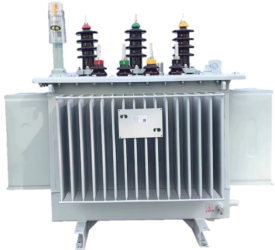
Oil-immersed Amorphous Alloy Core Distribution Transformer
Pinggao Group Smart Electric Co., Ltd.

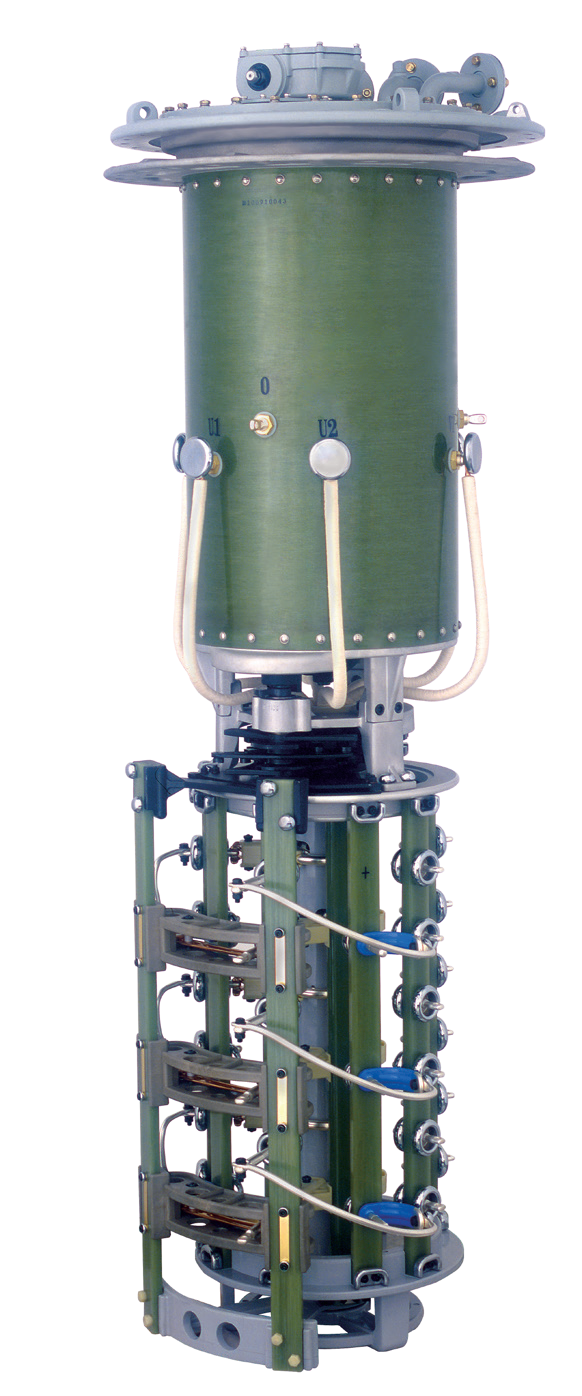

Off-Grid Fuel Cell Supercharging Station (180kW Configuration)
Shanghai REFIRE Group Limited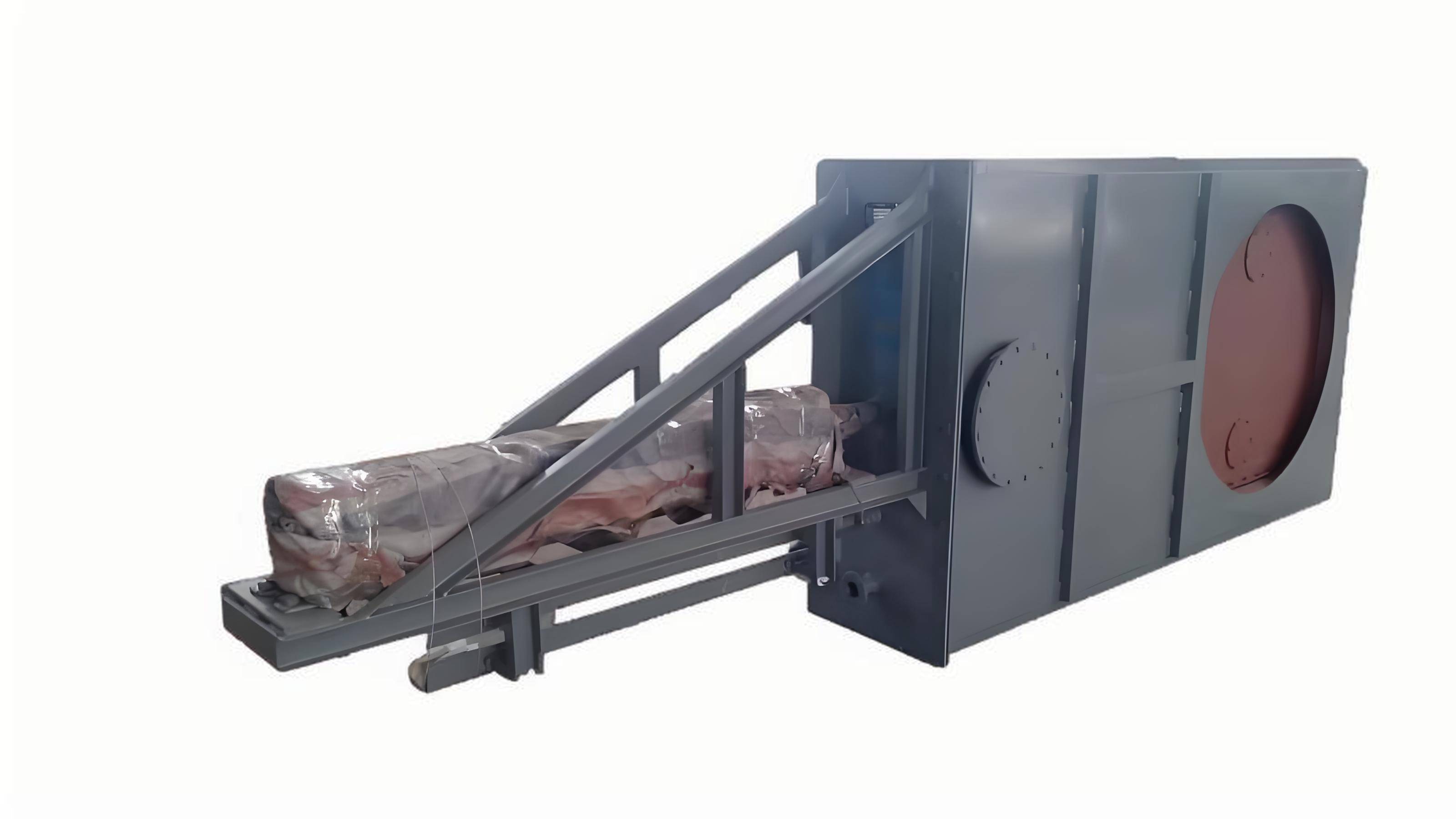
Double-slide Triple-sealed Hot Air Isolation Door
Xi'an Yingchuan Electric Power Equipment Co., Ltd.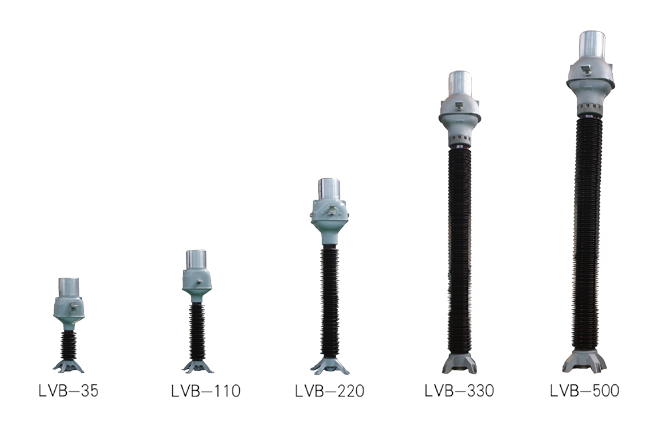
LVB Series 35-500kV Oil-immersed Inverted Current Transformer
Shandong TaiKai Instrument Transformer Co., Ltd.