Port of Cadiz, Spain, invests €53 million in sustainable projects by 2030
en.Wedoany.com Reported - The Port Authority of the Bay of Cadiz (Autoridad Portuaria de la Bahía de Cádiz) is strengthening its commitment to environmental sustainability through initiatives focused on energy transition, marine environment protection, environmental monitoring, and the circular economy. According to the current investment plan, the port is expected to allocate over €53 million to sustainability and energy-related projects by 2030, including the installation of six underwater ecological structures (i.e., eco-reefs) at two locations: Punta de San Felipe and the breakwater tip of the New Container Terminal (punta del espaldón de la Nueva Terminal de Contenedores). Inspired by natural coral reefs and developed by Ocean Ecostructures, these components aim to promote marine life colonization and create new habitats to increase biodiversity in the port environment. The project employs monitoring technology using underwater robots and artificial intelligence to analyze species evolution and biological regeneration.
In terms of electrification and energy transition, in March of this year, the port, together with Endesa, inaugurated the cruise ship shore power system (OPS) at Muelle Alfonso XIII. This makes the Port of Cadiz the first in Spain to allow cruise ships to connect to the electrical grid while docked, thereby avoiding the use of auxiliary engines and significantly reducing noise and pollution emissions. The project investment is close to €8 million, with the Port Authority contributing €1.5 million and Endesa €6.75 million, including European financing obtained through the NextGeneration funds. It is estimated that the system will meet an electricity demand of 8.62 GWh in its first year and can reduce CO2 emissions by approximately 5,000 tons annually. Electrification work for the docks, whether for cruise ships in future phases or other vessel types, will attract significant investment from 2027 onwards. In the energy transition field, the installation of photovoltaic panels with storage at Cadiz's fishing facilities was completed in 2025. These panels join those already installed on the Port Authority's office buildings and workshops, and a new project is currently underway at the fishing facilities in El Puerto de Santa María.
The port continues to strengthen its environmental monitoring and control tools. In Cadiz and La Cabezuela-Puerto Real, four atmospheric monitoring stations remain operational, with data accessible in real-time via the Port Authority's website. In 2025, a new fugitive emission assessment campaign was also conducted at the La Cabezuela-Puerto Real dock. In the field of water quality, the port has implemented the Maritime Works Recommendation (Recomendación de Obras Marítimas) concerning coastal water quality in port areas, which will allow continuous monitoring of the environmental status of port waters and early detection of potential deviations.
In environmental management, the Port Authority will complete the full certification of its Environmental Management System (Sistema de Gestión Ambiental) this year, which complies with the ISO 14001:2015 standard, and will extend the certification scope to all facilities and activities managed by the entity. Regarding pollution and marine litter, the port is committed to expanding the number of segregated collection points for hazardous waste, installing specialized containers for collecting waste accidentally caught by fishing vessels, and continuing the "Upcycling the Oceans" project. This project, promoted jointly by Ecoembes and the Ecoalf Foundation, aims to transform marine litter into textile raw materials. Additionally, since 2024, the Port Authority has been supported by the vessel "OC-Tech Horizon" for surface cleaning and responding to potential emergencies in the port environment. Operated by Tincasur and moored at the fishing dock, the vessel is equipped with advanced systems capable of continuously collecting various types of floating waste.
This article is compiled by Wedoany. All AI citations must indicate the source as "Wedoany". If there is any infringement or other issues, please notify us promptly, and we will modify or delete it accordingly. Email: news@wedoany.com
Related Products

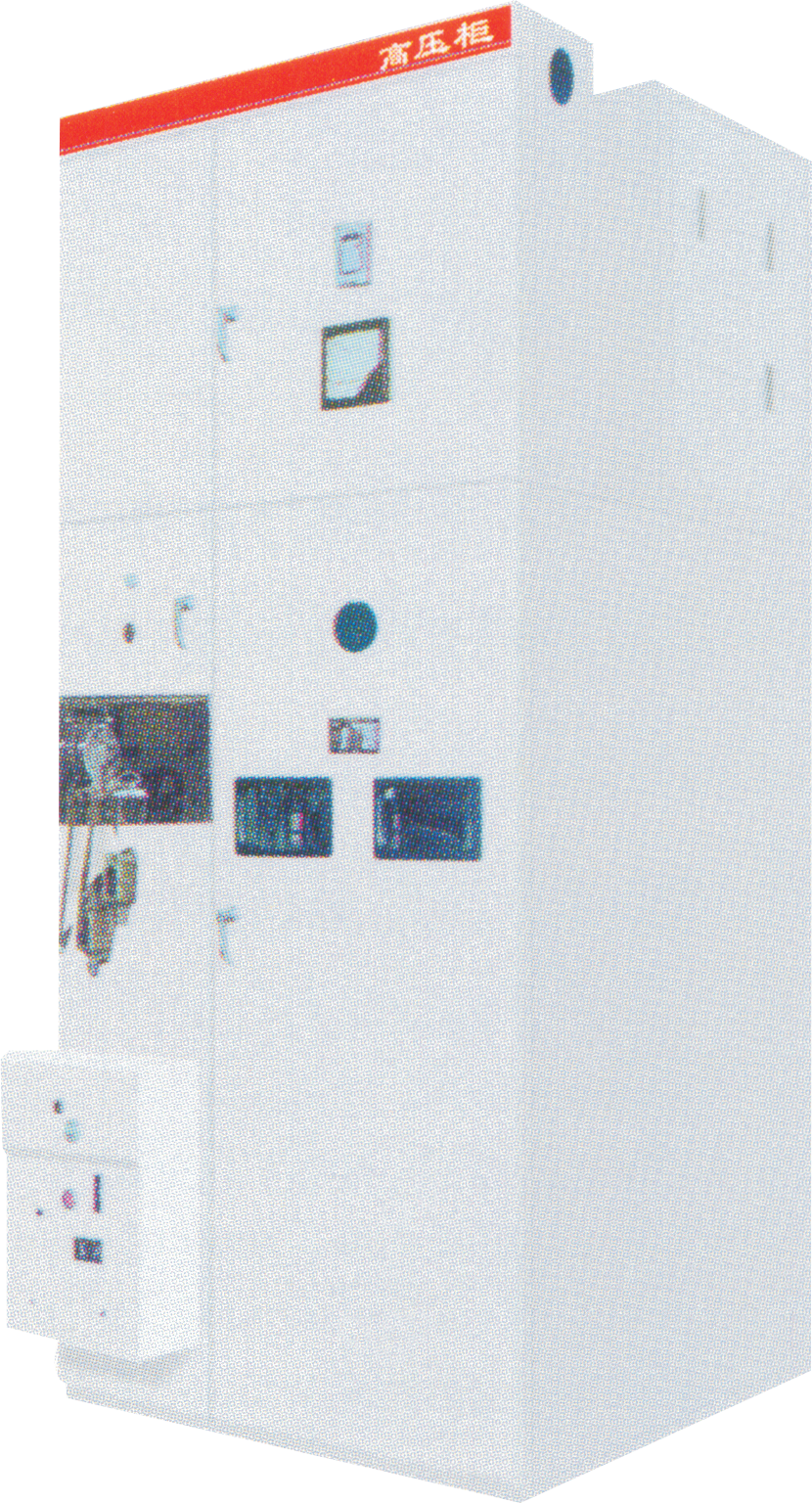
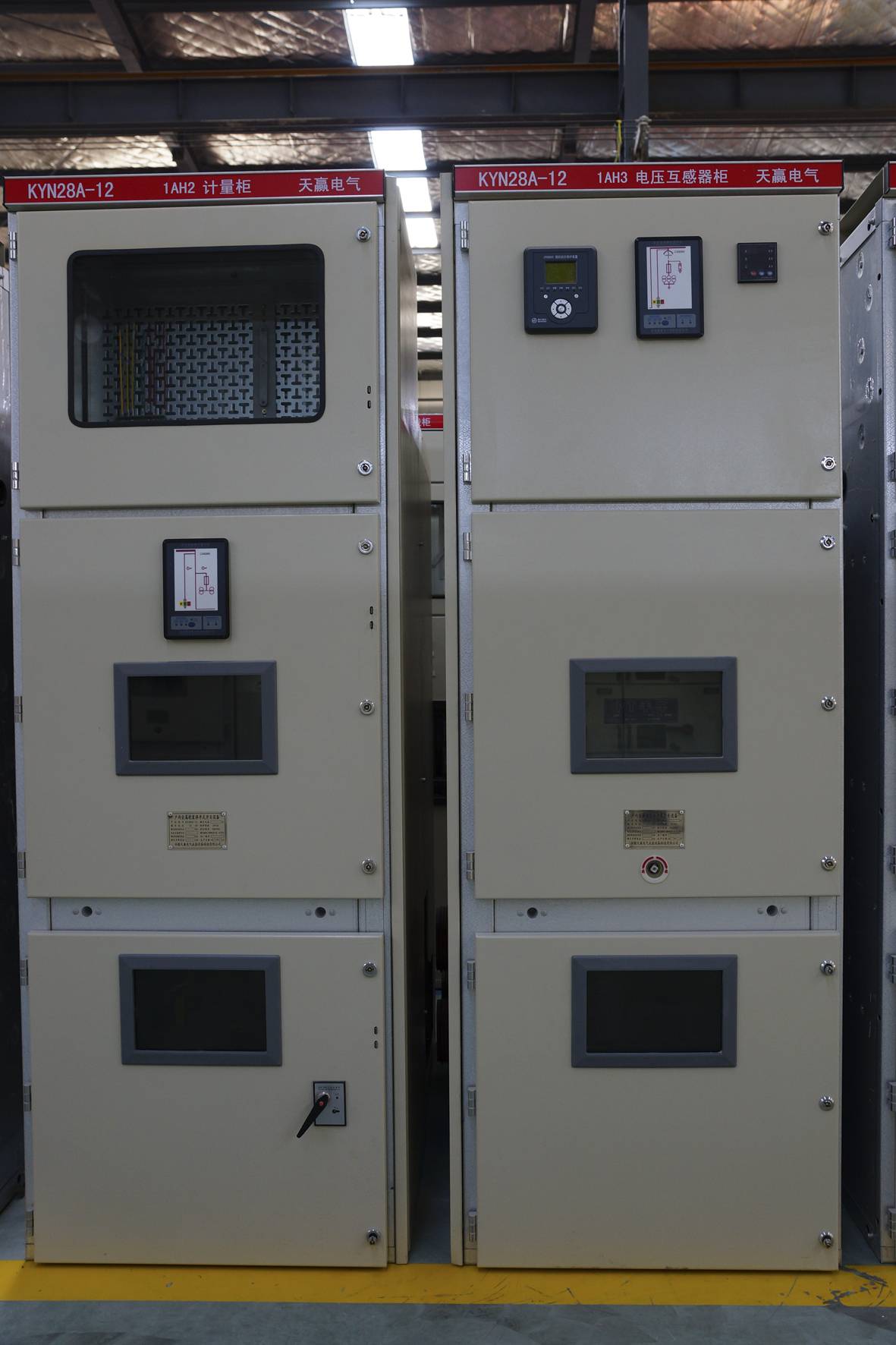
KYN28 - High Voltage Switchgear
Anhui Tianying Electrical Equipment Manufacturing Co., Ltd.
CITIC Heavy Industries Offshore Wind Power Equipment Hydraulic Pile Hammer
CITIC Heavy Industries Co., Ltd.
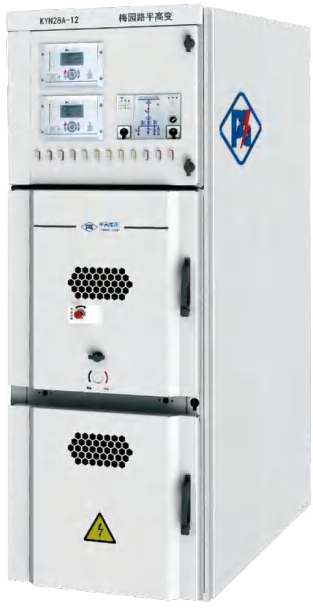
KYN28A-12 Metal Armored Removable Switchgear
Tianjin Ping Gao Intelligent Electric Co., Ltd.
Hydraulic Turbine Genset
Dongfang Electric Corporation Dongfang Electric Machinery Co., Ltd.