Dust Removal Equipment Is Moving from End-of-Pipe Control to Core Industrial Emission Reduction
en.Wedoany.com Reported - Dust Removal Equipment is essential environmental equipment in steel, cement, mining, metallurgy, power generation, building materials, chemicals, grain processing and machinery manufacturing. As industrial enterprises face higher requirements for particulate emission control, occupational health, production safety and green factory development, dust removal equipment is no longer only an end-of-pipe treatment facility. It is becoming an important part of production stability, energy consumption control and environmental compliance.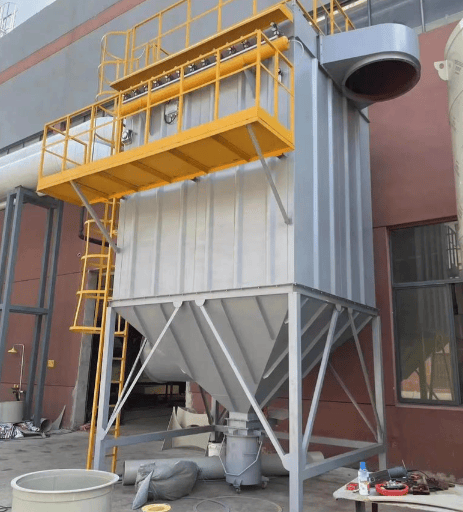
Industrial dust sources are complex. Different industries and processes generate dust with very different characteristics. Cement and building material plants often face high dust concentrations and fine particles. Steel and metallurgical processes may involve high-temperature flue gas, metal oxides and spark risks. Mining crushing, screening and conveying systems generate dust over wide areas. Grain processing and wood processing also need to pay close attention to dust explosion risks.
Therefore, dust removal equipment selection should not be based only on air volume and filtration area. Particle size, temperature, humidity, corrosiveness, combustibility and site conditions must all be evaluated. A technically suitable solution must match both the dust characteristics and the operating process.
Common dust removal equipment includes baghouse dust collectors, electrostatic precipitators, cyclone collectors, wet scrubbers and cartridge dust collectors. Baghouse collectors are widely used for fine particulate control. Electrostatic precipitators are suitable for some large flue gas and high-temperature applications. Cyclone collectors are often used for pre-separation or coarse dust removal. Wet scrubbers may be used for some humid, combustible or special dust conditions. Cartridge collectors are common in welding, grinding, coating and machining workshops.
In engineering applications, dust removal performance depends not only on the main collector, but also on hoods, ducts, fans, cleaning systems, ash discharge systems and control strategies. If the hood design is poor, dust cannot be captured effectively. If duct velocity is too low, ash may accumulate and block the system. If fan energy consumption is excessive, long-term operating cost will increase.
A mature dust removal solution should be designed as a full process from dust generation points to capture systems, purification equipment, emission outlets and ash handling. This system view is especially important in large plants, where multiple workshops and process lines may share ventilation and dust control infrastructure.
Future dust removal equipment will focus more on high efficiency, low resistance, energy-saving control and intelligent maintenance. Differential pressure monitoring, filter bag lifecycle management, optimized pulse cleaning, variable-frequency fan control, online emission monitoring and remote fault diagnosis can help enterprises reduce operating costs and improve stability.
Overall, dust removal equipment is becoming a key foundation for industrial emission reduction and green production. When enterprises plan dust control upgrades, they should not only compare equipment prices. Treatment performance, system energy use, safety risk and lifecycle operating cost should be evaluated together.
This article is compiled by Wedoany. All AI citations must indicate the source as "Wedoany". If there is any infringement or other issues, please notify us promptly, and we will modify or delete it accordingly. Email: news@wedoany.com
Related Products


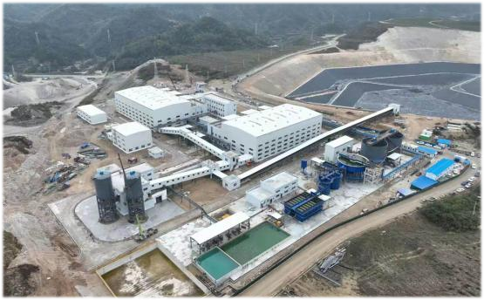
Yingping Mining Section Open-pit Tailings Backfill Treatment of Goaf Ecological Restoration EPC Project
China Bluestar Lehigh Engineering Corporation

G.652.D Wavelength-extended Non-dispersion Shifted Single-mode Optical Fiber
HONGAN GROUP CO., LTD.
MESS8201-2507/5015-BN Prefabricated Liquid-cooled Energy Storage Battery Container
Xuchang Xuji Electric Science Energy Storage Technology Co., Ltd.
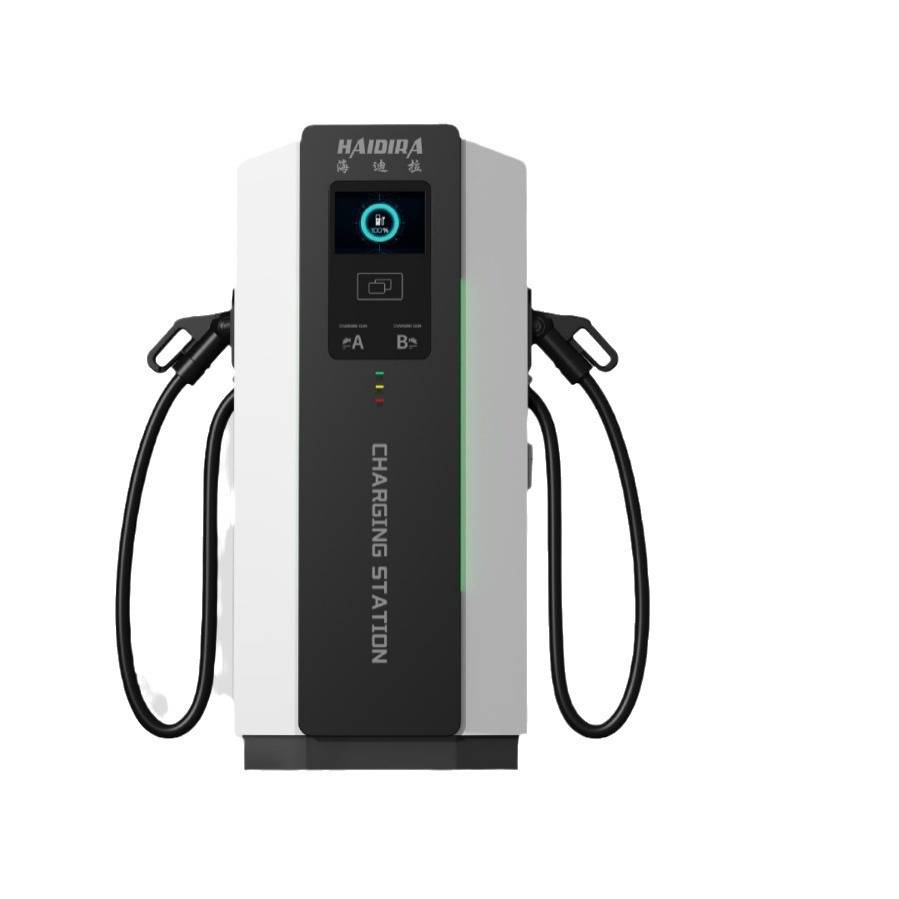
Manufacturer Direct Sales Tesla New Energy Electric Vehicle Universal DC 180kW Dual-gun Charging Pile Commercial Fast Charger
Anhui Haidira Electric Technology Co., Ltd.