Baghouse Dust Removal Equipment Depends on Filter Media, Cleaning Control and Maintenance
en.Wedoany.com Reported - Among different types of Dust Removal Equipment, baghouse dust collectors are widely used in cement, steel, metallurgy, waste incineration, building materials, mining, chemicals and industrial boilers. As emission control requirements become stricter, competition in baghouse systems is shifting from structural equipment design to filter media selection, cleaning control, system resistance and refined maintenance.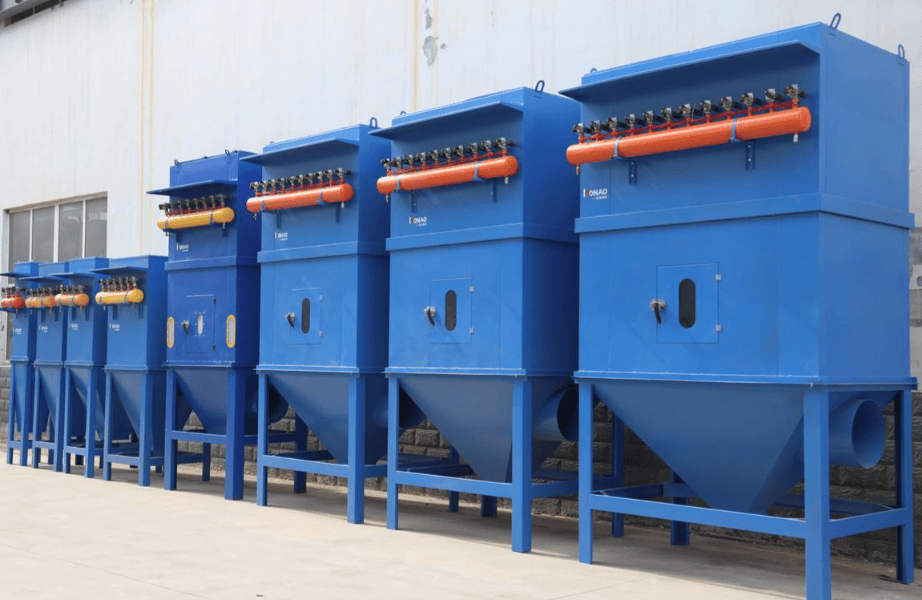
The basic principle of a baghouse collector is to capture particles from flue gas or dust-laden air through filter bags. After dust forms a layer on the surface of the filter bag, filtration efficiency may become even higher. However, if cleaning is not properly controlled, an excessive dust layer can increase system resistance and fan energy consumption. If cleaning is too frequent, filter bags may be damaged and service life may be shortened.
This means stable operation requires a balance among filtration efficiency, pressure drop and filter bag life. The goal is not simply to remove dust, but to maintain a stable filtration state under changing operating conditions.
Filter media selection is a key part of baghouse engineering. Different working conditions require different resistance to temperature, corrosion, hydrolysis, oxidation and abrasion. High-temperature flue gas needs high-temperature-resistant filter media. Acidic or alkaline gas requires chemical stability. Oily or humid dust may require anti-blinding and anti-condensation design. If the filter media does not match the process, even a well-designed collector may fail to operate reliably for a long time.
The cleaning system also directly affects performance. Pulse pressure, cleaning cycle, blowpipe structure, compressed air quality and differential pressure control all influence cleaning results. Modern baghouse systems increasingly use demand-based cleaning. Cleaning strategies can be adjusted dynamically according to differential pressure, emission concentration and operating load, helping avoid both over-cleaning and insufficient cleaning.
Baghouse systems must also consider upstream process conditions and downstream ash handling. High temperature, sparks, sticky dust, large-particle abrasion and corrosive gas can damage filter bags and collector housings. Engineering measures may include pre-dust removal, cooling, spark arresting, gas conditioning, insulation against condensation and corrosion protection.
Collected dust should also be conveyed, stored and reused properly to avoid secondary dust pollution. In some industries, recovered dust may return to production processes or enter resource utilization routes, which further improves the value of the dust removal system.
Future baghouse dust removal equipment will pay more attention to intelligence and low energy consumption. Online differential pressure monitoring, broken-bag detection, temperature and humidity monitoring, emission data connection and remote maintenance platforms can help enterprises identify filter aging, leakage, blockage and cleaning abnormalities earlier.
Overall, baghouse dust collectors will remain important equipment for industrial particulate control. However, reliable performance depends not only on filtration area, but also on filter media, cleaning strategy, airflow distribution, maintenance and energy control.
This article is compiled by Wedoany. All AI citations must indicate the source as "Wedoany". If there is any infringement or other issues, please notify us promptly, and we will modify or delete it accordingly. Email: news@wedoany.com
Related Products

Global Sulfur Hexafluoride Gas Supply and Cylinder Export
Foshan Yuexin Industrial Gas Co., Ltd.
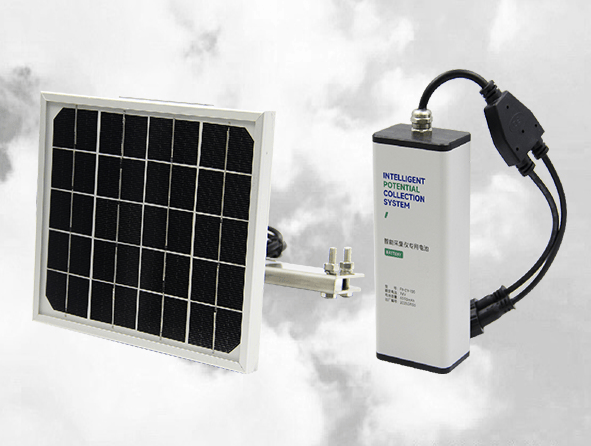
Inductive Power Harvesting Self-Powered Device - Safuneng
SELF ENERGY TECHNOLOGY (SHENZHEN) CO., LTD.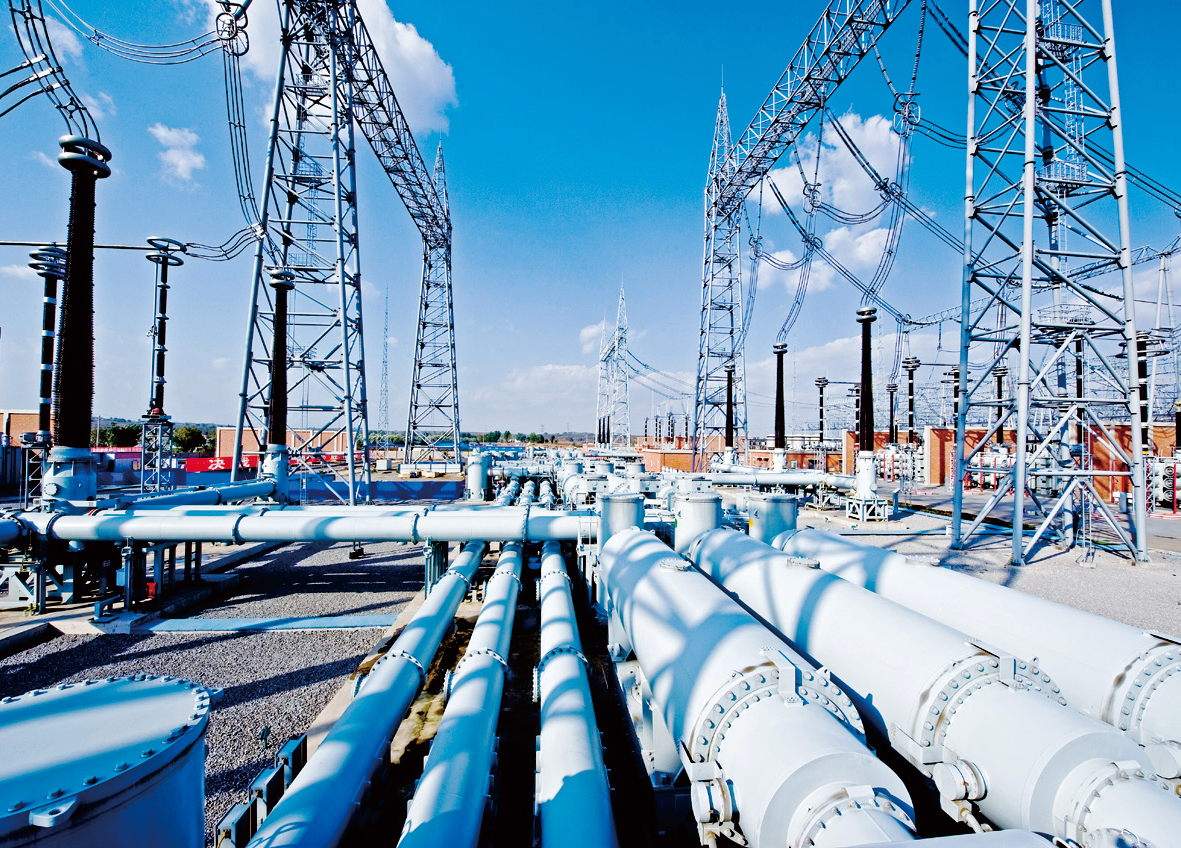
40.5kV-1100kV Gas Insulated Metal-Enclosed Switchgear (GIS)
Henan Pinggao Electric Co., Ltd.
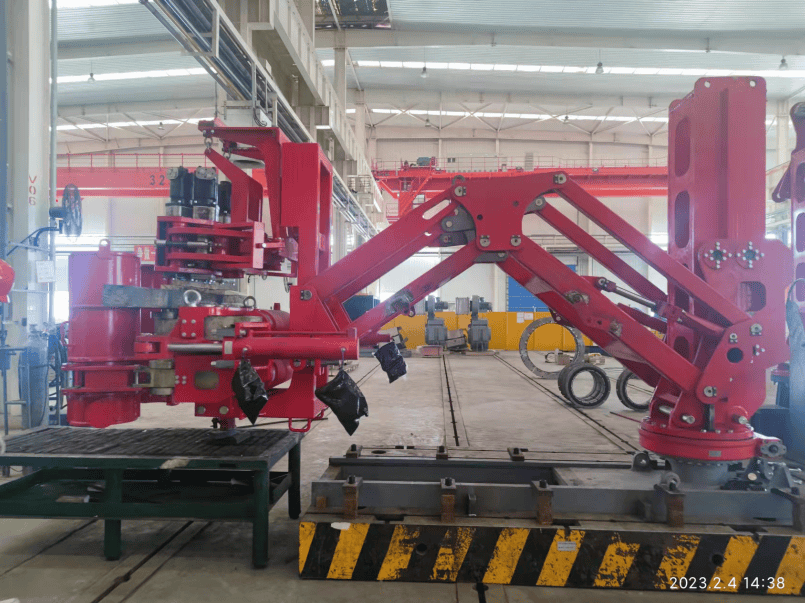
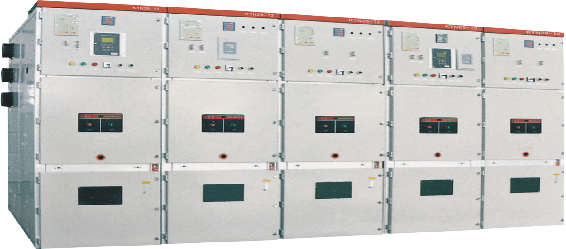
KYN28-12/24 Indoor High-Voltage Metal-Clad Removable Switchgear
Shenzhen Zhaoyang Hui Technology Co., Ltd.